
Expect a quiet, leafy suburb rather than a busy sightseeing hub. This is a prosperous, low-density residential town north-west of Valencia where gardens, family homes and green corridors matter more than monuments. If you’re planning a day trip for parks, a short cultural stop or a base for commuting into the city, this guide will set realistic expectations and help you make the most of a visit without expecting a full-blown tourist programme.
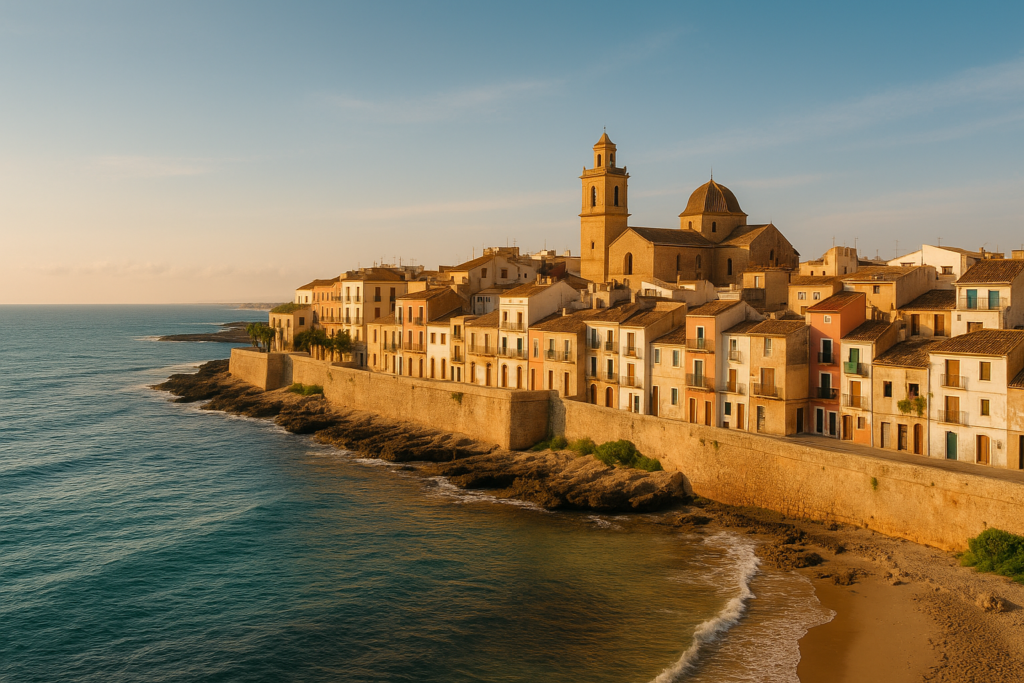
L’Eliana at a glance
- Affluent, low-density residential municipality in the Camp de Túria, popular with families and internationals.
- Principal cultural landmark: the restored Torre del Virrei serving as the local cultural centre.
- Good green access — close to the Túria Natural Park for walking and cycling along the river.
- Served by Metrovalencia Line 1, providing a direct link to Valencia city.
- Active local fiesta calendar, including Spring Falles celebrations.
- Contains many residential neighbourhoods — from Casco Antiguo to MontePilar and Les Casetes — each with a distinct character.
- Town twinned with San Mauro Torinese (Italy) and Mirande (France).
Things to do in L’Eliana
Visits here cluster around outdoor time, small-scale cultural stops and experiencing local life. There aren’t museums that require whole afternoons, but the restored town tower, riverside greenbelt and seasonal fiestas provide reasons to come. Below is a compact comparison of the main draws so you can pick depending on time and interest.
| Attraction | What it is | Price/entry | Best for |
|---|---|---|---|
| Torre del Virrei | Restored historic tower that functions as the cultural centre and principal landmark | – | Culture, photography, short visits |
| Túria Natural Park (nearby) | Riverside green space offering walking and cycling routes inland from Valencia | – | Walking, cycling, nature time |
| Local Falles and fiestas | Traditional Valencian spring festivals celebrated in town | – | Culture, local atmosphere, families |
Torre del Virrei: the town’s cultural heart
The restored tower is the single architectural attraction most visitors note. It’s now used as a cultural centre, so plan a short visit to appreciate the exterior, check for any temporary exhibitions or community events, and use it as a landmark to orient yourself in the town. The tower’s role as the principal landmark means it’s a reliable meeting point if you’re exploring neighbourhoods on foot.
Green days — Túria Natural Park and riverside routes
One of the practical reasons to visit is proximity to the Túria Natural Park. The park’s river corridor offers easy walking and cycling options away from traffic, and it’s a good escape for children and adults who prefer outdoor exercise to urban promenades. Bring a bike or comfortable shoes; the terrain is well suited to low-impact activity and quiet moments in nature.
Time your visit for a fiesta
If you can align a visit with the town’s Valencian fiesta calendar, you’ll see a different side of community life. Falles celebrations in spring are part of L’Eliana’s lively calendar; local processions and neighbourhood events add colour. These are community-centred rather than tourist spectacles, so expect authenticity over showy commercialism.
Best beaches in the area
There are no beaches inside the town itself; visitors aiming for sea time will need to travel to the Valencian coastline. Use the metro or a car to reach nearby coastal options when you want sand and sea rather than the town’s gardens and parks.
L’Eliana with kids
This is a family-oriented place by design. The low-density residential layout, parks and river access create an environment where children can move freely and families gather in local green spaces. The community calendar and small public venues, like the town’s cultural centre in the restored tower, stage family-friendly events seasonally.
For practical family visits: pick flat, green walks in the Túria corridor, check the cultural centre for workshops or weekend programming, and aim for fiesta dates for neighbourhood parades and activities made with local children in mind.
How to get to L’Eliana and get around
Getting here is straightforward if you’re coming from Valencia: the town is connected to the city by Metrovalencia Line 1. That link makes it easy to combine a trip to the town with time in the city or to use the town as a quieter base while commuting. Within the municipality the pattern is residential streets and small neighbourhood centres, so walking, cycling or short taxi rides are the usual ways to move between areas.
| From | By | Approx time |
|---|---|---|
| Valencia | Metrovalencia Line 1 | – |
Where to stay in L’Eliana
Accommodation options are primarily residential — guesthouses, rental apartments and small hotels are most common in and around the neighbourhoods rather than clustered in a single tourist quarter. Choose a base according to this quick area guide:
- Casco Antiguo — the old centre; best for proximity to the tower and village-style streets.
- Estació — close to the transport hub; practical for travellers relying on the metro.
- MontePilar / Montealegre — suburban, quieter neighbourhoods that suit families and longer stays.
- Les Casetes and La Fonda — residential zones offering a sense of local daily life and access to small shops.
Best time to visit L’Eliana
The town follows the Valencian pattern of seasons: mild winters, warm springs and hot summers. Spring and autumn are the most comfortable for walking and outdoor activities; spring also hosts the local Falles festivities, which bring the community alive. Summer is popular for families but expect warmer temperatures and quieter daytime streets as residents often plan holidays elsewhere.
| Season | Months | What to expect |
|---|---|---|
| Spring | March–May | Falles celebrations; pleasant weather ideal for walking and fiestas |
| Summer | June–August | Hotter weather; quieter town days as families travel to the coast |
| Autumn | September–November | Comfortable temperatures for outdoor activities and cycling |
| Winter | December–February | Mild but cooler; low tourist flow and relaxed pace |
History of the town
The municipality sits within the comarca of Camp de Túria in the Valencian Community. Its development into an affluent, low-density residential area reflects decades of suburban growth serving families and international residents who commute to the nearby city. The restored Torre del Virrei stands as a visible piece of local heritage and now anchors modern cultural life.
Practical info
- Parking: Most neighbourhoods are residential; on-street parking and local car parks serve short visits and residents. Expect typical suburban parking arrangements rather than tourist car parks.
- Costs: As an affluent area popular with families and internationals, everyday prices for housing and local services can trend higher than some nearby municipalities — keep this in mind when planning accommodation or long stays.
- Accessibility: The metro connection makes the town accessible without a car. Streets in the old centre are walkable; newer residential areas are laid out for car access with pedestrian pockets.
- Connectivity: Metrovalencia Line 1 provides a public transport lifeline into Valencia city, making day trips or commuting straightforward.
- Language and local life: Valencian traditions are active here; local events and administrative signage may be in Valencian and Spanish, and community festivals reflect Valencian culture.
Worth it for: families wanting a quiet suburban base, visitors looking for riverside walks in Túria Natural Park, and anyone interested in authentic local fiestas during spring. Less so if: you’re seeking a dense museum circuit, nightlife or coastal resort ambience — the area is residential and calm rather than tourist-focused.
How we assess this guide
We compiled this guide by cross-checking municipal, transport and cultural sources to reflect up-to-date status for landmarks, neighbourhood structure and transport links. We flag closures or material changes when present, and focus on practical, visitor-useful facts rather than promotional language. This is an editorial synthesis of verified information rather than original field reporting.
Frequently asked questions
How do I get from Valencia to L’Eliana?
Use Metrovalencia Line 1 for a direct connection between the city and the town’s station — a reliable public transport option for day trips or commuting.
Is L’Eliana expensive to visit or stay in?
The area is affluent and residential, so local housing and some services reflect higher costs compared with less affluent nearby towns. Day visits for sightseeing and parks are low-cost, but longer stays may be pricier for accommodation.
Which beach is best if I want to combine a town visit with the sea?
The town itself has no beaches; travellers should plan a separate journey to the Valencian coast. The metro and road links make day trips to coastal towns practical if you want both river walks and beach time on the same trip.
How many days should I spend here?
A half-day to a full day is usually enough to see the town’s main landmarks, enjoy riverside walks and experience local life. Use multiple days only if you want a relaxed base for exploring nearby municipalities or combining with a longer stay in Valencia.
Is this a good place to visit with children?
Yes. The town’s low density, parks and family-oriented calendar make it well suited to family visits. Look for outdoor routes in the Túria corridor and check community listings for family programmes at the cultural centre.
Can I get around without a car?
Yes. The town’s metro connection and compact neighbourhoods make it practical to visit without a car. Local walking and cycling routes are also a good way to move between sites.
Is parking difficult?
Parking follows suburban norms: on-street spaces and local car parks are common. There isn’t a tourist parking system, so plan for typical residential parking conditions rather than a visitor-focused layout.
What can I do on a rainy day?
Local cultural venues centred on the restored tower may have indoor events; checking the cultural centre’s programme is the best option for weatherproof activities. Otherwise, the town’s cafés and small shops provide low-key indoor places to spend time.
When are the big festivals?
Spring hosts Falles celebrations as part of the local fiesta calendar. These community festivals are the town’s most noticeable seasonal events and offer a chance to see local traditions in practice.
Are there notable people from the town?
Yes. The classical singer Melani García, who won La Voz Kids 2018 and represented Spain at the Junior Eurovision Song Contest 2019, is a notable person from the town.
Which neighbourhood is best for first-time visitors?
Casco Antiguo is the logical starting point for first-time visitors because it places you near the Torre del Virrei and compact village streets. Estació is convenient if you rely on public transport.
Is the Torre del Virrei open to visitors?
The tower has been restored and functions as the local cultural centre; check local listings for any exhibitions or public opening times before your visit.
Does the town have twinning relationships?
Yes. It is twinned with San Mauro Torinese in Italy and Mirande in France, reflecting civic links beyond Spain.
Can I use L’Eliana as a base to explore nearby towns?
Absolutely. The municipal location in Camp de Túria and the metro link make it a practical base for day trips to neighbouring towns and to Valencia city itself.
Is there good access to green spaces?
Yes. Proximity to the Túria Natural Park and local green corridors makes the town a favourable spot for outdoor activities like walking and cycling.
Plan the wider trip
Nearby on the Costa de Valencia
Leliana on the map
Places worth knowing near Leliana
This place is part of our Costa de Valencia Guide: The City, the Albufera and Paella — see every town, beach and cove we have mapped on that coast.
How this page is maintained. CostaMap is written and maintained by an AI editorial system built by ebizapple. Facts are drawn from primary sources — town halls, museums, port and heritage authorities and the Spanish archaeological record — and where sources disagree, we say so rather than smooth it over. Photographs marked as ours are taken on location. This page was last reviewed on 14 August 2026. Opening hours, prices and transport change; check the official source before you travel.