
Expect a small Catalan town whose strengths are specific, not superlative. Argentona is a compact, largely residential place with a few distinctive draws—the quirky Water Jug Museum, a late‑Gothic church touched by a Modernista master, and a calendar date that brings the town to life every August. If you arrive expecting a bustling seaside resort or a long list of tourist attractions, you’ll be disappointed; if you come for calm streets, local culture and short excursions into the Maresme coastal belt, you’ll find what the town actually offers.
Argentona at a glance
- Where: Province of Barcelona, Catalonia, Spain; coordinates 41°33′N 2°24′E.
- Size & altitude: 25.4 km² at about 88 metres above sea level.
- People: around 12,891 residents (January 2025); density roughly 508/km².
- Local focus: known as both a tourist centre and a horticultural centre within the Maresme comarca.
- Key cultural site: the Argentona Water Jug Museum—home to more than 700 pieces, including four works by Pablo Picasso.
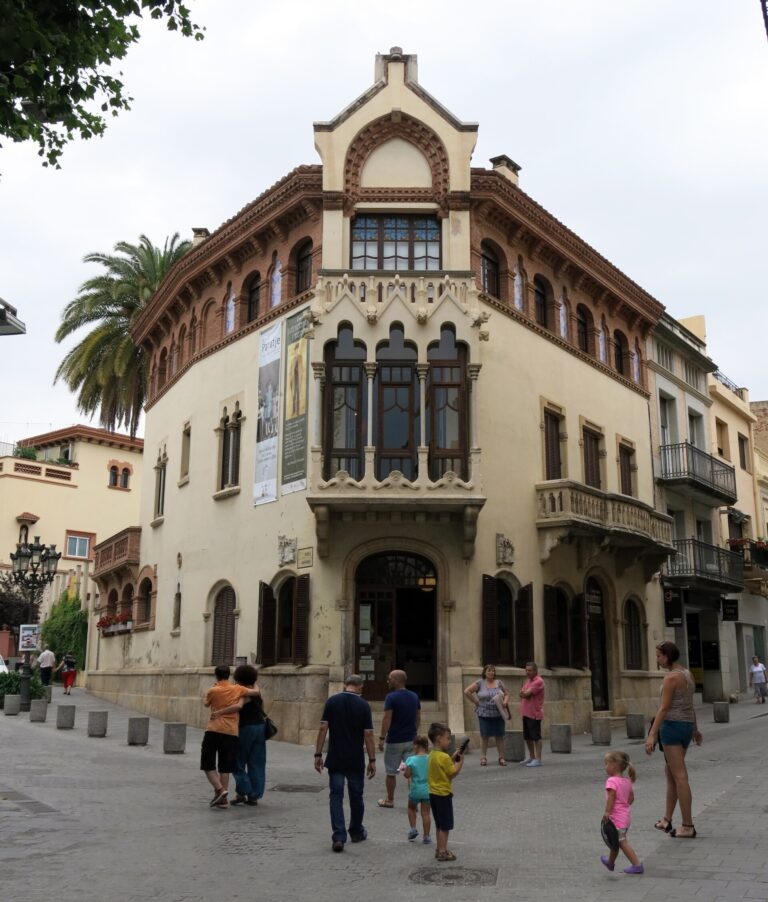
- Notable architecture: the late‑Gothic church of Sant Julià, restored by architect Josep Puig i Cadafalch.
- Town festival: the main local celebration falls each year on 4 August in honour of Saint Dominic.
Before you plan
There are no verified closures or long‑term redevelopments reported in our source set. Major sites such as the Water Jug Museum and the church are established town attractions. Still, local opening arrangements and festival formats can change—check municipal or venue channels before you travel.
Things to do in Argentona
Argentona’s visitor programme is compact and focused. The town suits short stays, or a relaxed half‑day stop when you’re exploring the Maresme coast and the nearby city hubs. The main draws are cultural: a museum with an unexpected specialty, historical architecture restored by a prominent Catalan architect, and a lively annual festival. These are best enjoyed at a leisurely pace—there’s time to stroll the streets, visit local shops and use the town as a base for short coastal excursions.
| Attraction | What it is | Price/entry | Best for |
|---|---|---|---|
| Argentona Water Jug Museum | Specialist museum with a collection of over 700 jugs and related ceramics, including four works by Pablo Picasso | — | Curiosity seekers; families; fans of folk craft and ceramics |
| Sant Julià church | Late‑Gothic church restored by Josep Puig i Cadafalch | — | Architecture and history enthusiasts |
| Saint Dominic festival (Festa Major) | Annual town festival held on 4 August | — | Visitors interested in local traditions and community events |
The Water Jug Museum
The museum is the town’s single most distinctive cultural offering. Its permanent collection exceeds 700 pieces, which gives it a scale unusual for a specialist municipal museum. The presence of four works by Pablo Picasso elevates the collection beyond purely local or folk categories—these items are often the unexpected highlight for visitors. The museum’s focus on ceramic jugs and related forms fits Argentona’s identity as a horticultural and craft‑aware place.
Sant Julià: Puig i Cadafalch’s restoration
The late‑Gothic church of Sant Julià is an architectural anchor for the town. The building’s restoration by Josep Puig i Cadafalch connects Argentona to Catalonia’s broader Modernisme and preservation movements; Puig i Cadafalch is a recognised name in Catalan architectural history, and his involvement marks the church as an item of interest beyond its parish function.
Festa Major — 4 August
The town’s main holiday calendar date is fixed: every 4th of August the community celebrates Saint Dominic. If your travel dates are flexible and you want to see Argentona at its most animated—processions, street gatherings and local festivities—plan to be in town on that day. Outside the festival, the town is significantly quieter.
Best beaches in the area
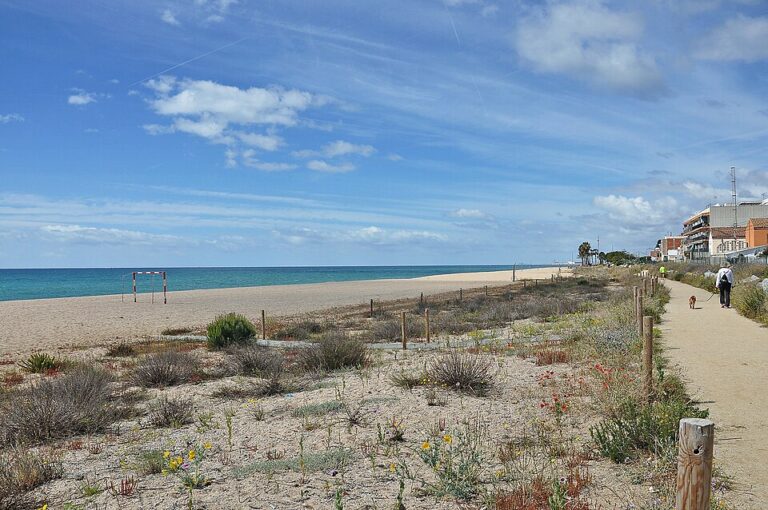
Argentona itself is inland from the shoreline; the Maresme coast and towns such as Mataró provide the nearest beaches. Use the town as a short transfer point if you want to combine a cultural visit with a seaside afternoon—coastal access is straightforward from the local road network that links the town to the nearby coast.
| Beach (nearby) | Character | Notes |
|---|---|---|
| Mataró beaches | Typical Maresme sandy beaches on the Mediterranean coast | Closest significant coastal option; reach via short local roads |
Argentona with kids
Families can enjoy the Water Jug Museum as a child‑friendly attraction: the subject matter is tactile and visual, and the collection’s scale gives children things to spot and compare. The town’s quiet streets are suitable for short walks with youngsters, and a visit timed around the August festival will offer colourful, communal activities that appeal to families. Because the town is not a high‑density tourist resort, parents should plan entertainment and meals with a sensible timetable—services and attractions are spread out rather than concentrated.
How to get to Argentona and get around
Argentona sits in the Maresme comarca to the north‑west of Mataró, positioned on the south‑east side of the region’s granite littoral zone. A local road links the town with Cabrera de Mar and with the main N‑II road at Vilassar de Mar, providing straightforward road access to the coastal corridor and onward connections into the Province of Barcelona. Once in town, most places of interest are within easy walking distance.
Where to stay in Argentona
The town is compact and primarily residential; accommodation options focus on small hotels, guesthouses and apartment rentals typical of municipal centres rather than purpose‑built resort complexes. Choose central lodging if you want direct walking access to the museum, the church and cafés. If you prefer a seaside stay, consider basing yourself in one of the Maresme coastal towns and using the town for a day visit.
Best time to visit Argentona
Timing depends on what you want from the visit. The widest local activity concentration happens around the Festa Major on 4 August; that date is the clearest seasonal draw. For quieter visits, any time outside festival periods will be less crowded. The town’s inland‑adjacent position on the granite littoral zone means it functions well year‑round as a base for short coastal excursions and horticultural interests.
History of Argentona
The town sits within the Maresme comarca and has architectural and cultural layers that reflect its Catalan setting. Notably, the late‑Gothic church of Sant Julià received restoration work by Josep Puig i Cadafalch, linking the local historical fabric to Catalonia’s early 20th‑century architectural movements. Over time Argentona has been recognised not only as a small tourist centre but also as a horticultural centre, a dual role that shows in local crafts, garden culture and the town’s museum holdings.
Practical info
- Coordinates & elevation: Argentona is at 41°33′N 2°24′E and sits around 88 metres above sea level—useful if you’re mapping routes or checking elevation‑sensitive directions.
- Size & population: the municipality covers 25.4 km² and had roughly 12,891 residents as of January 2025, with a population density near 508 people per km². These figures explain the town’s intimate scale and limits on tourist infrastructure.
- Local governance: the mayor is Eudald Calvo Català. Local municipal channels are the source for updated event and service information.
- Transport links: a local road connects the town with Cabrera de Mar and the N‑II at Vilassar de Mar—this is the primary road route toward the coast and wider provincial network.
- What to bring: comfortable shoes for town strolls; if you plan to visit the coast the same day, pack beach gear separately as town amenities are modest.
Worth it for: people who like niche museums, modest historical architecture with a Modernista connection, short cultural stops en route along the Maresme coast and visitors timed to the 4 August festival. Less so if: you want a busy resort atmosphere, an extensive programme of museums and galleries, or a town with large tourist infrastructure—Argentona is compact and low‑key.
How we assess this guide
This guide compiles verified municipal and cultural facts from public records and heritage sources. We cross‑checked details such as population, area, coordinates, the festival date and museum collection highlights; we flag closures where sources report them and avoid conjecture. Note that this is a synthesis of secondary verification and not first‑hand field reporting—check local municipal or venue channels for real‑time opening times and event adjustments.
Frequently asked questions
How do I reach Argentona from the nearest major centre?
Argentona lies in the Province of Barcelona within the Maresme comarca. The town is connected by local roads to nearby coastal towns and the main N‑II road at Vilassar de Mar—use those links from larger provincial hubs to reach the town by car or local transport services.
Is Argentona expensive to visit?
There are no verified, destination‑wide cost indexes in the source set. The town’s scale and municipal profile suggest modest, local service pricing typical of small Catalan towns rather than high‑end resort rates—but check individual hotels and venues for current prices.
Which beach is best if I stay in Argentona?
Argentona itself is inland; the nearest significant beaches are on the Maresme coast, with Mataró providing the closest major seaside options. Use the local road network for short transfers to the coast.
How many days should I spend here?
One day or a relaxed half‑day is sufficient to see the town’s main attractions—the Water Jug Museum and Sant Julià church—and to stroll the centre. Add an overnight stay if you want to attend the 4 August festival or use the town as a quiet base for coastal exploration.
Is Argentona a good place to visit with children?
Yes. The Water Jug Museum’s visual and object‑based collection works well for children, and the town’s calm streets suit family strolls. Festival dates add lively family‑oriented events if you time your visit for 4 August.
Can I get around without a car?
Most of the town’s attractions are walkable once you are in Argentona. Road connections link the town to nearby coastal communities; public transport details are beyond the verified claims here, so check regional timetable services for buses or trains serving the Maresme corridor.
Is parking easy in the town?
Specific parking locations and capacities were not part of the verified claims. Argentona’s municipal scale and residential character mean parking is generally local and on‑street or in small municipal lots—expect a quieter experience than in denser coastal resorts.
What are rainy‑day options?
The Water Jug Museum and the town’s indoor heritage sites such as Sant Julià offer weather‑proof activities. The museum’s substantial collection provides an indoor cultural focus when the weather is poor.
When is the best time to visit for local culture and events?
For the town’s principal local celebration, plan to be here on 4 August—the Festa Major for Saint Dominic. Otherwise, visit year‑round for quieter cultural sightseeing outside the festival date.
Does Argentona have any notable museums?
Yes—the Argentona Water Jug Museum houses more than 700 pieces, including four works by Pablo Picasso, and is the town’s most prominent museum offering.
Who is a notable local architect associated with the town?
Josep Puig i Cadafalch restored the late‑Gothic church of Sant Julià, tying Argentona to the broader history of Catalan architecture and preservation efforts.
What is Argentona known for economically or culturally?
The town is recognised both as a tourist centre and as a horticultural centre within the Maresme comarca—these twin identities shape local events, crafts and the museum focus.
Who is the current mayor?
The mayor is Eudald Calvo Català, according to verified municipal information.
Where can I go next from here?
If you want to plan onward travel along the Maresme coast and beyond, consider nearby coastal towns and provincial cities; Mataró is immediately to the south‑east and serves as a convenient next stop for beaches and coastal services.
Plan the wider trip
- Cassà de la Selva: cork-country town near Girona
- Arenys de Mar
- Blanes
- Lloret de Mar
- Tossa de Mar
- Girona
Nearby on the Costa Brava
Argentona on the map
Places worth knowing near Argentona
This place is part of our Costa Brava Guide: Coves, Cadaqués, Girona and the Wild Coast — see every town, beach and cove we have mapped on that coast.
How this page is maintained. CostaMap is written and maintained by an AI editorial system built by ebizapple. Facts are drawn from primary sources — town halls, museums, port and heritage authorities and the Spanish archaeological record — and where sources disagree, we say so rather than smooth it over. Photographs marked as ours are taken on location. This page was last reviewed on 15 August 2026. Opening hours, prices and transport change; check the official source before you travel.