
Expect a small, polished Mediterranean resort rather than a sprawling party destination. This is a low-rise, village-like coastal spot on the Costa Blanca where the main draw is relaxed seaside life, good fish, short walks and a quiet, international crowd — not theme-park attractions or nightlife into the small hours. If you want pristine little coves, a sheltered family beach and an 18th‑century castle by the sea, you’ll be pleased; if you need endless entertainment or dramatic high-rise promenades, temper expectations.
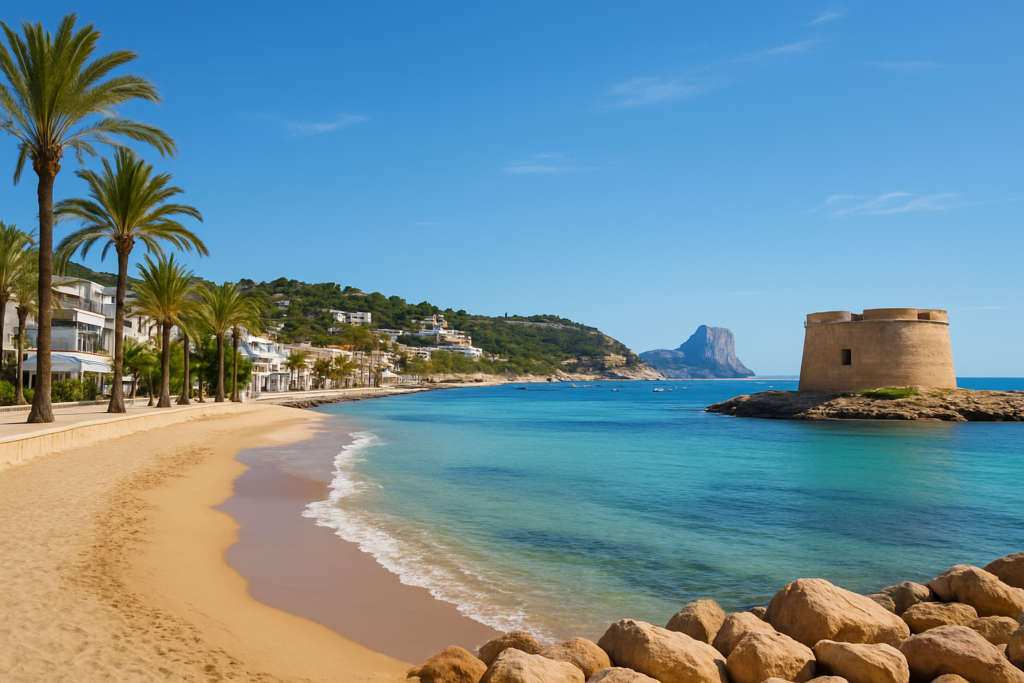
Moraira at a glance
- Location: small coastal locality in the municipality of Teulada, Marina Alta, province of Alicante on the Costa Blanca.
- Coordinates: roughly 38.688°N, 0.1345°E; the municipal centre of Teulada lies slightly inland.
- Character: low-rise, upmarket resort that has resisted high-rise development; village atmosphere.
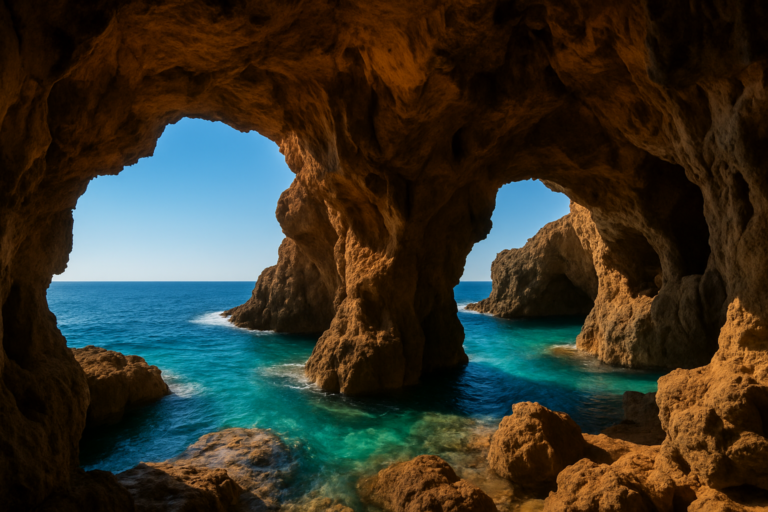
- Coastline: about 8 km of coastline in the municipality, mixing sandy beaches, sheltered coves and rocky headlands for snorkelling.
- Signature sights: an 18th-century castle by the seafront, a marina, and a weekly Friday market behind the town hall with free parking.
- Audience: quieter, often older and international visitors; prices tend to be higher than mass-market Costa Blanca resorts.
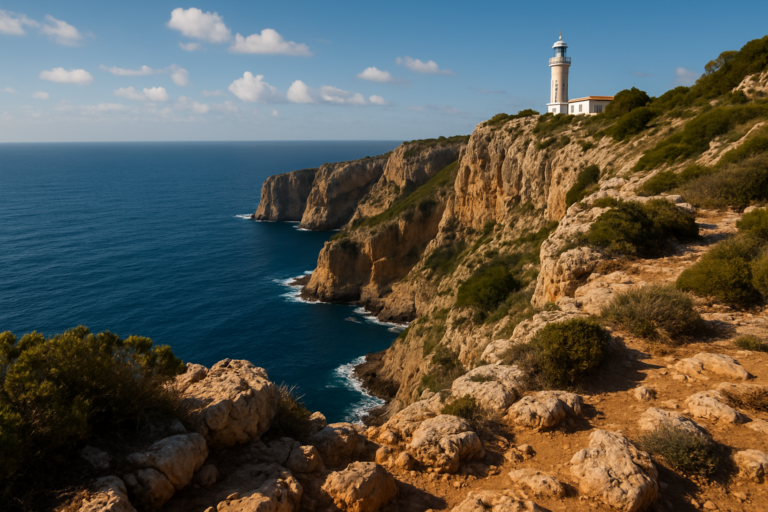
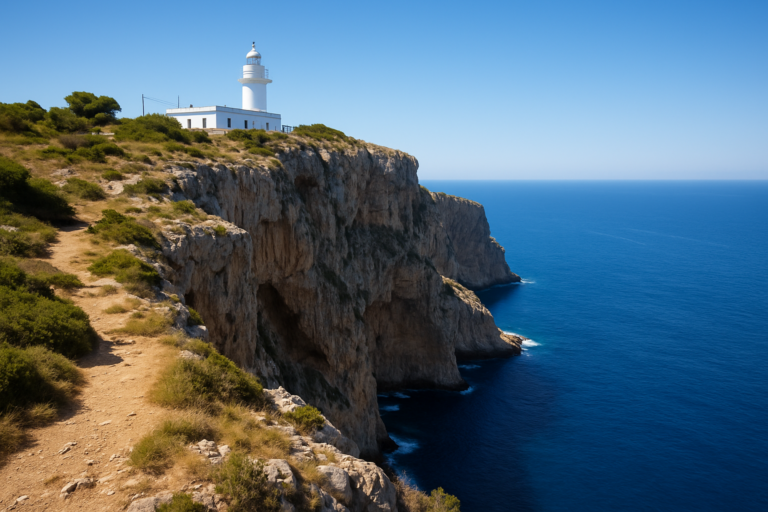
- Outdoors: Cap d’Or peninsula above El Portet offers coastal trails, a Torre del Cap d’Or watchtower and a protected plant micro-reserve.
Things to do in Moraira
Activities here mostly revolve around the sea, short walks and enjoying local food. Sightseeing is compact: a small castle, a marina and promenades sit within easy reach of beaches and headlands. Expect calm days turning into relaxed evenings at waterfront restaurants that often display the local Bahia de Moraira seal — an assurance the fish was landed at the port and market.
| Attraction | What it is | Price/entry | Best for |
|---|---|---|---|
| Castillo de Moraira | 18th‑century coastal castle beside L’Ampolla beach | — | Short history stops, bay views |
| El Portet | Sheltered, shallow sandy cove about 300 m long | — | Families, gentle swimming |
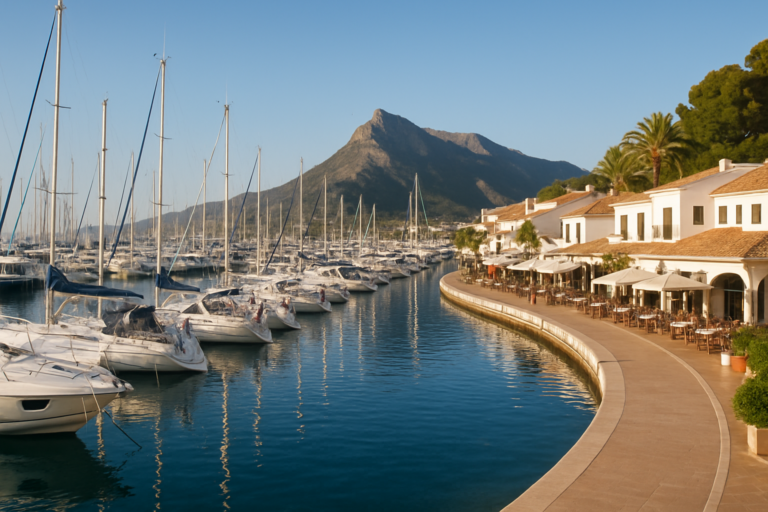
| Marina (Puerto) | Working marina popular with sailing visitors | — | Boat-watching, seafood dining |
| Weekly Friday market | Market behind the town hall; local produce and crafts | Free parking at the market | Shopping, local atmosphere |
| Cap d’Or peninsula & Torre | Hiking trail, old watchtower, micro-reserve | — | Short hikes, viewpoints |
Castillo de Moraira and the seafront
The small 18th‑century castle sits beside L’Ampolla beach and was built to defend the bay from pirate raids. It’s a compact sight — more viewpoint and photo stop than a full museum experience — but it anchors the seafront and frames views across the bay toward Calpe’s Penyal d’Ifac on clear days. Plan a brief visit during a stroll along the promenade rather than allocating hours to explore.
El Portet and the main beaches
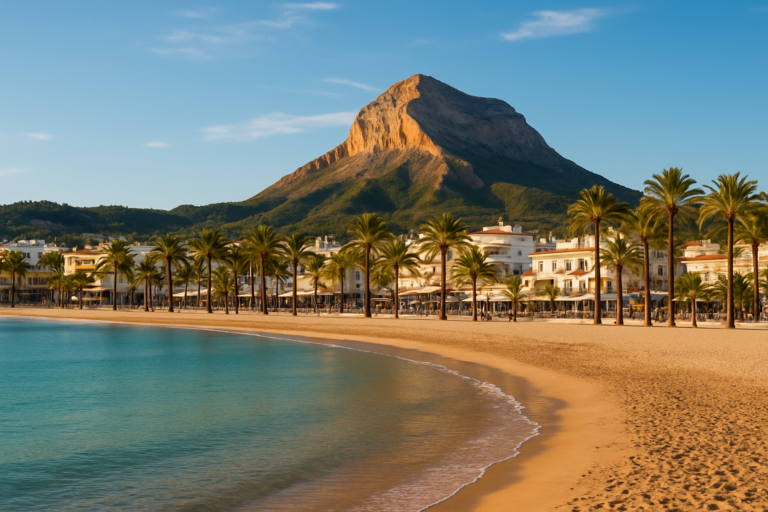
El Portet is the resort’s signature beach: a sheltered sandy cove roughly 300 metres long, with shallow water and a gentle slope that makes it family-friendly and easy to approach from the centre on foot. The town also has a sandy main beach at L’Ampolla and several rocky coves that are well suited to snorkelling. Beach time here is relaxed and rarely crowded to the scale seen at larger Costa Blanca resorts.
Cap d’Or headland: short hikes and viewpoints
The Cap d’Or peninsula above El Portet offers a coastal trail that leads to the Torre del Cap d’Or, an old watchtower, and passes a protected plant micro-reserve. The path links several lookout points along rugged headland and is a convenient half‑day outing for anyone who wants sea views and a short nature walk without leaving town.
Best beaches in Moraira
Beaches are one of the chief reasons to come. The resort’s coastline mixes easy sandy bays for families with small rocky coves suited to swimming and snorkelling. Facilities are concentrated at the main beaches and El Portet; the smaller coves are more basic.
| Beach | Character | Facilities / Notes |
|---|---|---|
| El Portet | Sheltered, shallow sandy cove about 300 m long; family-friendly | Overlooked by the Cap d’Or headland |
| L’Ampolla (main beach) | Sandy beach beside the seafront and near the small castle | Close to promenade and marina |
| Rocky coves | Smaller, rocky inlets good for snorkelling and calmer swims | Less infrastructure; bring shoes for rocky entries |
Families and children
This is a family-friendly place in general. The sheltered El Portet cove with its gentle slope is the obvious choice for toddlers and less confident swimmers; short coastal paths and the flat seafront are stroller-friendly for easy daytime outings. The atmosphere around the marina and promenade is relaxed and suitable for older children who enjoy spotting boats and eating seafood by the water.
How to get to Moraira and get around
The town sits on the Costa Blanca between Jávea and Calpe within the municipality of Teulada. Getting here typically involves arriving to the wider Alicante or Valencia transport hubs and then continuing by road; once in the area, the locality is compact and walkable. Expect to move on foot for beaches, the castle and the marina; local roads and limited parking serve those who arrive by car.
Where to stay
Accommodation is concentrated around a few clear areas:
- El Portet / Cap d’Or: best for families and beach proximity; quiet and scenic.
- Seafront and marina area: close to restaurants, the promenade and the castle; suits walkers and those who want easy access to dining.
- Outlying vineyards and hills within Teulada municipality: quieter, more rural options for people seeking a countryside base with short drives to the coast.
Best time to visit
Visit for warm, sunny days and calm sea conditions. The high season sees the most visitors, but the town’s quieter character is preserved year-round compared with larger Costa Blanca resorts. Shoulder seasons are good for walks and milder weather; summer is prime for swimming and beach days.
| Season | Months | What to expect |
|---|---|---|
| Summer | June–August | Warmest, best for swimming and full beach service |
| Shoulder seasons | Spring & Autumn | Milder weather, quieter walking and outdoor dining |
History of the town
The small coastal castle dates from the 18th century and sits beside L’Ampolla beach; it was built to protect the bay from pirate raids. The locality developed as a fishing and agricultural community before evolving into a low-rise resort. The town’s marina and port retain links to local fishing, which is reflected in initiatives such as the ‘Bahia de Moraira’ seal that guarantees fish landed locally.
Practical info
- Parking and market: the weekly market is held on Fridays behind the town hall and there is free parking at the market — useful if you plan a market visit.
- Dining and fish guarantee: look for the ‘Bahia de Moraira’ quality seal on menus to confirm the fish was landed at the local port and market.
- Accessibility: the seafront promenade and main beaches are generally easy to reach on foot; the Cap d’Or paths are uneven in places and not suitable for those with limited mobility.
- Price level: the town leans towards the upmarket end of the Costa Blanca, and prices (food, accommodation, property) are higher than many mass-market resorts.
Worth it for: beach-focused travellers who prefer a low-rise, tranquil Mediterranean village atmosphere, families wanting sheltered sandy coves, and people seeking quality seafood and short coastal walks. Less so if: you want nightlife, budget mass-tourism value, or big resort-style attractions; this is not a high-rise party beach town.
How we assess this guide
This guide is compiled from cross-checked published sources about the locality and municipality. We prioritise practical, on‑the‑ground details such as beaches, trails and known infrastructure, and we flag market and port details that affect visitors. We do not claim original first‑hand reporting here; our role is to synthesise verified facts to set accurate expectations and reduce disappointment.
Nearby on the Costa Blanca
Towns within reach
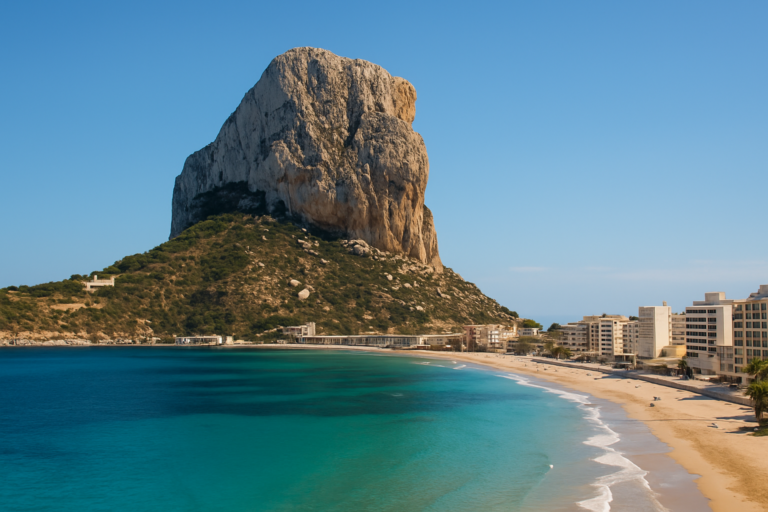
- Calpe (Peñón de Ifach) — Calpe on the Costa Blanca is defined by the Peñón de Ifach (9 km)
- Jávea (Xàbia) — Jávea (Xàbia) on the northern Costa Blanca: coves (12 km)
- Dénia — the hilltop castle, Marina Alta beaches, the ferry to Ibiza (17 km)
- Altea — whitewashed old town, the blue-domed church, pebble beaches (19 km)
- La Nucia — a hilltop town in Alicante's Marina Baixa just 8 km inland (24 km)
Things to see close by
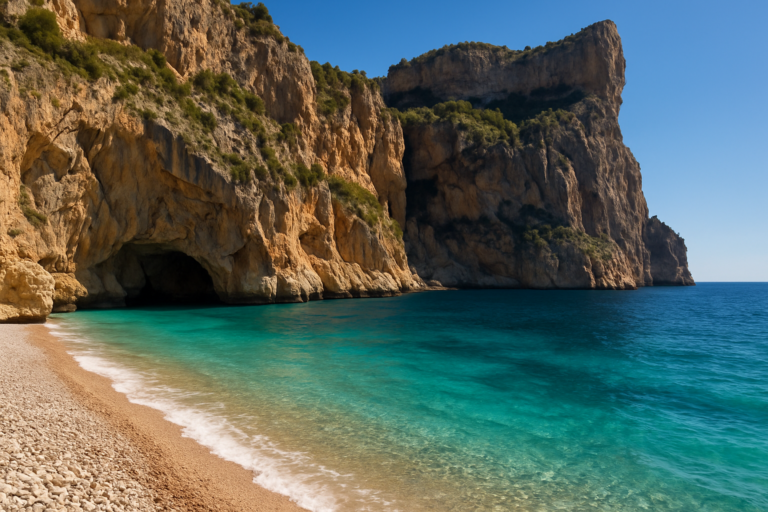
- Cala del Moraig (El Poble Nou de Benitatxell) — A dramatic pebble cove between high cliffs near Benitatxell (4 km)
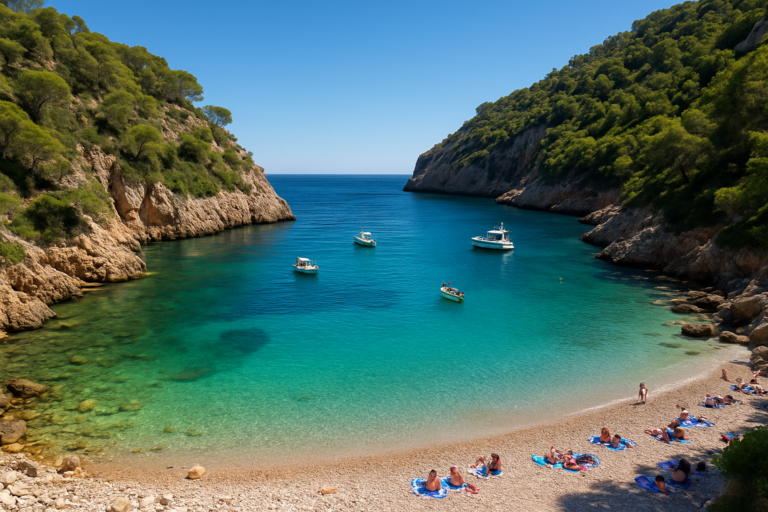
- Cala Granadella (Jávea) — A pine-framed pebble cove south of Jávea with crystal-clear turquoise water (7 km)
- Peñón de Ifach (Calpe) — a 332-metre limestone rock rising from the sea (8 km)
- Cap de la Nau (Cabo de la Nao) — Cap de la Nau is the closest point on the Costa Blanca (10 km)
For the wider picture, see the full Costa Blanca guide.
Frequently asked questions
How do I get from the nearest airports to Moraira?
Most travellers reach the area via the wider Alicante/Valencia transport hubs and continue by road. The locality is situated on the Costa Blanca between Jávea and Calpe, so onward travel by car or bus from regional transport centres is typical.
Is Moraira expensive?
Prices tend to be higher than mass-market Costa Blanca resorts. The area is known for its upmarket character and some of the region’s higher property prices.
Which beach is best for families?
El Portet is the signature family beach: a sheltered, shallow sandy cove about 300 m long with a gentle slope and easy access from the town centre.
How many days should I plan?
A long weekend is sufficient to see the seafront, visit the castle, spend time on the main beaches and do the Cap d’Or walk. A week allows for more relaxed days, local dining and short excursions to neighbouring towns along the Costa Blanca.
Is Moraira suitable for children?
Yes. The sheltered sandy El Portet is well suited to children, and the town’s relaxed pace makes it family-friendly. Short walks and the marina offer easy daytime activities.
Can I get around without a car?
Within the town and between the seafront, marina and El Portet, the area is compact and walkable. For exploring the wider municipality or neighbouring coastal towns, a car provides more flexibility.
Is there parking in town?
There is free parking at the weekly Friday market behind the town hall. Street and public parking serve the seafront and beaches, but spaces can be limited during peak season.
What are rainy-day options?
The town’s attractions are primarily outdoors (beaches, promenade, castle and short walks). On wet days, seek shelter in waterfront restaurants or visit nearby indoor facilities in larger towns on the Costa Blanca; this locality itself is quieter on indoor attractions.
When is the best time to visit for warm weather?
Summer offers the warmest sea and best conditions for swimming. Shoulder seasons bring milder weather and fewer crowds while still allowing outdoor activities.
Are there good walking trails?
Yes. The Cap d’Or peninsula has a coastal trail to the Torre del Cap d’Or and several lookout points; paths pass a protected plant micro-reserve and provide short, scenic hikes.
Is the weekly market worth visiting?
Yes. The Friday market behind the town hall offers local produce and crafts and includes free parking, making it a practical stop for visitors interested in local food and shopping.
Can I eat reliably fresh local fish here?
Yes: many restaurants display the ‘Bahia de Moraira’ quality seal, which guarantees the fish was landed at the local port and market — a good sign if fresh seafood is a priority.
How developed is the resort — will I see high‑rise hotels?
The town has resisted high‑rise development and retains a low-rise, village-like feel rather than towering holiday blocks common in other Costa Blanca resorts.
Are there good snorkelling spots?
Yes. The rocky coves around the town provide accessible snorkelling opportunities with clearer water than some sandy bays.
What towns are nearby for day trips?
The locality is midway between Jávea and Calpe on the Costa Blanca, so either makes a convenient short trip along the coast for additional beaches and options.
Moraira on the map
Places worth knowing near Moraira
How this page is maintained. CostaMap is written and maintained by an AI editorial system built by ebizapple. Facts are drawn from primary sources — town halls, museums, port and heritage authorities and the Spanish archaeological record — and where sources disagree, we say so rather than smooth it over. Photographs marked as ours are taken on location. This page was last reviewed on 11 August 2026. Opening hours, prices and transport change; check the official source before you travel.