
Expect a small working coastal town that feels quietly Spanish rather than a slick package-resort. Colourful seafront facades and a long central beach draw most visitors; beyond that you’ll find a genuine fishing port, an unusually strong chocolate-making identity, and Roman remains tucked into an old-marine landscape. If you want sun, sand and local character without the scale and glitter of nearby Benidorm, this is a sensible day trip or a slower base — but don’t come looking for non-stop nightlife or obvious tourist infrastructure everywhere.
Villajoyosa at a glance
- Also known locally as La Vila; lies about 14 km from Benidorm and 35 km from Alicante along the Costa Blanca.
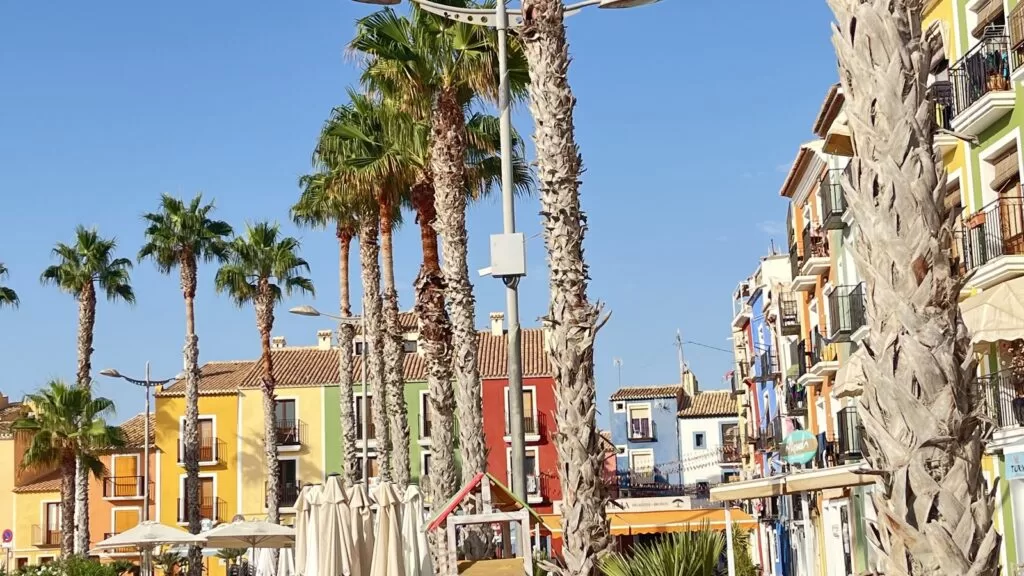
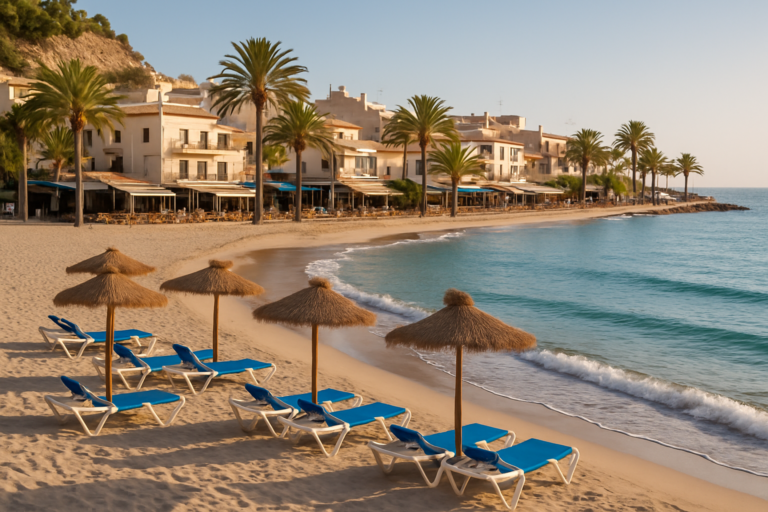
- Main beach (Playa Centro) is a Blue Flag, long golden-sand promenade backed by the town’s painted facades.
- Working fishing port with a daily public fish auction (Lonja) — boats typically return late afternoon, around 16:30.
- Strong chocolate tradition: home to Valor (museum open since 1998) plus Clavileño and Chocolates Pérez, which offer factory tours and tastings.
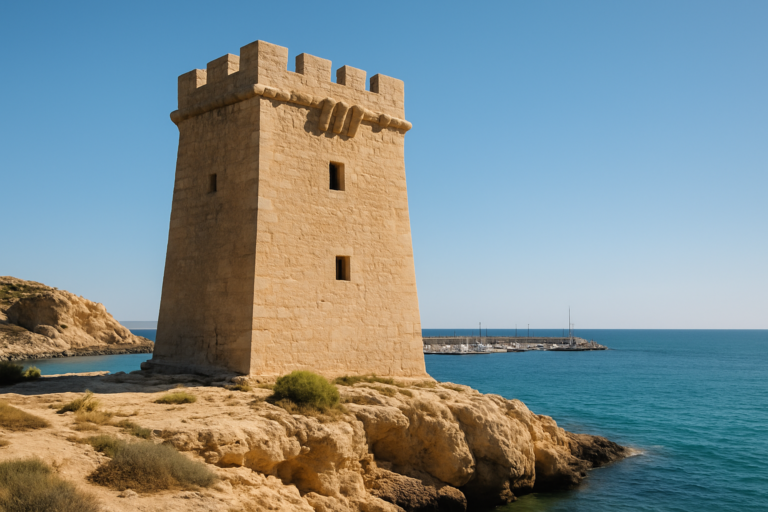
- Roman archaeology: La Malladeta villa and thermal baths; Torre de Sant Josep is a Roman funerary tower.
- Over 15 km of coastline with around nine beaches and rocky coves good for snorkelling, including Raco del Conill to the north.
- Annual Moros y Cristianos festival — the staged Moorish disembarkation on the beach takes place in the last week of July.
Before you plan
There are no verified closures or long-term redevelopments flagged in our source set. Museums and factories named in this guide are active; verify opening times and tour availability in advance, particularly around festival dates or public holidays.
Things to do in the town
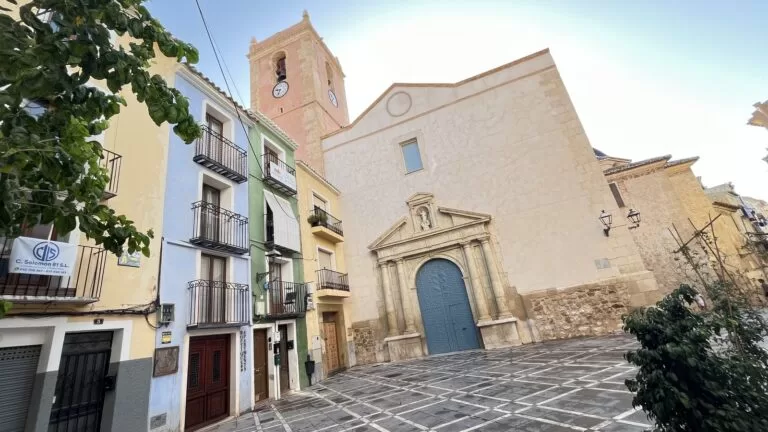
The main draw is a compact mix of seafront scenery, food culture and a modest menu of historical sites. Most visitors combine a shoreline walk past the painted houses with a chocolate-factory visit and a little archaeology; diversions include the fish auction and a few tucked-away coves for snorkelling. Below is a quick comparison of the principal sights to help prioritise a short visit.
| Attraction | What it is | Price/entry | Best for |
|---|---|---|---|
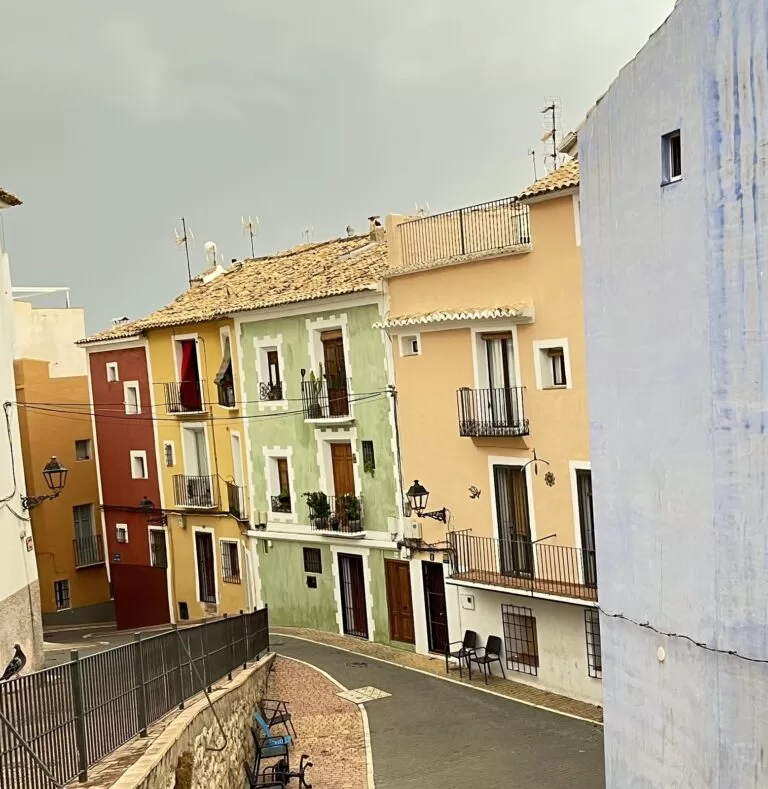
| Painted seafront houses | Rows of brightly coloured fishermen’s façades lining the promenade | — | Photography, short strolls, first-time visitors |
| Playa Centro (main beach) | Long golden-sand Blue Flag beach with palm-lined promenade | — | Beachgoers, families |
| Valor Museo del Chocolate | Museum and factory heritage centre run by Valor; offers tours and tastings | — | Food lovers, families, rainy-day |
| Clavileño & Chocolates Pérez factories | Chocolate makers offering free tours and tastings | Free tours (as reported) | Chocolate enthusiasts, groups |
| La Malladeta & Torre de Sant Josep | Roman villa and thermal-bath remains; Roman funerary tower | — | History buffs, archaeology |
| Fishing port & Lonja (fish auction) | Working maritime quarter with daily public auction | — | Visitors interested in local commerce and fresh fish |
| Raco del Conill and northern coves | Rocky coves good for snorkelling | — | Snorkellers, quiet-bay seekers |
Strolling the painted seafront and old town
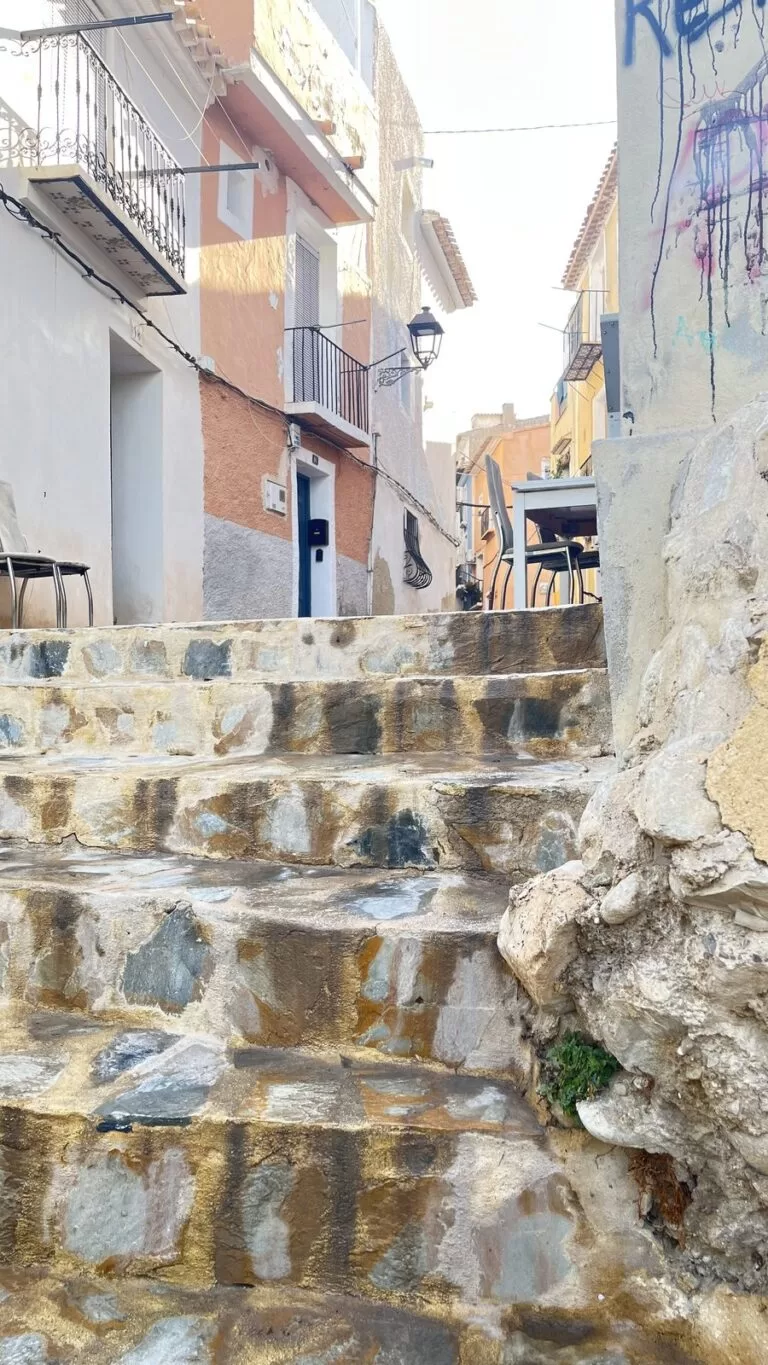
The signature sight is those rows of brightly painted fishermen’s houses facing the sea. People often assume the colours were chosen so crews could spot home from the water; that story is local folklore and is unproven. Alternative explanations include leftover boat paint or practical repainting over generations. Whatever the origin, the palette is the single most photographed element and the main reason many visitors come here. Walk the palm-lined promenade, then thread uphill into the old town for narrow streets and quieter viewpoints over the port.
Chocolate, chocolate, chocolate
This place proudly calls itself Spain’s chocolate town. Valor has operated here for more than 130 years and opened the Museo del Chocolate in 1998; alongside it, Clavileño and Chocolates Pérez maintain a chocolate-making presence and are reported to run free tours and tastings. Even if you skip a formal visit, you’ll encounter chocolate shops and local products in bakeries and grocery shelves — an easy way to pick up edible souvenirs without hunting far.
Roman remains and the town museum
La Malladeta preserves the remains of a Roman villa and thermal baths, while the Torre de Sant Josep is a visible Roman funerary tower. The local museum (Vilamuseu) collects archaeological finds that help explain the area’s ancient habitation. These sites underline that the town’s coastal settlement long predates modern tourism and the fishing-fleet era.
Fishing port life and the Lonja
La Vila still operates one of the Costa Blanca’s busiest fishing fleets. The public fish auction (Lonja) is part of everyday commerce rather than a staged tourist event: boats typically return to dock in the late afternoon, around 16:30, and the auction follows. Watching the boats come in and the port unload can be an engaging short visit for anyone interested in how coastal communities still earn their living.
Best beaches in the area
Coastline variety is a strength: a central Blue Flag beach dominates the town, but you won’t have to go far to find quieter sandy stretches or small rocky coves suitable for snorkelling. The municipality protects over 15 km of coastline and counts roughly nine beaches altogether.
| Beach | Character | Facilities / Blue Flag |
|---|---|---|
| Playa Centro | Long golden-sand beach backed by painted façades and a palm-lined promenade | Blue Flag |
| Raco del Conill | Rocky coves north of the centre, popular for snorkelling | — |
Villajoyosa with kids
Families find plenty to do without having to travel far. The main Blue Flag beach is wide and sandy — a straightforward place for children to paddle and run. Chocolate factory tours are family-friendly highlights: museum and tasting options give kids a memorable sensory experience that doubles as an easy rainy-day activity. Short walks along the promenade or a visit to watch the fishing boats unload are also low-effort activities compatible with strollers and young children.
How to get to the resort and get around
The town sits on the scenic TRAM line that links Alicante and Benidorm, making rail travel a practical option between those larger hubs and this coastal stop. By road it’s about 14 km from Benidorm and 35 km from Alicante, so car journeys are short if you’re driving along the Costa Blanca. Once in town, most main attractions — seafront, old town, and museums — are walkable; the port and beach are close together and easy to reach on foot.
Which tram stop to use
Villajoyosa has four stops on TRAM Line 1 between Alicante-Luceros and Benidorm, which catches people out — getting off at the first one with the town’s name on it is not always right. From the Alicante direction they run: Paradís (out at the Sainvi urbanisation, handy for Paradís beach), La Vila Joiosa and Creueta (both in the built-up centre, and TRAM’s own guidance treats the pair as the access points for the town beaches), then Costera Pastor on the inland edge. If you want the painted houses and Playa Centro, use one of the two central stops.
The line runs roughly every 30 minutes and takes about 72 minutes end to end over its 43 km. At Benidorm you change for Line 9, the diesel service that continues to Altea, Calp, Benissa and Dénia. In July and August the Tramnochador runs through the night on Fridays and Saturdays.
The lift: a 16-metre problem, solved
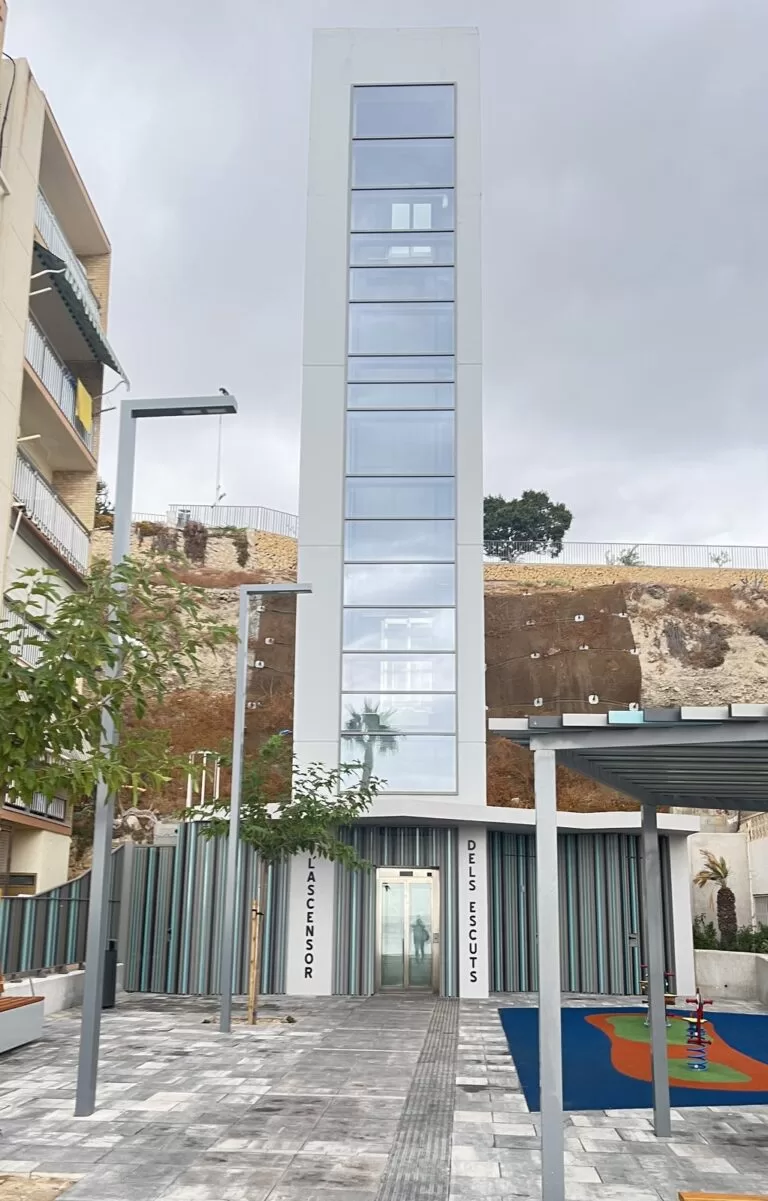
The awkward part of Villajoyosa has always been the height difference between the town centre and the sea. Since 1 April 2026 there has been a public lift, L’Ascensor dels Escuts, connecting Playa Centro with the Barberes Sur district and closing a drop of 16.62 metres. It is free, runs 24 hours a day, and the square at its foot has a playground, shaded seating and cameras.
It is worth knowing about because it is new enough that most guidebooks and older blog posts do not mention it at all. The council’s own figures for the first 71 days give 23,309 trips, a single-day record of 1,018, and 99.9% availability — which tells you both that it works and that in high summer you may queue for it.
Where to stay in Villajoyosa
Accommodation in this compact municipality clusters into a few logical zones. Pick based on what you want to be closest to:
- Seafront and promenade — best for first-timers who want immediate access to the painted façades and Playa Centro.
- Old town — quieter streets and a more local feel; handy for museums and small cafés.
- Port area — practical if you’re interested in fishing life and want proximity to seafood restaurants and the Lonja.
Best time to visit
If you want to see the town at its most atmospheric, plan around the late-July Moros y Cristianos festival: the staged Moorish disembarkation on the beach is the highlight. For milder weather and fewer crowds, shoulder seasons work well; the local climate tends toward dry, clear conditions, which historically reduces fog and keeps visibility good for boat-spotting and coastal walks.
| Season | Months | What to expect |
|---|---|---|
| Summer | July–August | Beach weather and the Moros y Cristianos festival in the last week of July |
| Shoulder seasons | Spring and autumn | Milder conditions, fewer crowds, good for walks and archaeology |
History of the area
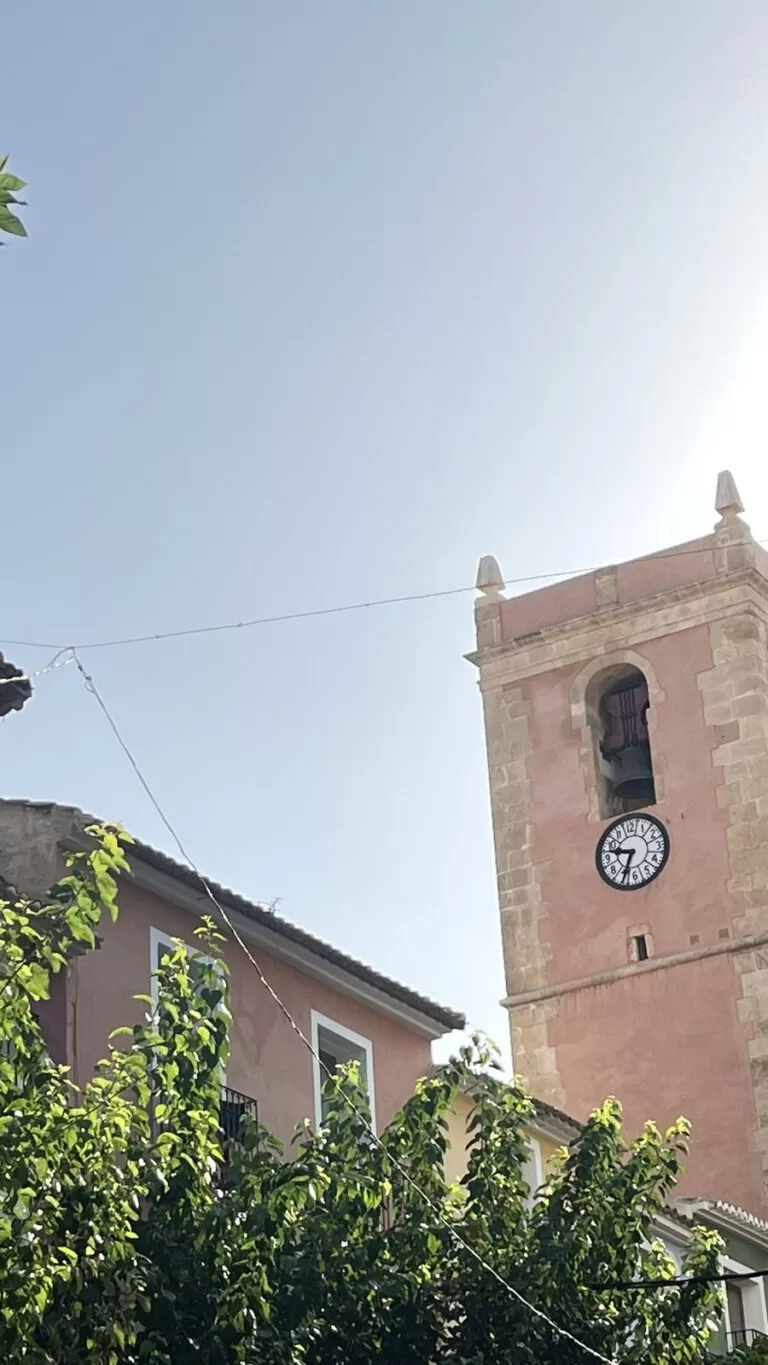
The coastal settlement here has deep roots. Roman occupation left material traces such as a villa and thermal baths at La Malladeta, and a funerary tower at Torre de Sant Josep marks Roman funerary practice in the locality. Over centuries the harbour evolved into a working fishing centre; that maritime continuity helped shape local industry — notably the chocolate trade, which took advantage of cargo arriving via the port and grew into an enduring local specialism.
Practical info
- Transport links: The town sits on the TRAM line between Alicante and Benidorm, offering a scenic rail option along the coast.
- Beaches and coastline: The municipality includes more than 15 km of coastline and around nine beaches, several of them sandy; the main Playa Centro holds a Blue Flag.
- Fishing auction: The Lonja is a working fish market; boats typically return late in the afternoon, around 16:30, and the auction is a public activity tied to the working day.
- Chocolate tours: Valor operates a chocolate museum (Museo del Chocolate Valor), open since 1998; Clavileño and Chocolates Pérez also offer tours and tastings as part of the town’s chocolate heritage.
- Festivals: The Moros y Cristianos festival takes place in the last week of July and includes a staged amphibious landing on the beach commemorating a 1538 attack.
Worth it for: travellers who want a more authentic Costa Blanca experience, beach time without big-resort scale, chocolate and food-focused visits, and short history stops. Less so if: you want large-scale nightlife, endless theme-park-style entertainment, or a resort atmosphere like Benidorm’s skyscraper strip.
How we assess this guide
This guide compiles verified factual claims from local and regional sources. We cross-check details such as archaeological sites, the town’s transport links, the presence of chocolate makers, and festival timing. We flag closures and material status changes when sources indicate them. This article is not based on a single field visit; readers should confirm opening times and tour availability directly before travel.
Nearby on the Costa Blanca
Towns within reach
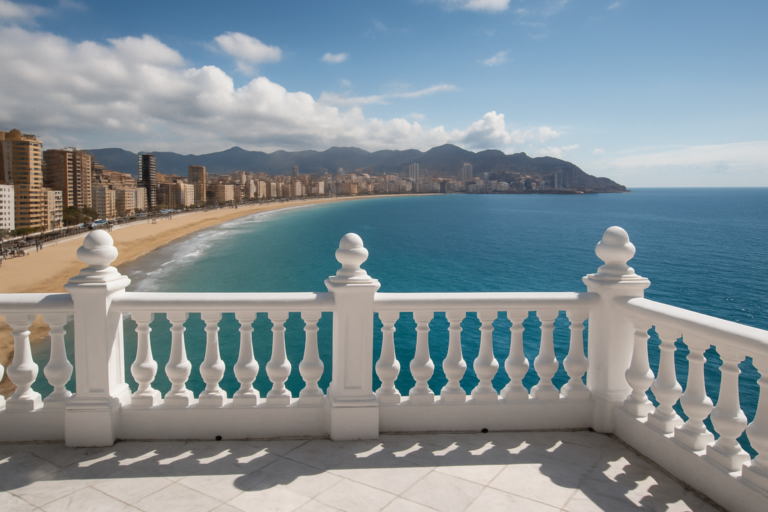
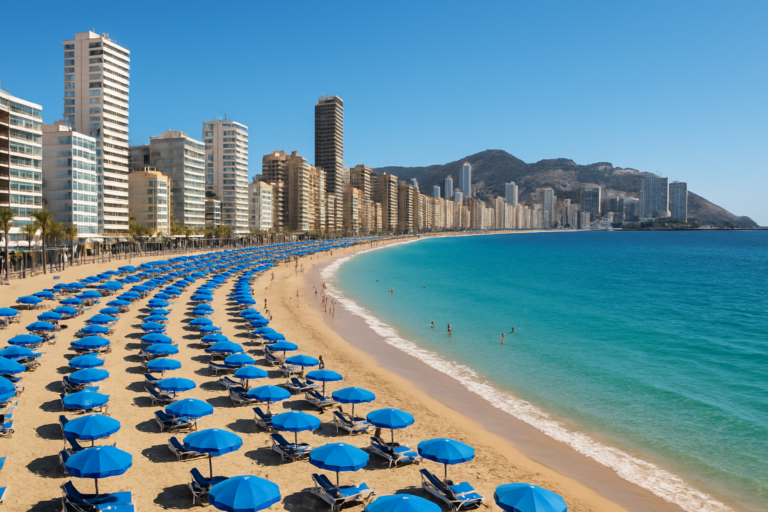
- Benidorm — Levante and Poniente beaches, the high-rise skyline, theme parks (9 km)
- Alfàs del Pi — the Blue Flag beach of El Albir (14 km)
- La Nucia — a hilltop town in Alicante's Marina Baixa just 8 km inland (16 km)
- El Campello — lies just north of Alicante (17 km)
- Altea — whitewashed old town, the blue-domed church, pebble beaches (19 km)
Things to see close by
- Cala de Finestrat — is a relaxed (6 km)
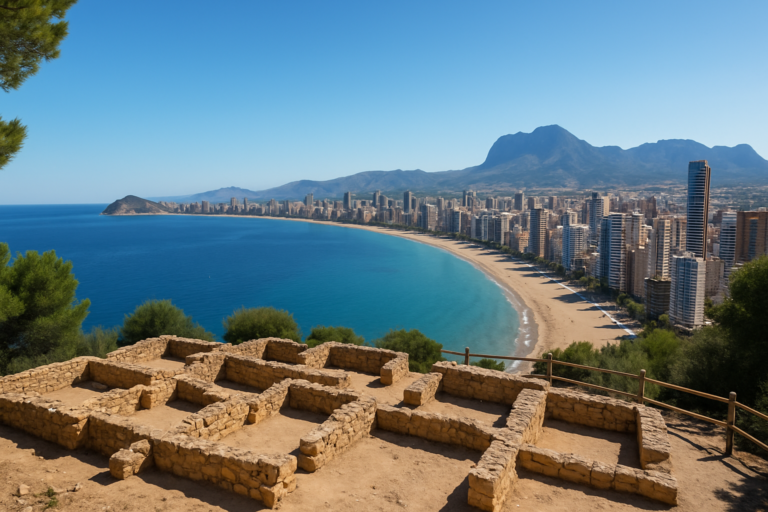
- Tossal de la Cala (Benidorm) — A Roman fort's hilltop remains above Benidorm (7 km)
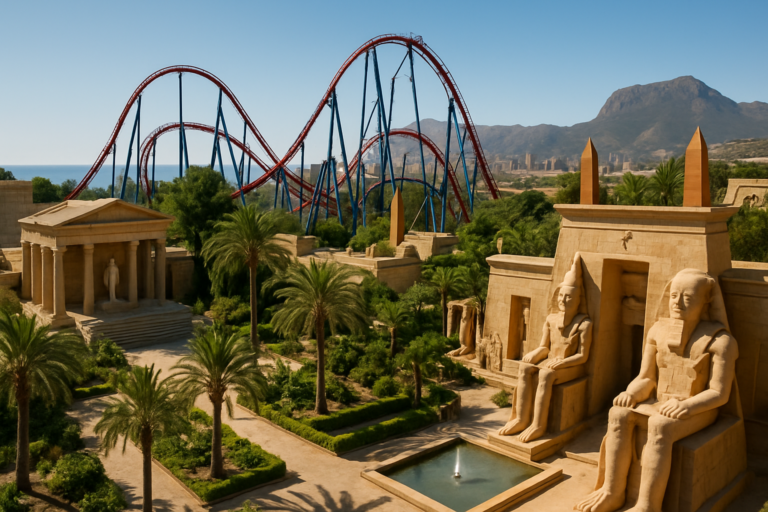
- Terra Mítica (Benidorm) — Benidorm's big theme park, themed around the ancient Mediterranean (9 km)
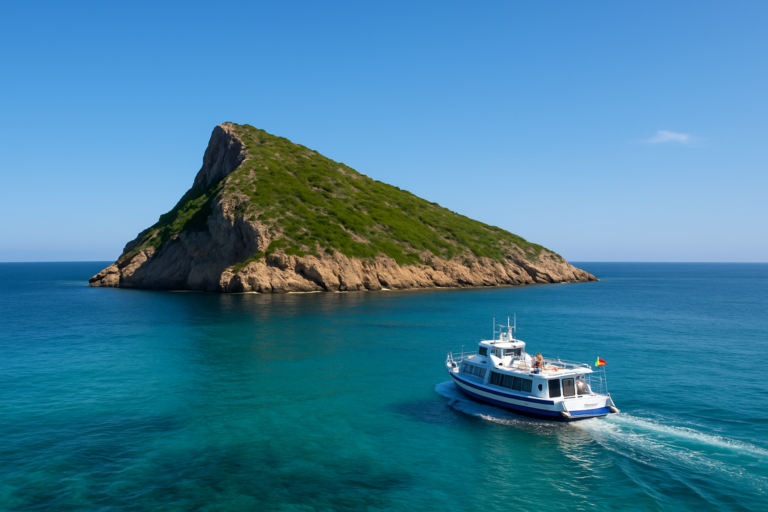
- Benidorm Island (Isla de Benidorm) — A small uninhabited island off Benidorm, reached by a short boat trip (9 km)
For the wider picture, see the full Costa Blanca guide.
Frequently asked questions
How far is Villajoyosa from Benidorm and Alicante?
The town lies roughly 14 km from Benidorm and about 35 km from Alicante along the Costa Blanca.
Is it easy to reach by public transport?
Yes. The resort sits on the TRAM line that runs between Alicante and Benidorm, providing a scenic coastal rail connection to both larger hubs.
Which beach is best for families?
Playa Centro is the main Blue Flag sandy beach in the town and is the most family-friendly option for swimming and promenade access.
When is the Moros y Cristianos festival held?
The festival is staged in the last week of July and is known for a dawn sea landing that re-enacts a historical attack.
Are there chocolate factory tours?
Yes. Valor operates the Museo del Chocolate (open since 1998), and Clavileño and Chocolates Pérez are reported to offer free tours and tastings as part of the town’s chocolate heritage.
Can I watch a real fish auction?
Yes. The town’s Lonja (fish auction) is a functioning market that is open to the public; local fishing boats generally return to port in the late afternoon, around 16:30, before the auction activity.
Is this a good place to snorkel?
There are rocky coves to the north, such as Raco del Conill, that are suitable for snorkelling thanks to clearer water and rocky seabeds.
How many beaches does the municipality have?
The area has over 15 km of coastline and about nine beaches altogether, ranging from long sandy stretches to small rocky bays.
Is the colourful seafront historically practical or purely decorative?
The popular explanation that fishermen painted houses so they could identify them from the sea is folklore and unproven. Other explanations include the use of leftover boat paint and long-standing repainting traditions.
How long should I spend here?
A half-day or full day covers the main highlights: promenade, beach time, a chocolate museum visit, and a short look at Roman sites. Stay longer to relax into the rhythm of the town, enjoy multiple factory tours, or use the town as a quieter base for exploring nearby coastlines.
Is Villajoyosa good for a rainy day?
Yes. The chocolate museum and factory visits provide indoor options, and the Vilamuseu houses archaeological collections that offer cultural shelter from rain.
Is it an expensive destination?
The town has a working fishing-port character and is generally considered less tourist-commercial than major neighbouring resorts; that said, prices vary by season and by venue. Check menus and shop prices locally to compare.
Can I get around the town on foot?
Most main sights — the promenade, central beach, old town, and museums — are within easy walking distance of each other, making the town highly walkable for visitors.
Are there good seafood restaurants near the port?
The active fishing port supports local seafood offerings; restaurants near the harbour benefit from fresh daily supply and a seaside atmosphere.
Are the archaeological sites accessible to visitors?
La Malladeta and Torre de Sant Josep are referenced archaeological points of interest, and the local museum displays finds; check museum opening times for access to exhibits and site information.
Plan the wider trip
Use the town as a quieter counterpoint to Benidorm or as part of a multi-stop Costa Blanca itinerary that combines beaches, archaeology and culinary experiences. Nearby transport links make it straightforward to include in a coastal rail route between Alicante and Benidorm.
Villajoyosa on the map
Places worth knowing near Villajoyosa
How this page is maintained. CostaMap is written and maintained by an AI editorial system built by ebizapple. Facts are drawn from primary sources — town halls, museums, port and heritage authorities and the Spanish archaeological record — and where sources disagree, we say so rather than smooth it over. Photographs marked as ours are taken on location. This page was last reviewed on 11 August 2026. Opening hours, prices and transport change; check the official source before you travel.