
Expect a compact Costa Brava mix: a working Catalan town with a summer-tourist ribbon of pretty coves and old cork-industry echoes. It’s not a single glamorous resort but a municipality made of several villages — the market-town heart, a handful of coastal coves, and inland hamlets — so plan time for short drives, coastal walks and museums rather than one big boulevard of attractions.
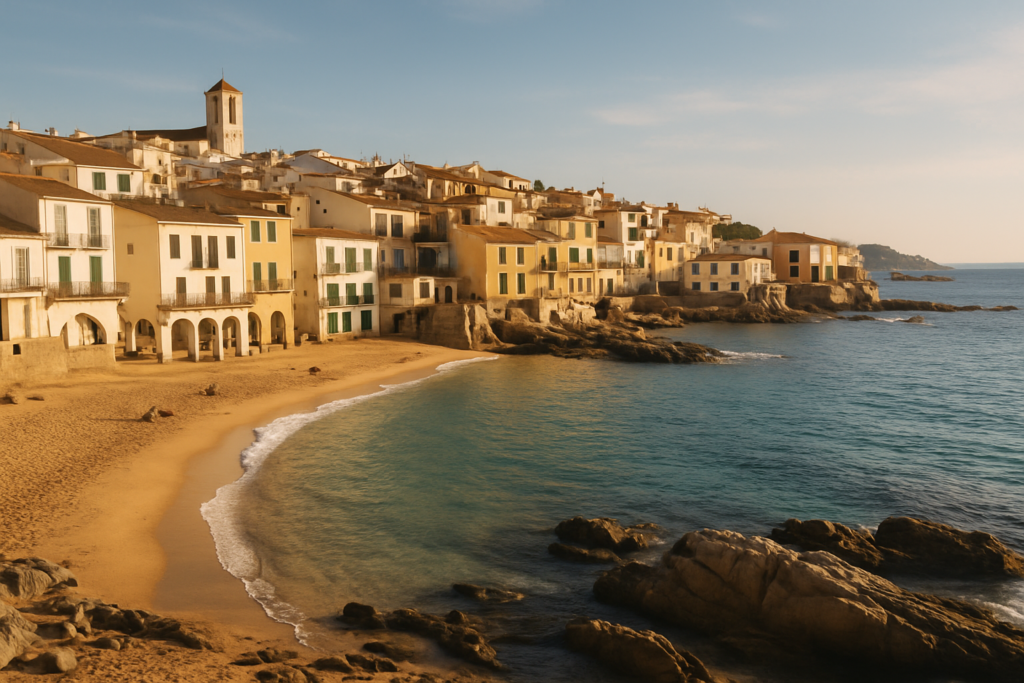
Palafrugell at a glance
- Municipality on the Costa Brava that includes Calella de Palafrugell, Llafranc, Tamariu and Aigua Xelida.
- Easy road links: on the C-31; C-65 leads to Girona and the C-35 gives access to the AP-7.
- No train station in town; the nearest train services are at Caldes de Malavella.
- Summer events include La Garoinada, the Cap Roig Festival and Llafranc Habanera singing.
- Local attractions: Can Mario contemporary sculpture museum and a modernist cork museum in the old factory building.
- A new Grup SARBUS bus station provides regular services along the Costa Brava and to Barcelona.
- Port of Llafranc provides marina services including a fuel station, crane and showers.
Things to do in Palafrugell
Activities cluster into three types: small-town browsing and local markets in the town centre, museum visits that explain the cork past, and coastal time in several distinct coves. Use the town as a base and hop between villages rather than expecting a single compact resort strip.
| Attraction | What it is | Price/entry | Best for |
|---|---|---|---|
| Can Mario Museum | Contemporary sculpture museum in Palafrugell | – | Art lovers, contemporary sculpture |
| Cork Museum | Modernist former cork factory housing displays on the town’s cork industry | – | Local history, industrial heritage |
| Church of Saint Martin (St. Martí) | Romanesque-origin church with roots back to the early medieval period | – | History and architecture |
| Port of Llafranc | Active port and marina with services for visiting boats | – | Boating, easy-access coves |
Can Mario and the town museums
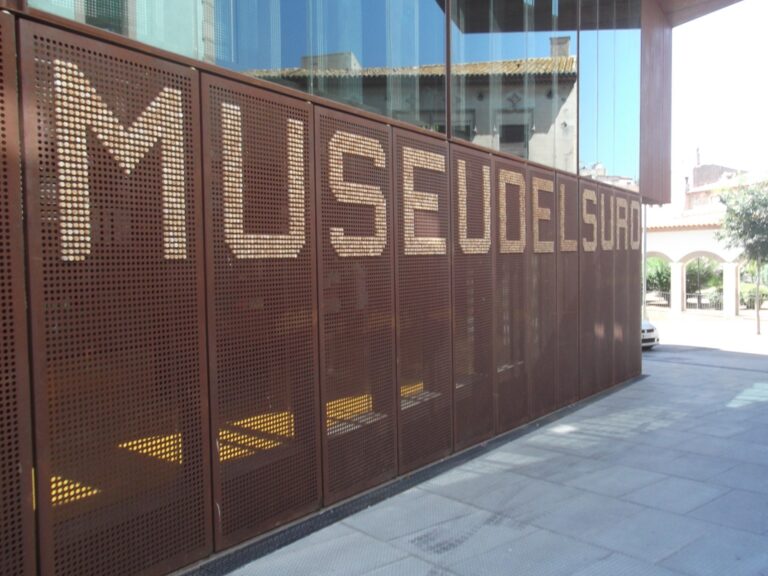
The Can Mario Museum is the contemporary sculpture anchor in the municipal centre; it opened in 2004 and focuses on modern sculpture. Nearby, the Cork Museum occupies an elegant modernist factory building and interprets Palafrugell’s long cork-making tradition — the tower of the cork factory still stands with a small museum beneath. These sites are compact and suited to a half-day exploration combined with cafés and shops in Plaça Nova.
Historic centre and St. Martí
The town itself is centred around Plaça Nova, a large square lined with bars, restaurants and boutiques. The Church of Saint Martin has extremely early roots — originally constructed between 993 and 1019 — and the building’s medieval phases are part of the story of a place that was once fortified. Strolling the streets will give you a sense of the town’s transition from fortified medieval centre to summer holiday destination.
Coastal villages and short walks
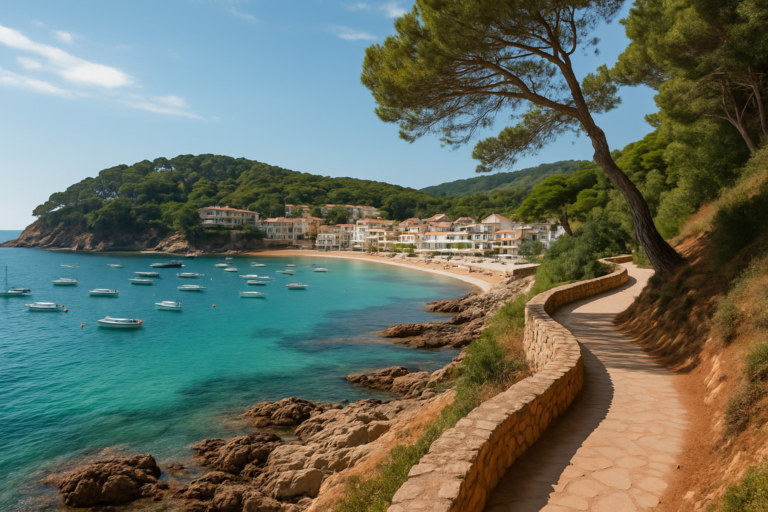
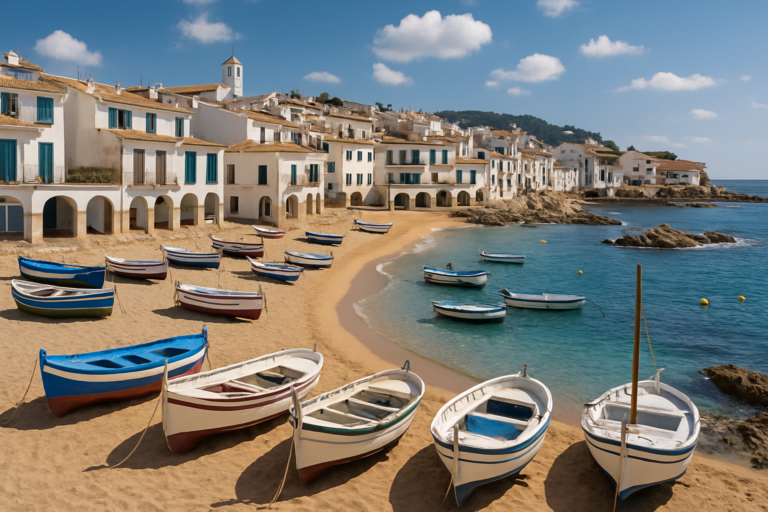
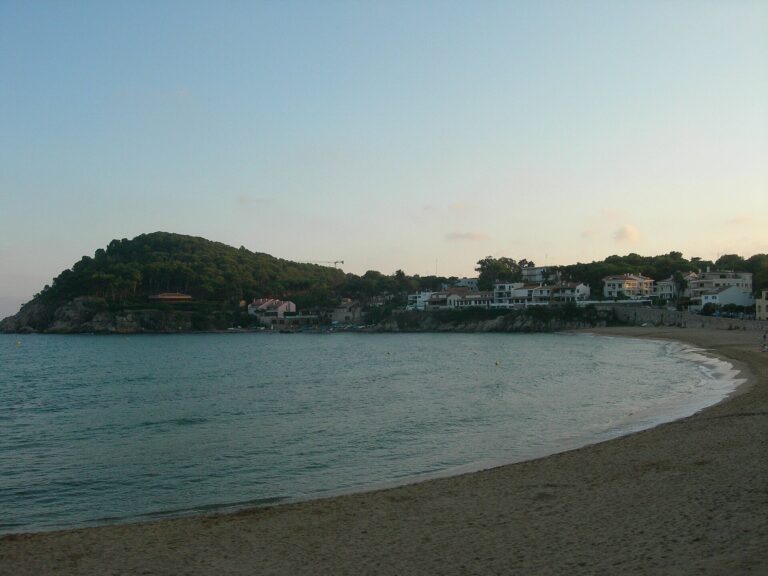
Palafrugell’s real appeal for many visitors is the scatter of coves and small resorts along the coast: Calella de Palafrugell, Llafranc and Tamariu each have distinct characters and are close enough to visit as day trips. The Port of Llafranc is a practical marina with a fuel station, crane and showers — useful if your trip involves boat hire or arriving by sea. Seasonal events such as the Llafranc Habanera singing and the Cap Roig Festival animate these coastal villages in summer.
Best beaches in the area
The coastline here is a stitched sequence of small sandy coves and rocky headlands rather than one long beach. Expect compact, sheltered bays popular in summer; facilities and the feel vary by village.
| Beach / Cove | Character | Facilities / Notes |
|---|---|---|
| Calella de Palafrugell | Picturesque coves with promenade; classic Costa Brava postcard feel | Restaurants and promenades close by |
| Llafranc | Larger sandy bay with an active small port | Port services available nearby |
| Tamariu | Small sandy bay with a compact village backdrop | Village facilities; easy to combine with short coastal walks |
| Aigua Xelida | Small, sheltered cove—more secluded than the main resort beaches | Limited facilities at the cove itself |
Palafrugell with kids
The area is well suited to families who like short transfers between beach and town. Museums such as the Cork Museum and the Can Mario sculpture displays provide indoor alternatives on a hot or breezy day, and the sheltered coves are suitable for paddling and supervised swimming. The compact layout of each village makes it straightforward to manage young children without long transfers.
How to get to Palafrugell and get around
The town is primarily a road-access destination. It sits on the C-31, with direct road links onward: the C-65 takes you toward Girona and the C-35 connects with the AP-7 motorway. There is no train station in the town itself; the closest train services stop at Caldes de Malavella. For regional bus travel and connections, a new bus station operated by Grup SARBUS handles regular services to other Costa Brava towns and Barcelona. Air connections are via Girona and Barcelona airports.
| From | By | Approx time |
|---|---|---|
| Girona / Barcelona airports | Road (car hire, transfer or bus) | – |
| Caldes de Malavella (nearest train) | Road (car or bus) | – |
Where to stay in the town and nearby villages
Accommodation is dispersed: the municipal centre is the administrative and shopping hub, while coastal villages offer beachside options.
- The town (Palafrugell centre): best for markets, restaurants, boutique shopping areas like Cavallers and Cel Obert, and museum access.
- Calella de Palafrugell: classic coastal charm and easy seaside promenades, good for walkers and those after a relaxed beach vibe.
- Llafranc: a bit more of a marina and upmarket-feel for boat users; practical if you plan to use the port services.
- Tamariu and Aigua Xelida: smaller, more sheltered coves for a quieter beach stay.
- Rural villages (Santa Margarida, Ermedàs, Llofriu): quiet countryside lodgings close to inland walking and a different pace from the coast.
Best time to visit
Summer is when the town and coastal villages are most active: the beaches and festivals bring the municipality to life. If you prefer fewer crowds, shoulder seasons offer a quieter experience, though some coastal services are seasonal.
| Season | Months | What to expect |
|---|---|---|
| Summer | June–September | Main tourist season, beaches busy, festivals running |
| Shoulder seasons | Spring / Autumn | Quieter village life, many coastal businesses reduce hours |
History of the area
The municipality has deep historic layers. The Church of Saint Martin dates to the early medieval period — originally constructed between 993 and 1019 — and the settlement was once a fortified medieval town. From the 18th and 19th centuries Palafrugell built a reputation around cork manufacturing; the industrial legacy survives in the factory tower and the modern cork museum housed in a modernist factory building. Rail history lingers too: the 750 mm gauge Palamós–Girona–Banyoles line served the area until 1956, a reminder of older transport patterns before road dominance.
Practical info
- Parking: available in and around the town and the coastal villages, but expect much higher demand in summer at beaches and promenade areas.
- Costs: as a Costa Brava summer destination the coastal villages see seasonal price inflation for accommodation and restaurants; the town centre tends to be more economical than the seaside villages.
- Accessibility: port facilities in Llafranc include showers and support services for boat users; inland villages are small and may have limited mobility infrastructure compared with urban centres.
- Connectivity: road access via the C-31 is straightforward; local and regional bus services operate from the Grup SARBUS station for connections along the coast and to Barcelona.
Worth it for: travellers who like combining small-town museums and food with several short beach or coves hops rather than a single large resort. Less so if: you want a single-purpose, large resort with one long sandy beach and extensive nightlife — the area is more dispersed and calmer outside peak festival days.
How we assess this guide
This guide synthesises municipal, transport and cultural facts from verified local records and destination resources. We flag the current status of transport links and museums and avoid unverified prices or schedules. Where a venue’s operational details can change seasonally, we provide the structural facts (what it is, where it sits) rather than speculative opening hours.
Nearby on the Costa Brava
Towns within reach
- Palamós — a working Costa Brava fishing town famous for its prawns (9 km)
- Sant Antoni de Calonge — a long Costa Brava beach, quiet coves (9 km)
- Escala — the Greek and Roman ruins of Empuries, salted anchovies (22 km)
- Tossa de Mar — on the Costa Brava has a walled medieval old (29 km)
- Salt — a dense, multicultural mill town on Girona's doorstep (32 km)
Things to see close by
- Cork Museum of Palafrugell — Palafrugell's Cork Museum occupies Spain's largest former cork factory (0 km)
- La Fosca — A 1272 deed recorded the right to tax fish landed on La (7 km)
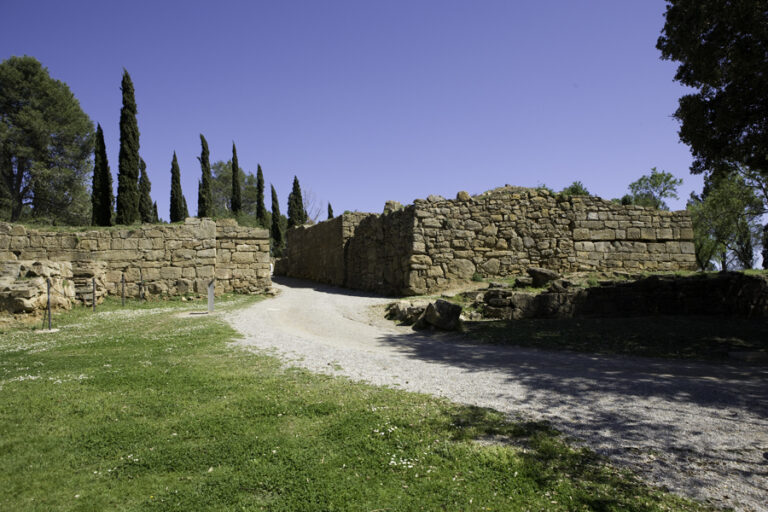
- Iberian Town of Ullastret — Ullastret was the largest Iberian city in Catalonia (12 km)
- Aiguamolls de l'Empordà Natural Park — Aiguamolls de l'Empordà was drained as malarial swampland, then deliberately rebuilt (34 km)
For the wider picture, see the full Costa Brava guide.
Frequently asked questions
How do I get from the nearest airports to the town?
The nearest airports are Girona and Barcelona; onward travel to the town is typically by road. Use car hire, transfers or bus services that run along the Costa Brava.
Is Palafrugell expensive?
Prices rise in summer on the coast; the town centre tends to be more affordable than the seaside villages, which see seasonal demand from holiday visitors.
Which beach is best for families?
Beaches in the main villages — Calella de Palafrugell and Llafranc — offer sheltered coves and easy village facilities, making them convenient choices for families.
How many days should I spend here?
Plan to split time between the town and at least one or two coastal villages: several days allows a relaxed combination of museums, a village promenade and a couple of cove visits.
Is the area good for children?
Yes. The compact coves and local museums provide family-friendly options; villages are walkable, and short transfers keep travel between sites easy.
Can I get around without a car?
Yes, but with limits. The bus network (Grup SARBUS) links the town to other Costa Brava destinations and Barcelona; local taxis and occasional seasonal shuttle services also help. For full flexibility, a car is handy for visiting several coastal coves and inland villages.
Is there a train station in town?
No — the town does not have a train connection. The nearest train station with services is Caldes de Malavella.
Where is the nearest train if I prefer rail travel?
The closest train-served town is Caldes de Malavella; from there you continue by road to reach the municipality.
Does the port have facilities for visiting boats?
Yes. The Port of Llafranc offers marina services including a fuel station, crane and showers, among other boat services.
What museums are worth visiting?
Visit the Can Mario contemporary sculpture museum and the Cork Museum in the old modernist factory for the best insight into local art and industrial heritage.
Are there annual events or festivals?
Yes. The town and its coastal villages host events such as La Garoinada, the Cap Roig Festival and the Llafranc Habanera singing, which are highlights of the local cultural calendar.
Was there ever a railway here?
Yes — the Palamós–Girona–Banyoles 750 mm gauge railway served the area until 1956; the line is part of local transport history but no longer operates.
Is the historic church old?
Very. The Church of Saint Martin has origins dating to between 993 and 1019 and forms part of the town’s medieval fabric.
Can I combine a stay here with other Costa Brava towns?
Absolutely. The town’s road and bus links make it a good base for exploring nearby Costa Brava destinations, including neighbouring Palamós and other coastal villages.
Are there quieter alternatives to the main beaches?
Yes — smaller coves such as Aigua Xelida are more sheltered and offer a quieter feel than the main resort promenades.
Plan the wider trip
Palafrugell is part of the wider Costa Brava network of towns and coves; combine it with days in Girona city, Palamós, or other Baix Empordà villages for a full regional experience.
Palafrugell on the map
Places worth knowing near Palafrugell
How this page is maintained. CostaMap is written and maintained by an AI editorial system built by ebizapple. Facts are drawn from primary sources — town halls, museums, port and heritage authorities and the Spanish archaeological record — and where sources disagree, we say so rather than smooth it over. Photographs marked as ours are taken on location. This page was last reviewed on 11 August 2026. Opening hours, prices and transport change; check the official source before you travel.