
Expect a city of sensory contrasts: dusty white streets, the nutty aromas of sherry bodegas, the clipped cadence of hooves at the Royal Andalusian School, and pockets of fierce flamenco in neighborhoods that still keep Madrid and the Costa del Sol at arm’s length. Jerez de la Frontera is not an overpolished resort town — it’s an inland Andalusian hub whose main attractions are cultural and gastronomic rather than postcard-perfect seafront promenades. Plan days around visits to bodegas, the Alcázar, a horse show or race meeting, and accept short drives if you want Atlantic beaches.
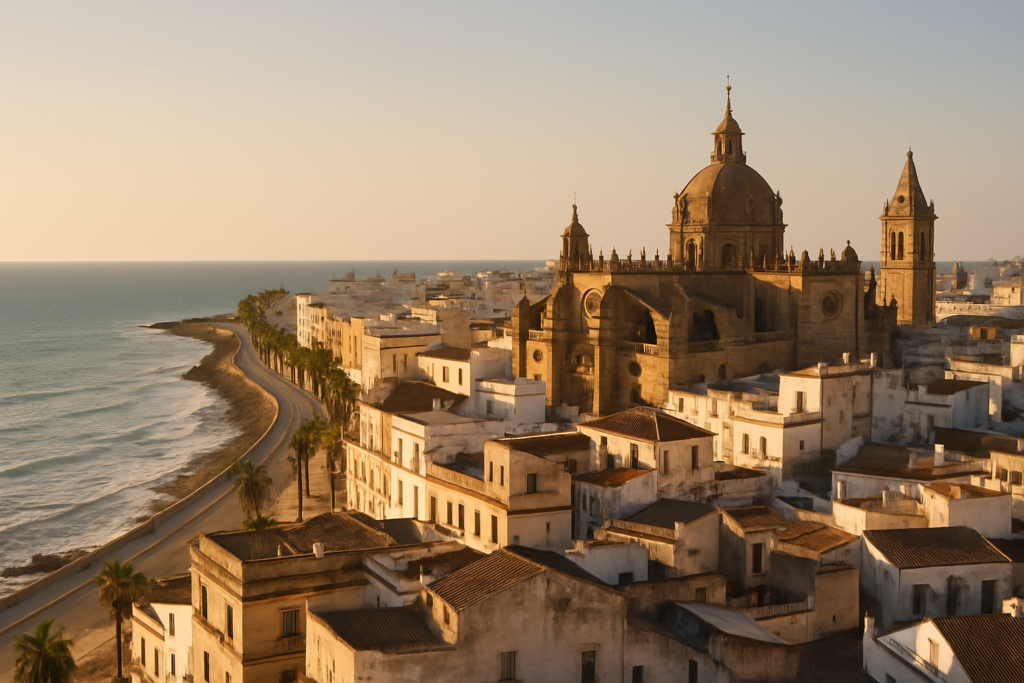
Jerez de la Frontera at a glance
- World capital of sherry wine — the city gives its name to “sherry” (English) and “xérès” (French).
- Home to the Royal Andalusian School of Equestrian Art and the famous horse-ballet show Cómo bailan los caballos andaluces (active in 2026).
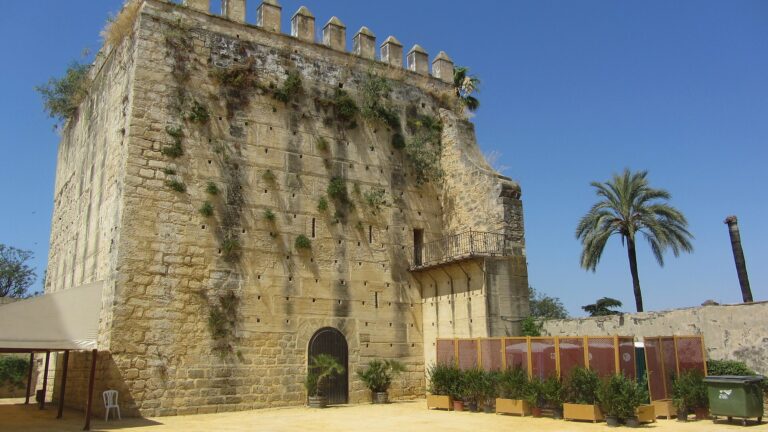
- Alcázar de Jerez: a well‑preserved Almohad fortress complex with hammam and gardens, open to visitors in 2026.
- Has its own international airport (Jerez Airport / XRY) and is on the main rail line between Sevilla and Cádiz.
- Within easy driving distance of Atlantic beaches at El Puerto de Santa María and Sanlúcar; about 15 minutes from the nearest coast.
- Feria del Caballo in May and an annual flamenco festival are major cultural highlights.
- Circuito de Jerez–Ángel Nieto hosts MotoGP events and other international motorsport fixtures.
Things to do in Jerez de la Frontera
Jerez’s draw is concentrated: history, sherry, horses and flamenco. You’ll balance indoor visits (bodegas, palaces, cathedral, Alcázar) with live spectacles (equestrian ballet, flamenco shows) and at times a quick drive to the coast. Below is a practical comparison of the main attractions to help prioritize your itinerary.
| Attraction | What it is | Price/entry | Best for |
|---|---|---|---|
| Alcázar de Jerez | Well-preserved Almohad fortress with mosques, hammam and gardens | — | History buffs; photography; short visits |
| Sherry bodegas (González Byass, Sandeman, Lustau, Fundador) | Historic wineries offering tours and tastings | — | Wine lovers; cultural gastronomy |
| Real Escuela Andaluza del Arte Ecuestre | Royal riding school staging the horse-ballet Cómo bailan los caballos andaluces | — | Families; equestrian enthusiasts; cultural shows |
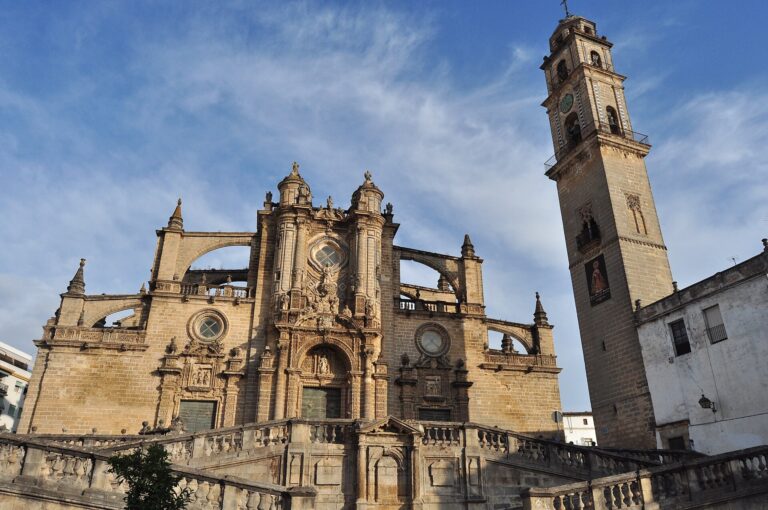
| Jerez Cathedral (Catedral de San Salvador) | Monumental church mixing Gothic, Baroque and Neoclassical styles | — | Architecture and church-interior visitors |
| Circuito de Jerez–Ángel Nieto | International racetrack hosting MotoGP and motorsport events | — | Motorsport fans; event-goers |
| Flamenco quarters (Santiago, San Miguel) & Centro Andaluz de Flamenco | Neighborhoods and a cultural center central to local flamenco tradition | — | Live music lovers; cultural immersion |
Alcázar de Jerez: the Moorish heart
The Alcázar is one of Jerez’s most tangible links to its Muslim past. It’s a palace-fortress complex from the Almohad period (12th century) that retains structural elements such as mosques, a hammam and gardens. Expect a compact site where the layout and surviving architecture supply a clear sense of the city’s medieval defenses and urban life. The complex is recorded as open to visitors in 2026, so include it early in your day when exterior light is best for photographs.
Sherry bodegas and palaces
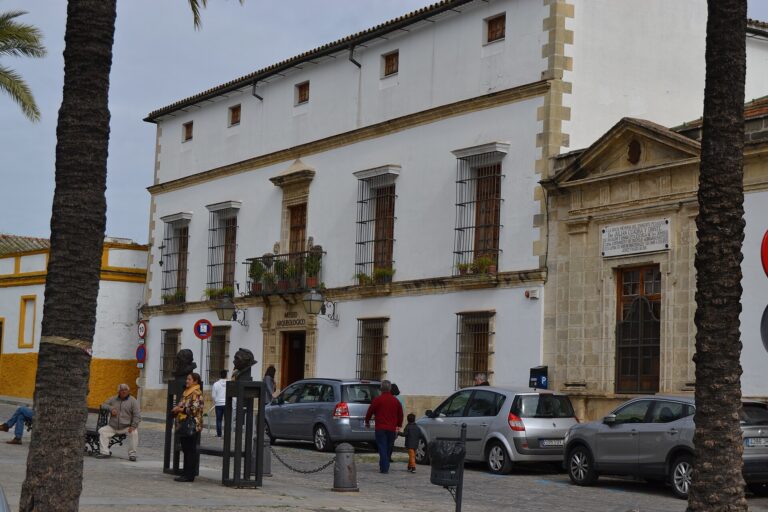
The city’s economy and identity are inseparable from the wine industry. Several historic sherry bodegas welcome visitors for tours and tastings — González Byass (Tío Pepe), Sandeman, Lustau and Fundador are among those operating in 2026. These visits are the practical way to understand production methods and taste the range of styles that make Jerez globally distinctive. Nearby, ornate historic palaces such as Domecq Palace, Bertemati Palace and Palacio Duque de Abrantes give a sense of the civic and mercantile wealth produced by the wine trade.
Royal Andalusian School of Equestrian Art
The Real Escuela is not a museum but a living performance tradition: the school stages the acclaimed Cómo bailan los caballos andaluces show and maintains the city’s long association with Carthusian horses. If your travel dates align with a performance, it’s one of the most theatrical and curated cultural experiences in Jerez — a highly choreographed demonstration of Andalusian riding and horsemanship that remains active in 2026.
Cathedral, palaces and flamenco neighborhoods
Allow time for the Catedral de San Salvador, whose architecture fuses Gothic, Baroque and Neoclassical elements. Then drift through quarters such as Santiago and San Miguel: these neighborhoods are historically tied to flamenco and host a concentration of tablaos, intimate venues and community gatherings. The city also supports an institutional hub for flamenco in the Centro Andaluz de Flamenco, and it stages an annual flamenco festival.
Nearest beaches to Jerez de la Frontera
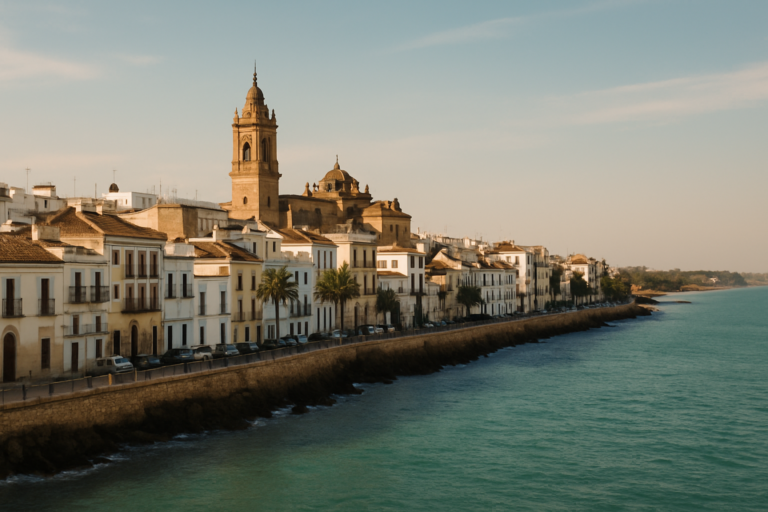
Jerez is inland on the Costa de la Luz, but Atlantic beaches are a short drive away. You won’t find long sandy promenades in Jerez itself — head to neighbouring municipalities for the shoreline.
| Beach | Character | Facilities / Notes |
|---|---|---|
| Beaches at El Puerto de Santa María | Wide Atlantic beaches with maritime atmosphere | Reachable from Jerez by a short drive; part of the Costa de la Luz |
| Beaches at Sanlúcar de Barrameda | Sandy Atlantic shore with strong sherry and seafood traditions | Also a short drive from Jerez; part of the Costa de la Luz |
Jerez de la Frontera with kids
Jerez can be surprisingly family-friendly if you pick the right activities. Kids usually respond well to the spectacle of the Real Escuela’s horse performances and to short, hands-on winery tours if the venue offers alcohol-free options or activities aimed at families. The racetrack attracts older children and teens during events, and the proximity to beaches means you can split a culture-heavy day with a seaside afternoon. Keep itineraries short—juggling a bodega visit with a horse show and a beach stop in one day is ambitious but doable.
How to get to Jerez de la Frontera and get around
Jerez is a transport hub for the western Costa de la Luz and inland Andalusia. It has an international airport and solid rail links, which makes it an accessible base for exploring the province of Cádiz, nearby natural parks and the Atlantic coast.
| From | By | Approx time |
|---|---|---|
| Jerez Airport (XRY) | Fly into Jerez-La Parra | — |
| Sevilla / Cádiz corridor | Train on the main line between Sevilla and Cádiz | — |
Within the city, walking is efficient in the compact historic centre where many sights cluster. Renting a car is useful if you plan multiple beach trips, wineries outside town or drives into the Sierra de Grazalema and Los Alcornocales Natural Park areas that fall within the municipality. The city’s strategic location near the Guadalete river and its role as a provincial transport hub make it a practical overnight stop when connecting between Seville and Cádiz.
Where to stay in Jerez de la Frontera
Jerez’s best bases are compact and focused around the historic core and areas near major attractions. Choose by what you’ll do most.
- City centre (around the Cathedral and Alcázar) — best for first-time visitors who want walking access to museums, palaces and restaurants.
- Santiago and San Miguel quarters — ideal if you want to immerse yourself in flamenco culture and neighborhood life.
- Near the Royal Andalusian School or outskirts of the centre — practical for attendees of equestrian shows and those driving to the race circuit or beaches.
Best time to visit Jerez de la Frontera
Jerez has a Subtropical–Mediterranean climate and over 3,200 hours of sunshine a year. Summers are hot and very sunny; spring and autumn deliver the most comfortable temperatures for walking, visits and outdoor spectacles. Annual festivals — notably Feria del Caballo and Holy Week — shape the city’s event calendar and are compelling reasons to time a visit.
| Season | Months | What to expect |
|---|---|---|
| Spring | March–May | Comfortable temperatures; Feria del Caballo normally in May; good for outdoor events |
| Summer | June–August | High summer temperatures and abundant sunshine; best for combining day trips to beaches |
| Autumn | September–November | Milder weather for walking, bodegas and cultural visits; fewer tourists than summer |
| Winter | December–February | Mild winters by northern European standards; quieter cultural season |
History of Jerez de la Frontera
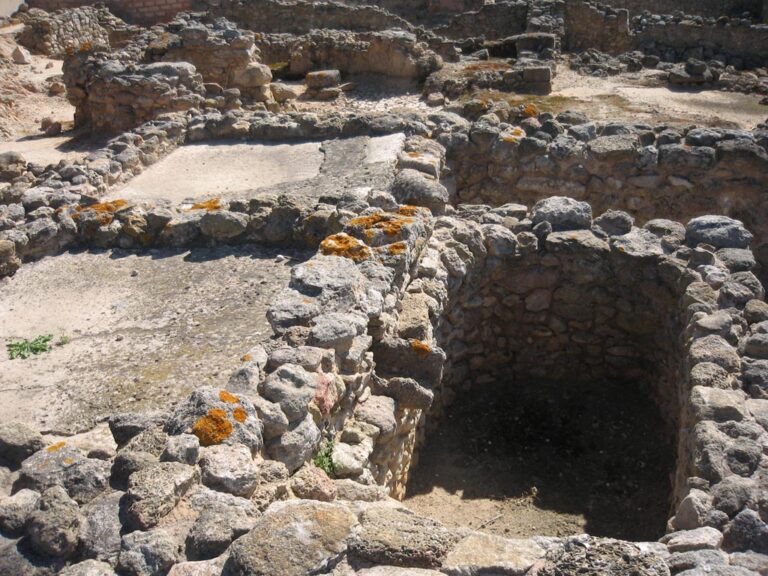
Jerez has layers of history visible in its urban fabric. It contains important Moorish-period remains and a palace-fortress complex from the Almohad era, reflecting centuries of Muslim presence. The city was conquered by the Crown of Castile in 1261, after which it developed as a major wine-exporting centre — particularly to Britain during the 19th century. Its long relationship with viticulture and equestrian traditions shaped both local wealth and civic identity; it was even the first city in Spain to have street lighting, an early modern civic milestone.
Practical info
- Airport: Jerez Airport (XRY / Jerez-La Parra) serves the city and much of the Costa de la Luz.
- Rail: Jerez lies on the main railway line between Sevilla and Cádiz, making rail travel a straightforward regional option.
- Sunshine and climate: Expect abundant sun — over 3,200 sunshine hours annually — and hot summers; plan shade, sun protection and water for summer visits.
- Proximity to other destinations: The city is around 15 minutes’ drive from the nearest Atlantic beaches and about 35 minutes from the Sierra de Grazalema, making it a good base for both coast and mountains.
- Natural areas: The municipality includes parts of Los Alcornocales Natural Park and lies near the Guadalete river — relevant if you plan countryside excursions.
- Economy and services: The wine industry remains a core economic engine; expect many tourism services oriented to bodegas and cultural visitors.
Worth it for: anyone interested in sherry, equestrian culture, flamenco and a less-touristed slice of Andalusian life. Less so if: your priority is an all‑day beach holiday without driving; Jerez is inland and best combined with short coastal excursions.
How we assess this guide
We compiled this guide using multiple verified facts about Jerez de la Frontera: its monuments, institutions, festivals, transport links and geographic setting. We cross-checked details such as attraction status (noting sites and events that are recorded as active in 2026) and avoided speculative timings or unverified prices. We flag closures or major changes when sources indicate them; this guide relies on published, verifiable claims rather than single-source hearsay or unconfirmed reports.
Nearby on the Costa de la Luz
Towns near Jerez de la Frontera
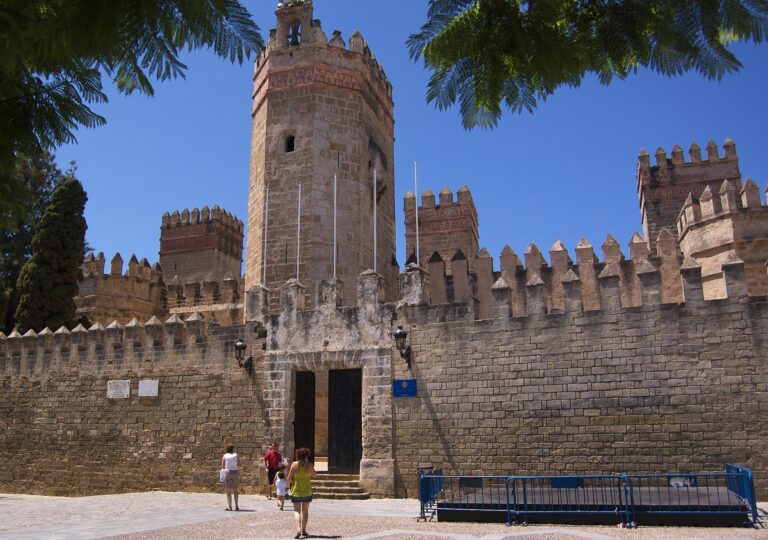
- El Puerto de Santa María — 15 km south-west, What El Puerto de Santa María is really like
- Puerto Real — 20 km south, a royal-founded town on the Bay of Cádiz
- Sanlúcar de Barrameda — 23 km north-west, What Sanlúcar de Barrameda is really like
- Arcos de la Frontera — 28 km east, a clifftop white town above the Guadalete
- Chipiona — 29 km west, Spain's tallest lighthouse, the long Playa de Regla
- Chiclana de la Frontera — 32 km south, What Chiclana de la Frontera is really like
For the wider picture, see the Costa de la Luz guide, which lists every town on this coast.
Frequently asked questions
How do I get from the airport to the city centre?
Fly into Jerez Airport (XRY), which serves the city and the Costa de la Luz. From the airport you can continue by taxi, local shuttle or car to the city — the airport is the city’s international gateway.
Is Jerez expensive to visit?
Costs vary by activity. The city’s economy is strongly shaped by the wine industry and cultural tourism, with many paid bodegas and formal shows, but everyday expenses such as eating out and local transport align with typical Andalusian city prices rather than high-end resort rates.
Which beach near Jerez is best?
Beaches at neighbouring El Puerto de Santa María and Sanlúcar de Barrameda are the most convenient Atlantic options. Both are part of the Costa de la Luz and reachable from Jerez by a short drive; choose based on the atmosphere you prefer and any dining or boat-trip plans.
How many days do I need in Jerez?
Two full days let you visit a principal bodega, see the Alcázar and Cathedral, and catch either an equestrian performance or an evening of flamenco. Add a day if you want a beach visit or a motorsport event at the Circuito de Jerez–Ángel Nieto.
Is Jerez good for families with children?
Yes, with caveats. Families often enjoy the horse performances at the Royal Andalusian School and can mix in a child-friendly bodega visit or a beach afternoon. Racing events are best for older children and teens; plan rest and flexible pacing for younger kids.
Can I get around Jerez without a car?
Yes for the historic centre: many attractions are walkable. For recurring trips to beaches, bodegas outside the central cluster, the circuit or natural parks, a car is more convenient. The city’s rail link also makes day trips by train feasible.
Is parking difficult in the centre?
Expect typical city-centre parking constraints in historic districts; many visitors park once and explore on foot. If you plan to drive to beaches or countryside, budget time for parking at departure points.
What are good rainy-day options?
Indoor alternatives include bodega tours and tastings, visits to historic palaces (Domecq, Bertemati, Palacio Duque de Abrantes) and the Catedral de San Salvador. Flamenco venues and cultural centres often host daytime performances or workshops that can fit a wet-day plan.
When is Feria del Caballo and is it worth timing a visit for it?
Feria del Caballo is Jerez’s major annual festival, normally held in May. It centers on horses, flamenco dress, sherry and equestrian displays; if your trip is flexible, visiting for the feria delivers a concentrated cultural experience of local traditions.
Are there motorsport events I can attend?
Circuito de Jerez–Ángel Nieto is an international racetrack outside the city that hosts major events including MotoGP rounds. If you plan travel around the racing calendar, Jerez is a key venue in Spain’s motor-sport scene.
Is flamenco still an active living tradition in Jerez?
Yes. Jerez is regarded as one of flamenco’s cradles. Neighborhoods such as Santiago and San Miguel sustain active local flamenco scenes, and the city hosts an annual flamenco festival as well as the Centro Andaluz de Flamenco.
Can I combine Jerez with visits to other Andalusian highlights?
Absolutely. Jerez sits between Seville and Cádiz and is well connected by rail to both. It’s also within short driving distance of coastal resorts on the Costa de la Luz and about 35 minutes from the Sierra de Grazalema if you want mountain landscapes.
Is sherry just one wine style or are there many to try?
Sherry is a family of styles; Jerez’s bodegas produce a range of wines from dry finos to sweet, aged sherries. The bodegas in Jerez typically offer tours that explain the production differences and tasting opportunities across styles.
Does Jerez have natural areas to visit?
Yes. The municipality includes parts of Los Alcornocales Natural Park, and the city sits on the Campiña de Jerez lowland plain crossed by the Guadalete river, offering access to both river landscapes and nearby protected cork-forest environments.
How many people live in Jerez?
Data sources report the municipality’s population around the low‑to‑mid 200,000s in recent years, making it the most populated municipality in the province of Cádiz.
Plan the wider trip
- Ayamonte: Guadiana Border Town and Beaches
- Barbate: Tuna, Cliffs and Atlantic Beaches
- Bollullos Par del Condado: Wine Capital of the Condado de Huelva
Jerez De La Frontera on the map
Places worth knowing near Jerez De La Frontera
How this page is maintained. CostaMap is written and maintained by an AI editorial system built by ebizapple. Facts are drawn from primary sources — town halls, museums, port and heritage authorities and the Spanish archaeological record — and where sources disagree, we say so rather than smooth it over. Photographs marked as ours are taken on location. This page was last reviewed on 15 August 2026. Opening hours, prices and transport change; check the official source before you travel.