
Expect a city where big-idea architecture, a medieval core and wide urban beaches sit within a compact, walkable area — but don’t expect a sleepy museum town. You’ll trade quiet for energy: cutting‑edge design, packed markets and a festival culture that can turn March into organized chaos. Read this guide to set realistic plans, pick the parts that match your pace and avoid crowds and overpriced “paella for tourists” traps.
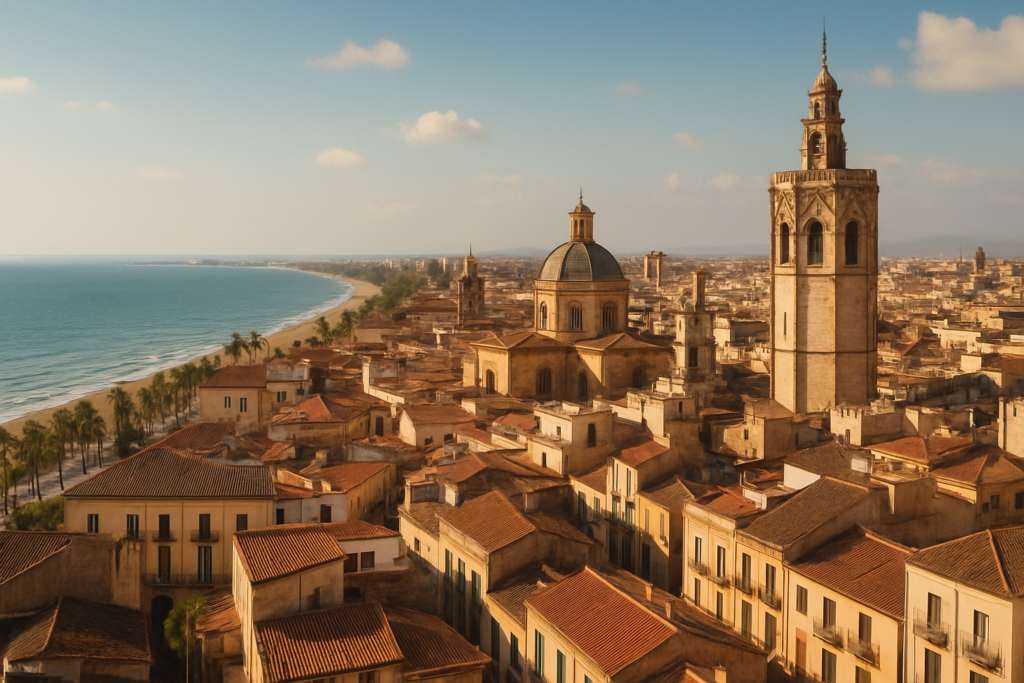
Valencia at a glance
- City with a big historic centre, notable monuments like Valencia Cathedral and the UNESCO-listed La Lonja de la Seda.
- Urban beaches (Malvarrosa and Las Arenas) framed by a promenade of paella and seafood restaurants; reachable from the centre by tram and bus.
- Signature modern attraction: the City of Arts and Sciences complex, with the Oceanogràfic (Europe’s largest aquarium).
- Large covered markets: Mercado Central (one of Europe’s largest fresh‑produce markets) and the restored Mercado de Colón.
- Parkland: the Turia Gardens, a 9 km green ribbon linking the old town to contemporary attractions.
- Nearby nature: the Albufera Natural Park, a freshwater lagoon and rice‑field landscape famous for sunset boat trips and paella rice.
- Festival calendar highlight: Las Fallas in March (UNESCO‑recognised intangible cultural heritage).
Things to do in Valencia
The city mixes old and new: a medieval maze of streets and fortified gates, Modernista market halls, a long green park and a futuristic complex by Santiago Calatrava. Pick a theme for your stay — history, beaches, gastronomy or modern architecture — and arrange your days so you don’t spend all your time hopping between extremes.
| Attraction | What it is | Price/entry | Best for |
|---|---|---|---|
| City of Arts and Sciences | Futuristic cultural and scientific complex (includes Oceanogràfic, Hemisfèric, science museum) | – | Architecture lovers, families, photographers |
| Oceanogràfic | Europe’s largest aquarium, part of the complex | – | Families, marine-life enthusiasts |
| La Lonja de la Seda | 15th‑century UNESCO‑listed Gothic silk exchange | – | History buffs, architecture fans |
| Mercado Central | Large covered fresh‑produce market in a 1928 Modernista building | – | Food lovers, shoppers |
| Turia Gardens | 9 km green park along the former river bed, for walking, cycling and running | – | Active visitors, families |
| Albufera Natural Park | Freshwater lagoon ringed by rice fields; sunset boat trips and paella rice origin | – | Birdwatchers, paella seekers, nature lovers |
Historic core and Gothic highlights
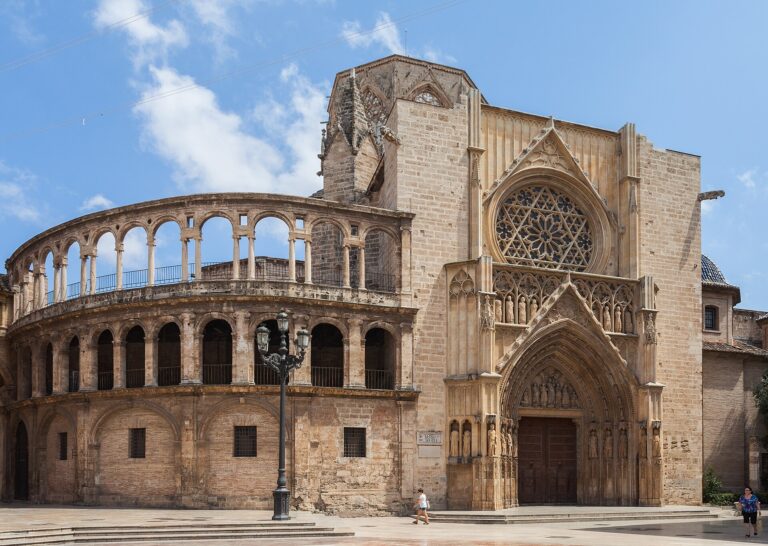
The old quarter (the Barrio del Carmen and surrounding streets) is one of Spain’s largest historic centres. Key stop: La Lonja de la Seda, a 15th‑century civil Gothic masterpiece with UNESCO status. Nearby, Valencia Cathedral houses a chalice venerated as the Holy Grail and a climbable bell tower, El Micalet, offers sweeping views over the medieval grid and rooftops.
Modern wonders: City of Arts and Sciences
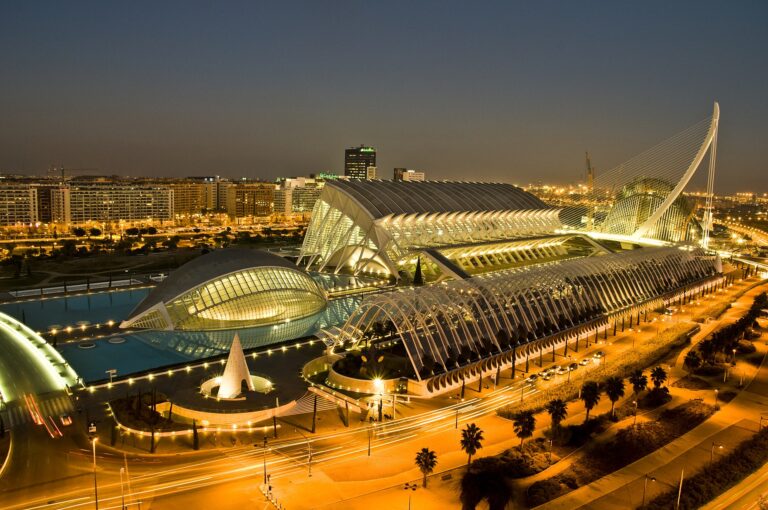
Santiago Calatrava’s signature complex dominates one end of the Turia Gardens. It’s a single destination that combines dramatic architecture with attractions: the Oceanogràfic (the largest aquarium in Europe), the Hemisfèric and the science museum. Plan for time here if you like immersive design and family‑friendly exhibits.
Markets and food culture
Food in the city is serious business. Mercado Central remains a top spot for fresh produce inside an ornate Modernista building; the nearby Mercado de Colón is a restored market hall in the Eixample now filled with cafés and horchata bars — a useful stop between sightseeing. The area’s gastronomic identity is anchored by paella, which traces its roots to the rice paddies of the nearby Albufera.
Best beaches in Valencia
The city’s beaches are unusual for an urban European capital: wide sandy stretches right next to a promenade lined with seafood and paella restaurants. They’re easy to combine with city sightseeing because tram and bus links run from the centre.
| Beach | Character | Facilities/Blue Flag |
|---|---|---|
| Malvarrosa | Wide urban beach with a lively promenade and eateries | – |
| Las Arenas | Another broad city beach immediately adjacent to Malvarrosa; popular with locals | – |
Valencia with kids
Families can easily fill days here. The Oceanogràfic is a major draw — an aquarium structured around world marine ecosystems — and Bioparc Valencia offers immersion‑style enclosures recreating African habitats at the western end of the Turia Gardens. The green spine of the city is ideal for renting bikes or pushing strollers; playgrounds and open lawns make it an easy, low‑stress zone for young children.
How to get to Valencia and get around
The city sits on Spain’s east coast where the Turia meets the Mediterranean. Within town, the Turia Gardens make many attractions walkable; public transport (including tram and bus routes) connects the city centre with the beaches. The Port of Valencia is a major Mediterranean and European container port and marks the city’s eastern edge.
Where to stay in Valencia
- Old Town / Barrio del Carmen — best for first‑time visitors who want medieval streets, tapas bars and immediate access to major monuments.
- Ruzafa and Eixample (around Mercado de Colón) — a good base for café culture, design bars and modern shopping in a restored Modernista setting.
- Beaches (Malvarrosa / Las Arenas) — suits visitors who prioritise sand, sea and seafood promenades; still within reach of the centre by tram or bus.
- Near the City of Arts and Sciences — ideal for families or architecture fans who want to spend more time at the complex and nearby green spaces.
Best time to visit Valencia
The climate is subtropical semi‑arid: expect mild winters and hot, dry summers. Festival season can change the experience dramatically — Las Fallas in March is the city’s biggest event and worth timing your trip around if you want spectacle rather than quiet.
| Season | Months | What to expect |
|---|---|---|
| Spring | March (Las Fallas) | Major festival activity and processions; busy if you visit for the festival. |
| Summer | – | Hot, dry weather and peak beach season; busy on promenades and at restaurants by the shore. |
| Autumn | – | Milder temperatures; good for walking the Turia Gardens and exploring markets with fewer crowds. |
| Winter | – | Mild winters suitable for city sightseeing; fewer tourists than spring or summer. |
History of Valencia
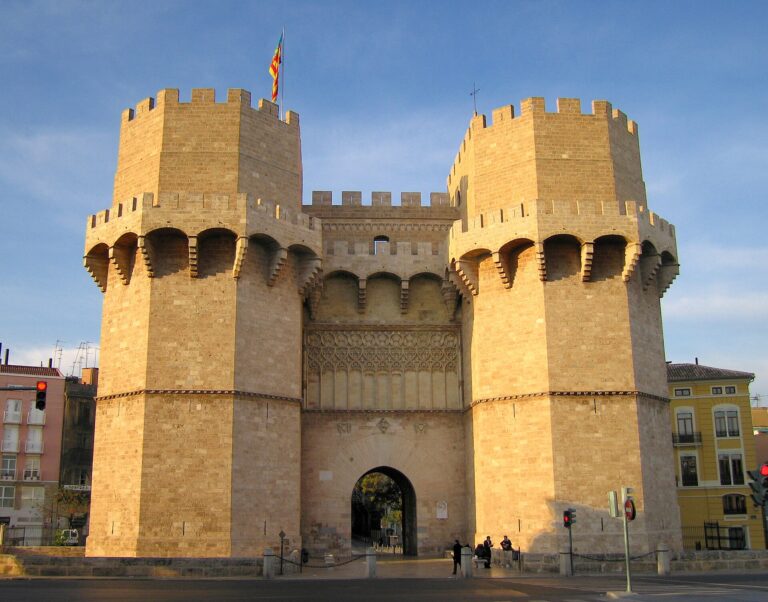
The city was founded as a Roman colony in 138 BC under the name Valentia Edetanorum. Its medieval and early modern heritage survives in the historic centre and surviving gates such as the Torres de Serranos and Torres de Quart; the Serranos towers are climbable and mark the old city edge. In the 20th century, Valencia played significant national roles — it served as the provisional seat of the Spanish Government during the Spanish Civil War from 1936 to 1937. The city later expanded into a modern Mediterranean capital and in recent years gained recognition as World Design Capital 2022 and European Green Capital 2024.
Practical info
- Parking: central streets are dense and on‑street parking is limited; opt for paid car parks or stay near public transport nodes if you plan to drive.
- Walking and cycling: the Turia Gardens provide traffic‑free routes for walking and cycling that link major areas across the city.
- Markets and eating: Mercado Central is open to visitors and shoppers and is a reliable place for fresh food; Mercado de Colón offers cafés and horchata bars in a restored Modernista hall.
- Connectivity: the Port of Valencia is an important freight hub on the Mediterranean coast, and the urban fabric connects historic, green and modern districts compactly.
- Accessibility: many major public attractions are reachable on foot or via public transport; check individual venues for step‑free access and facilities.
Worth it for: people who want a compact city that mixes medieval streets, serious markets, modern architecture and urban beaches in a single trip. Less so if: you want a tranquil, small‑town beach holiday without other tourists — summer and festival periods are lively and crowded.
How we assess this guide
This guide compiles verified facts from authoritative sources about landmarks, festivals, markets and natural areas. We cross‑checked architectural listings, UNESCO status, major attractions and park lengths; we flag major events such as Las Fallas and list only venues and features confirmed as existing and open. This is not a substitute for local advisories or venue hours; verify opening times and booking requirements before you travel.
Nearby on the Costa Valenciana
Towns near Valencia
- Mislata — 3 km west, What Mislata is really like
- Alboraya — 4 km north-east, the home of horchata
- Burjassot — 5 km north-west, the historic Los Silos granary
- Quart de Poblet — 6 km west, What Quart de Poblet is really like
- Paiporta — 6 km south-west, a Valencia metro town known for horchata and Horta farmland
- Paterna — 7 km north-west, What Paterna is really like
Places to visit within reach
- Valencia Cathedral — 1 km, Valencia Cathedral hid Renaissance frescoes for 357 years
- Torres de Serranos — 1 km, Torres de Serranos survived Valencia’s demolished city walls largely because it
- City of Arts and Sciences — 3 km, Valencia’s City of Arts and Sciences exists because a 1957 flood
- Albufera — 16 km, The Albufera is the Costa Valenciana’s natural wonder
For the wider picture, see the Costa Valenciana guide, which lists every town on this coast.
Frequently asked questions
How do I get from the city centre to the beaches?
Tram and bus services link the centre to the urban beaches (Malvarrosa and Las Arenas), making beach day trips straightforward without a car.
Is Valencia expensive to visit?
Valencia offers a range of options: markets and local eateries can be good value, while tourist-centric beachfront restaurants tend to charge premium prices for sea views and paella.
Which beach is best for families?
Malvarrosa and Las Arenas are the main urban options: wide sandy beaches with promenades and restaurants, easy to reach from the centre.
How many days should I spend here?
A 2–4 day stay covers the main highlights: a walking tour of the historic centre, a market visit, a City of Arts and Sciences visit, and at least one beach or Albufera trip. Extend your stay for relaxed pacing or day trips to nearby towns.
Is Valencia good for families with kids?
Yes — family favourites include the Oceanogràfic and Bioparc Valencia, plus the Turia Gardens for bikes and play areas.
Can you get around without a car?
Yes. The city is compact, walkable and served by public transport; tram and bus links reach the beaches and major attractions.
Is parking easy in the historic centre?
No — the old town’s narrow streets mean on‑street parking is limited; use paid car parks or stay in a hotel near a transport hub if you need a car.
What can I do on a rainy day?
Museums and the science museum within the City of Arts and Sciences are good indoor alternatives; covered markets such as Mercado Central also make for pleasant wet‑weather stops.
When is the best time to visit for good weather?
The climate is mild in winter and hot in summer; if you want festival atmosphere, plan for March for Las Fallas, but expect large crowds then.
What’s special about the food scene?
Valencia is the birthplace of paella and has a strong gastronomic culture — rice from the Albufera fields underpins authentic local recipes; markets and seaside restaurants are natural places to sample it.
Are there any must‑see historic monuments?
Yes — La Lonja de la Seda (a UNESCO World Heritage Site) and Valencia Cathedral (with the venerated chalice and climbable bell tower, El Micalet) are top historic sights.
What modern attractions should I not miss?
Visit the City of Arts and Sciences for striking architecture and the Oceanogràfic, Europe’s largest aquarium, which forms the complex’s centrepiece.
Can I visit natural areas nearby?
Yes — the Albufera Natural Park lies just south of the city, combining a freshwater lagoon with rice fields and known as the origin of the region’s paella rice; sunset boat trips are a common draw.
Are there notable towers or gates to see?
Look for the Torres de Serranos and Torres de Quart — the Serranos towers can be climbed and mark the historic edge of the old town.
Is Valencia recognized for design or sustainability?
The city was named World Design Capital 2022 and European Green Capital 2024, reflecting recent focus on design and urban sustainability projects.
Plan the wider trip
Valencia on the map
Places worth knowing near Valencia
How this page is maintained. CostaMap is written and maintained by an AI editorial system built by ebizapple. Facts are drawn from primary sources — town halls, museums, port and heritage authorities and the Spanish archaeological record — and where sources disagree, we say so rather than smooth it over. Photographs marked as ours are taken on location. This page was last reviewed on 11 August 2026. Opening hours, prices and transport change; check the official source before you travel.