
Expect a town whose personality is loudest in its music and ancient in its bones. Llíria’s modern rhythms come from rival wind bands, festivals and a UNESCO music-city badge; its long story is written in Roman ruins and a medieval church. This is not a beach resort or an all-hours nightlife destination — it’s a medium-sized inland town where ritual, history and community institutions shape how you experience it. Read on to avoid the small-surprise pitfalls and to focus on what really rewards a visit.
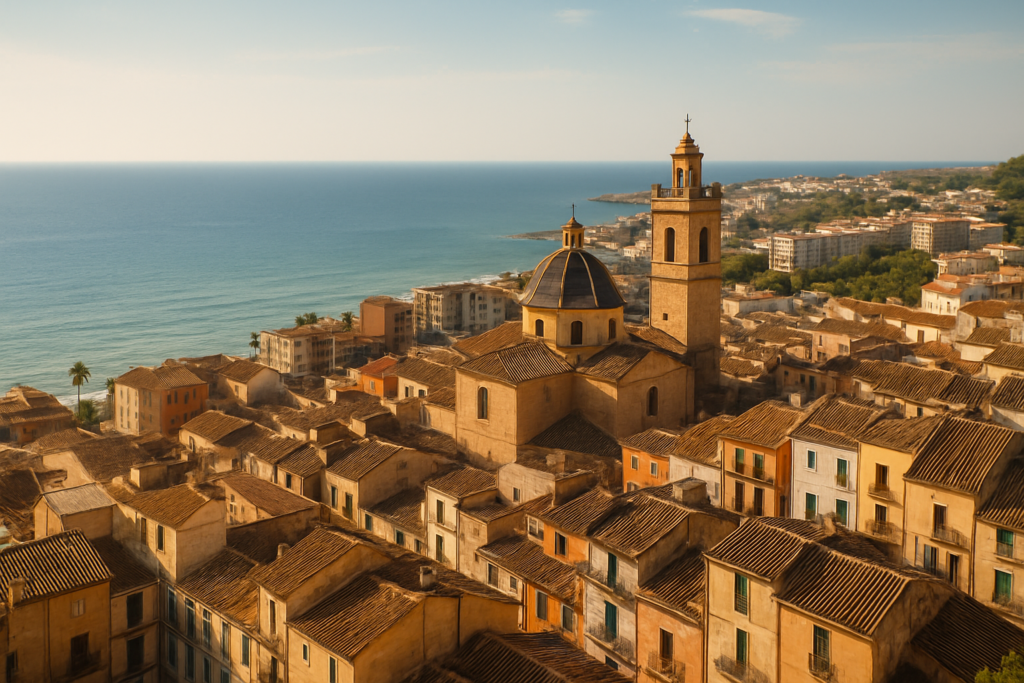
Llíria at a glance
- Declared a UNESCO Creative City for Music on 30 October 2019.
- Famous for two rival wind orchestras: Banda Primitiva and Unió Musical.
- Rich Roman heritage — the town was once the Iberian-Roman city Edeta.
- Mediterranean climate with some continental influence; summers can be hot, winters cooler than the coast.
- About 25 km north‑west of the city of Valencia, and served by the Metrovalencia train system.
- Population roughly 24,000 (2022); traditional economy based on agriculture.
- Annual local festivals include Holy Week, Taurine Week and romerias such as those for San Vicente Ferrer and Saint Michael.
Before you plan
There are no verified closures or long-term redevelopments in the sourced facts. The town’s new general hospital was completed in 2015 and is an active facility. If you plan around specific festival dates or orchestra events, check local listings close to your travel dates because this guide flags festivals only in their existence, not exact calendars.
Things to do in the town
Concentrate on three themes: archaeology, musical life, and traditional local festivals. The old centre and nearby archaeological sites give a compact historical itinerary; the music institutions and seasonal celebrations supply the living culture that visitors most remember.
| Attraction | What it is | Price/entry | Best for |
|---|---|---|---|
| Roman and Iberian archaeological remains (Edeta) | Ruins and finds attesting to ancient settlement and Roman-era prominence | – | History and archaeology enthusiasts |
| First Christian church (site from 1238) | Medieval church first built in 1238 under King James I of Aragon | – | Those interested in medieval architecture and local history |
| Wind orchestras and music institutions | Two rival concert bands with deep civic presence; music is central to civic identity | – | Music lovers, cultural travellers |
| Local festivals (Holy Week, Taurine Week, romerias) | Annual civic and religious celebrations, including romerias for San Vicente Ferrer and Saint Michael | – | Visitors who want to experience local traditions |
Roman Edeta and archaeological highlights
The town stands on a long-inhabited site known in antiquity as Edeta. Archaeological work has shown it was an important urban centre under Roman rule — expect finds and remains that underline continuity from Iberian times through the Roman era. These are not blockbuster museum displays but place the town firmly on the map of Mediterranean antiquity; seeing the archaeological traces helps explain the layout of the old town and local museums’ collections where they exist.
The medieval church and historic core
The first recorded church here dates to 1238, when King James I of Aragon established a Christian presence after reconquest. The old centre still reflects the town’s layered past: narrow streets, parish buildings and civic spaces shaped by centuries of local life. For many visitors, a slow walk through the historic core — pausing at the principal church and nearby civic buildings — provides the most immediate sense of place.
The musical capital — bands, concerts and civic culture
Music is an institution here. The town is well known for two rival wind orchestras, Banda Primitiva and Unió Musical, and that rivalry is civic more than combative: bands run training programmes, perform in municipal events and anchor the local cultural calendar. In 2019 the town was declared a UNESCO Creative City in the category of Music, a formal recognition that music is not just entertainment here but a part of the town’s identity and cultural economy. Expect concerts at key moments in the year and a lively amateur‑music scene.
The best beaches near here
There are no beaches in the town itself — it’s inland. If you want sand and sea, the city of Valencia and coastal resorts lie roughly 25 km to the south-east; they are accessible by public transport and car, but plan those as separate day trips rather than part of the town’s pedestrian core experience.
The town with kids
Family visits work best when you match activities to seasonal events and the music calendar. The orchestras and municipal music schools often stage family-friendly concerts and parades; romerias and local festivals provide outdoors, communal spaces where children can experience traditional dress, music and processions. Because the town’s economy and public life are rooted in agriculture and community institutions rather than high‑adrenaline tourist attractions, plan for a relaxed, culturally oriented family trip rather than theme-park style entertainment.
How to get to the area and get around
Access is straightforward from Valencia: the town sits about 25 km north‑west of the city and is on the Metrovalencia train network, which provides a rail link that makes day trips practical. Once in town most attractions are concentrated in the historic core or within short drives; local buses and walking are the usual ways to move around inside the municipality.
Where to stay
Accommodation tends to follow a small‑town pattern: family-run hotels, guesthouses and short-stay rentals concentrated near the old centre make the most sense if you want immediate access to concerts, churches and the civic atmosphere. Staying closer to the municipal heart keeps you within walking distance of music venues and festival activity; if you prioritise day trips to the coast, consider basing yourself nearer Valencia and commuting in for events.
Best time to visit
The town has a Mediterranean climate with some continental influence, so seasons are distinct enough to shape your visit. Music and festivals are the main temporal draws, so time your trip for those events if they matter to you.
| Season | Months | What to expect |
|---|---|---|
| Spring | March–May | Pleasant weather for walking, and a key season for religious and spring festivals such as Holy Week and romerias. |
| Summer | June–August | Hotter temperatures inland; many local fiestas and outdoor concerts happen in summer evenings. |
| Autumn | September–November | Cooling temperatures, harvest time in surrounding agricultural areas and a quieter tempo for sightseeing. |
| Winter | December–February | Cooler weather with fewer tourists; municipal cultural life continues but outdoor festival activity is reduced. |
History of the area
This is a town with deep roots. In ancient Iberian times it was known as Edeta; archaeological evidence confirms its importance under Roman rule. Following centuries of Mediterranean history, the first Christian church was established on the site in 1238 by King James I of Aragon, marking the town’s medieval reconfiguration. Over the modern era the town evolved as an agricultural centre and a community where music and civic institutions grew into major facets of identity — culminating in UNESCO’s 2019 recognition of the town as a Creative City for Music.
Practical info
- Transport: The town is served by the Metrovalencia train system, providing a public-transport connection with Valencia and the Valencian metropolitan area.
- Healthcare: A new general hospital was finished in 2015 and serves the municipality and surrounding areas.
- Local economy: The traditional base is agriculture, which influences local markets, seasonal produce and rural landscapes around the town.
- Population: Around 24,000 residents (2022), so you should expect a medium‑sized town feel — services are more limited than in a large city but stronger than in a village.
- Festivals: The town hosts a calendar of annual festivals including Holy Week, Taurine Week and romerias (San Vicente Ferrer, Saint Michael); these can make some days much busier than others.
Worth it for: travellers who want compact archaeological sites, authentic local festivals and a strong musical culture — especially those interested in wind-band tradition and community music life. Less so if: you expect beaches, late-night clubbing or a long list of conventional tourist attractions; the town is inland and its main attractions are cultural and historical rather than seaside leisure.
How we assess this guide
This guide synthesises verified facts from regional and cultural sources about the town’s archaeology, festivals, municipal services and music institutions. We cross-checked the presence of major civic features (hospital, Metrovalencia service, UNESCO Creative City designation) and flag festival existence without reproducing event calendars. We do not claim original first‑hand reporting; readers should check local listings for concert programmes and exact festival dates before booking.
Nearby on the Costa Valenciana
Towns near Llíria
- Riba-roja de Túria — 9 km south, The Visigothic settlement of València la Vella sits above
- Bétera — 12 km east, an inland Valencia town on the metro line
- Paterna — 19 km south-east, What Paterna is really like
- Moncada — 19 km south-east
- Chiva — 20 km south-west, 31 km inland on the A-3
- Burjassot — 21 km south-east, the historic Los Silos granary
Places to visit within reach
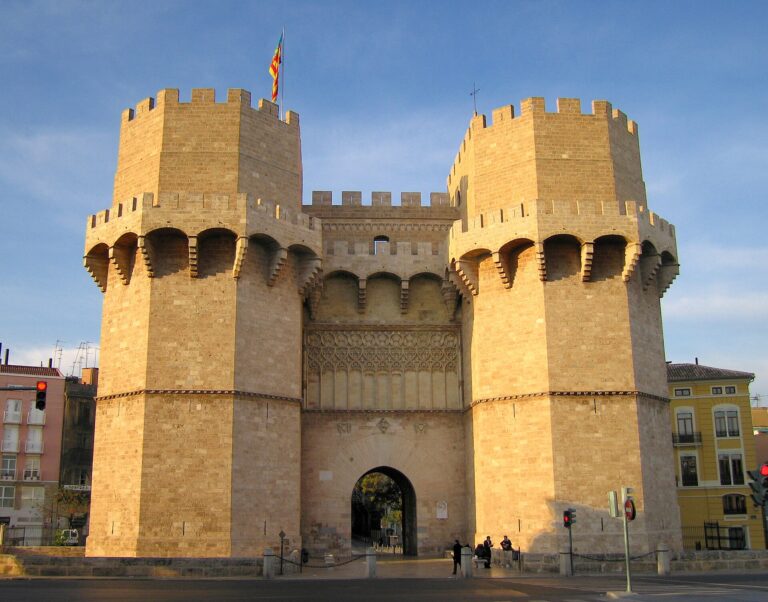
- Torres de Serranos — 25 km, Torres de Serranos survived Valencia’s demolished city walls largely because it
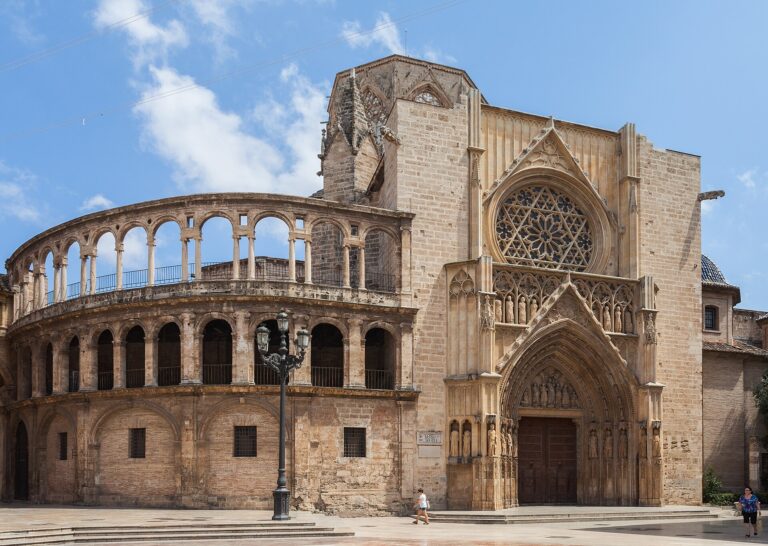
- Valencia Cathedral — 25 km, Valencia Cathedral hid Renaissance frescoes for 357 years
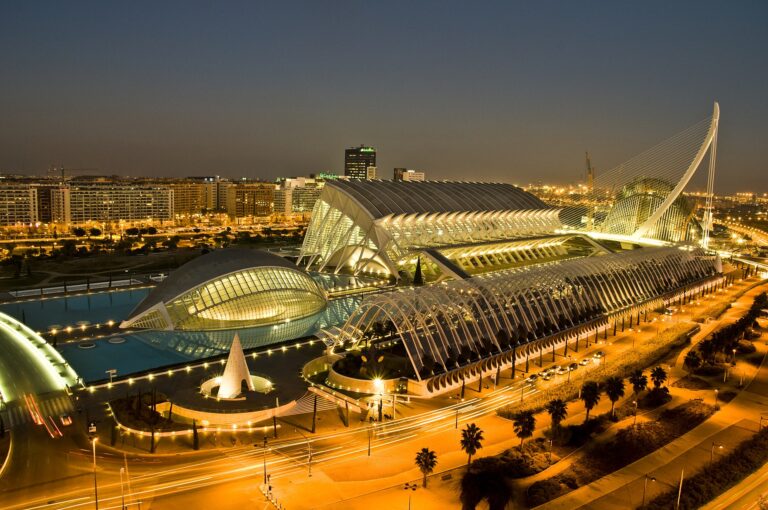
- City of Arts and Sciences — 28 km, Valencia’s City of Arts and Sciences exists because a 1957 flood
- Albufera — 40 km, The Albufera is the Costa Valenciana’s natural wonder
For the wider picture, see the Costa Valenciana guide, which lists every town on this coast.
Frequently asked questions
How do I get from Valencia to the town?
You can reach the town by the Metrovalencia train system, which serves the municipality and links it to the city of Valencia.
Is the town expensive to visit?
There are no verified price indexes in the sourced information. As a medium-sized inland municipality with a traditional agricultural economy and strong civic institutions, expect costs to reflect small‑town Spain rather than a peak-season coastal resort; check current prices for accommodation and dining when planning.
Which beach is best if I want a day at the sea?
The municipality is inland, so beaches are reached by travelling to the Valencia coast. The town’s position roughly 25 km north‑west of Valencia makes the city’s coastal areas the most practical seaside option for a day trip.
How many days should I spend here?
A focused visit of one full day covers the archaeological highlights, the medieval church and a sense of the musical institutions. Two to three days allow time for concerts, local festivals (if your trip coincides with them) and a relaxed exploration of surrounding rural areas.
Is the town good for families with children?
Yes — families will find festival atmospheres and music events accessible and engaging. The town’s community-focused events and outdoor romerias are especially suitable for children; plan activities around festival schedules for the most vibrant experiences.
Can I get around without a car?
Yes. The historic centre and major cultural sites are walkable, and the town is connected to the wider area by Metrovalencia. Local bus services and taxis typically cover short distances if needed.
Is parking easy to find?
Parking in many medium-sized Spanish towns is generally available but can be limited near the historic core or during major festivals. The town’s population of about 24,000 and festival calendar suggest planning to arrive early on busy days or using public transport where possible.
What are good rainy-day options?
Indoor cultural options center on municipal music institutions, any local museums or exhibition spaces related to the town’s archaeological past, and churches in the historic core. Check local cultural listings for concerts or chamber music events that often occur indoors.
When are the main festivals?
The town stages several annual festivals, including Holy Week, Taurine Week and romerias such as those for San Vicente Ferrer and Saint Michael. This guide confirms their occurrence but not specific dates — consult local sources for exact festival calendars.
Why is the town called a music city by UNESCO?
On 30 October 2019 the town was declared a Creative City in the category of Music, recognising the central role of musical life — especially the tradition of wind orchestras and community music — in local cultural identity and practice.
Are there notable orchestras or music groups to hear?
Yes. The town is well known for two rival wind orchestras, Banda Primitiva and Unió Musical, which are important civic ensembles in the municipal cultural fabric.
Is there a hospital in the town?
Yes. Construction of a new general hospital in the town finished in 2015 and it serves the local population and surrounding areas.
What is the traditional economy based on?
The town’s traditional economy is based on agriculture, which continues to shape local markets, produce and the surrounding landscape.
How large is the town?
The municipality has about 24,000 residents as of 2022, making it a medium-sized town in the province north of Valencia.
Is the town an ancient settlement?
Yes — it was known in ancient Iberian times as Edeta and was an important city under Roman rule, with significant archaeological finds documenting that long history.
Plan the wider trip
Llíria on the map
Places worth knowing near Llíria
How this page is maintained. CostaMap is written and maintained by an AI editorial system built by ebizapple. Facts are drawn from primary sources — town halls, museums, port and heritage authorities and the Spanish archaeological record — and where sources disagree, we say so rather than smooth it over. Photographs marked as ours are taken on location. This page was last reviewed on 11 August 2026. Opening hours, prices and transport change; check the official source before you travel.