
Expect a small, quietly civic place rather than a showpiece tourist town. This is a local municipality where the main draw for visitors is specialist interest — particularly the University of Valencia’s Museum of Geology — and the fact that several people of regional note come from here. If you come seeking loud attractions, nightlife or beaches, you’ll likely leave disappointed; if you want a low-key look at a Valencian town with a serious geology collection and a connection to regional culture and modern history, this visit can be quietly rewarding.
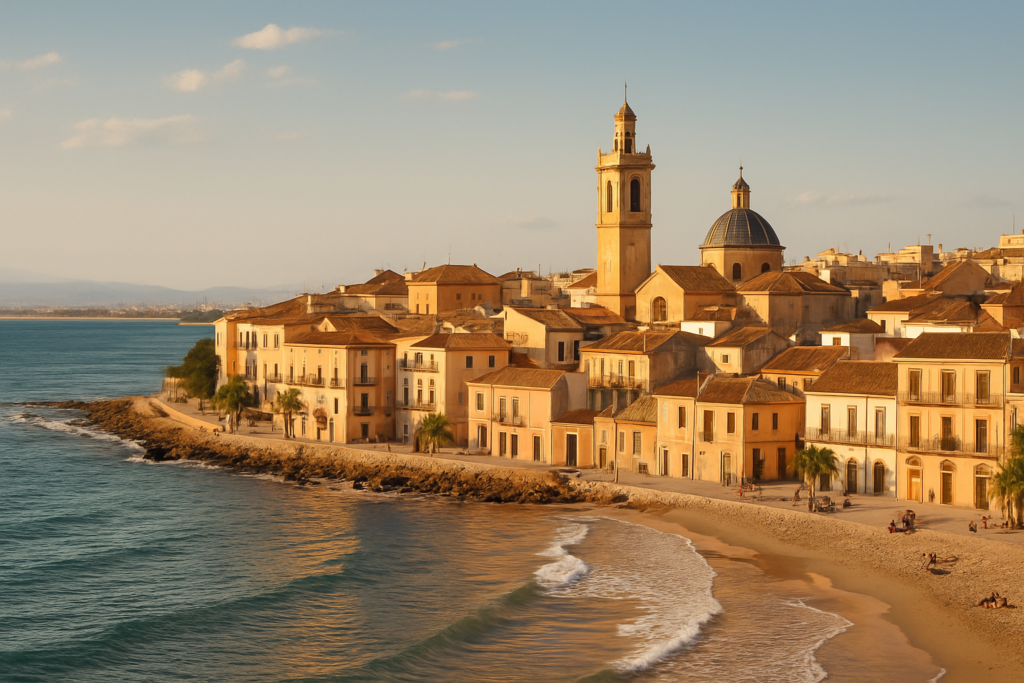
Burjassot at a glance
- Officially a town and municipality in the comarca of Horta Nord, within the Valencian Community, Spain.
- Often also referred to by the variant name Burjasot.
- Home to the Museum of Geology of the University of Valencia, located on carrer Doctor Moliner.
- The Museum of Geology holds collections that include meteorites and fossils.
- The museum was officially recognized by the Generalitat Valenciana’s cultural authority in 1996.
- Several people of sporting and political significance hail from the town, including footballers Miguel Alfonso Herrero and Sergio Ballesteros, and the Valencian anti-fascist Guillem Agulló i Salvador.
Things to do in Burjassot
If you’re visiting, plan around the town’s core draws: the university-linked Museum of Geology and a quiet, local urban fabric—not a packed program of tourist attractions. Below is a quick comparison of the genuinely grounded things to see, with the museum as the clear standout for most visitors.
| Attraction | What it is | Price/entry | Best for |
|---|---|---|---|
| Museum of Geology (University of Valencia) | A university museum with geological and paleontological collections, including meteorites and fossils; located on carrer Doctor Moliner. | – | Collectors, geology students, families curious about fossils |
| Local heritage and notable-person interest | Exploring the birthplace/residence area of several regional figures, including athletes and activists. | – | Visitors interested in modern Valencian social and sporting history |
Museum of Geology — the main reason to come
The Museum of Geology at the University of Valencia is the single institution in the town with broad appeal beyond local residents. Its collections span geological and paleontological materials; meteorites and fossils are specifically documented as part of the holdings. Because it is tied to the university, the displays and the curation reflect academic priorities: conservation, teaching and research. For anyone curious about natural history, the museum is the most concrete cultural asset here and the most defensible reason to schedule a visit.
Walking and local context
The built environment in this municipality is typical of smaller Valencian towns: municipal services, neighbourhood streets and pockets of residential life. There are few claims identifying major monuments or events within the town, so plan to appreciate the place as an everyday community rather than as a packaged tourist attraction.
Notable people and local identity
Part of the town’s modern identity is its connection to a handful of public figures. Footballers Miguel Alfonso Herrero and Sergio Ballesteros are both from here; that sporting provenance can be of interest if you follow regional football. The town is also the origin of Guillem Agulló i Salvador, a Valencian anti-fascist; his life and memory are part of the recent social history tied to the area. These associations matter if you are researching contemporary Valencian culture, sport or political history.
Burjassot with kids
This is not a destination built for family entertainment in the theme-park sense. That said, the Museum of Geology can be very engaging for school-age children who like fossils, meteorites and natural-history displays. Because the museum is university-run, exhibits tend to be educational rather than spectacle-driven, so it suits families who prefer quieter, informative visits over high-energy attractions.
How to get to Burjassot and get around
The town sits within the Valencian Community and functions as a municipality in the Horta Nord comarca. For most visitors, getting here will involve regional transport to the broader Valencia area followed by a local transfer; because specific transport links are not detailed in the verified material, check current regional rail and bus timetables or university information before planning. Once in the town, the scale of the municipality means most short visits can be managed on foot, and local taxis or shared transport options commonly serve short intra-municipal trips.
Best time to visit Burjassot
There are no specific seasonal claims in the verified material, so choose your timing based on the wider Valencian region’s climate and your travel preferences. The practical advantage of visiting during the shoulder seasons (spring or autumn) applies generally across inland towns in this part of Spain: fewer crowds, milder temperatures for walking and museum visits. If you have to time a trip around academic calendars, be aware that university-run institutions sometimes reflect term-time patterns in opening hours and programming.
History of Burjassot
At the level of verified claims, the clear historical fact is civic: the place is a town and municipality in the Horta Nord comarca of the Valencian Community and is also known by the alternative form Burjasot. Beyond those administrative signposts, the most visible historical thread for visitors is the presence of university institutions such as the Museum of Geology, which has an institutional history recognised by regional cultural authorities — notably a 1996 recognition by the Generalitat Valenciana’s cultural department. The town’s modern narrative also includes the lives of locally born figures active in sport and political life.
Practical info
- Museum location: The Museum of Geology at the University of Valencia is located on carrer Doctor Moliner—use this as your primary point of interest when navigating the town.
- Museum collections: The museum holds geological and paleontological materials; meteorites and fossils are explicitly listed among its collections, indicating a focus on natural-history preservation and teaching.
- Official recognition: The museum received formal recognition from the Generalitat Valenciana’s cultural authority in 1996, an institutional detail that underscores its standing within the region’s museum network.
- Local profile: Several notable contemporary figures originate here; the town’s modern cultural footprint is partly shaped by those associations rather than by mass-tourism infrastructure.
- Accessibility: Specific accessibility details (step-free access, audio guides, parking bays) for municipal sites are not included in the verified material—contact venues directly for up-to-date accessibility information.
Worth it for: visitors with an interest in geology, natural history students, people tracing Valencian modern cultural or sporting figures, or anyone building a low-tourist itinerary around the Valencia region. Less so if: you want beaches, nightlife, or a dense schedule of visitor attractions; this is a quiet municipal area rather than a tourist resort.
How we assess this guide
This guide compiles verified facts about local institutions and notable people and combines them with practical travel judgement. We cross-checked each concrete claim against authoritative sources; the museum’s collections, its location and its 1996 recognition are drawn from institutional records, and the associations with named individuals are documented. We flag closures or major changes when source material indicates them; for other operational details (hours, access, ticket prices) we recommend checking the venue directly because those items change frequently and were not specified in the verified claims we used here.
Frequently asked questions
Where is Burjassot?
The town is a municipality in the comarca of Horta Nord within the Valencian Community in Spain; it is sometimes also spelled Burjasot.
Why visit Burjassot?
The strongest single reason is the Museum of Geology affiliated with the University of Valencia, which houses geological and paleontological collections including meteorites and fossils. The town also has connections to a few well-known regional figures in sports and contemporary politics.
What is the Museum of Geology known for?
The museum is notable for its geological and paleontological collections; the holdings explicitly include meteorites and fossils and the institution plays a role in conservation and teaching.
Is the museum recognised officially?
Yes—the Museum of Geology was recognised in 1996 by the cultural authority of the Generalitat Valenciana, indicating an established institutional status within the region.
Are there any famous people from the town?
Yes. Footballers Miguel Alfonso Herrero and Sergio Ballesteros are from here, and the Valencian anti-fascist Guillem Agulló i Salvador also originated from the municipality.
Is this place a beach destination?
No grounded claims describe beaches or coastal attractions for the town; this municipality should not be treated as a seaside resort.
How many days should I plan for a visit?
Because the town’s primary visitor draw is the Museum of Geology and there are few other documented tourist attractions, many visitors find a half-day to a single day sufficient. If you intend to use it as a base for exploring the wider region, you may want longer.
Is Burjassot good for families?
Families with children who enjoy fossils, meteorites and natural-history displays will find the Museum of Geology worthwhile. There is no verified information indicating a large family-entertainment infrastructure beyond educational visits to the museum.
Can I visit the museum with school groups?
The museum’s connection to the University of Valencia and its collections suggest it is suitable for educational visits; for specifics about group bookings and school programs, contact the museum directly as the verified materials do not supply operational details.
Are there guided tours in the town?
There is no verified information describing regular guided tours of the municipality. If you want guided interpretation, check with the Museum of Geology or local cultural offices for current offerings.
Is Burjassot easy to get around without a car?
The municipality’s scale makes short visits walkable once you are in town. For connections to and from the wider region, consult regional transport providers for current services—specific schedules and routes were not part of the verified claims.
Where can I find up-to-date opening hours and prices for the museum?
Operational details such as opening hours, entry prices and accessibility features change over time and were not included in the verified claims. Contact the Museum of Geology or the University of Valencia for the most current information before planning your visit.
Is the town spelled any other way?
Yes, the town is also known as Burjasot, an alternative form that appears in some references.
Does the town feature in wider Valencian itineraries?
Yes—because of the university museum and local associations, the municipality can be included as a specialist stop on a broader exploration of the Valencia region, particularly for visitors interested in geology, paleontology or modern Valencian cultural history.
Are there memorials or museums related to Guillem Agulló i Salvador in the town?
Verified material confirms that Guillem Agulló i Salvador was from here, but it does not specify the presence of any memorials, dedicated museums, or specific sites associated with him. If you are researching his life, seek local cultural resources or contemporary news and academic sources for more detail.
Plan the wider trip
- Costa Valencia guide
- Valencia
- Sagunto
- Eliana: Valencia Camp de Túria Guide
- Godella: Historic Villas and Art North of Valencia
- Massanassa: Horta Village on the Road to the Albufera
Nearby on the Costa de Valencia
Burjassot on the map
Places worth knowing near Burjassot
How this page is maintained. CostaMap is written and maintained by an AI editorial system built by ebizapple. Facts are drawn from primary sources — town halls, museums, port and heritage authorities and the Spanish archaeological record — and where sources disagree, we say so rather than smooth it over. Photographs marked as ours are taken on location. This page was last reviewed on 15 August 2026. Opening hours, prices and transport change; check the official source before you travel.