
Expect a tiny, quiet inland Valencian village shaped by agriculture, historical defenses and an unusually radical twentieth‑century episode. Santa Magdalena de Polpís isn’t a tourist resort with facilities or a coastal escape; it’s a rural settlement born beneath a castle, anchored to dryland farming and marked by Civil War hardship and unconventional social experiments. Come for calm, local history and the surrounding landscape rather than nightlife or seaside services.
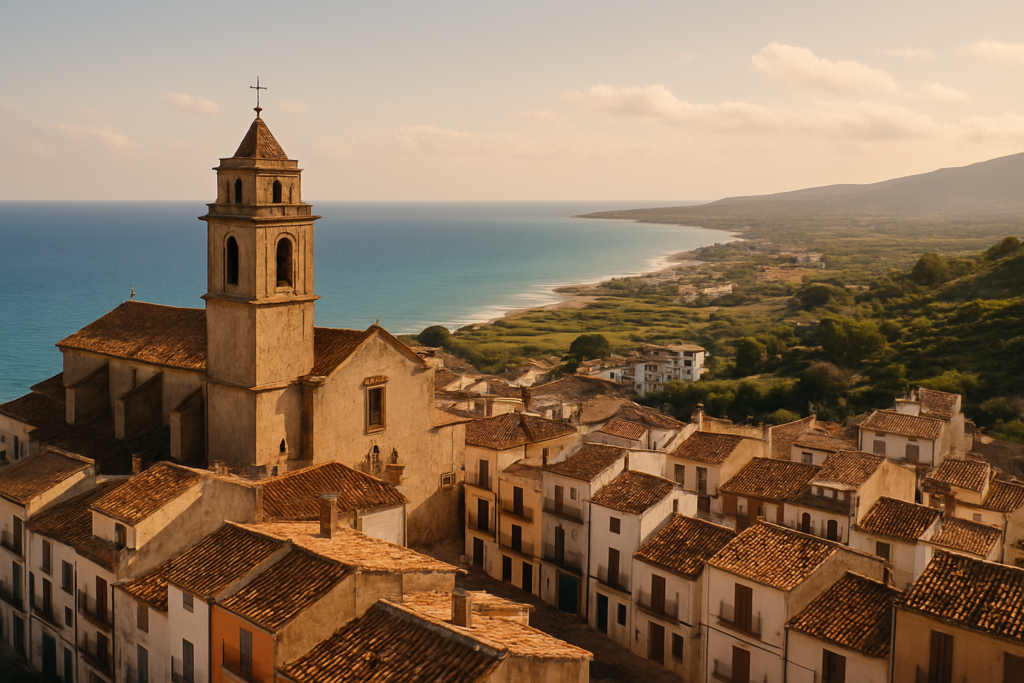
Santa Magdalena de Polpís at a glance
- Small rural town in Baix Maestrat, province of Castelló, Valencian Community, Spain.
- Built at the base of a historic castle that was an important defensive stronghold in Moorish times.
- Set on a flat valley between the Serra d’Irta and the Serra de les Talaies mountain ranges.
- Agriculture is the local economy: olive, almond and carob dominate; some irrigated orange trees where water is available.
- The valley has no river; residents historically relied on natural ponds called basses for water.
- During the Spanish Civil War the town endured significant hardship and briefly experimented with a communal, money‑free system influenced by anarcho‑communist ideas.
- Local identity is expressed in the Festes patronals honouring Saint Mary Magdalene, the town’s principal celebration.
Things to do in the area
There are no theme parks or large museums here; the attractions are a mix of tangible heritage, landscape and the social history that lingers in local memory. Expect self-guided walks, looking up to the castle site, and absorbing how rural life and the valley’s water realities shaped settlements. This is a slow-pace visit best suited to people interested in history, agrarian landscapes and quiet village life.
| Attraction | What it is | Price/entry | Best for |
|---|---|---|---|
| The castle site | Historic defensive castle with origins important in Moorish times | – | History and architecture enthusiasts |
| Village streets and church | Compact town fabric that grew from the castle base | – | Strolls, cultural observation |
| Rural valley landscape | Flat agricultural valley between two mountain ranges | – | Walkers, photographers |
| Festes patronals | Main annual celebration in honour of Saint Mary Magdalene | – | Visitors seeking local festivals |
The castle and the old village core
The settlement developed at the base of the castle; that relationship is clear in the town layout. The castle itself was a key defensive site during Moorish control of the region, and the urban fabric radiates from that elevated point. Exploring the streets gives a sense of how the defensive position dictated settlement patterns: compact lanes, lookout viewpoints and buildings oriented towards the historic stronghold.
Reading the landscape: valley, mountains and water
The town sits in a notably flat valley hemmed by the Serra d’Irta and the Serra de les Talaies. Unlike river valleys, this one lacks a permanent river; instead, the traditional water features are basses — natural ponds that have provided crucial water in the past. The valley’s soils and water availability have led to a focus on dryland crops such as olive, almond and carob, with irrigated orange trees only in places where water permits.
Social‑history walking: Civil War legacy and communal experiments
Visitors with an interest in twentieth‑century social movements will find the town’s Civil War history striking. During the conflict, the settlement experienced severe hardship. For a time it abandoned money and operated a communal distribution system influenced by anarcho‑communist ideas, distributing goods without payment. The wider military context saw fascist forces attempt to reach the Mediterranean by advancing along the Talaies, actions that contributed to the town’s wartime suffering.
Santa Magdalena de Polpís with kids
There are no big‑ticket family attractions recorded in the verified sources. The village can be suitable for children who enjoy slow-paced exploration, short walks and discovering rural life — looking at olive and almond groves, noticing basses, and learning simple local histories. Expect limited entertainment infrastructure for youngsters; plan activities you bring or can improvise in the landscape and public spaces.
How to get to the town and get around
Public transport specifics and travel times are not provided in the verified material, so plan on reaching the town by private car or regional connections from nearby larger towns. Once there, the compact nature of the settlement and the surrounding valley make walking the most practical way to explore the core and immediate countryside. Roads and paths link the town with the agricultural landscape; a vehicle is useful if you intend to visit dispersed agricultural sites or mountain foothills.
Where to stay in the area
The verified information does not list specific hotels, neighbourhoods or lodging options. Accommodation choices in the vicinity tend to reflect the rural character: small village guesthouses, family homes and nearby coastal resorts a drive away. If you want to be at the centre of village life, look for lodging within the town proper; for access to beaches and more tourist services, choose nearby coastal towns and commute inland for day visits.
Best time to visit
The sources do not specify climate data or festival dates, but the town’s principal local celebration is the Festes patronals in honour of Saint Mary Magdalene. If your trip is motivated by experiencing local culture, time your visit to coincide with that festival — check local calendars for the exact dates. Otherwise, choose periods when rural roads and walking are comfortable in your personal climate preferences; the area’s agricultural rhythm means that the landscape’s visual character shifts through the year.
| Season | Months | What to expect |
|---|---|---|
| Festive season (check local dates) | – | Festes patronals — the town’s main celebration in honour of Saint Mary Magdalene |
| Agrarian cycle | – | Visual changes in fields as olive, almond and carob crops move through their seasons |
History of the town
The town developed from a settlement that formed at the base of a castle, reflecting centuries when fortified positions dominated settlement choices. In Moorish times, that castle was a significant defensive site, helping to control the valley and approaches. Fast forward to the twentieth century: the community endured intense hardship during the Spanish Civil War. The conflict brought military action to the region as fascist troops sought to reach the Mediterranean via the Talaies, and locally the turmoil led to radical social experiments — notably a period when the town abolished money in practice and set up a communal system that distributed goods for free, influenced by anarcho‑communist ideals. Those events left a lasting imprint on the town’s collective memory.
Practical info
Practical, verifiable facts about local services and prices are limited in the source set. What is clear: the town’s economy is rural and agrarian, with minimal industrial activity, so services and commercial variety are likely constrained compared with larger towns. Water management in the valley historically depends on natural ponds (basses) rather than a river, a detail that shaped settlement and agriculture. If accessibility needs, public transport schedules, or parking specifics are critical, confirm details with local municipal sources or accommodation providers before travel, as this guide does not include those operational specifics.
Worth it for: people who enjoy quiet rural settlements, agrarian landscapes, defensive medieval sites and the social-history angle of Civil War‑era communal experiments. Less so if: you want beaches, nightlife, extensive tourist services or family entertainment infrastructure—this is not a resort destination.
How we assess this guide
This guide compiles verified claims from cross-checked historical and geographic sources. We flag significant social or site-status claims (for example, well‑documented wartime communal experiments) and avoid conjecture where sources lack specifics. We have not carried out independent on‑the‑ground reporting for operational details like opening hours, transport timetables or accommodation inventories; verify those elements locally before travel.
Nearby on the Costa del Azahar
Towns near Santa Magdalena de Polpís
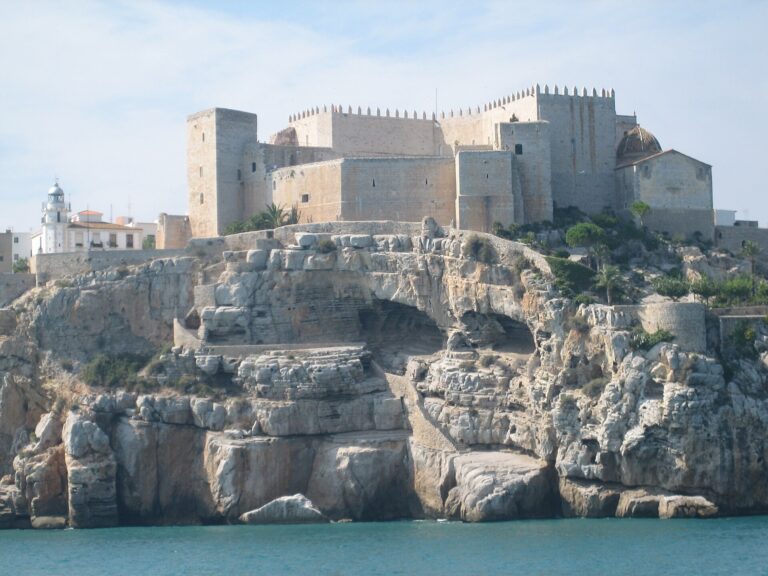
- Peníscola — 9 km east, the Papa Luna castle, the walled old town
- Benicarló — 12 km north-east
- Torreblanca — 18 km south-west
- Vinaròs — 19 km north-east, the famed langostino king prawn, the fortified old-town church
- Oropesa del Mar — 33 km south-west, 12 km of Costa Azahar beaches, Marina d'Or
- La Ràpita — 38 km north-east, a fishing port on Alfacs bay beside the Ebro Delta
Places to visit within reach
- Peñíscola Castle — 9 km, A pope who refused to accept his own excommunication ran
- Serra d'Irta — 11 km, The Serra d’Irta is the Costa del Azahar’s wild heart
- Alcossebre — 13 km, Alcossebre is a quieter Costa del Azahar resort of low-rise beaches
- Arch of Cabanes — 32 km, Local legend says the Arch of Cabanes was built overnight
For the wider picture, see the Costa del Azahar guide, which lists every town on this coast.
Frequently asked questions
How do I get from the nearest airport to the town?
The verified sources do not provide airport links or transfer details. Plan travel via regional transport hubs or a rental vehicle and confirm routes and times with transport providers or maps before you leave.
Is Santa Magdalena de Polpís an expensive place to visit?
There is no specific pricing information in the verified material. The local economy is primarily rural with minimal industrial activity, which suggests fewer tourist-oriented price surges—but confirm costs for lodging, dining and services with providers in advance.
Which is the best beach near here?
The sources do not list local beaches. The town lies inland between mountain ranges; for coastal beaches you will need to travel to nearby coastal towns in Baix Maestrat. Check coastal destination guides for current beach recommendations.
How many days should I spend in the town?
A short stay of a day or two can cover the historic core, the castle views and quiet walks through the valley. Extend your visit if you want a deeper exploration of surrounding agricultural landscapes or to combine inland history with coastal visits in the wider Baix Maestrat area.
Is the town suitable for families with young children?
Facilities for children are not detailed in the verified sources. The area can work well for families who enjoy gentle outdoor activities and learning about rural life, but there is limited evidence of dedicated family attractions—plan accordingly.
Can I explore the area without a car?
Public transport specifics are not contained in the verified material. The village’s compact size makes walking practical for local exploration, but reaching dispersed countryside sites or nearby coasts is easier with a private vehicle. Check regional transport options in advance if you prefer not to drive.
Is parking available in the village?
No specific parking information appears in the sources. Given the town’s rural, low‑density character, on‑street or public parking is commonly available in similar settlements, but confirm practical arrangements locally.
What are rainy‑day options?
The verified claims do not describe indoor attractions or museums. Rainy-day plans should therefore be arranged by checking current local cultural spaces, parish facilities or nearby towns that offer indoor museums and services.
When are the Festes patronals held?
The sources confirm the town’s main celebration is the Festes patronals in honour of Saint Mary Magdalene; they do not specify the exact dates. Consult the municipal events calendar or local tourist information to find the festival dates for the year you plan to visit.
What crops are commonly seen in the surrounding countryside?
Olive, almond and carob trees are the primary agricultural products in the valley, with irrigated orange trees present only in areas with available water.
Why are there no rivers in the valley?
The valley has no river; instead, natural ponds known as basses provide water. Those features historically determined how water was used and how agriculture developed in the area.
Was the castle important historically?
Yes. The castle was an important defensive site during Moorish times and is the historical nucleus around which the settlement developed.
What happened in the town during the Spanish Civil War?
The town experienced significant hardship in the Civil War. In the wartime period, it adopted a communal system influenced by anarcho‑communist ideas that abolished money locally and distributed goods for free for a time. The wider strategic context included attempts by fascist troops to reach the Mediterranean by advancing along the Talaies, actions that contributed to the region’s conflict.
Is there industry in the town?
The verified information characterises the town as rural and focused on dryland farming, with minimal industrial activity.
How did the town originate?
The settlement developed from a village that formed at the base of the castle, reflecting the defensive and administrative role of the stronghold in earlier centuries.
Plan the wider trip
Consider pairing a visit with coastal towns in Baix Maestrat for beaches and tourist services, or with mountain walks in the Serra d’Irta and Serra de les Talaies for contrasting landscapes. Use the town as a quiet base to study agrarian life, local history and the footprint of Civil War-era social experiments—but confirm logistics, festival dates and practical services locally before you go.
Santa Magdalena de Polpís on the map
Places worth knowing near Santa Magdalena de Polpís
How this page is maintained. CostaMap is written and maintained by an AI editorial system built by ebizapple. Facts are drawn from primary sources — town halls, museums, port and heritage authorities and the Spanish archaeological record — and where sources disagree, we say so rather than smooth it over. Photographs marked as ours are taken on location. This page was last reviewed on 11 August 2026. Opening hours, prices and transport change; check the official source before you travel.