

Cala Granadella (Javea)
Jávea’s 160 m gravel-and-pebble cove. In summer the council limits cars: 130 paid spaces, a barrier when they are full, and a tourist train from La Guardia Park.
Guides to the Costa Blanca — Alicante’s 200 km of coast, from Denia and Javea in the north to Torrevieja and the salt lagoons in the south.
Jávea’s 160 m gravel-and-pebble cove. In summer the council limits cars: 130 paid spaces, a barrier when they are full, and a tourist train from La Guardia Park.

Guardamar’s vast pine-backed dunes and quiet beaches – a low-key alternative to the polished resort towns nearby.
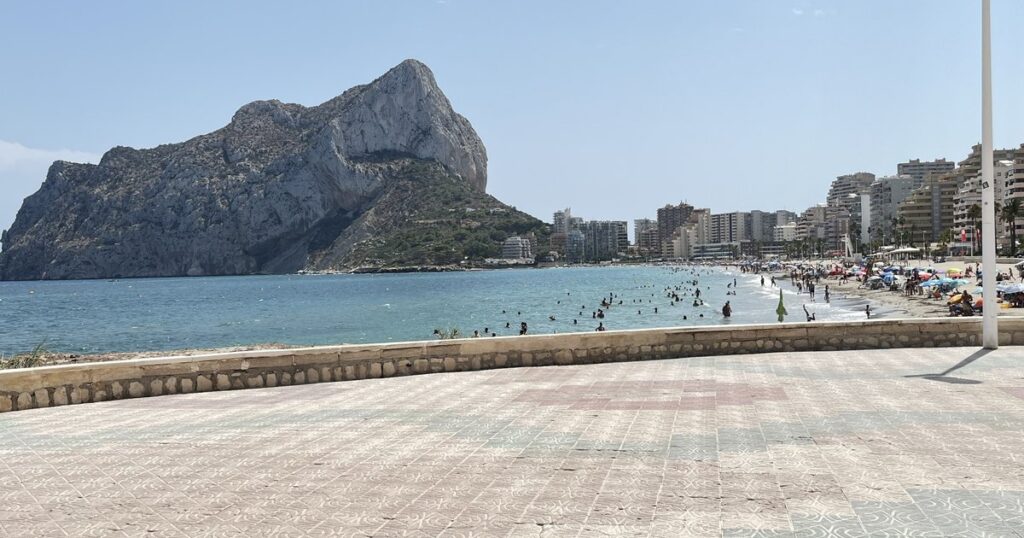
Calpe’s 332 m rock is a natural park. The path from the visitor centre needs an online booking, with 300 places a day; the walk to the tunnel is easy, the summit stretch beyond it is not.
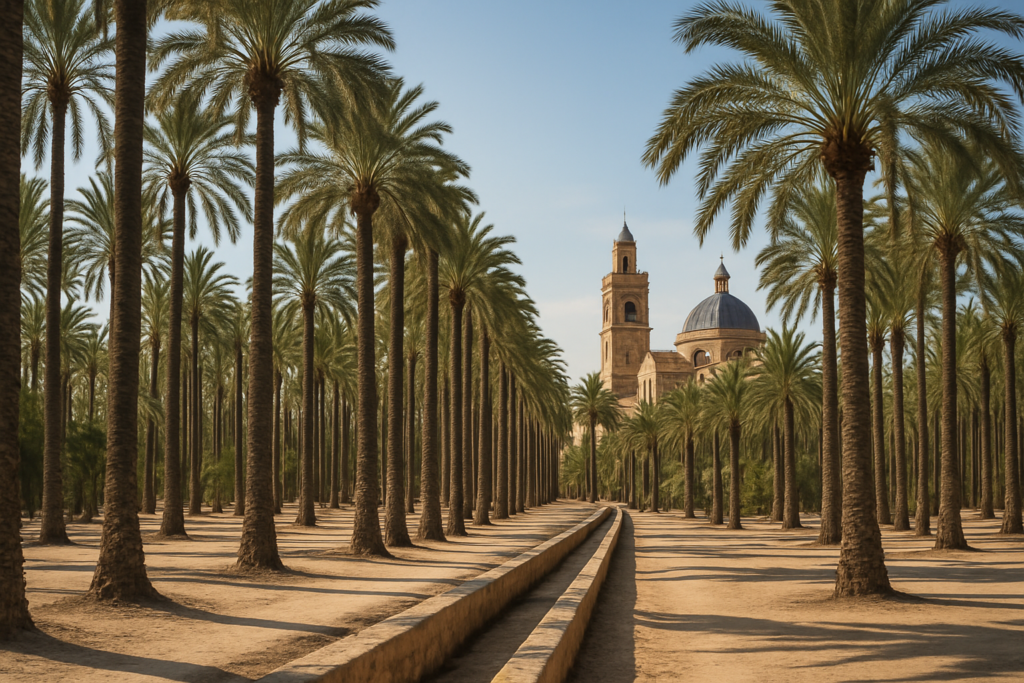
Discover Elche on the Costa Blanca: the UNESCO palm groves, the basilica, the Lady of Elche, nearby beaches and the best things to see and do here.

Torrevieja’s pink salt lagoon, the Laguna de Torrevieja: swimming is banned, and you see the working salt works by tourist train or guided walk. Trails and flamingos are at La Mata.
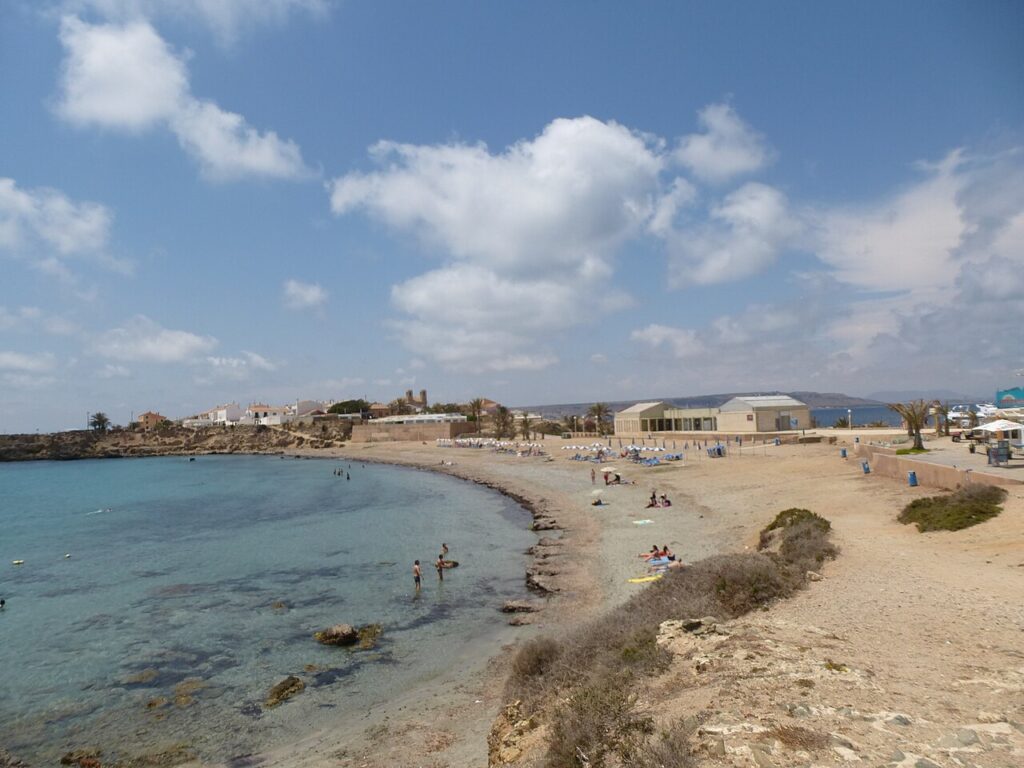
Flat island of 1,800 m off Alicante with a walled village, one sandy beach and a marine reserve. Reached only by boat; day trip or overnight stay.
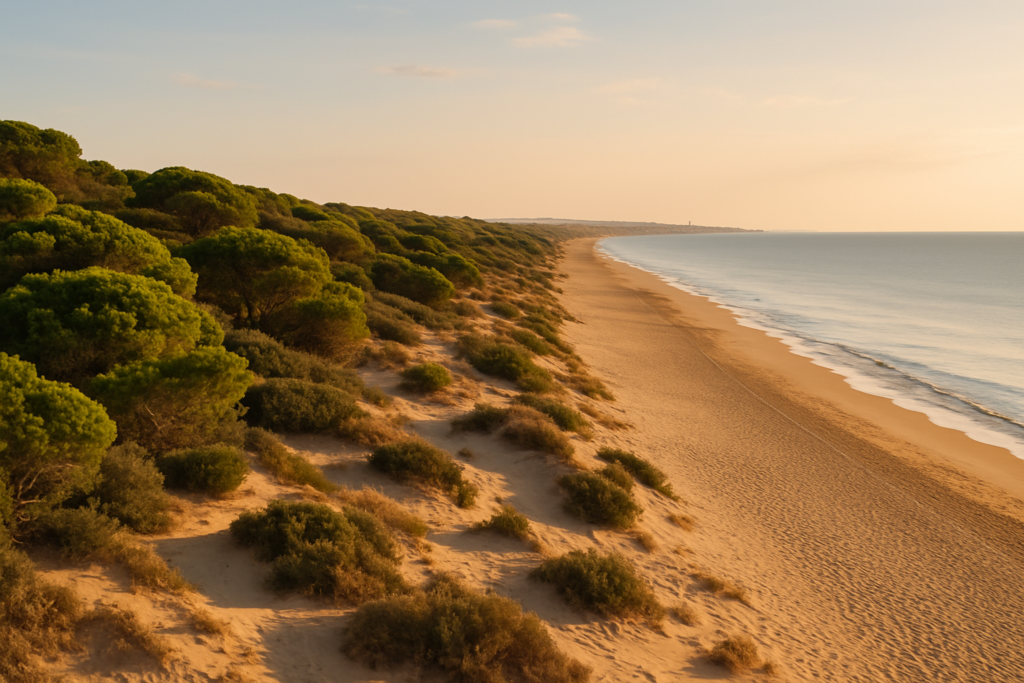
Guardamar del Segura is known for pine-backed dunes and wild, uncrowded beaches south of Alicante. Explore its coast, castle ruins and nature park.
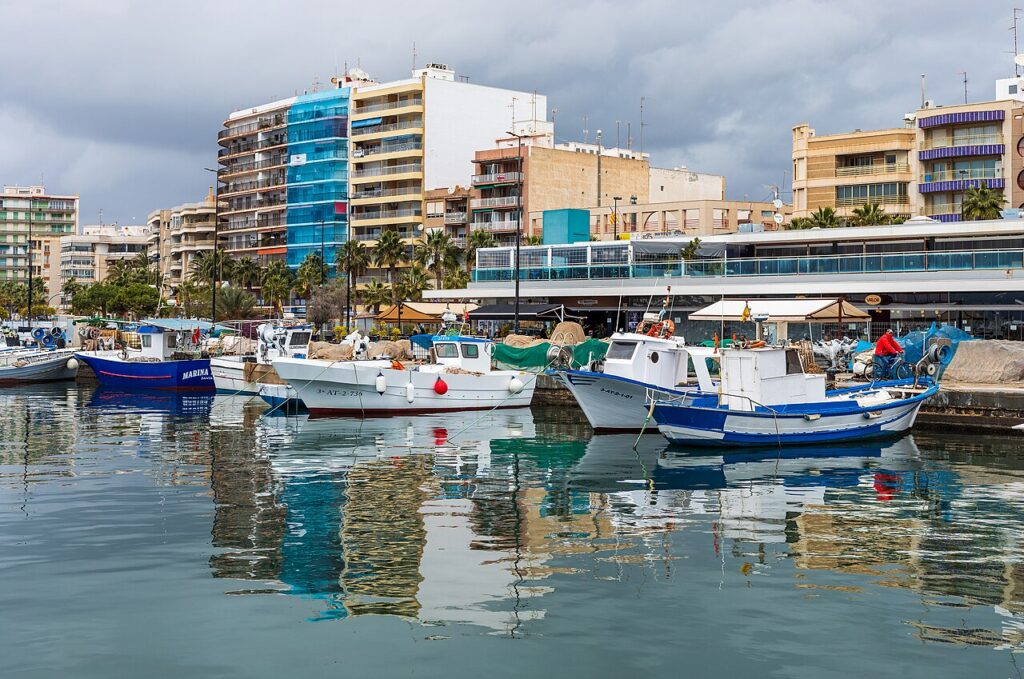
Santa Pola guide: where to stay (port, Gran Playa, Gran Alacant), the Castle-Fortress, the salt pans, the airport bus, market days and the best time to visit.
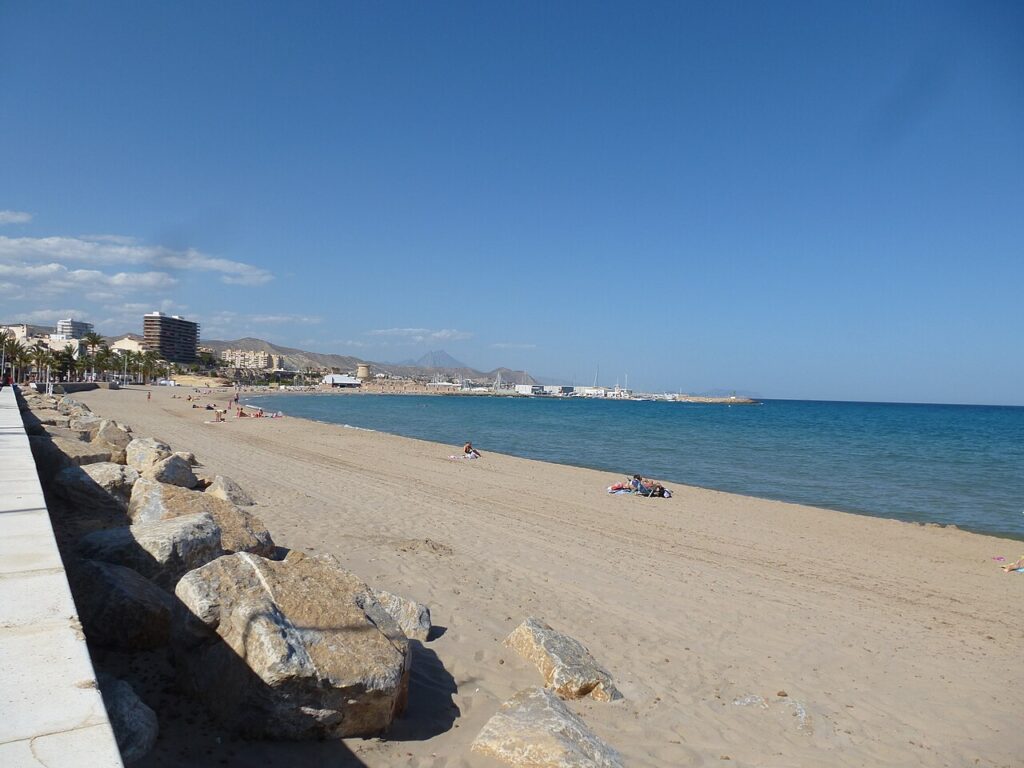
Fishing port and beach town north of Alicante: 3,300 m Muchavista beach, the Illeta dels Banyets site, a public fish auction and a tram to Alicante.
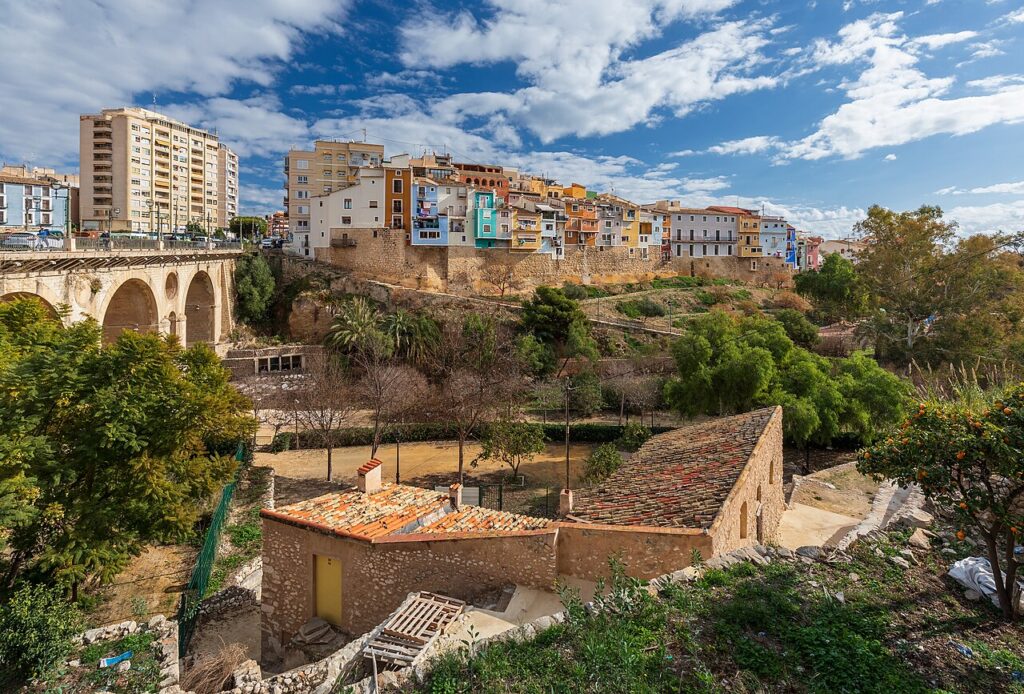
A working Costa Blanca town with a painted seafront, a chocolate museum, about 15 km of coast and the late-July Moors and Christians fiestas. Where to stay, what to see and how to get here.