
Expect a town that sits between coast and mountain rather than a beach resort. This is a working Andalusian municipality whose growth has pulled it into Málaga’s orbit: you’ll find whitewashed streets and a compact historic centre alongside modern residential areas, good road links and countryside access. Plan visits around outdoor walks, a modest local church and the surrounding agricultural landscape rather than a long list of polished tourist attractions.
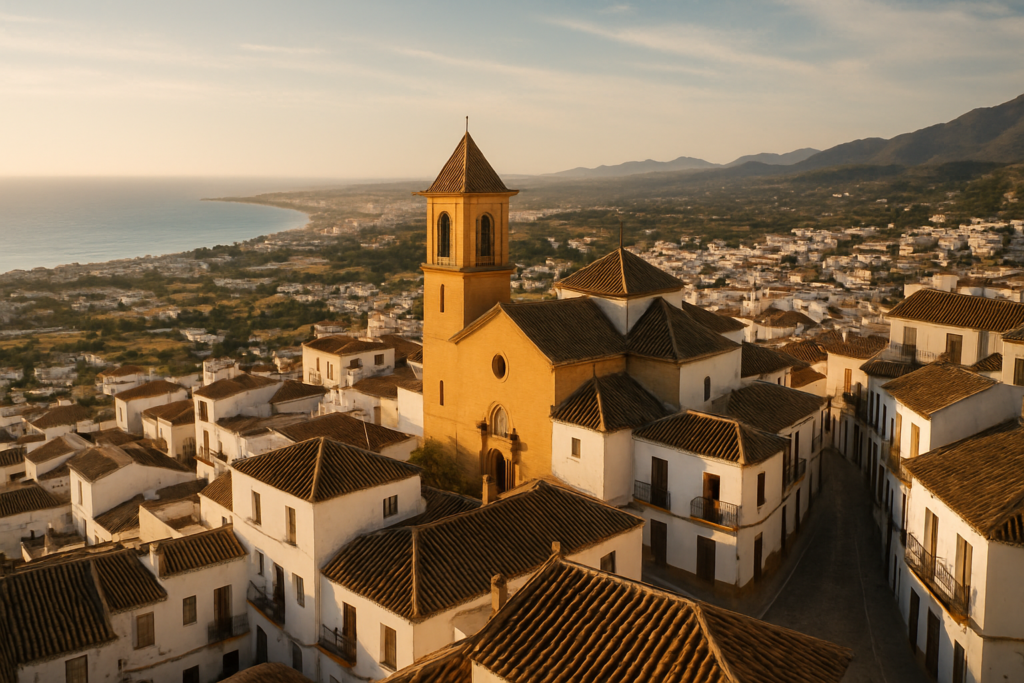
Alhaurín de la Torre at a glance
- Inland town on the Costa del Sol, a short drive from Málaga city, Málaga airport and Torremolinos beaches.
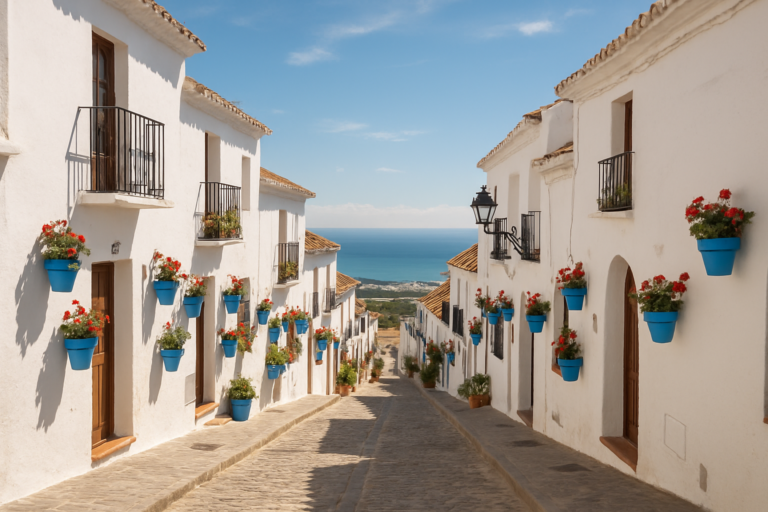
- Historic core centred on the parish church of San Sebastián and Andalusian whitewashed streets.
- Sits at the foot of the Sierra de Mijas with protected limestone hills and hiking routes.
- Lies in the fertile Guadalhorce valley, traditionally focused on citrus and subtropical fruit farming.
- The Guadalhorce river and nearby reservoirs create countryside routes and birdwatching opportunities.
- Well connected by the A-7 and MA-404 roads, convenient for self-drive itineraries.
- Enjoys the mild, sunny Costa del Sol climate, with very warm summers.
Things to do in Alhaurín de la Torre
The town rewards simple, low-key activities: wandering the compact historic quarter, checking out the parish church, using it as a base for walks into the Sierra de Mijas and exploring riverside tracks and reservoirs. Expect outdoor activity and local fiestas rather than big museums or packaged attractions.
| Attraction | What it is | Price/entry | Best for |
|---|---|---|---|
| Parish church of San Sebastián | Historic parish church anchoring the town centre | – | Local culture, architecture |
| Sierra de Mijas hills | Protected limestone hills with hiking trails and viewpoints | – | Hiking, viewpoints, nature |
| Guadalhorce river & reservoirs | Riverside routes and birdlife habitat near the town | – | Walking, birdwatching |
| Moorish-era watchtower (the ‘torre’) | Historic remains and toponymic reference to the town’s past | – | History, short visits |
Historic centre and the parish church
The parish church of San Sebastián anchors the town’s whitewashed lanes. Plan a stroll around the compact historic centre to get a feel for local life: small squares, narrow streets and the kind of neighbourhood cafés that persist even as the town grows into Málaga’s suburban spread. Holy Week and the town’s patronal fiestas remain important parts of the calendar, so expect seasonal community activity if you time a visit for those dates.
Walking the Sierra de Mijas foothills
The Sierra de Mijas limestone hills rise just above the town and are protected natural areas popular with walkers. Trails from the town lead into these hills and provide viewpoints over the Guadalhorce valley; bring sensible footwear and water, and expect typical Mediterranean scrub and rocky tracks rather than waymarked alpine trails.
Rivers, reservoirs and birdwatching
The Guadalhorce river corridor and nearby reservoirs support birdlife and countryside routes that are good for easy walks, cycling and nature spotting. These areas are among the most accessible green spaces near the town and are useful for short outings away from roads and built-up zones.
Nearest beaches to Alhaurín de la Torre
The town itself isn’t a seaside resort, but beaches are a short drive away along the Costa del Sol. Use the town as a quieter base and head to the coast for sand and sea.
| Beach | Character | Facilities / Blue Flag |
|---|---|---|
| Torremolinos beaches | Built-up resort beaches close to Málaga, lively in season | – |
| Málaga city beaches | Urban beaches with promenade access and transport links | – |
The town with kids
Families find the town useful as a base for mixed days of beach and countryside. The riverside walks and reservoirs provide easy, short outings for children who like nature, while the short drive to Costa del Sol beaches gives classic sand-and-sea days without staying in a resort hotel. The town’s compact centre is also easy to navigate with children.
How to get to Alhaurín de la Torre and get around
Most visitors arrive by road. The town is conveniently close to Málaga and Málaga airport and is well linked by regional roads, making self-drive the simplest way to combine coast, city and mountains.
| From | By | Approx time |
|---|---|---|
| Málaga airport | Car/taxi via regional roads | – |
| Málaga city | Car via A-7 / MA-404 | – |
| Torremolinos (coast) | Car via A-7 | – |
Where to stay in the area
Choose a base according to priorities:
- Historic centre: best for walking the town, accessing cafés and local life.
- Foothills / near Sierra de Mijas: choose this for proximity to hiking and quieter residential ambience.
- Outskirts toward the A-7: convenient if you prioritise driving to Málaga, the airport or coastal resorts.
Best time to visit Alhaurín de la Torre
The climate follows typical Costa del Sol patterns: generally mild and sunny for much of the year, with very warm summers. Shoulder seasons are useful for pleasant walking weather and fewer crowds; summers suit beach time but expect heat.
| Season | Months | What to expect |
|---|---|---|
| Spring | Spring months | Comfortable for walks in the Sierra de Mijas and countryside outings |
| Summer | Summer months | Very warm; coastal beaches nearby are the main draw |
| Autumn | Autumn months | Good weather for hiking and quieter than peak season |
| Winter | Winter months | Mild climate but cooler; outdoor activities remain possible |
History of the town
The name reflects Moorish origins, with the second half of the name derived from a historic watchtower (torre). The town developed in the fertile Guadalhorce valley, an agricultural zone historically known for citrus and subtropical fruit. Over time it has grown rapidly as part of the Málaga metropolitan area while maintaining local traditions such as Holy Week and the patronal fiestas.
Practical info
- Road access: The A-7 and MA-404 give straightforward road links to Málaga, the coast and neighbouring towns such as Alhaurín el Grande.
- Nature access: The Guadalhorce river, reservoirs and Sierra de Mijas foothills provide nearby open spaces for walking and birdwatching.
- Local rhythms: Expect the town to feel part-residential and part-suburban rather than intensely touristic; local fiestas remain important community events.
- Climate planning: Pack for sunny, generally mild conditions, and prepare for very warm weather in summer.
Worth it for: walkers who want quick Sierra de Mijas access, travellers seeking a quieter Costa del Sol base with easy drives to Málaga and the beaches, and visitors interested in small-town Andalusian life and seasonal fiestas. Less so if: you want a purpose-built beach resort full of tourist facilities or a town with multiple large attractions and museums—choose the coast or Málaga instead.
How we assess this guide
This guide compiles verified facts about road links, geography, climate, historic origins and local natural assets. We cross-checked municipal and regional information and flag closures or major changes when present. This summary is an editorial synthesis and does not rely on a single field report; for on-the-ground opening hours or seasonal event dates consult local sources before travel.
Frequently asked questions
How do I get from Málaga airport to the town?
Travel is typically by road: the town is close to Málaga airport and is well connected by the regional road network, making a taxi or car the most direct option.
Is Alhaurín de la Torre expensive?
As a suburban town within the Málaga metropolitan area, costs follow regional patterns rather than resort price spikes. You’ll find local cafés and shops alongside newer residential development.
Which beach is best nearest to the town?
Beaches in Torremolinos and Málaga are the nearest coastal options. The town is a short drive from these well-used Costa del Sol beaches.
How many days should I spend here?
Use the town as a 1–3 night base if you plan to combine mountain walks and a day or two on nearby beaches; longer stays suit those with family or who want to explore the wider Málaga metropolitan area from a quieter base.
Is the area good for families?
Yes—riverside walks, reservoirs and proximity to beaches make it family-friendly. The town’s compact centre is also easy to navigate with children.
Can I get around without a car?
While there are local roads and links to Málaga, having a car makes it significantly easier to access the Sierra de Mijas, reservoirs and nearby beaches. The town is well placed for drivers using the A-7 and MA-404.
Is parking easy?
Parking patterns reflect a suburban town: expect a mix of on-street and local car parks, with easier access in residential or outskirts areas compared with narrow historic streets.
What are rainy-day options?
The town’s quieter, residential character means fewer big indoor tourist attractions; rainy days are best spent in local cafés, short drives into Málaga for museums or using the time for market and cultural visits in nearby cities.
When are the main local festivals?
The town keeps Holy Week and patronal fiestas as important events. Check local calendars for specific dates, which change annually.
Are there good hiking options nearby?
Yes—the Sierra de Mijas limestone hills above the town are protected natural areas popular with walkers and provide a network of trails and viewpoints.
Is birdwatching worthwhile here?
The Guadalhorce river and nearby reservoirs support birdlife and countryside routes, making them useful spots for nature watching close to the town.
Does the town still have an agricultural character?
It sits in the fertile Guadalhorce valley, a historic agricultural area known for citrus and subtropical fruit; while the town has grown, that agricultural setting remains part of the landscape.
How connected is the town to Málaga city?
Very connected: the town lies close to Málaga and is integrated into the metropolitan area, with direct road links to the city and its airport.
Is there visible Moorish heritage?
Yes—the town’s name reflects Moorish origins and there is a historic watchtower (torre) that gives the town its latter name, indicating that heritage survives in place names and some remains.
Can I combine a beach holiday and mountain walking from here?
Yes. The town’s position at the foot of the Sierra de Mijas and a short drive from Costa del Sol beaches makes it a practical base for mixing coastal days with inland hikes.
Plan the wider trip
Nearby on the Costa del Sol
Alhaurin De La Torre on the map
Places worth knowing near Alhaurin De La Torre
How this page is maintained. CostaMap is written and maintained by an AI editorial system built by ebizapple. Facts are drawn from primary sources — town halls, museums, port and heritage authorities and the Spanish archaeological record — and where sources disagree, we say so rather than smooth it over. Photographs marked as ours are taken on location. This page was last reviewed on 11 August 2026. Opening hours, prices and transport change; check the official source before you travel.