
Expect a working, riverside Murcian town where industry and agriculture sit next to a surprisingly lively programme of theatre and festivals. This is not a showy coastal resort; it’s a place shaped by the Segura river, the huerta and a food-processing economy — and those practical roots make for honest, unpretentious cultural life, easy motorway access and food you’ll remember.
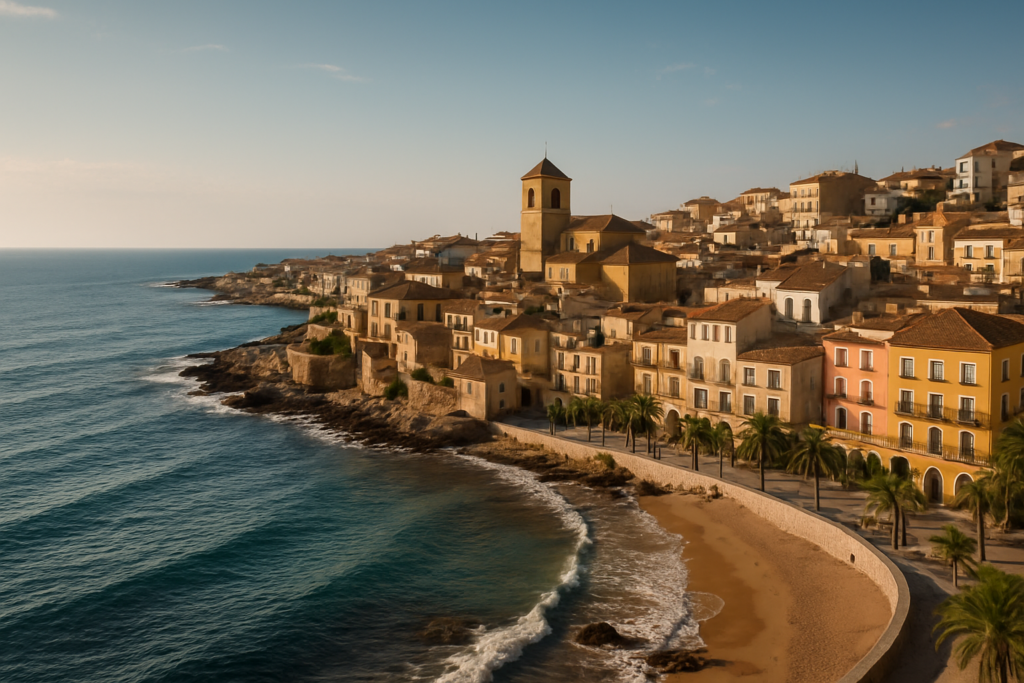
Molina de Segura at a glance
- Location: on the Segura river, about 10 km north of the city of Murcia.
- Transport: good motorway links via the A-30 to Murcia, Alicante and the coast.
- Food: classic Murcian cuisine — expect zarangollo, michirones, marinera tapas and produce from the huerta.
- Cultural highlights: Teatro Villa de Molina and an annual theatre festival anchor a lively programme.
- Landscape: sits near the Moorish-heritage Ricote Valley; thermal springs at Archena are a short drive upriver.
- Industry: historically prominent in fruit-and-vegetable canning and food processing.
Before you plan
This guide reflects the town’s present mix of industry, agriculture and cultural activity. No major venue closures are flagged in our verified sources, but check local listings for the Teatro Villa de Molina programme and festival dates before you travel — these are the most important live events that shape when the town feels busiest.
Things to do in Molina de Segura
The draw here is local everyday life: historic streets that rise to an old castle, a compact cultural scene with strong theatrical programming, riverside walks and food rooted in the Segura huerta. Day trips to nearby landscapes and spas are straightforward, so plan a couple of half‑day outings alongside the town’s own sights.
| Attraction | What it is | Price/entry | Best for |
|---|---|---|---|
| Teatro Villa de Molina | Town theatre and festival hub | — | Performing-arts visitors, festival-goers |
| Old town hill (Castillo ruins & Nuestra Señora de la Asunción) | Historic core with church and castle remains | — | History buffs, photographers |
| Ricote Valley | Moorish-heritage valley upriver | — | Scenic drives, cultural landscapes |
| Archena thermal springs | Thermal baths a short drive upriver | — | Wellness and spa visitors |
Theatre and festivals
The town’s recent public profile rests largely on culture: a central theatre and a well-regarded annual theatre festival have given Molina de Segura a reputation that outstrips what you might expect from an industrial, food-processing town. If you like live performance, check the theatre’s season and festival schedule — this is when the place really comes alive and when local bars and restaurants feel busier.
Old town and hilltop remains
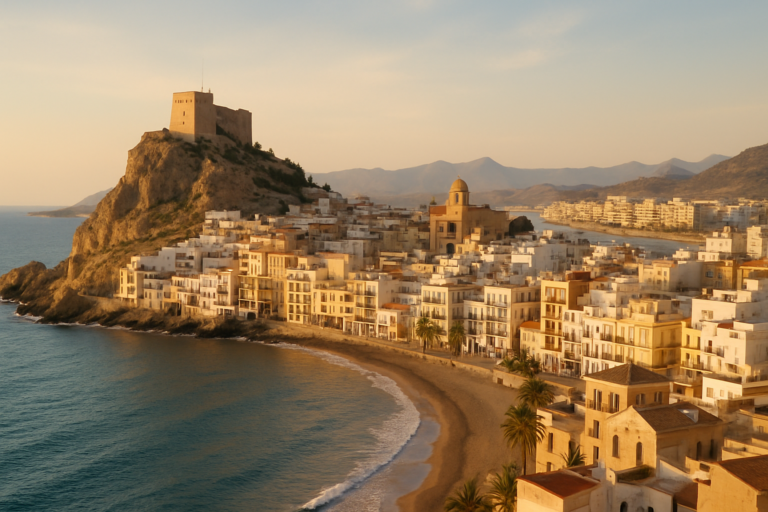
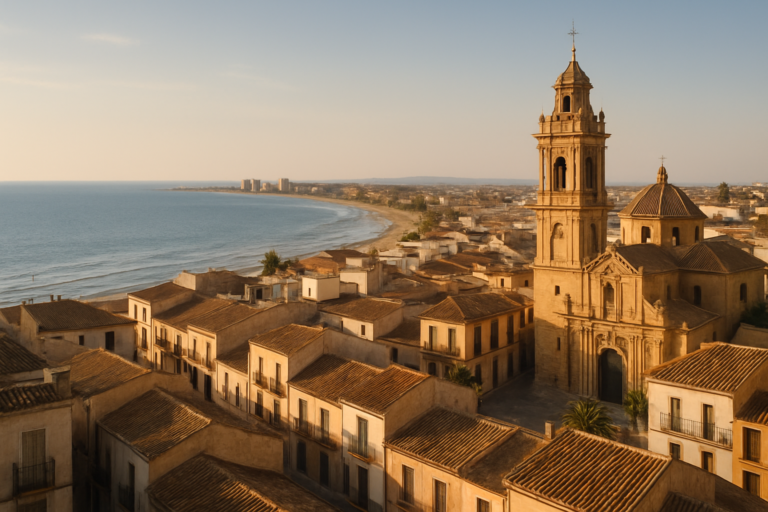
The historic quarter climbs a hill. At the top are the remains of the Castillo de Molina and the church of Nuestra Señora de la Asunción. The streets below have a working-town character, but the hill offers the clearest link to the town’s long history and the best vantage points for the Segura river valley.
Day trips from here
There’s plenty to do within a short drive. The Moorish-heritage Ricote Valley is upriver and rewards a leisurely exploration of small villages and agricultural landscapes. Nearby Archena is known for its thermal springs if you’re planning a spa day. The city of Murcia — with a baroque cathedral and its own famous Semana Santa — is a short trip to the south, and the Costa Cálida and Mar Menor are within about an hour’s drive for beach days.
Best beaches in the area
Molina de Segura itself is inland on the Segura, but the town makes a practical base for a day at the coast. The drive times are reasonable and the Costa Cálida and Mar Menor each offer very different seaside experiences.
| Beach | Character | Facilities / Blue Flag |
|---|---|---|
| Costa Cálida beaches | Sandy Mediterranean coastline with a variety of resort towns | — |
| Mar Menor lagoon | Shallow, warm lagoon popular with families and water sports | — |
Molina de Segura with kids
Families will find easy, low‑pressure days here. The riverfront and compact old town are walkable; the nearby Mar Menor lagoon offers shallow-water beaches that suit children; and a spa visit at Archena can be a relaxing multi-generational treat. Theatre events can also include family programming during festival weeks — check listings for child-friendly performances. The town’s working, unpretentious character makes it straightforward rather than staged for tourists, which many parents appreciate.
How to get to Molina de Segura and get around
Road access is the simplest and most useful way to reach and move around the area. The A-30 motorway gives direct links south to the city of Murcia and north-east towards Alicante and the coast, which makes day trips and onward travel easy. Public-transport details and frequencies can change, so for precise bus or train options check regional timetables; many visitors choose to travel by car for flexibility.
| From | By | Approx time |
|---|---|---|
| Murcia (city) | By car via the A-30 | Short drive |
| Costa Cálida / Mar Menor | By car | About an hour’s drive |
Where to stay in the town
Accommodation tends to follow practical lines rather than resort clusters. Aim for a central location if you want easy walking access to the theatre, old town and riverside. Staying slightly outside the core can suit people travelling by car who plan to day-trip to the Ricote Valley, Archena or the coast. The town functions well as a base if you want to balance culture and countryside rather than beachfront time every day.
Best time to visit Molina de Segura
Festivals and outdoor events shape the feel of the year. Semana Santa and the town’s patron-saint festivities are highlights — those religious and civic celebrations brighten spring and early-summer calendars. For beaches, the warm months naturally attract day-trippers, while the shoulder seasons are pleasant for walking, theatre visits and exploring the huerta landscapes.
| Season | Months | What to expect |
|---|---|---|
| Spring | Spring months | Festival activity (Semana Santa and patron-saint festivities); good for theatre programming |
| Summer | Summer months | Busy for day trips to Costa Cálida and Mar Menor beaches |
| Autumn / Winter | Autumn and winter months | Quieter; easier access to nearby valleys and thermal baths |
History of the area
The town’s history is visible in its hilltop core. Remains of the Castillo de Molina point to earlier defensive needs, while the church of Nuestra Señora de la Asunción anchors the historic parish. The surrounding Ricote Valley preserves a Moorish heritage that shaped settlement and agriculture in the region. Over more recent centuries the town became important for fruit- and vegetable-canning and food processing, a legacy that still influences the local economy and landscape of orchards and huerta plots.
Practical info
- Motorway access: The A-30 provides strong road connections to Murcia, Alicante and coastal destinations — this is the primary route most visitors use.
- Food and market goods: The fertile Segura huerta surrounds the town; local restaurants feature classic Murcian dishes like zarangollo, michirones and marinera tapas, and much of the produce feeds the town’s long-standing food industry.
- Cultural calendar: The Teatro Villa de Molina and the annual theatre festival are the cultural highlights; check listings in advance for performances, especially during festival periods.
- Nearby wellness: Archena’s thermal springs are a short drive upriver and are the closest notable spa option.
- Day trips: Murcia city and the region’s beaches are easily accessible by car, making the town a practical base for mixed itineraries.
Worth it for: travellers who want an authentic Murcian riverside town with a strong local food identity, easy motorway access for day trips, and a surprisingly active theatre and festival scene.
Less so if: you’re seeking a purpose-built seaside resort or an evening-first nightlife scene — coastal towns and Murcia city will better suit those expectations.
How we assess this guide
We compiled this guide by cross-checking verified local claims about the town’s geography, culture and economy. We flag current statuses when sources indicate closures or redevelopment; where specific details such as prices or timetables were not available in our verified set, we have omitted them rather than guess. This is a synthesis of reliable sources, not a first‑hand travel report.
Frequently asked questions
How far is Molina de Segura from Murcia airport / the city?
The town lies about 10 km north of the city of Murcia. Road connections via the A-30 make it a short drive to the city; for exact airport transfer times check current transport options.
Is Molina de Segura expensive for food and dining?
Local cuisine is classic Murcian and built around produce from the Segura huerta. Because the town has an agricultural and food-processing base, eating out tends to reflect regional, everyday prices rather than resort premiums — restaurants focus on dishes like zarangollo, michirones and marinera tapas.
Which beach is best for a day trip?
The Costa Cálida coastline and the Mar Menor lagoon are both within about an hour’s drive. The Mar Menor offers shallow, warm waters that are good for families, while the Costa Cálida provides a broader range of resort beaches.
How many days should I plan here?
A stay of two to three days lets you see the old town and cultural offerings, and take a day trip — for example to the Ricote Valley, Archena’s thermal springs or the beaches. Extend the trip if you want more time at the coast or to explore Murcia city in depth.
Is it a good destination for families?
Yes. The town’s walkable centre, nearby shallow lagoon beaches and spa options make it straightforward for families. Festival programming can include family-friendly events, depending on the season.
Can I get around without a car?
Walking covers the compact town centre well. For day trips to the Ricote Valley, Archena or the coast, a car offers the most flexibility. Public transport links exist, but check regional timetables for the latest bus or train services.
Is parking easy to find?
Because the town is not a purpose-built resort, on‑street and municipal parking patterns are generally practical; accessibility by car is straightforward thanks to motorway links. If you’re visiting during a festival or major event, arrive early for central parking.
What if it rains — are there indoor activities?
The Teatro Villa de Molina and its programme are the main indoor cultural attractions. Museums and local restaurants also provide good alternatives on wet days; for spa time, the thermal springs at Archena are a covered wellness option.
When are the main festas and events?
Semana Santa and the town’s patron-saint festivities are among the most lively annual events. The theatre festival is another major draw — check cultural calendars for specific dates as they change each year.
Is Molina de Segura well connected to the coast?
Yes. The A-30 gives quick access to the Costa Cálida and the Mar Menor, each within about an hour’s drive, making beach day trips from the town straightforward.
What local dishes should I try?
Try typical Murcian dishes such as zarangollo, michirones and marinera tapas, all reflecting the huerta produce that surrounds the town.
Are there good options for wellness and spas nearby?
Archena’s thermal springs lie a short drive upriver and are the most notable nearby spa option; they’re a practical choice for a day devoted to relaxation and wellness.
Will I see evidence of Moorish history?
Yes. The Ricote Valley nearby preserves Moorish heritage in its landscape and settlements, and the old town’s hilltop castle remains hint at the layered history of the area.
Is the town safe for solo travellers?
The town’s everyday, working-town character and compact centre make it suitable for solo travellers. Usual precautions apply, and festival times are when areas feel most populated and active.
How does the town’s industrial past affect the visit?
The legacy of fruit- and vegetable-canning and food processing is still visible in the local economy and landscape. That industry has helped create a strong local food culture and a town that feels lived-in rather than staged for tourism.
Plan the wider trip
Nearby on the Costa Cálida
Molina De Segura on the map
This place is part of our Costa Cálida — the honest guide to Spain's warm coast — see every town, beach and cove we have mapped on that coast.
How this page is maintained. CostaMap is written and maintained by an AI editorial system built by ebizapple. Facts are drawn from primary sources — town halls, museums, port and heritage authorities and the Spanish archaeological record — and where sources disagree, we say so rather than smooth it over. Photographs marked as ours are taken on location. This page was last reviewed on 27 July 2026. Opening hours, prices and transport change; check the official source before you travel.