
Expect a compact, working suburb that sits cheek-by-jowl with Valencia rather than a self-contained tourist town. You won’t find palm-lined promenades or resort trappings here; you will find a lived-in centre with a baroque parish church, market stalls, horchata cafés and an easy metro hop into the city. If you want an authentic slice of Valencian everyday life and short links to big-city sights, this is a practical base — but treat it as a neighbourhood to explore, not a standalone destination.
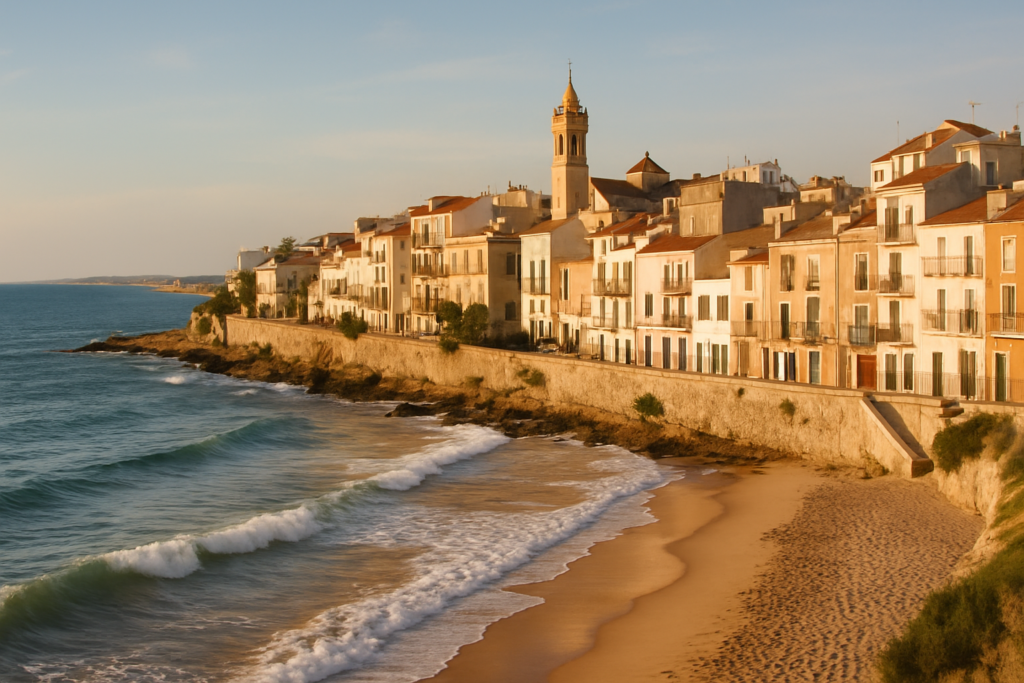
Paiporta at a glance
- Historic core with a baroque parish church and traditional alquerías (farmhouses) from the irrigation agriculture of l’Horta.
- Part of Valencia’s continuous urban area — the border with neighbouring suburbs is nearly invisible.
- Strong horchata and fartons tradition; the surrounding l’Horta grows chufa (tigernut) used for horchata.
- Metrovalencia line 1 links the town to Valencia city centre in about 15–20 minutes — easy day trips without a car.
- Valencia Airport (Manises, VLC) is roughly a 15-minute drive away.
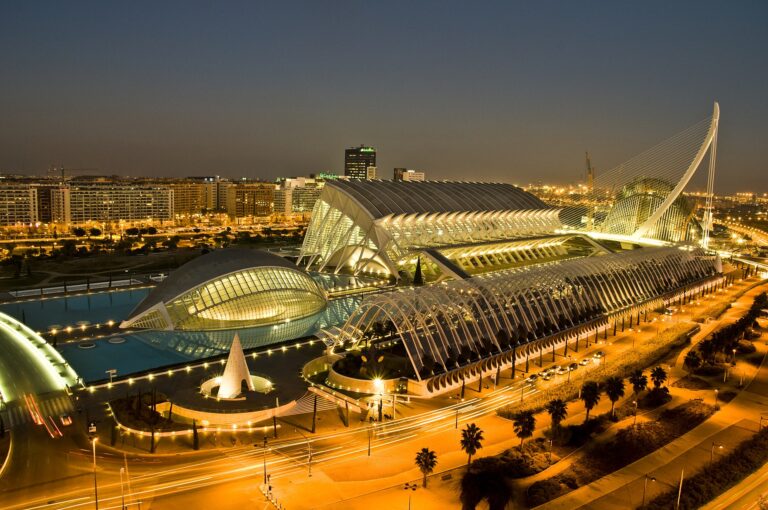
- No beaches in town; Valencia’s beaches and the Ciutat de les Arts i les Ciències are roughly 20 minutes away by transport.
- Falles celebrations in March follow the wider Valencia pattern of ninots and nightly bonfires.
Before you plan
The town was badly affected by the DANA floods in October 2024 but has largely been rebuilt; visitors today will find a functioning centre. Expect some scars from recent repairs and infrastructure work in places—this is a place that recovered rather than a preserved historic showpiece.
Things to do in the town
Most visitor time here is about low-key cultural browsing, food-focused stops and quick connections into Valencia. Sights are compact and practical: a parish church and old irrigation farmhouses, neighbourhood shopping and markets, and local food traditions to taste. You won’t need more than a day or two to see what the place is really like; longer stays suit people using the town as a calm base for Valencia’s museums and beaches.
| Attraction | What it is | Price/entry | Best for |
|---|---|---|---|
| Historic core & baroque parish church | Town centre with a baroque parish church and traditional alquerías | — | Architecture and local history |
| Local market / weekly market | Authentic everyday shopping atmosphere, not touristy | — | Food shoppers and people-watching |
| Horchata cafés and bakeries | Local horchata and fartons culture; ingredients from l’Horta | — | Food lovers and families |
The historic core and parish church
The town’s historic kernel is compact. The parish church, built in a baroque idiom, anchors a neighbourhood that still shows traces of the old irrigation-farm landscape: alquerías — small farmhouses — survive as reminders of a rural economy that once dominated l’Horta. Walk the side streets to see how agricultural settlement patterns sit inside a modern suburban fabric; the contrast between these older plots and the surrounding urban sprawl is striking precisely because the wider area feels continuous with Valencia.
Markets and local shopping
Local trade and a weekly market give the centre an authentic, unfussy everyday hum. This isn’t a market that exists primarily for tourists — it serves neighbours buying fruit, vegetables and essentials. If you want to see the town functioning as it does for residents, a market morning is the clearest way to experience that low-key, genuine atmosphere.
Taste horchata and fartons
Food is a principal reason to linger. The town has a long tradition of horchata and the light elongated pastries called fartons that are typically dunked into the chilled drink. The surrounding l’Horta farms supply the chufa (tiger nut) used to make horchata; horchata pride is a local cultural marker and cafés that specialise in it are part of everyday life rather than staged attractions.
Best beaches nearby
The town itself has no beach; for sun and sand you need to continue to Valencia. The city’s beaches are the nearest coastal options and are reachable in about 20 minutes by public transport or car, making day trips straightforward if you want both a neighbourhood stay and a beach day.
The town with kids
The area works for families who want calm residential streets, short outings and quick access to major family attractions in Valencia. A short metro or car ride brings you to child-focused destinations such as science and aquarium complexes in the city, while local horchata cafés make for an easy kid-friendly treat. The absence of beach in the town means you should plan at least one day trip if your children expect seaside time.
How to get to the area and get around
Arrival and movement here are straightforward if you use public transport. The town sits within Valencia’s contiguous urban spread, so distances feel short and connections are frequent.
| From | By | Approx time |
|---|---|---|
| Valencia Airport (Manises, VLC) | Car / taxi | About 15 minutes |
| Valencia city centre | Metrovalencia line 1 | About 15–20 minutes |
Metrovalencia line 1 makes a day trip into the city centre extremely easy; you can rely on the metro for museum visits, dining out in Valencia and access to the beaches without hiring a car. For airport transfers a taxi or ride-hail will get you to the terminal quickly; the short driving times reflect how tightly knit the metropolitan area is.
Where to stay in the town
The town is compact rather than zoned into visitor districts. Choose a place close to the historic core if you want the baroque church, market and street life on your doorstep. A stay nearer the metro station favours convenience for reaching Valencia’s museums, beaches and airport. Because the town functions as a suburb, accommodation choices are aimed first at residents and second at visitors.
Best time to visit the area
For most travellers the shoulder seasons are the best compromise between pleasant weather and fewer crowds. March is culturally significant because of the Falles celebrations that sweep the Valencia region; the spring months and early autumn offer mild weather for walking and day trips. Summer is hot and humid, and this is when the town feels most like a residential place seeking shade and air-conditioning rather than a sightseeing destination.
| Season | Months | What to expect |
|---|---|---|
| Spring | March–June | Best months overall; March has Falles, April–June offer pleasant temperatures |
| Summer | July–August | Hot and humid; good for beach trips in Valencia but less comfortable for walking |
| Autumn | September–October | Warm early autumn, quieter; October can be unsettled (note DANA floods in 2024) |
| Winter | November–February | Milder winters than northern Europe; quieter visitor scene |
History of the town
The settlement grew from an agricultural hinterland shaped by irrigation canals and small-scale farming. Its surviving alquerías are physical evidence of an agrarian past centred on the highly productive plots of l’Horta, which supplied Valencia with vegetables and specialty crops. Over time, urban expansion folded the area into Valencia’s metropolitan fabric, but the parish church and farmhouses keep visible connections to the pre-urban landscape.
Practical info
Languages: Valencian and Spanish are used interchangeably; you’ll hear both in shops and cafés. Food and eating: local cuisine follows Valencian traditions — paella, all i pebre and fresh vegetables from l’Horta are typical on menus. Accessibility: the metro link is the easiest way to move to and from the city; expect standard suburban accessibility rather than tourist-oriented infrastructure. Recovery: the town was heavily damaged in the October 2024 DANA floods but has been largely reconstructed; central services and businesses are operating.
Worth it for: travellers seeking an authentic Valencian suburb, short stays with easy metro access to Valencia, and anyone curious about horchata culture and agricultural heritage. Less so if: you want a seaside resort, a concentrated high-tourism townscape, or a destination that’s all sightseeing within its own borders.
How we assess this guide
This guide compiles verified facts about the town’s geography, transport links, food traditions and recent infrastructure changes. We cross-checked metro travel times, airport proximity, historical features (baroque parish church and alquerías), the local horchata tradition and the town’s recovery after the October 2024 DANA floods. We flag material changes and closures where relevant and rely on secondary verified sources rather than first‑hand field reporting.
Frequently asked questions
How do I get from Valencia Airport to the town?
A taxi or car journey from Valencia Airport (Manises) takes roughly 15 minutes. The town is also linked into Valencia’s public transport network for onward travel from the airport via the city.
Can I visit the beaches from here?
Yes — the town has no beach of its own, but Valencia’s beaches are about 20 minutes away by metro or car, making day trips easy.
Is the town expensive to visit?
Local life here is typical of Valencia suburbs: not priced like a tourist resort. Markets and local cafés offer affordable eating options and a more everyday pricing structure than central tourist zones.
Which is the best beach to visit nearby?
Valencia’s city beaches are the nearest coastal option; they are the obvious choice for a day at the sea from here. Choose specific beaches in Valencia depending on whether you want a busy urban strand or quieter sections further along the coast.
How many days do I need to see the town?
A day is enough to see the historic core, visit a market and sample horchata. Stay longer if you plan to use the town as a quiet base while visiting Valencia’s museums, beaches and attractions.
Is the town family-friendly?
Yes — neighbourhood streets, horchata cafés and easy metro access to family attractions in Valencia make it a fine choice for families who don’t need an on-site beach.
Can I get around without a car?
Absolutely. Metrovalencia line 1 connects the town to Valencia city centre in roughly 15–20 minutes, and local walking covers the core. The town’s integration into the Valencia metro area keeps public transport practical for most visitor needs.
Is parking easy?
As a suburb within a continuous urban area, street and municipal parking exist, but specifics vary by block and are oriented toward residents. If you plan to drive, look for accommodation with parking or check local signage on arrival.
What are rainy-day options?
For rainy days, take the metro into Valencia where museums, cultural centres and indoor attractions can fill a day. Within the town, cafés and covered market stalls provide sheltered, low-key options for exploring local life.
When is the best time to visit for weather and events?
March through June and September–October are the recommended windows. March is notable for the Falles festival across the Valencia area; summer is hot and humid if you plan outdoor exploration.
Does the town celebrate Falles?
Yes — the town observes Falles in March, following the region’s traditions of building ninots and nightly bonfires similar to Valencia’s celebrations.
What is horchata and where can I try it here?
Horchata is a traditional chilled drink made from chufa (tigernut) and is a local speciality. The town has a long horchata and fartons tradition; cafés serving horchata are part of everyday life rather than tourist showcases.
Is the historic centre open to visitors after the 2024 floods?
Yes—the town was heavily hit in October 2024 but has largely been rebuilt, and the centre is functioning for residents and visitors.
Will local people speak Valencian or Spanish?
Both Valencian and Spanish are commonly used; you will hear both languages in shops, cafés and everyday conversation.
Is the town a good base for visiting Valencia’s main attractions?
Yes. With a 15–20 minute metro ride to central Valencia and quick airport drives, the town serves as a practical, quieter base for exploring the city’s museums, Ciutat de les Arts i les Ciències, and beaches.
Plan the wider trip
Nearby on the Costa de Valencia
Paiporta on the map
Places worth knowing near Paiporta
This place is part of our Costa de Valencia Guide: The City, the Albufera and Paella — see every town, beach and cove we have mapped on that coast.
How this page is maintained. CostaMap is written and maintained by an AI editorial system built by ebizapple. Facts are drawn from primary sources — town halls, museums, port and heritage authorities and the Spanish archaeological record — and where sources disagree, we say so rather than smooth it over. Photographs marked as ours are taken on location. This page was last reviewed on 28 July 2026. Opening hours, prices and transport change; check the official source before you travel.