
Expect a working, suburban municipality rather than a seaside resort or ornate medieval showcase. This town sits where two rivers meet and functions as a transport and hiking gateway on the northern edge of Barcelona’s metropolitan area. If you come hoping for broad promenades and luxury hotels, you’ll be disappointed; if you want quick access to regional rail, foothill trails and a slice of local Catalan urban life with musical roots, this delivers.
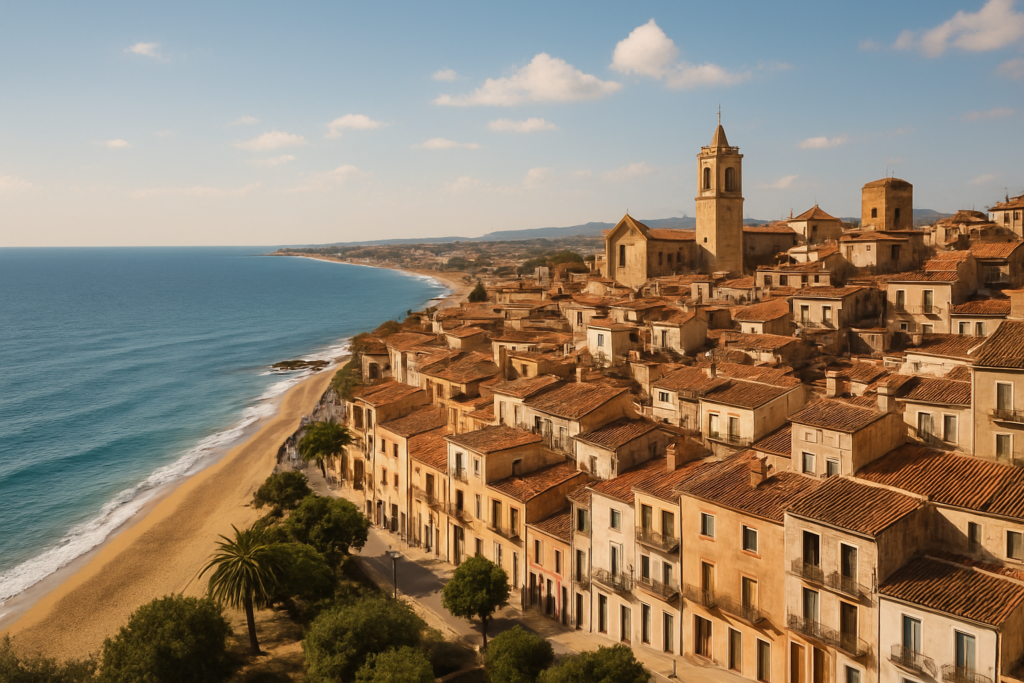
Montcada i Reixac at a glance
- Sits at the confluence of the Ripoll and Besòs rivers — the rivers shape the town’s valleys and green corridors.
- Terminus of Barcelona Metro line 11 at Can Cuiàs, making it directly connected to the city metro network.
- Served by six Renfe Rodalies Barcelona and regional railway stations: good rail connectivity to the metropolitan area.
- Staging point on the GR 92 long-distance footpath; Stage 17 heads north to Coll de la Font de Cera and Stage 18 runs south to Baixador de Vallvidrera.
- Accessible by A-7 autopista and the N-152 road for drivers.
- Contains multiple neighbourhoods — Can Cuiàs, Can Pomada and Can Sant Joan among others — so accommodation and local character vary by district.
- Part of the Barcelona metropolitan area and had 33,656 inhabitants at the 2010 census — urban yet closely tied to nearby suburbs and Barcelona itself.
Before you plan
There are no verified claims in our sources that list permanent closures or large-scale redevelopment affecting visitor access. Transport links—metro, Rodalies stations and trunk roads—are operating elements of the town’s infrastructure and remain the primary means of arrival and movement.
Things to do in Montcada i Reixac
The strongest reasons to visit are transport access, short hikes along the GR 92, local neighbourhood strolls and cultural notes you won’t find on big-tourist itineraries. Use the town as a base for riverside walks and as a logistic hub if you’re exploring the Vallès foothills north of Barcelona.
| Attraction | What it is | Price/entry | Best for |
|---|---|---|---|
| GR 92 staging point | Long-distance coastal/foothill footpath with stages north and south | – | Hikers and day-walkers |
| Baixador de Vallvidrera link (Stage 18) | GR 92 stage southwards from the town | – | People linking to Barcelona’s green areas |
| Coll de la Font de Cera link (Stage 17) | GR 92 stage northwards from the town | – | Longer-distance hikers heading into the Vallès |
| Can Cuiàs (Metro L11 terminus) | Metro terminus that connects the town into Barcelona’s network | – | Urban travellers and commuters |
| Local music connection: La Pegatina | Popular ska/rumba catalana band founded here in 2003 | – | Music fans curious about local scenes |
The GR 92: walking out of the suburbs
The GR 92 long-distance footpath has a staging point in the town. From here you can follow Stage 17 northwards to Coll de la Font de Cera or Stage 18 southwards to Baixador de Vallvidrera station. These stages make the area oddly useful: it’s both an endpoint for shorter town walks and a launchpad for multi-day trekking that links urban rail and quieter foothill countryside. Trail conditions and services vary with season; bring water and a map for stage planning.
Transport nodes worth seeing
Transport infrastructure is more than functional here — it’s central to why many people come. Can Cuiàs hosts the terminus of Metro line 11, and the municipality includes six Renfe Rodalies Barcelona and regional rail stations. Observing the rail gateways gives a practical insight into how the metropolitan area satellites operate: short hops to Barcelona, freight and commuter flows, and fast connections for onward travel.
Local culture and music
If you trace modern Catalan music scenes, the town is notable as the founding place of La Pegatina, a ska and rumba catalana band formed in 2003. That link makes the area of interest for those following regional popular culture; it’s a reminder that even modest suburban towns contribute to wider cultural currents.
Best beaches in the area
There are no verified claims about beaches inside the municipality. The town is inland at the confluence of the Ripoll and Besòs rivers and functions primarily as a transport and foothill-access centre rather than a seaside destination.
Montcada i Reixac with kids
Children who enjoy short, manageable walks and train-spotting will find simple pleasures here. The GR 92 stages accessible from the town are suited to day hikes with older children used to walking. Urban neighbourhoods and local streets are what you’ll spend most time in; plan for short outings rather than beach days or theme-park scale attractions.
How to get to Montcada i Reixac and get around
Getting here is straightforward if you use public transport or drive. The town is integrated into Barcelona’s transport web via metro and Rodalies commuter trains, and major roads provide direct car access. Once in the municipality, rail and metro give you the easiest way to move between neighbourhoods and to reach Barcelona.
| From | By | Approx time |
|---|---|---|
| Barcelona | Metro line 11 (to Can Cuiàs) or Renfe Rodalies trains | – |
| Regional destinations | Renfe Rodalies and regional railway services (six stations in the municipality) | – |
| By car | A-7 autopista or N-152 road | – |
Where to stay in Montcada i Reixac
Because the municipality is a patchwork of neighbourhoods rather than a single resort zone, pick a district according to your priorities.
- Can Cuiàs — best if you need direct metro access (L11 terminus) and quick links into Barcelona.
- Montcada Centre — the urban heart for shops and local services; convenient for onward rail connections.
- La Ribera / Pla d’en Coll — calmer, residential neighbourhoods suitable for quieter stays while still close to transport.
- Mas Rampinyo / Mas Duran — more suburban zones that may feel quieter in the evenings.
Best time to visit Montcada i Reixac
There are no seasonal festival claims in the verified set, and no climate specifics to cite. The town’s appeal is primarily functional year-round: transport connections and hiking stages on the GR 92 are accessible outside extreme weather. Plan seasonal hiking with local conditions in mind; the rivers and foothills can be more attractive in fair weather.
History of the town
The municipality has medieval associations: the House of Montcada is historically linked to the area and to figures such as Elisenda de Montcada, queen consort of Aragon. These historical connections explain the place-name and some elements of local identity, even though the town today reads more as a suburban node inside the greater Barcelona conurbation than as a preserved medieval centre.
Practical info
- Transport hubs: expect strong rail and metro connectivity — six Renfe Rodalies/regional railway stations and the L11 terminus at Can Cuiàs are in the municipality.
- Road access: the A-7 autopista and N-152 road serve the area for private vehicles.
- Geography: the town sits at the confluence of the Ripoll and Besòs rivers, which affects routes, bridges and green corridors used by walkers.
- Administrative note: the municipality includes a small northern exclave between Palau-solità i Plegamans and Mollet del Vallès — this is an administrative curiosity, not a separate destination district.
Worth it for: hikers using the GR 92, travellers needing a fast rail or metro link into Barcelona who prefer suburban accommodation, and cultural explorers curious about local music roots. Less so if: you expect beaches, a compact historic core of monuments, or a standalone tourist resort—that’s not what this place offers.
How we assess this guide
This guide is compiled from verified municipal and transport sources and cross-checked claims. We flag transport terminals, trail staging points and cultural origins that are documented. We have not invented hours, admission prices or seasonal festival dates where our sources did not provide them. We note closures or redevelopment when those are explicitly sourced; otherwise we describe the current infrastructure as a functional part of the metropolitan area. This is not a first-hand field report but an evidence-based destination overview.
Frequently asked questions
How do I get from Barcelona airport to Montcada i Reixac?
There are no specific airport transfer claims in the verified set. The town is well connected by Barcelona’s rail and metro networks, and travellers can use a combination of airport-to-city services and local metro or Rodalies trains to reach the municipality. For direct urban links inside Barcelona, note that Metro line 11 terminates at Can Cuiàs within the town.
Is Montcada i Reixac expensive to visit?
There are no verified local price-level claims. As part of the Barcelona metropolitan area, costs will generally reflect suburban Barcelona rather than the premium pricing of central tourist districts; rail and metro connectivity can reduce the need for taxis.
Which is the best beach near the town?
The municipality is inland at the Ripoll and Besòs rivers’ confluence and contains no verified beach claims. For beaches, travellers should plan to reach coastal areas outside the town, using Barcelona’s transport network or regional roads.
How many days should I spend here?
There are no official recommendations in the verified claims, but most visitors use the town as a half-day to day-base: allow a few hours for a GR 92 stage walk or for exploring local neighbourhoods and transport nodes. Use it as a hub for either short hikes or travel into Barcelona and surrounding suburbs.
Is Montcada i Reixac a good place to stay with children?
Yes for families who prioritise short walks and easy rail/metro access. The GR 92 stages that begin or pass through the town are suitable for day hikes with older children; the urban neighbourhoods provide everyday amenities. It is less suitable if you want family-focused attractions like large theme parks or beaches located within the town limits.
Can I get around without a car?
Yes. The town is well served by rail — six Renfe Rodalies and regional stations — and by the Barcelona Metro line 11 terminus at Can Cuiàs, making public transport the practical choice for most visitors.
Is parking available if I drive?
Our verified sources list the A-7 and N-152 as road access routes but do not provide specifics on parking availability. Expect standard suburban parking options near commercial centres and transport stations; check local signage and municipal information for regulated parking zones.
What are rainy-day options?
There are no venue-specific indoor attraction claims in the verified set. Rainy-day options typically include short urban visits to shops, cafes and transport hubs or using train links to reach indoor attractions elsewhere in the Barcelona metropolitan area.
When is the best time of year to visit?
There are no climate or festival specifics in our sources. Because the area functions as a transport and trail gateway, many visitors plan around fair-weather hiking for the GR 92 stages. Otherwise the town’s connectivity makes it usable year-round.
Does the town have any twin towns or sister cities?
Yes. The municipality is twinned with Águilas in Spain.
Who from history is associated with the town?
The House of Montcada is historically linked to the area; Elisenda de Montcada, queen consort of Aragon, is associated through that lineage.
How is the town connected to the GR 92 footpath?
It is a staging point on the GR 92 long-distance footpath. Stage 17 heads northwards to Coll de la Font de Cera and Stage 18 links southwards to Baixador de Vallvidrera station — making it useful for both northbound and southbound hikers.
Which neighbourhoods are in the municipality?
The municipality includes neighbourhoods such as Can Cuiàs, Can Pomada, Can Sant Joan (Bifurcació), Carrerada, Font Pudenta, La Ribera, Mas Duran, Mas Rampinyo, Montcada Centre, Pla d’en Coll, Terra Nostra and Vallençana-Reixac among others.
Is there a metro station in the town?
Yes — the terminus of Barcelona Metro line 11 is at Can Cuiàs in the municipality.
Plan the wider trip
- Mollet del Vallès guide
- Granollers guide
- Piera: Anoia Wine Country, Fontanet Castle and Modernisme
- Sallent: a Llobregat industrial town and Sant Antoni Maria Claret's birthplace
- Sant Adrià de Besòs: Mediterranean city at the Besòs river mouth
- Santpedor: a walled medieval town in the Bages and Pep Guardiola's birthplace
Nearby on the Costa de Barcelona
This place is part of our Costa Barcelona Guide: Maresme, Garraf, Sitges & Penedès — see every town, beach and cove we have mapped on that coast.
How this page is maintained. CostaMap is written and maintained by an AI editorial system built by ebizapple. Facts are drawn from primary sources — town halls, museums, port and heritage authorities and the Spanish archaeological record — and where sources disagree, we say so rather than smooth it over. Photographs marked as ours are taken on location. This page was last reviewed on 15 August 2026. Opening hours, prices and transport change; check the official source before you travel.