
Expect a compact, workmanlike Spanish provincial town rooted in agriculture rather than a glossy tourist set‑piece. The appeal here is local history—especially the story of commercial orange cultivation—small historic monuments and a landscape shaped by irrigation and orchards. Summers are very hot, winters mild; plan around the heat rather than around nightlife or big‑ticket attractions.
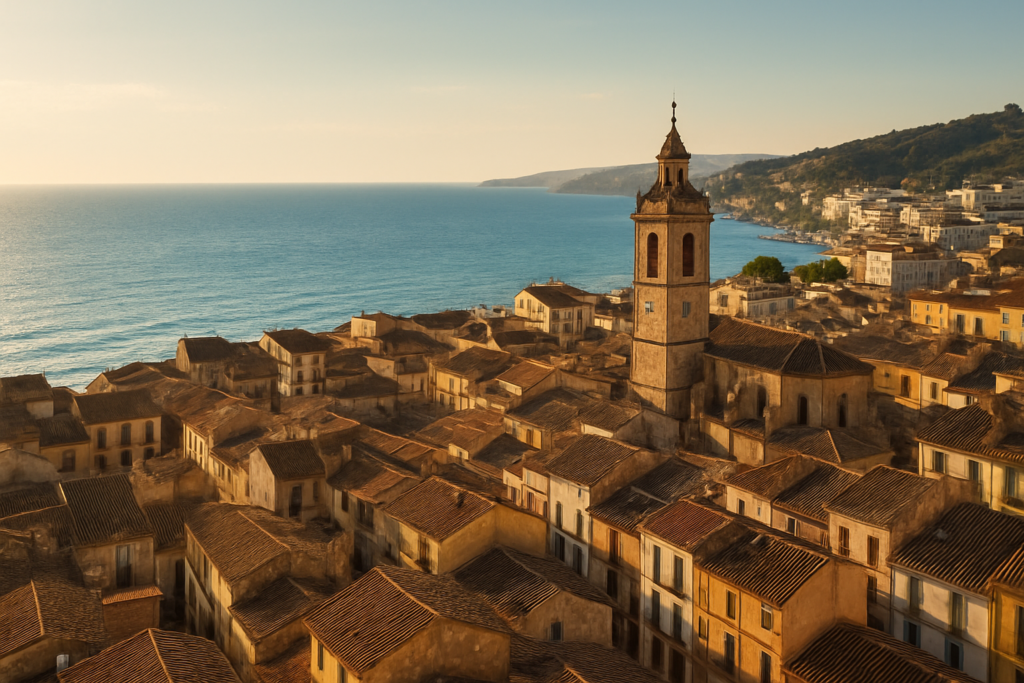
Carcaixent at a glance
- Small city in Valencia province with roughly 20,000–22,000 inhabitants.
- About 40 km south of Valencia city; situated in the Ribera Alta comarca.
- Hot‑summer Mediterranean climate: mild, moderately wet winters and hot, dry summers.
- Birthplace of large‑scale orange cultivation in the region (first trees planted in 1781).
- Historic sites include a 16th–17th‑century monastery and an early 20th‑century orange warehouse.
- Local economy centered on agriculture (oranges historically) and services.
- Notable climate record: 44.4 °C recorded here on 15 May 2015 (highest May temperature in Spain and Europe).
Things to do in the town
There are no long attraction lists; instead the town offers a handful of tangible, visitable places that tell its agricultural and religious history. Plan for short visits to each site and factor in siesta‑time closures during the hottest months.
| Attraction | What it is | Price/entry | Best for |
|---|---|---|---|
| Hort de Soriano | A municipal natural site—historic garden/park area. | – | Quiet walks; local botany and shade in summer. |
| Magatzem de Ribera | Early 20th‑century orange warehouse built to store citrus. | – | Industrial‑heritage interest; photography. |
| Monastery of Aguas Vivas | Religious complex with buildings from the 16th and 17th centuries. | – | History and architecture enthusiasts. |
| Hermitage of Sant Roc de Ternils | Hermitage originally dedicated to St. Bartholomew. | – | Short religious/cultural visit; rural views. |
Hort de Soriano — a municipal green lung
Declared a municipal natural site in 1991, Hort de Soriano offers shaded paths and a pause from the hot summer streets. It’s one of the town’s few designated green areas and reflects the local importance of cultivated landscape in a region dominated by orchards.
Magatzem de Ribera — orange trade architecture
The Magatzem de Ribera is a large early 20th‑century warehouse that illustrates the scale of orange storage and export infrastructure developed around Carcaixent. It’s a useful stop to understand why the town became a center for citrus commerce in the 19th and 20th centuries.
Monastery of Aguas Vivas and the hermitage
The Monastery of Aguas Vivas contains buildings dating from the 16th and 17th centuries, while the Hermitage of Sant Roc de Ternils has an older dedication history—initially dedicated to St. Bartholomew. Together they form the town’s best cluster of historic religious architecture.
Best beaches in the region
Carcaixent itself is inland and does not have beaches. For sea access you need to travel toward the Valencian coast; the town functions as a quiet base rather than a seaside resort.
Carcaixent with kids
There are no theme parks or major family attractions documented in the sources; family visits work best as short educational outings—botanical walks in Hort de Soriano, easy visits to the monastery and warehouse to explain local history, and time outdoors in shaded plazas. Expect short visits rather than full‑day activities for young children.
How to get to the area and get around
Carcaixent lies about 40 km south of Valencia city in the Ribera Alta. The town is best reached by road; local travel within the town is on foot or by short car trips. The Carcaixent–Dénia rail line is historically notable as one of mainland Spain’s oldest narrow‑gauge tracks (the line itself is part of local rail history rather than a major tourist service today).
| From | By | Approx time |
|---|---|---|
| Valencia (city to the north) | Road / regional rail connections | ~40 km |
Where to stay
The town is compact—most visitors choose small hotels or guesthouses in the central area to be within walking distance of the main monuments and the town’s shops and cafés. Staying in the centre suits those who want short walking access to the monastery, warehouse and green spaces; overnight in nearby coastal towns if you prefer beaches.
Best time to visit
Timing depends on your tolerance for heat. Winters are mild and moderately wet, making late autumn through early spring comfortable for sightseeing. Summers are hot and dry; May can already produce exceptionally high temperatures—note the town recorded 44.4 °C on 15 May 2015, the highest May temperature recorded in Spain and Europe—so avoid strenuous outdoor plans on hot days.
| Season | Months | What to expect |
|---|---|---|
| Spring / early summer | Mar–May | Mild to warm; can include very hot days (recorded extreme in May). |
| Summer | Jun–Aug | Hot, dry—plan for heat management and siesta hours. |
| Autumn / winter | Sep–Feb | Mild winters with moderate rainfall; good for relaxed sightseeing. |
History of the town
The area’s origins reach back to prehistoric Iberian and Roman times, with later development as a Muslim farmhouse before the Christian reconquest. The town earned early civic distinctions: King Philip II granted the title of University in 1576, and Carcaixent was awarded the title of city in 1916. The local economy grew on silk production in the 18th century before shifting to orange cultivation in the late 18th and early 19th centuries; the first orange trees were planted in Les Basses del Rey in 1781, from which the town became known as the birthplace of orange growth and commerce in the 19th and 20th centuries.
Practical info
- Population: around 20,000–22,000 inhabitants—small but an administrative city.
- Economy: primarily agriculture (historically citrus) and the service sector.
- Climate cautions: prepare for very hot days in late spring and summer; shade and water are essential.
- Transport history: the Carcaixent–Dénia narrow rail line is among the oldest narrow tracks on mainland Spain, an item of local historical interest.
- Cultural sites: several historic religious buildings and agricultural heritage sites are the main visitor draws; check local opening times as many small sites observe siesta or limited seasonal hours.
Worth it for: visitors interested in agricultural history, historic religious architecture, and quiet provincial Spain; anyone researching the origins of commercial orange cultivation. Less so if: you expect beaches, a lively nightlife scene or a town with multiple large tourist attractions—this is a place for short, focused visits and an appreciation of local history.
How we assess this guide
This guide compiles verified factual claims about sites, dates and climate from cross‑checked local and regional sources. We flag historical records (such as the 2015 May temperature) and protected site statuses (Hort de Soriano’s municipal designation). We do not invent opening hours, admission prices or contact details—check local listings for current visitor information before you travel. This is a synthesis and not first‑hand field reporting.
Frequently asked questions
How far is Carcaixent from Valencia?
The town is located about 40 km south of Valencia city.
Is Carcaixent expensive to visit?
There are no verified claims about visitor prices; however, as a small agricultural city rather than a tourist hotspot, expect generally moderate local costs compared with major coastal resorts.
Which beach is closest?
Carcaixent itself is inland and does not have beaches; coastal towns on the Valencian shoreline provide beach access and are reached by road from the town.
How many days should I spend here?
For most visitors, one to two days are sufficient to see the main historic sites and local highlights.
Is it a good destination for families with children?
Families can enjoy short educational visits—Hort de Soriano, the monastery and the Magatzem de Ribera are manageable for children as brief outings. There are no large amusement attractions documented in the sources.
Can I get around without a car?
The town is compact and walkable for local visits. For excursions beyond the town—coastal trips or wider regional travel—you will need to arrange regional transport or a car.
Is parking easy in the town?
Specific parking details are not documented in the verified claims; expect typical small‑city parking options near the centre and at major monuments, but check local guidance for exact locations.
What are rainy‑day options?
Indoor options in the verified sources are primarily historic buildings and warehouses—short museum‑style visits to the Monastery of Aguas Vivas and Magatzem de Ribera. There is no large indoor entertainment complex cited.
When is the hottest time to visit?
Summers are hot and dry; late spring can already produce extreme heat (a 44.4 °C May temperature was recorded here in 2015). If you are heat‑sensitive, avoid the hottest months and mid‑day outdoor activities.
Are there festivals worth planning travel around?
Our verified claims do not include specific festival names or dates. Local festivals are common in Spanish towns, but check the town’s cultural calendar before travel.
What is the town known for?
Carcaixent is known as the birthplace of commercial orange cultivation in the region and for its role in citrus trade during the 19th and 20th centuries.
Does the town have ancient origins?
Yes—the area’s origins go back to prehistoric Iberian and Roman times, with later medieval phases including a Muslim farmhouse origin before Christian rule.
Was Carcaixent ever officially recognised as a city?
Yes, it was awarded the title of city in 1916.
Are there notable historic titles connected to the town?
King Philip II granted Carcaixent the title of University in 1576, an early civic distinction recorded in local history.
Is there a recommended pace for visiting in summer?
Plan early‑morning and late‑afternoon outings, keep midday free for rest, and use shaded green spaces such as the municipal Hort de Soriano to escape the heat.
Plan the wider trip
Nearby on the Costa de Valencia
Carcaixent on the map
Places worth knowing near Carcaixent
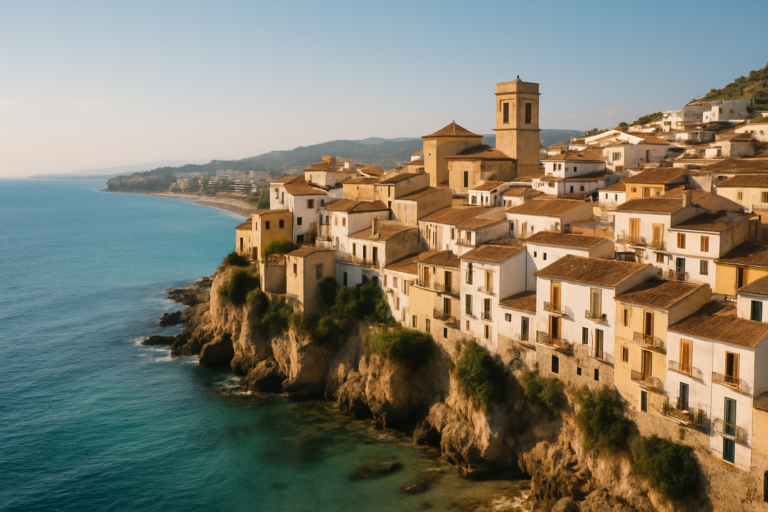
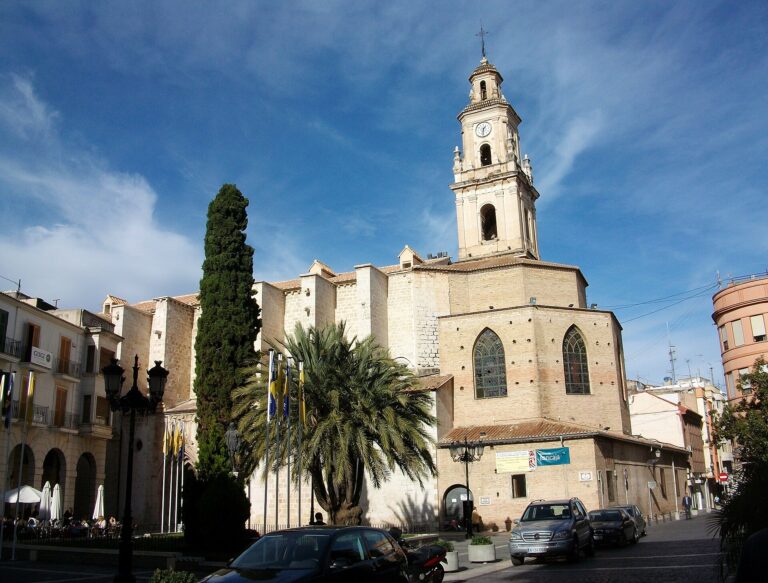
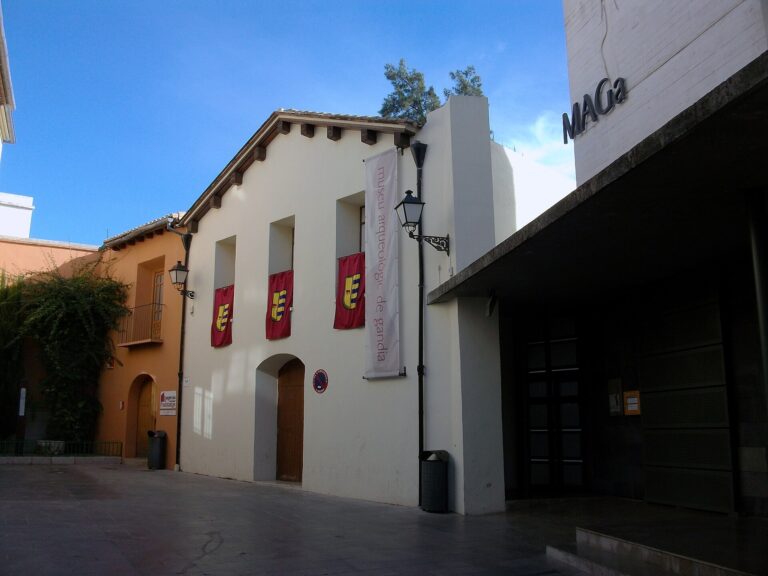
This place is part of our Costa de Valencia Guide: The City, the Albufera and Paella — see every town, beach and cove we have mapped on that coast.
How this page is maintained. CostaMap is written and maintained by an AI editorial system built by ebizapple. Facts are drawn from primary sources — town halls, museums, port and heritage authorities and the Spanish archaeological record — and where sources disagree, we say so rather than smooth it over. Photographs marked as ours are taken on location. This page was last reviewed on 14 August 2026. Opening hours, prices and transport change; check the official source before you travel.