
Expect a compact, layered visit: a fortified medieval core hemmed in by a low massif, a working riverside market rhythm and a nearby stretch of Costa Brava shore where a proper resort and a set of protected islands belong to the same municipality. This town mixes history, accessible walks (including long-distance trail links), and beachside bustle — but it’s not a single postcard scene; plan for separate experiences in the old town, the hills and the coast.
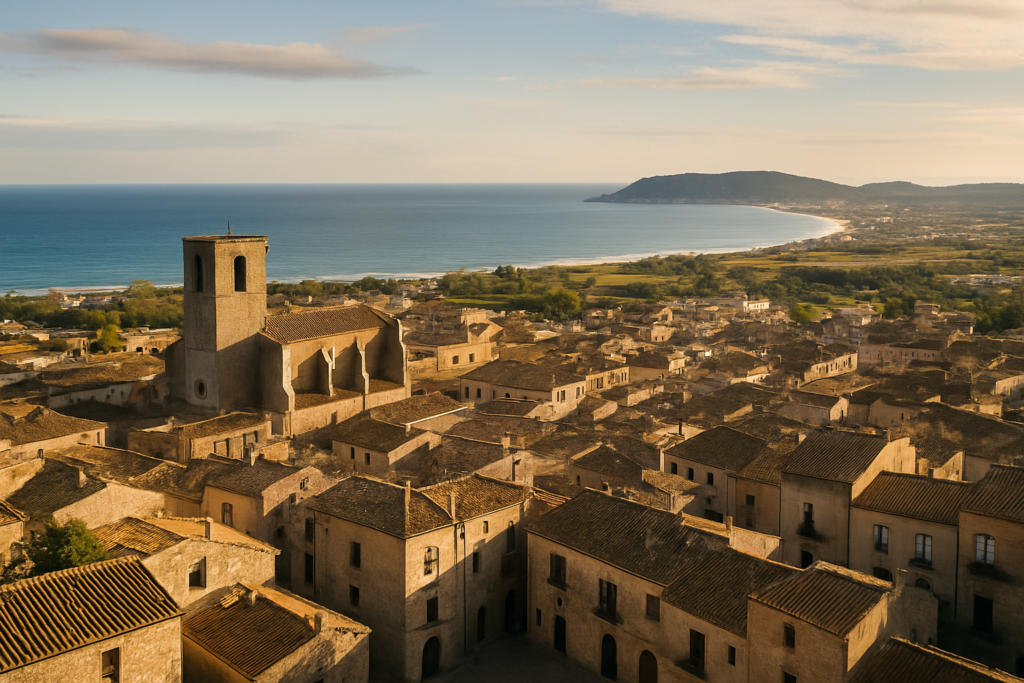
Torroella de Montgrí at a glance
- Small medieval town with preserved walls and a compact historic core.
- Montgrí Massif and Montgrí Castle rise on the northern edge — obvious on the skyline.
- Sits on the north bank of the Ter river, close to the Mediterranean shore.
- The municipality includes the beach resort of L’Estartit and the Medes Islands.
- Regular market every Monday in the town itself.
- Part of the GR 92 long‑distance footpath; stages crossing and climbing nearby.
- About 22 km east of Girona — the nearest major city referenced in travel info.
Things to do in the town
The area rewards a staggered itinerary: explore the medieval streets and walls, walk up to the castle for views, follow parts of the GR 92 and, when you want sun and sand, descend to the municipal beaches and islands. These are distinct activities — you’ll likely want at least a day for the historic core and another for coast/hiking.
| Attraction | What it is | Price/entry | Best for |
|---|---|---|---|
| Montgrí Castle | Hilltop medieval fortress on the Montgrí Massif | – | Views, short hike, history |
| Medieval core and walls | Historic streets and remaining fortifications in the town centre | – | History buffs, relaxed strolling |
| GR 92 stages | Long‑distance footpath passing through — with a climb and a river crossing nearby | – | Walkers and long‑distance hikers |
| L’Estartit beaches | Sandy resort beaches within the same municipality | – | Beachgoers, families |
| Medes Islands | Protected island group included in the municipality | – | Snorkelling/diving interest (note: protected status) |
Montgrí Castle and the massif
Perched at the top of the Montgrí Massif, the castle dominates the northern skyline. The massif towers over the town’s north side and the climb up is the local classic walk. The GR 92 route links here: stage 6 begins with the ascent to the castle from town, making this a frequent waypoint for through‑hikers. Plan the uphill section as a clear half‑day activity if you intend to linger at the top.
The medieval core and market
The heart of the settlement has preserved its medieval layout and portions of the original walls, so wandering the narrow lanes and seeing remnants of fortification is straightforward and compact. If your visit aligns with Monday, you’ll encounter the town’s market — a predictable and useful way to experience local foodstuffs and daily life.
Walking the GR 92 here
The GR 92 long‑distance trail passes through town; walkers will find two notable nearby stages. Stage 6 starts with the climb to Montgrí Castle, offering a steep opening segment. Stage 7 crosses the Ter river from the town, marking a distinct change in landscape. Use these stages to piece together short day walks or longer hikes that incorporate both shoreline and upland views.
Best beaches in the area
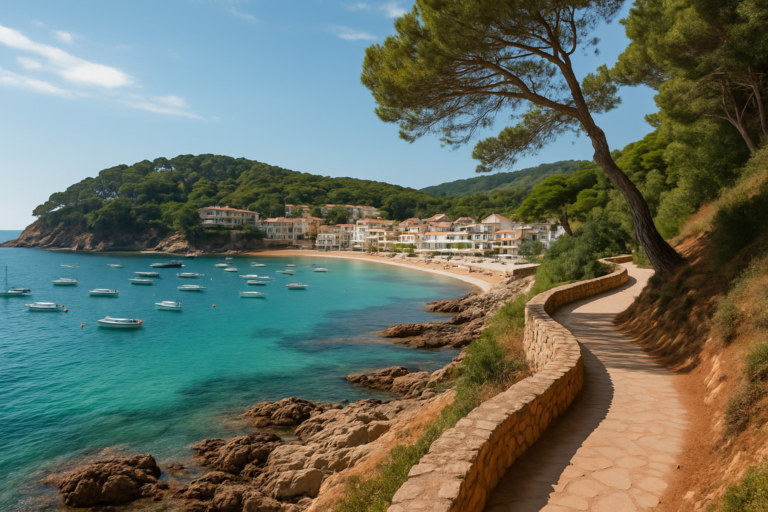
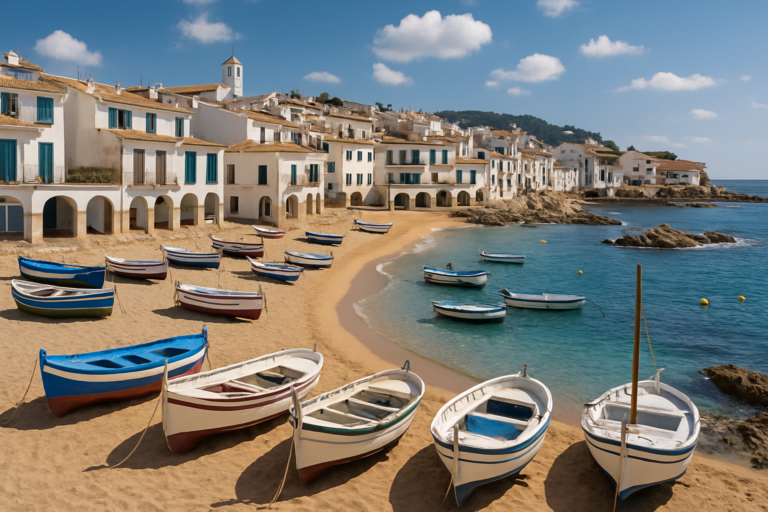
Beach time is handled separately: the municipal stretch of coast clusters around the resort of L’Estartit and looks out toward the Medes Islands. You’ll switch from stone lanes to sand and sea when you travel the short distance from the old town to the shore.
| Beach | Character | Facilities / Notes |
|---|---|---|
| L’Estartit beaches | Resort stretch of sand belonging to the same municipality | Resort services likely; gateway to the Medes Islands |
Torroella de Montgrí with kids
The mix of a compact historic town, a gentle hill climb and accessible beaches makes this a family‑friendly place if you split activities across days. Children tend to enjoy the castle climb as a clear adventure and the market is an easy, short outing. The nearby resort beaches provide simpler paddling and sand time without needing lengthy transfers.
How to get to the town and get around
Travel planning is straightforward in principle: the town lies on the north bank of the Ter river and is about 22 km east of Girona, which functions as the nearest major city in most routing. Once you arrive, the historic core is compact and walkable; the massif and castle require a short uphill walk from town. To reach the coastline and L’Estartit you’ll need a local transfer — by car, taxi or local bus depending on the season and schedules.
Where to stay in the area
- Historic core — best for sightseeing, short walking distances and atmosphere.
- At the foot of the Montgrí Massif — suits walkers who want early access to hikes and the castle climb.
- L’Estartit (the resort) — choose this for beach proximity, boat trips and island access.
Best time to visit
There’s no single best month for everyone. The town’s combined offer — historic walks, hilltop climate and beachside resort — means shoulder seasons are appealing for quieter streets and easier hiking, while summer brings full beach service at the resort but also higher visitor numbers. Check local opening patterns for seasonal services before you travel.
History of the town
The settlement retains a tangible medieval identity: the core streets and sections of the defensive walls are still preserved. Historically it served as the Royal Port for the Kings of Aragon, tying the place into medieval maritime and political networks. That layered past is most palpable in the built fabric and the hilltop castle, which anchors the massif above the streets.
Practical info
- Market: the town hosts a market every Monday, a reliable weekly fixture to plan around.
- Hiking: the GR 92 long‑distance footpath passes through the area; stages 6 and 7 create obvious day‑walk options centred on the castle and the Ter river crossing.
- Terrain: the Montgrí Massif forms the northern backdrop and involves uphill walking to reach the castle; comfortable footwear recommended for the ascent.
- Municipal reach: the same municipal area includes L’Estartit and the Medes Islands, so coastal and island experiences are administratively linked to the town.
Worth it for: travellers who like compact medieval towns with a nearby hilltop fortress and who want quick access to a resort beach and protected islands without changing base. Less so if: you want a single‑scene, uninterrupted beach holiday with no walking — the cultural and upland elements require movement between distinct areas.
How we assess this guide
This guide compiles verified geographic, historic and route information from cross‑checked sources. We flag persistent facts like market days, the presence of the medieval core and the inclusion of L’Estartit and the Medes Islands in the municipality. We do not invent opening hours, prices or third‑party contact details; where such specifics matter, check local operators directly.
Nearby on the Costa Brava
Towns within reach
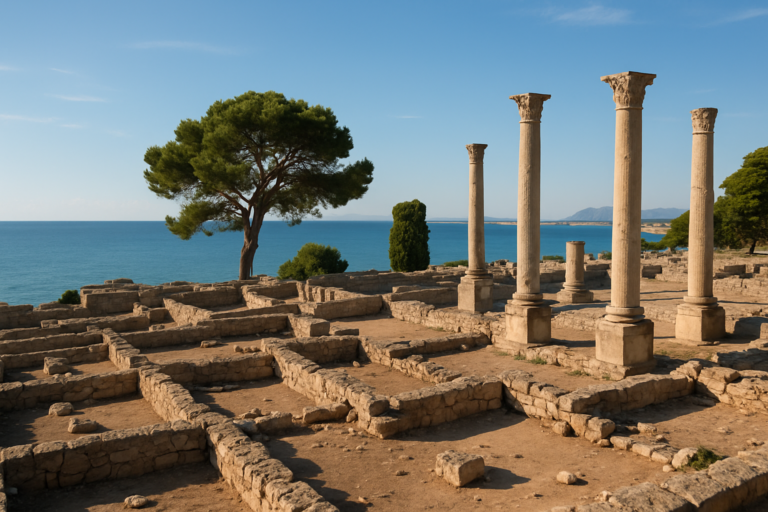
- Escala — the Greek and Roman ruins of Empuries, salted anchovies (8 km)
- Sant Antoni de Calonge — a long Costa Brava beach, quiet coves (21 km)
- Palamós — a working Costa Brava fishing town famous for its prawns (22 km)
- Figueres — the Dalí Theatre-Museum, the vast Sant Ferran castle (29 km)
- Salt — a dense, multicultural mill town on Girona's doorstep (29 km)
Things to see close by
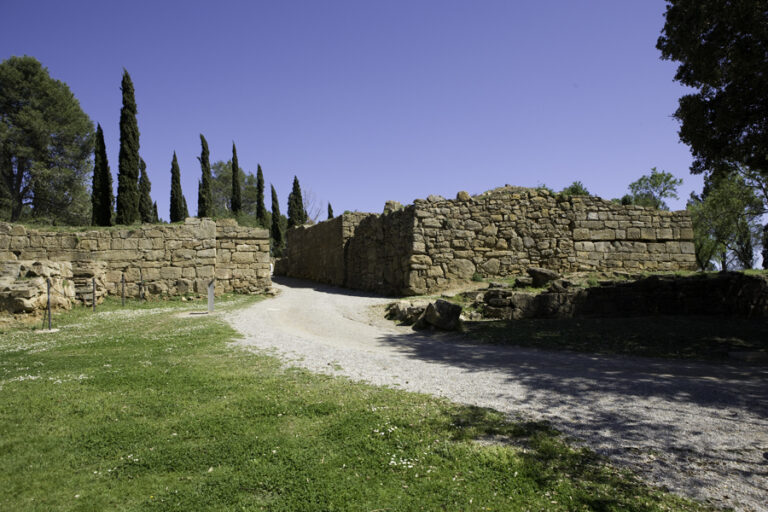
- Iberian Town of Ullastret — Ullastret was the largest Iberian city in Catalonia (6 km)
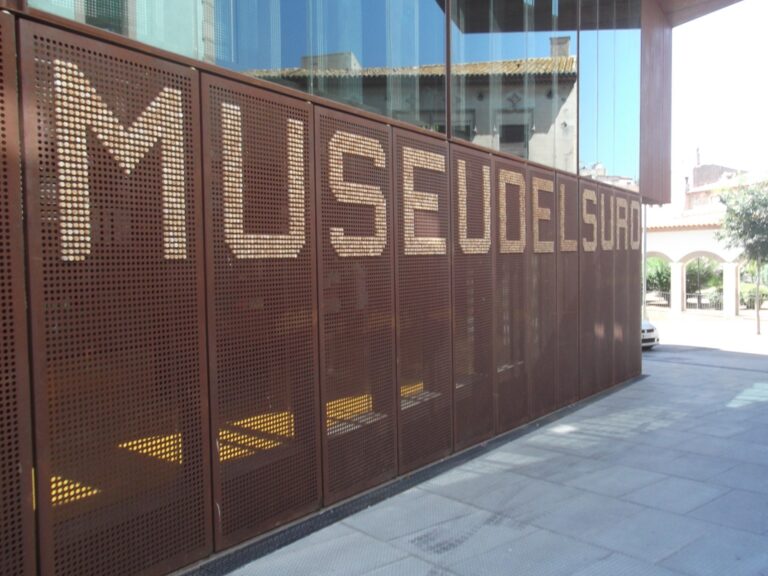
- Cork Museum of Palafrugell — Palafrugell's Cork Museum occupies Spain's largest former cork factory (14 km)
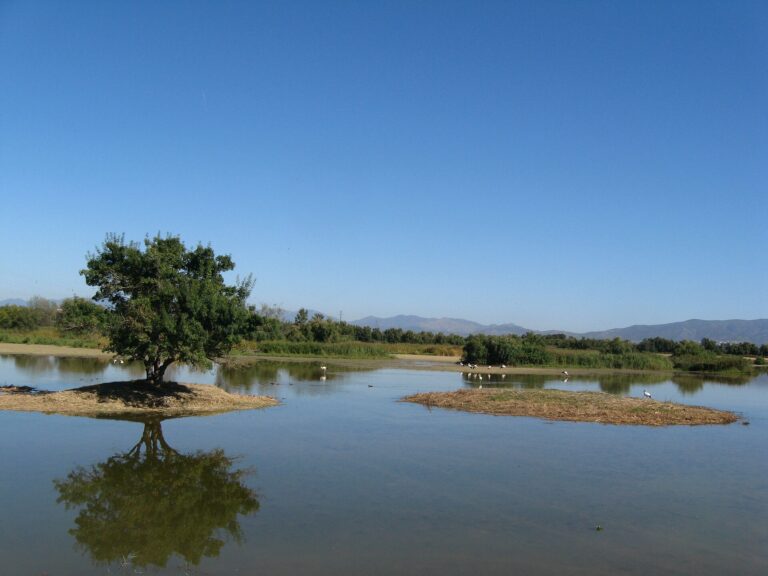
- Aiguamolls de l'Empordà Natural Park — Aiguamolls de l'Empordà was drained as malarial swampland, then deliberately rebuilt (20 km)
- La Fosca — A 1272 deed recorded the right to tax fish landed on La (21 km)
For the wider picture, see the full Costa Brava guide.
Frequently asked questions
How far is it from Girona?
The town lies about 22 km east of Girona, which is the nearest city commonly referenced for arrival and onward travel.
Is it expensive to visit?
Local costs vary by season and by whether you stay in the historic centre or at the resort on the coast. This guide focuses on structural facts (market, castle, trail links); check current accommodation and dining options for up‑to‑date pricing.
Which beach is best?
The main resort beaches are at L’Estartit, which belongs to the same municipality and serves as the primary sand‑and‑sea option associated with the town.
How many days should I plan?
Allow at least one day for the medieval core and market, a half‑day or day for the castle and massif walk, and another day if you want beach time or to visit the Medes Islands. Splitting activities over two to three days gives the most balanced visit.
Is it a good place to take children?
Yes — the compact medieval centre, a clear uphill adventure to the castle and accessible resort beaches provide varied activities suitable for families. Plan for some uphill walking to reach the fortress.
Can I explore the Montgrí Castle on foot?
Yes. The castle sits atop the Montgrí Massif and the climb from town is a standard local walk; stage 6 of the GR 92 begins with this ascent.
Does the GR 92 pass through the town?
Yes. The long‑distance GR 92 route passes through here, with stage 6 starting with the climb to the castle and stage 7 crossing the Ter river from town.
Are the Medes Islands part of the town?
Yes — the Medes Islands are included within the municipality, so excursions to the islands are administratively linked to the same area that contains the historic centre and L’Estartit.
When is the local market?
The town hosts a market every Monday; it’s a regular weekly fixture that’s useful for food, local products and a dose of daily life.
How do I get from the historic town to the beaches?
The beaches are located in the resort area of L’Estartit, which is part of the same municipality. Expect to transfer out of the town centre by short local transport, taxi or car to reach the shore.
Is the castle visible from the town?
Yes. The Montgrí Massif towers over the north side of the settlement and the castle sits at the top, making it an obvious landmark from most points in town.
Can I hike part of the GR 92 without doing the whole trail?
Yes. The GR 92 stages that pass through make for sensible day hikes: stage 6 incorporates the castle climb and stage 7 crosses the Ter river, allowing you to combine sections into shorter walks.
Are there diving or snorkelling opportunities?
The Medes Islands are included in the municipality and are known as a distinct marine feature; access for snorkelling or diving is commonly associated with the islands. Verify operator availability and any protected‑area rules before planning visits.
Is the town right on the river?
Yes — the settlement lies on the north bank of the Ter river, close to where the river approaches the Mediterranean.
What’s distinctive about visiting here rather than staying only on the coast?
Staying in the historic centre keeps you close to preserved medieval streets, walls and the castle climb, while the resort zone and islands offer a separate coastal dynamic. If you want both history and beach, splitting time between the two settings is the main advantage.
Plan the wider trip
Torroella de Montgrí on the map
Places worth knowing near Torroella de Montgrí
How this page is maintained. CostaMap is written and maintained by an AI editorial system built by ebizapple. Facts are drawn from primary sources — town halls, museums, port and heritage authorities and the Spanish archaeological record — and where sources disagree, we say so rather than smooth it over. Photographs marked as ours are taken on location. This page was last reviewed on 11 August 2026. Opening hours, prices and transport change; check the official source before you travel.