
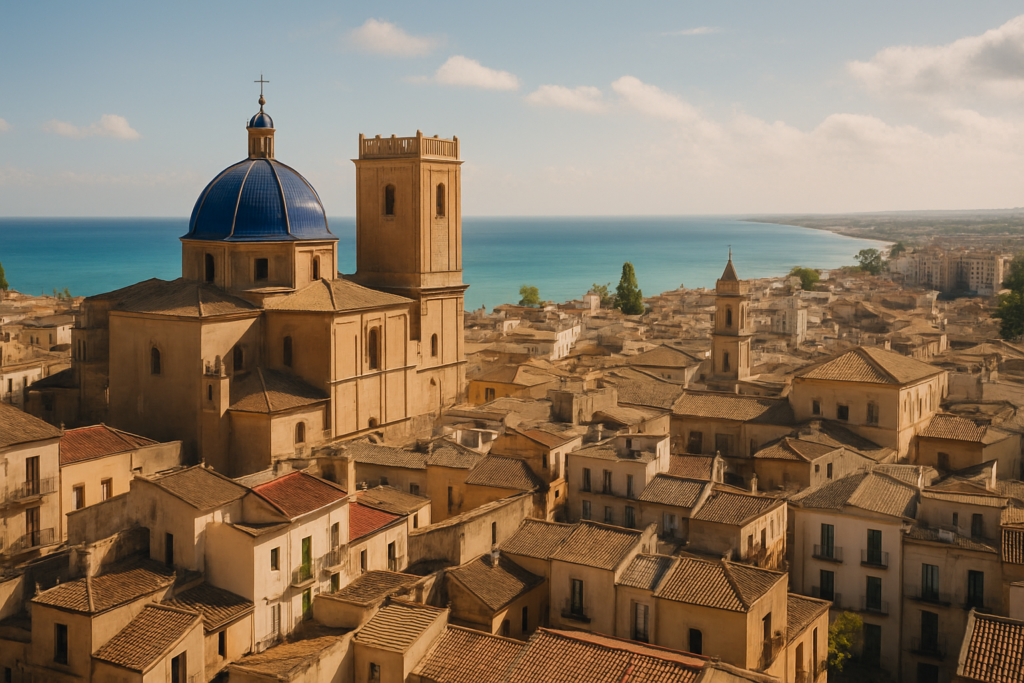
Expect a working city built around a remarkable living monument: an immense, irrigated palm grove threaded through urban streets and parks. The main draw here is cultural and agricultural — unfussy museums, an extraordinary green legacy from Moorish irrigation, and two UNESCO-listed traditions — not a beachfront resort. If you come chasing wide sandy promenades and a classic seaside vibe, plan a short detour to nearby Santa Pola. If you want distinctive heritage, craft industries and a surprisingly verdant city centre, you’ll find rich rewards.
Elche at a glance
- UNESCO city for two things: the Palmeral (palm grove) and the Misteri d’Elx (Mystery Play); the town also preserves a local good-practice school museum.
- The Palmeral contains roughly 200,000 date palms spread over about 3.5 km²; the Parque Municipal section is freely walkable.
- Huerto del Cura garden is a National Artistic Garden; its Imperial Palm and admission fees for 2026 are €6.50 (adults) and €3.50 (children 5–15).
- La Alcudia archaeological site (c.2 km south) is the find-spot of the Lady of Elche; the original bust now lives in Madrid and the local site has an on-site museum.
- Alicante–Elche Miguel Hernández Airport lies inside the municipality about 13 km from the city centre, making access by air unusually convenient for the Costa Blanca area.
- Elche is Spain’s footwear capital with a dedicated Museo del Calzado that explains the city’s shoemaking industry.
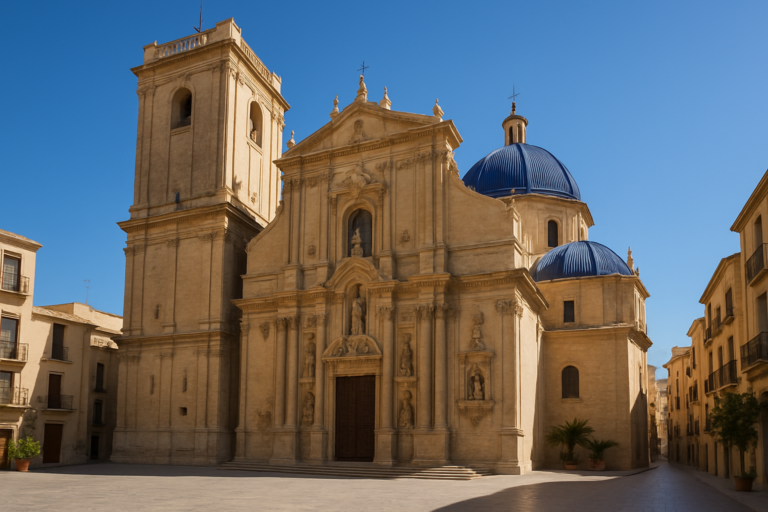
- The annual Misteri d’Elx is performed in mid-August (14–15 August) at the Basilica de Santa María and is a UNESCO-recognised medieval drama.
Before you plan
Important heritage notes: the Lady of Elche (Dama de Elx) celebratedly comes from La Alcudia but the original sculpture is housed in Madrid’s National Archaeological Museum; only a replica is kept locally. The Huerto del Cura charges set admission (2026 rates given above). The Mystery Play is strictly performed only on 14 and 15 August each year inside the Basilica de Santa María; plan ahead if you want tickets.
Things to do in the area
The city’s appeal is a cluster of living heritage and compact museums rather than long lists of attractions. Allow time to stroll the urban palm groves, visit a couple of small museums, and see the Basilica. If you’re here for festivals or to understand local industries, pick your dates: the Misteri and Palm Sunday events are the biggest cultural draws.
| Attraction | What it is | Price/entry | Best for |
|---|---|---|---|
| Palmeral (Parque Municipal & historic grove) | UNESCO-listed urban palm grove; public walks | Free (central Parque Municipal) | Strolling, photography, botany |
| Huerto del Cura | Enclosed National Artistic Garden; Imperial Palm | €6.50 adults / €3.50 children (2026) | Garden enthusiasts, families |
| La Alcudia archaeological site & museum | Iberian site; find-spot of the Lady of Elche | — | Archaeology buffs, history lovers |
| Basilica de Santa María | Valencian Gothic church with Baroque façade; venue of the Misteri | Entry free; Misteri performances are seasonal | Cultural heritage, religious architecture |
| MAHE (Archaeological & History Museum of Elche) | Museum in Palacio de Altamira tracing local history | — | History visitors, contextual background |
| Museo del Calzado (Footwear Museum) | Museum about the city’s shoe industry and craft | — | Industrial heritage, design |
The Palmeral and Parque Municipal
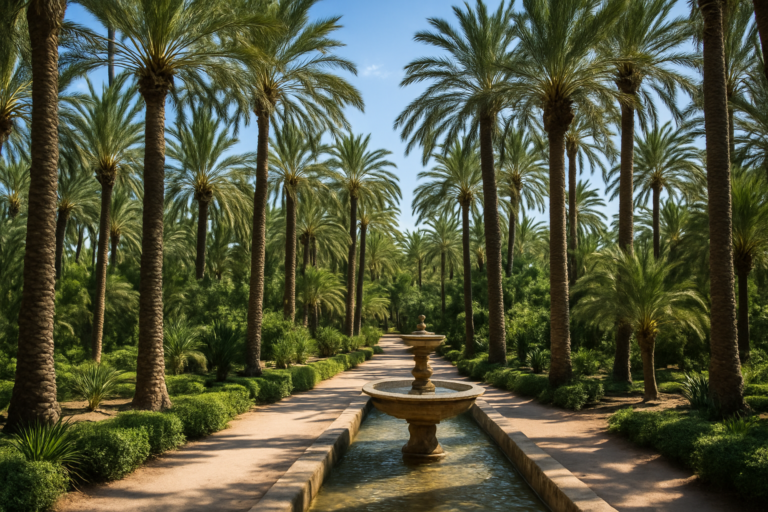
The urban palm grove defines the cityscape. Walk through the Parque Municipal to experience shaded alleys, historic irrigation channels and the scale of the plantation — UNESCO recognises this as an exceptional living cultural landscape with North African origins and a functional irrigation legacy from Al-Andalus. Parts of the historic core that are inscribed cover a smaller area, but the sense of palms threading streets is citywide.
Huerto del Cura: the showpiece garden
This enclosed garden is the most famous single green space in the town and centres on the Imperial Palm, a rare seven-branched specimen associated with Empress Elisabeth of Austria after her 1894 visit. The garden is a National Artistic Garden of Mediterranean and tropical plants and carries a small admission fee (2026 rates stated above).
La Alcudia and the Lady of Elche
La Alcudia, about 2 km south of the centre, is the archaeological site where the famed Iberian stone bust known as the Lady of Elche was discovered in 1897. The find-spot has an on-site museum and is a useful stop for anyone wanting to trace Iberian, Roman and later layers of occupation — bear in mind the original Dama de Elx is housed in Madrid’s National Archaeological Museum; local displays use a replica.
Best beaches in the region
The city itself is inland; for beaches you look to neighbouring coastal zones and the municipality’s short coastline. Expect dunes and pine-backed stretches rather than a long urban esplanade in the city proper.
| Beach | Character | Facilities / status |
|---|---|---|
| Arenales del Sol | Dune-backed sandy beach with natural feel | Part of the local coastline; amenities vary by sector |
| El Pinet | Undeveloped dune and pine beach | Protected, low-density development |
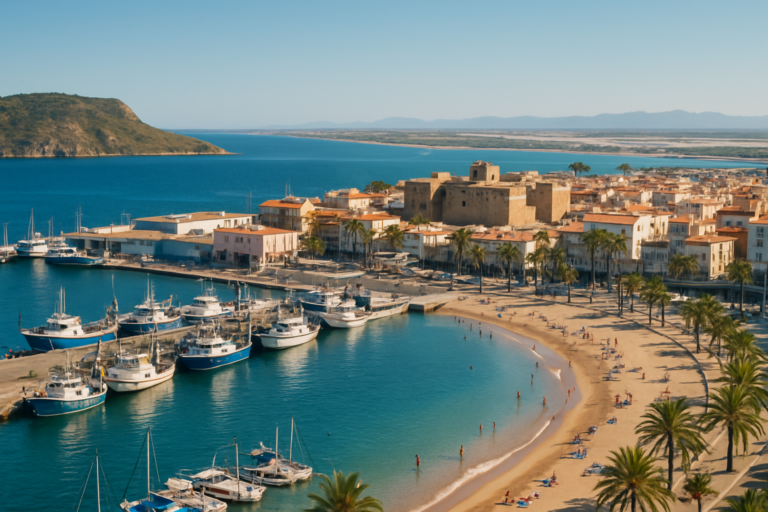
| Santa Pola (nearest main resort) | Traditional Mediterranean resort beaches and fishing port | Nearest main resort beaches to the city |
Elche with kids
The palm grove and enclosed gardens are surprisingly child-friendly for short exploratory walks; the Huerto del Cura’s compact size and focused displays make it a good quick visit for families. The MAHE museum and the Museo del Calzado can interest older children curious about archaeology and how shoes are made. For a beach day with children, choose Santa Pola or more protected stretches on the nearby coast rather than the city itself.
How to get to the town and get around
Air travellers benefit from a major regional airport that sits inside the municipality, making the area unusually quick to reach from flights into the Costa Blanca. The town also has rail links and local stations for onward travel by train. Inside the town the main sights are compact — walking and short taxi rides are practical for most itineraries.
| From | By | Approx time |
|---|---|---|
| Alicante–Elche Miguel Hernández Airport | Air access (airport within the municipality) | — |
| Madrid / Orihuela / Murcia | AVE fast trains | — |
Where to stay in Elche
Pick a base according to what you want to prioritise: proximity to the palm grove and historic centre, quick airport access, or easy links to the coast.
- Historic centre / near the Basilica — best for short cultural itineraries and walking access to the Palmeral and museums.
- Areas close to Parque Municipal — good if you want green spaces on your doorstep and easy promenades through the palms.
- Near the airport — convenient for early flights and transfer logistics; the airport lies within the municipality so this is a practical option for some visitors.
Best time to visit
Elche’s climate is hot semi-arid with an average annual temperature above 18 °C. The cultural calendar and the climate are the main timing considerations: the Misteri is strictly mid-August, while Palm Sunday and associated processions are important events if you want living craft and local religious tradition.
| Season | Months | What to expect |
|---|---|---|
| Spring | March–May | Mild weather and the lead-up to Palm Sunday processions; good for walking the Palmeral. |
| Summer | June–August | Hotter weather; the Misteri d’Elx is performed on 14–15 August (major cultural peak). |
| Autumn | September–November | Still warm into early autumn; sea breezes on coastal excursions nearby. |
| Winter | December–February | Mild winter temperatures due to the semi-arid climate; quieter cultural season. |
History of the area
The town’s story is visible in the landscape: an Iberian past (the Lady of Elche originates from nearby La Alcudia), extensive Moorish-era irrigation that created the palm groves, and later Christian transformations such as the Gothic Basilica de Santa María built on a former mosque. The Palmeral was formally laid out under Moorish rule near the end of the 10th century and its irrigation system — a continuous thread in local life — contributed to the city’s agricultural success across the centuries.
Practical info
- Air access: Alicante–Elche Miguel Hernández Airport sits within the municipality about 13 km from the city centre; this makes the town an unusually convenient Costa Blanca base by air.
- Rail: Elx Parc is the central railway station for the town; AVE fast trains connect to cities such as Madrid, Orihuela and Murcia.
- Museums: MAHE occupies the medieval Palacio de Altamira and covers local archaeology and history; the Museo del Calzado explains the local shoe industry.
- Basilica de Santa María: entry is free; the bell tower has about 170 steps and provides wide views over the town and the palm grove.
- Industry: the footwear sector is a defining economic force — the town produces a large share of Spain’s shoes and hosts more than a thousand factories; visitors can explore this industrial heritage at the footwear museum.
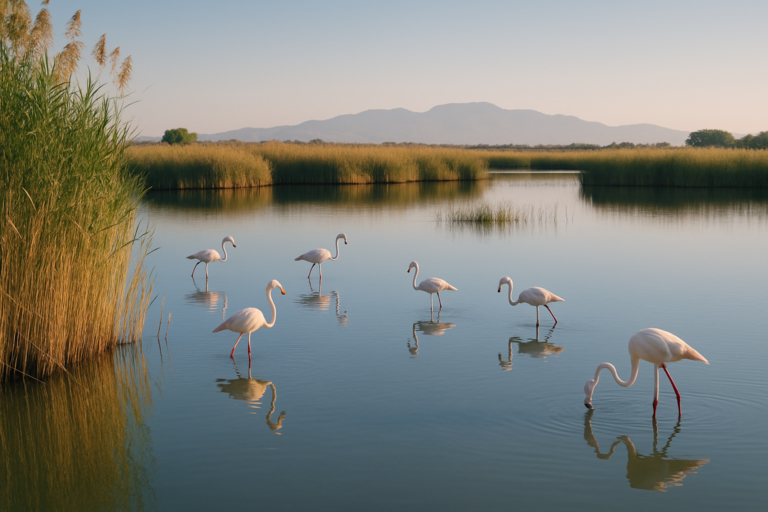
- Wetlands and nature: the municipality contains protected wetlands such as El Hondo and the Clot de Galvany, useful for birdwatching and nature walks.
Worth it for: travellers who want unusual living heritage (one of the world’s largest urban palm groves), compact museums about local archaeology and industry, and witnessing unique festivals like the Misteri d’Elx and Palm Sunday traditions. Less so if: your priority is a classic beach holiday—Elche is inland and works best combined with a beach day in neighbouring Santa Pola or the Arenales coast.
How we assess this guide
This guide compiles verified cultural, geographic and practical facts from regional heritage and tourism sources. We flag where originals are not local (the Lady of Elche resides in Madrid) and note scheduled cultural events with precise dates where they are fixed (the Misteri d’Elx on 14–15 August). We cross-checked museum locations, garden admission for 2026, railway station names and airport placement; we do not present unverified opening times or invented costs.
Nearby on the Costa Blanca
Towns near Elche
- Crevillent — 10 km west, a hillside Costa Blanca town of rug-weaving and a famous
- Aspe — 11 km north-west, The marble town of the Vinalopó valley: quarries that supply
- Novelda — 14 km north-west, a Modernista sanctuary echoing Gaudí
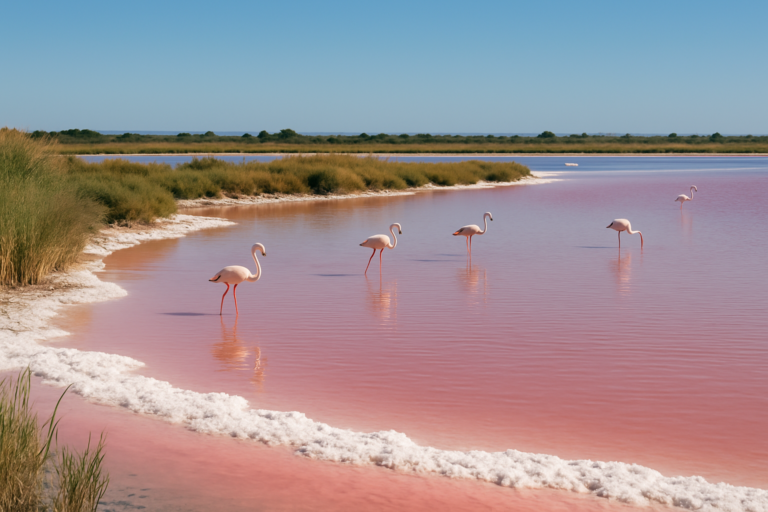
- Santa Pola — 15 km south-east, sandy beaches, the salt flats and flamingos, the fishing harbour
- Almoradí — 19 km south-west, Rebuilt after the 1829 earthquake and known across Spain
- Guardamar del Segura — 20 km south, 11 km of pine-backed dune beaches
Places to visit within reach
- Basílica de Santa María (Elche) — 0 km, Basílica de Santa María in Elche is a baroque church known
- Palmeral of Elche (El Palmeral) — 0 km, Europe’s largest palm grove
- Salinas de Santa Pola — 12 km, A natural park of working salt pans near Santa Pola where
- El Hondo Natural Park — 12 km, El Hondo Natural Park is a key bird reserve with lagoons
For the wider picture, see the Costa Blanca guide, which lists every town on this coast.
Frequently asked questions
How far is the airport from the city centre?
The regional airport (Alicante–Elche Miguel Hernández Airport) lies within the municipality about 13 km from the city centre, making air access very convenient for visiting the town and its palm groves.
Is Elche expensive to visit?
Costs vary by activity. The Huerto del Cura publishes admission fees for 2026 (€6.50 adults, €3.50 children 5–15). Other heritage sites have varying charge policies; the Basilica de Santa María offers free entry. Accommodation and dining depend on season and location, with the Misteri period (mid-August) likely to be busier.
Which beach is best if I want to swim?
Head to neighbouring Santa Pola or the Arenales del Sol/El Pinet stretches on the municipality’s short coastline. The city itself is inland and better suited to cultural exploration; coastal resort beaches are a short trip away.
How many days do I need to see the main sights?
A full day covers the Palmeral (Parque Municipal and Huerto del Cura), the Basilica de Santa María and one of the small museums such as MAHE or the footwear museum. Two to three days allow a more relaxed pace and a coastal excursion.
Is Elche good for families?
Yes for short stays: the palm groves and Huerto del Cura are easy, shaded places to explore with children. Museums like MAHE and the Museo del Calzado offer compact, focused exhibits suitable for older kids. For a beach day, combine with nearby seaside towns.
Can I get around without a car?
Yes. The central sights are compact and walkable; local taxis and public transport links serve the wider municipality. The airport’s location inside the municipality helps avoid long transfers by road.
Is parking a problem?
Parking availability varies by area: the historic centre and narrow streets can be restricted, while areas near modern transport hubs and the airport offer more space. If you plan to drive, allow time to find suitable parking near the palm grove or Basilica.
What are rainy-day options?
Visit indoor cultural sites: MAHE in the Palacio de Altamira provides local historical context, and the Museo del Calzado covers the city’s industrial heritage. Small museums and cafés in the old town are good alternatives to outdoor walking.
When is the Misteri d’Elx performed and how unique is it?
The Mystery Play is performed only on 14 and 15 August each year inside the Basilica de Santa María. It’s an uninterrupted medieval sacred drama tradition and is recognised by UNESCO as a Masterpiece of the Oral and Intangible Heritage of Humanity.
What is the Palm Sunday procession?
The town holds an annual Palm Sunday Procession that has been declared a ‘Festival of International Interest’. The city also practices the local craft of making the white palm (palma blanca) for these ceremonies.
Where can I see the Lady of Elche?
The original Lady of Elche (Dama de Elx) is kept in Madrid’s National Archaeological Museum; La Alcudia is the archaeological find-spot and has an on-site museum that displays a replica and contextual material about the discovery.
How large is the palm grove and why is it important?
The Palmeral contains roughly 200,000 date palms over about 3.5 km² and is the largest palm grove in Europe. It retains an irrigation system inherited from Al-Andalus and represents a rare urban and agricultural cultural landscape, hence its UNESCO designation.
Is football significant here?
Yes. The local professional club plays in La Liga and their home stadium is Estadio Manuel Martínez Valero, so football is an active part of city life for many residents and visitors interested in sport.
What museums should I prioritise?
MAHE (Archaeological and History Museum of Elche) in the Palacio de Altamira and the Museo del Calzado are both small but informative. La Alcudia’s on-site museum is essential if you’re tracing the Lady of Elche and local archaeology.
Are there nature reserves nearby?
Yes — the municipality includes protected wetlands such as El Hondo and the Clot de Galvany, which are valuable for birdwatching and nature outings.
Plan the wider trip
Elche Elx on the map
Places worth knowing near Elche Elx
How this page is maintained. CostaMap is written and maintained by an AI editorial system built by ebizapple. Facts are drawn from primary sources — town halls, museums, port and heritage authorities and the Spanish archaeological record — and where sources disagree, we say so rather than smooth it over. Photographs marked as ours are taken on location. This page was last reviewed on 11 August 2026. Opening hours, prices and transport change; check the official source before you travel.