
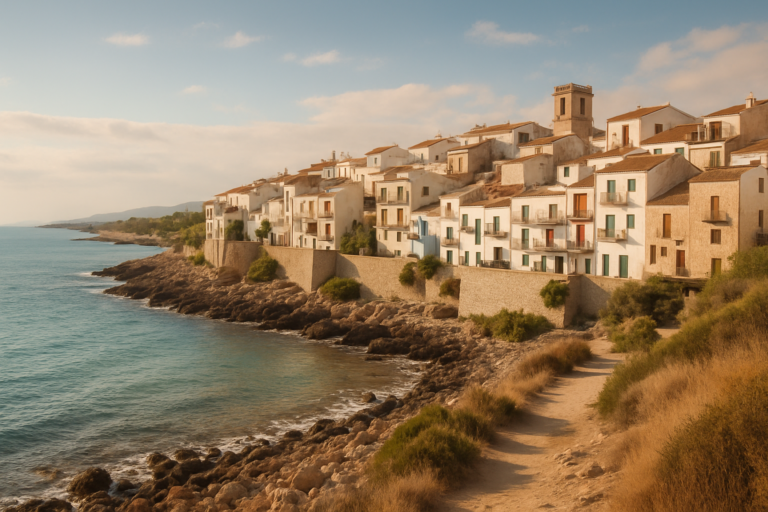
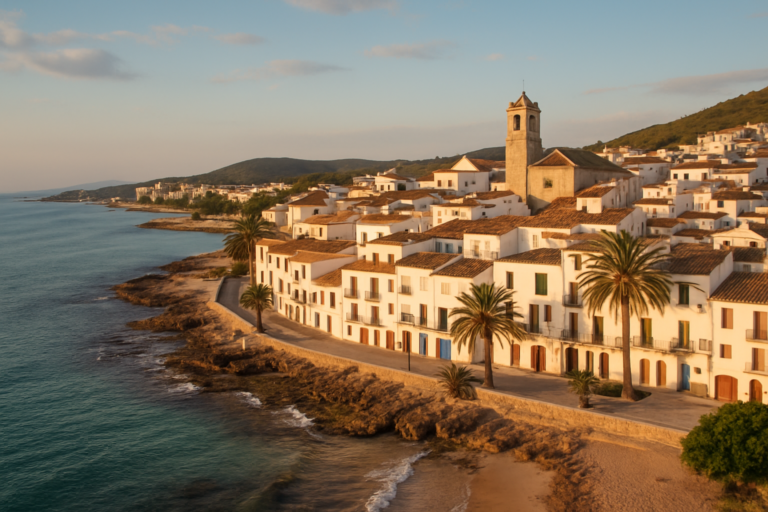
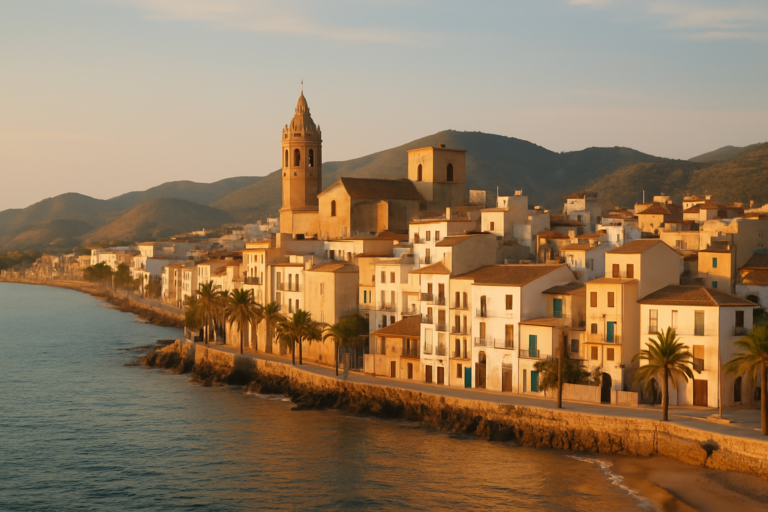
Expect a working Mediterranean port with a strong local identity rather than a glossy resort strip. This is a place where the days are organised around the sea: prawns arrive at the fish market, the harbour hums in the evening and the promenade is the town’s social spine. If you go wanting sun and seafood with a side of local routines, you’ll get what you came for; if you come expecting a theme-park beach town, you may be disappointed.
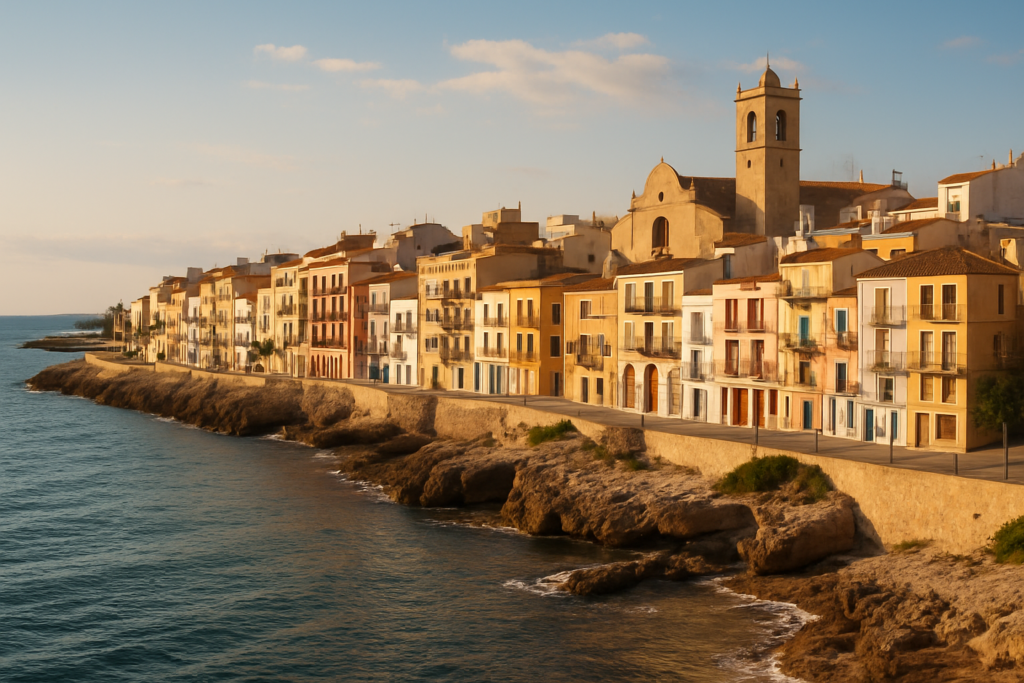
Vinaròs at a glance
- Eastern Spain on the Costa del Azahar, in Castellón province near the Catalonia border.
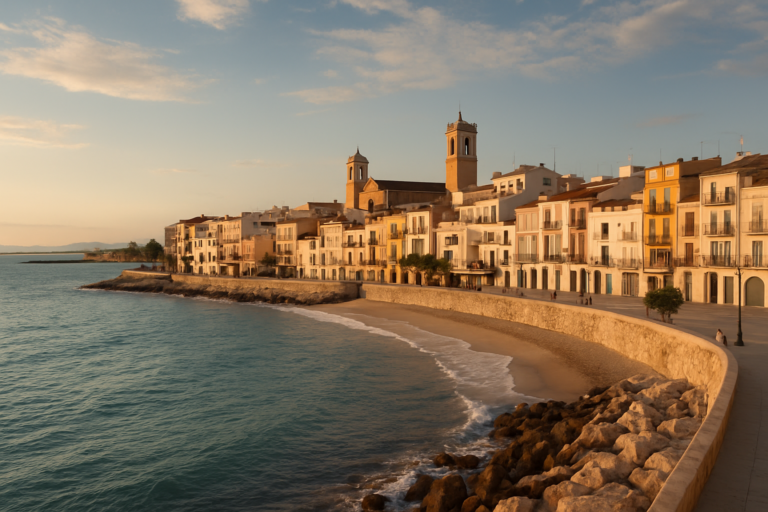
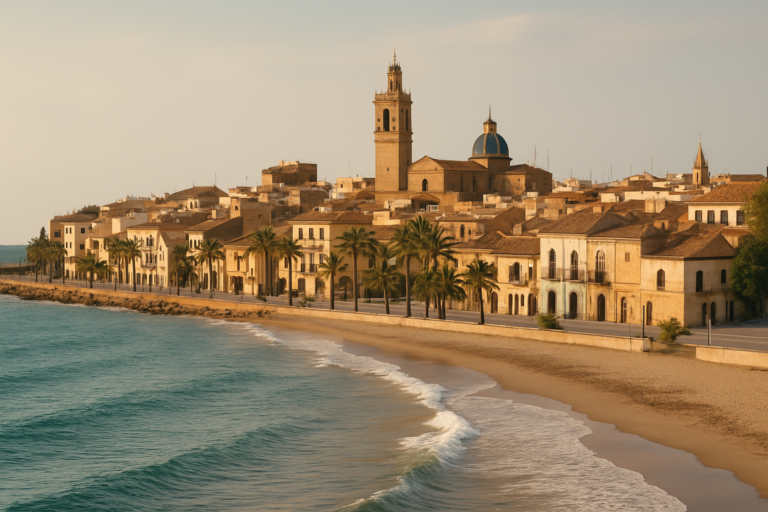
- About 10 km of coastline that mixes sandy beaches and rocky coves; main central beaches are Playa del Fortí and Playa del Clot.
- A working fishing harbour where the prized langostí de Vinaròs (king prawn) is landed and sold each day.
- Seafront life centres on the Passeig Marítim and a lively Mercat Municipal for fresh seafood.
- Main industries: tourism and fishing; a summer Gastrofestival celebrates the local prawn.
- Cold semi-arid climate: mild winters and hot summers; the town runs two carnivals (a winter carnival and a summer event aimed at tourists).
- A compact old town whose main historic monument is the fortified 17th‑century Iglesia Arciprestal de la Asunción.
Before you plan
There are no verified closures in the facts we used for this guide. Known seasonal events such as the Gastrofestival del Llagostí and the summer carnival take place each year, but exact dates move from year to year—check local listings before booking if you plan to travel specifically for a festival.
Things to do in Vinaròs
Vinaròs has a small-capsule programme of attractions: a clearly defined old town, a handful of civic sights, an active fish market and a promenade that structures daily life. Most visits follow a simple rhythm—morning market and harbour, a walk along the Passeig Marítim, beach time and an evening of prawns in town. Below is a short comparison to help you pick how to spend your time.
| Attraction | What it is | Price/entry | Best for |
|---|---|---|---|
| Iglesia Arciprestal de la Asunción | Fortified 17th-century Baroque church in the old town | – | History and architecture fans |
| Passeig Marítim & working harbour | Seafront promenade with a working harbour and evening fish auction (llotja) | – | Strollers, seafood lovers, anyone who likes active ports |
| Mercat Municipal | Municipal market and hub for fresh local seafood including the famed prawns | – | Food shoppers and people seeking fresh seafood |
| Ermita de Nostra Senyora de la Misericòrdia | Hilltop hermitage with panoramic views over the coast | – | View seekers and short walkers |
| Beaches (Playa del Fortí, Playa del Clot) | Sandy central beaches close to the old town | – | Sunbathers and families |
Old town and the fortified church
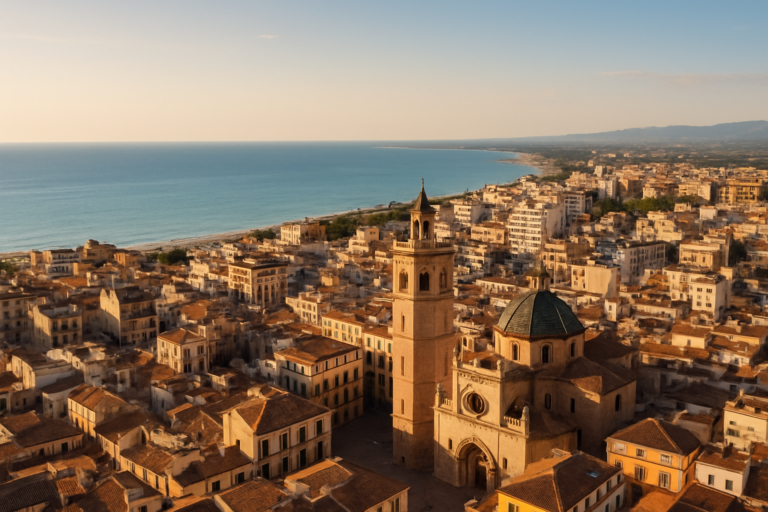
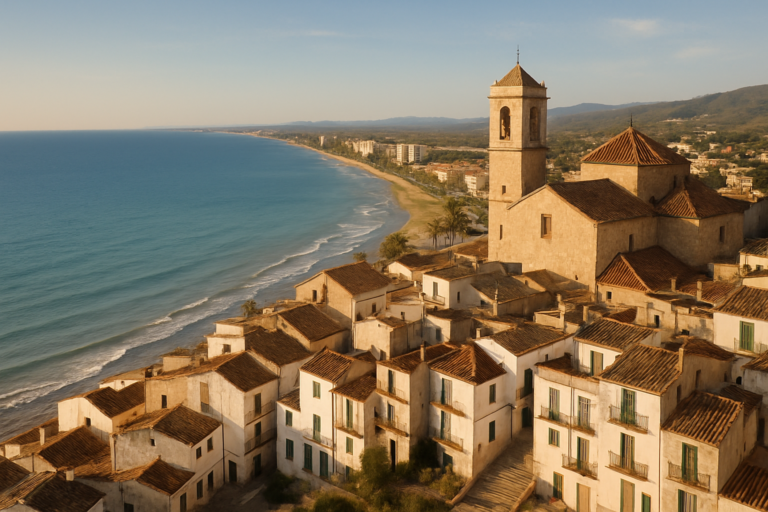
The town’s historic centre is compact and walkable, and its main monument is the Iglesia Arciprestal de la Asunción — a fortified, 17th‑century Baroque church that dominates the old streets. Rather than a museum district, the old town functions: you’ll find civic life, shops and restaurants clustered around these historic bones, and the church offers a clear focal point for self-guided walks.
Passeig Marítim, the harbour and the llotja
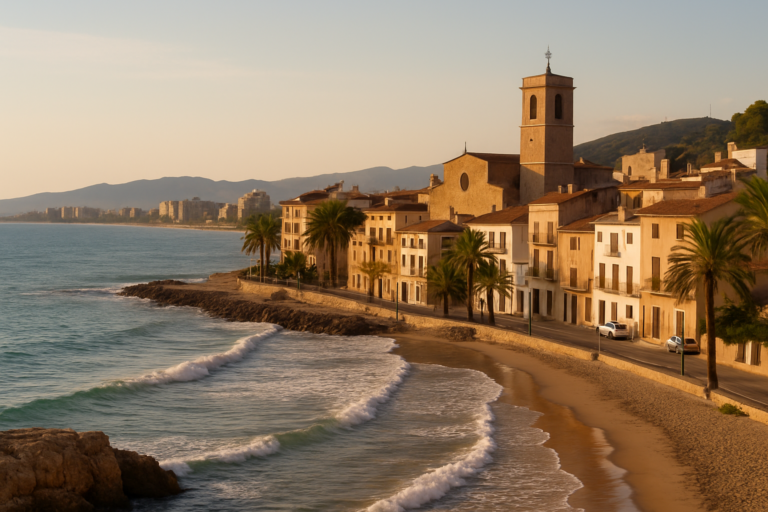
The seafront promenade is where most local life happens—morning cafés, evening promenades and fishermen unloading the day’s catch. The working harbour remains central: Vinaròs is a fishing harbour where the renowned langostí de Vinaròs is landed daily, and the fish auction (llotja) in the harbour is a living reminder that this is an active port. A stroll along the Passeig Marítim is also the most reliable way to feel the town’s pulse without committing to a formal activity.
Mercat Municipal and seafood culture
The municipal market is the place to see and buy fresh local seafood, including the famous prawns that give the town much of its culinary reputation. Visiting the market is less about ticking off an attraction and more about understanding how central seafood is to the town’s economy and identity—if you enjoy market browsing and local produce, allocate time here.
Ermita de Nostra Senyora de la Misericòrdia
A short trip up the Puig de la Misericòrdia hill brings you to the Ermita de Nostra Senyora de la Misericòrdia. The hermitage sits above the town and gives panoramic views over the coastline—a compact excursion that rewards minimal effort with a strong sense of place.
Best beaches here
The coastline around the town mixes sandy beaches and rocky coves along roughly 10 km of shore. The most convenient sand for visitors is clustered near the old town; farther along the coast you’ll find quieter stretches and rockier sections. Beaches here are used by locals and visitors alike rather than being purpose-built tourist expanses.
| Beach | Character | Facilities / Notes |
|---|---|---|
| Playa del Fortí | Main central sandy beach close to the old town | Central, town access — facilities typical of a main beach |
| Playa del Clot | Another principal central sandy beach near the town | Close to town and promenade |
Vinaròs with kids
Children generally respond well to the straightforward pleasures on offer: predictable beaches near the town, a safe promenade for scooting or cycling, and the excitement of watching a working harbour. The market can be an educational outing—kids often enjoy the sensory overload of a seafood market and the spectacle of the harbour. Events such as the summer carnival are explicitly tourist-focused and can be family-friendly; check the annual programme for specifics.
How to get to Vinaròs and get around
The town sits near the Valencian Community–Catalonia border on the Costa del Azahar, which places it within a short driving distance of other coastal towns in Castellón and Tarragona. Once you arrive, most visitors find the old town, seafront and central beaches easily walkable; the harbour, market and main beaches form a compact area that works well on foot. Local transport details such as bus routes and train services are not detailed in our verified claims, so if you rely on public transport consult current timetables before travel.
Where to stay in Vinaròs
Accommodation clusters around a few clear areas—choose what suits the rhythm you want.
- Seafront and Passeig Marítim: Best if you want immediate access to the promenade, evening walks and harbour life.
- Old town: Closer to historic sights including the Iglesia Arciprestal de la Asunción and the town’s restaurants and bars; convenient for market visits.
- Beachside stretches: Practical if your priority is beach time; central beaches like Playa del Fortí and Playa del Clot keep you near town services.
Best time to visit Vinaròs
The town’s cold semi-arid climate means mild winters and hot summers; pick dates based on what you want to do. Summer brings big tourist events and the Gastrofestival del Llagostí, while winter months offer temperate weather and a quieter town with its own winter carnival. For most travellers, shoulder seasons give pleasant weather and lower crowds, but the local festivals are the main draw for event-timed trips.
| Season | Months | What to expect |
|---|---|---|
| Summer | June–August (general) | Hot weather, tourist season, the Gastrofestival del Llagostí and a summer carnival aimed at visitors |
| Winter | December–February | Mild winter temperatures and a carnival that takes place in January, February or March |
| Shoulder seasons | Spring / Autumn | Quieter periods with pleasant weather for wandering the harbour and old town |
A short history
The town’s first recorded mention dates to 1233 when it was captured by King James I of Aragon. In the late 13th and early 14th centuries it was governed by the Knights Templar (1294–1311) and was later controlled by the order of Montesa. Like many Mediterranean communities with a vine-growing hinterland, it experienced a significant decline in the early 20th century during the phylloxera crisis that devastated vineyards. Over time the economic focus shifted toward fishing and tourism, with the port and seafood industry—especially prawns—becoming central to the town’s modern identity.
Practical info
Practicalities that matter on a short visit are straightforward: the town is compact and oriented around its seafront and old town, so walking handles most short trips. The market is the obvious destination for fresh seafood, and the harbour remains an industry hub; the town’s two main sectors today are fishing and tourism. Specific details such as parking locations, public-transport schedules, entry fees and accessibility features are not included in the verified material for this guide—check local municipal resources for up-to-date operational information before you go.
Worth it for: travellers who want authentic seafood culture, a working Mediterranean harbour, concise beaches and local festivals that celebrate the town’s signature prawn. Less so if: you want large resort infrastructure, a busy nightlife scene or a destination where sightseeing is the primary focus rather than seaside life and local food culture.
How we assess this guide
This guide compiles facts cross-checked against verified sources about the town’s landmarks, economy, festivals and climate. We flag closures and material changes when they appear in sources; this piece does not include first‑hand reporting or on-the-ground fieldwork, so for time-sensitive details such as market opening times, fish-auction hours or festival dates consult local listings and municipal notices before you travel.
Frequently asked questions
How do I get from the nearest airport to the town?
Our verified facts do not include specific airport connections or times. The town lies on the Costa del Azahar close to the border with Catalonia, so it is reachable from regional transport hubs—check current timetables and transfer options before you travel.
Is Vinaròs expensive to visit?
We do not provide up-to-date price comparisons in this guide. The town’s economy centres on fishing and tourism; food—especially seafood and the famed local prawns—is a highlight and will influence meal costs. For budgeting, look up current restaurant and market prices locally.
Which beach is best for families?
Playa del Fortí and Playa del Clot are the main central sandy beaches close to the old town and are the most convenient choices for families who want proximity to services and a short walk back to town.
How many days should I spend here?
A compact programme—market, harbour, a church visit, a beach and a hill viewpoint—can fit into a 1–2 day visit. If you plan to experience festivals like the Gastrofestival del Llagostí or the summer carnival, allow more time to enjoy events and local tasting menus.
Is the town good for children?
Yes. The compact beaches, the promenade and the market are kid-friendly activities. Events like the summer carnival are aimed at tourists and often appeal to families; verify each year’s schedule for family programming.
Can I get around without a car?
Yes. The principal sights—the old town, the main beaches and the seafront promenade—are within walking distance of one another, and the town’s compactness makes it practical to explore on foot. For trips beyond the municipal area, check current public-transport options locally.
Is there parking in town?
Specific parking locations and restrictions are not included in our verified material. The town is compact and walkable; many visitors choose accommodation within walking distance of the seafront and beaches to minimise driving.
What are good rainy-day options?
Indoor, weatherproof activities within the verified facts are limited; the Mercat Municipal provides market browsing under cover, and the town’s churches and old streets are walkable if rain is light. For larger museums or indoor attractions, consult local tourist information for current listings.
When are the main festivals?
The town hosts a Gastrofestival del Llagostí each summer celebrating the local prawn, a summer carnival aimed at tourists in August, and a carnival that takes place in January, February or March. Exact dates change year to year, so verify the calendar before you travel.
Why is the prawn so important here?
The langostí de Vinaròs (Vinaròs king prawn) is a prized local fishery product with protected status that is landed daily at the town’s fish market. This catch underpins local gastronomy and is the focus of the town’s seafood culture and festivals.
Is the harbour still working?
Yes. The harbour is a working fishing port; the evening fish auction (llotja) and daily landings of prawns and other seafood remain part of town life.
Is the town more Valencian or Catalan?
The town lies in Castellón province within the Valencian Community and sits near the border with Catalonia. Historically and administratively it is part of the Valencian Community, though its location close to the border gives it cultural connections across the frontier.
What languages will I hear?
Our source material does not list language statistics, but the town is within the Valencian Community and has historical and cultural ties to both Valencian/Catalan and broader Spanish administrative frameworks.
Can I eat fresh seafood every day?
Yes—seafood plays a central role in local food culture. The Mercat Municipal is the hub for buying fresh local seafood, and the harbour landings supply daily catches including the renowned prawns.
Is the town a good base for exploring the Costa del Azahar?
Yes. The town’s position as the northernmost coastal town of the Costa del Azahar in Castellón province puts it near other coastal destinations; use it as a stop on a wider Costa del Azahar itinerary.
Plan the wider trip
- Costa del Azahar guide
- Benicarló
- Torreblanca
- Xert: Maestrat Village Below the Serra
- Albocàsser: Maestrat Town by the Valltorta Rock Art
- Almenara: Beaches and Castle Hill near Sagunto
Nearby on the Costa del Azahar
Vinaròs on the map
Places worth knowing near Vinaròs
How this page is maintained. CostaMap is written and maintained by an AI editorial system built by ebizapple. Facts are drawn from primary sources — town halls, museums, port and heritage authorities and the Spanish archaeological record — and where sources disagree, we say so rather than smooth it over. Photographs marked as ours are taken on location. This page was last reviewed on 15 August 2026. Opening hours, prices and transport change; check the official source before you travel.