
Expect a small Catalan town that functions as a quiet inland gateway to the coast and the hills rather than a coastal resort. You won’t find sweeping Mediterranean promenades or a concierge desk for day trips in every hotel; what you will get is a compact centre with a Romanesque church, a riverside setting, easy access to nearby natural parkland and footpaths, and the kind of everyday town life that most guidebooks skip. This guide sets realistic expectations, highlights what’s worth your time, and flags the practical facts you need to plan a visit.
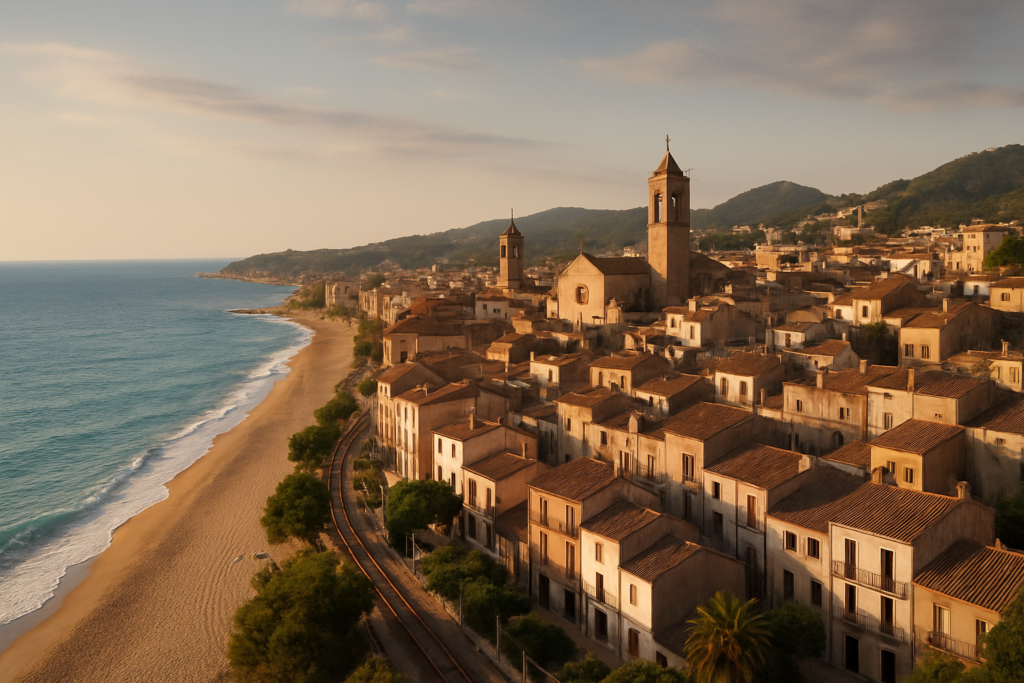
Tordera at a glance
- Location: inland town on the edge of the Montnegre natural park in the Maresme comarca, province of Barcelona, Catalonia, Spain.
- Transport distances: about 64 km from Barcelona and 36 km from Girona.
- Landscape: the Tordera River runs through the town and feeds into the nearby lowland and coastal zones.
- Outdoor access: staging point on the GR 92 long-distance footpath; stages run northwards to Lloret de Mar (17.2 km) and southwards to Hortsavinyà (12.8 km).
- Historic highlight: Romanesque church of Saint Stephen in the town centre, partly original altar and renovated in the 16th and 18th centuries.
- Local economy: historically agricultural—especially cork production—now diversified into textile manufacturing and construction.
- Scale: small city with a recorded population of 15,641 in 2010 (useful to set expectations for services and nightlife).
Things to do in Tordera
Tordera is best visited as a short stop or base for walking and exploring nearby natural areas. The town’s compact centre lets you cover its main historical sights in an afternoon; the real draw is access—riverside walks and long-distance trails that connect inland hills to the Costa Brava coast. Below is a concise comparison of the main visitor attractions that are useful for planning.
| Attraction | What it is | Price/entry | Best for |
|---|---|---|---|
| Church of Saint Stephen | Romanesque church in the town centre with parts of an original altar and later renovations | – | History and architecture |
| GR 92 staging point | Long-distance coastal footpath with stages north to Lloret de Mar (17.2 km) and south to Hortsavinyà (12.8 km) | – | Hikers and multi-day walkers |
| Tordera riverside | Town sits on the Tordera River with local riverside routes | – | Gentle walks and birdwatching |
The church of Saint Stephen
The Romanesque church of Saint Stephen stands in the town centre and is the principal historical monument most visitors head for. Its layout and fabric reflect medieval origins; parts of the altar are original while the building was renovated in two later phases during the 16th and the 18th centuries. If you’re interested in architecture, allow time to note how the renovations altered the interior and exterior detailing across centuries.
Walking the GR 92 from town
The long-distance GR 92 has a staging point here, which makes the town a logical start or stop for multi-stage coastal walks. The marked stage north to Lloret de Mar measures 17.2 kilometres; the stage south to Hortsavinyà is 12.8 kilometres. These links position the town as a connector between the Costa Brava’s coastal resorts and the inland natural areas, so walkers often use it for logistical breaks, resupply and overnighting between stages.
Riverside routes and slow exploration
The Tordera River flows through the town and shapes several local green corridors. Routes close to the river are suitable for an hour’s stroll or a longer exploration when combined with a visit to the town centre and its markets. Expect modest, low-key paths rather than developed riverside promenades typical of larger tourist towns.
Before you plan
There are no verified closures or major redevelopment statuses in the source material for the town’s main sights. Use the GR 92 staging point as an operational waypoint only—always confirm stage routing and trail conditions before a long hike, as waymarks and access can change seasonally.
Tordera with kids
Families will find the town suited to short, low-cost activities: easy riverside walks, exploring the compact historic centre, and gentle day hikes on nearby trails. The GR 92 stages near the town can be hiked in short sections for older children used to walking. Because the town isn’t a beach resort, plan coastal days in nearby towns if you want sand-and-sea activities for little ones.
How to get to Tordera and get around
The town’s location makes it a practical inland stop between Barcelona and the Costa Brava. Road access is straightforward from the region’s main corridors; once in town most things are walkable. If you plan to use it as a base for hiking or coastal day trips, a car gives greater flexibility for reaching trailheads and nearby beaches. Public transport options and intercity services are available in the wider area—check current timetables for connections.
| From | By | Approx time |
|---|---|---|
| Barcelona | Car or regional services | Approximately 64 km away |
| Girona | Car or regional services | Approximately 36 km away |
Where to stay in Tordera
Accommodation choices in and around the town are limited compared with the coastal resorts. Choose based on priorities:
- Town centre — best for walking to the church, shops and riverside paths.
- Outskirts near the Montnegre edge — a convenient pick for hikers wanting early access to park trails.
- Use as a logistical stop — if your plan is coastal walking on GR 92 stages, base here for shorter overnight logistics rather than resort-style amenities.
Best time to visit Tordera
The area is visitable year-round, but your ideal window depends on what you want to do. For hiking and mild outdoor activity choose the cooler shoulder seasons to avoid summer heat; for a quieter town experience outside peak coastal tourism months plan spring or autumn. Festivals and local cultural dates aren’t listed in the verified claims, so check local municipal sources for a calendar if timing events matters to you.
| Season | Months | What to expect |
|---|---|---|
| Shoulder seasons | Spring and autumn | Best for walking and quieter local life |
| Summer | Summer months | Warmer weather and easier access to coastal towns nearby |
History of Tordera
The town’s historical identity is visible in its Romanesque church of Saint Stephen, which stands in the centre. While the church retains part of its original altar, it also shows phases of renovation from the 16th and 18th centuries—tangible evidence of the town’s long habitation and gradual architectural evolution. Historically, the local economy relied heavily on agriculture, notably cork production; over time the economic base diversified into textile manufacturing and construction, reflecting broader regional shifts from primary production to light industry and building trades.
Practical info
- Walking distances: the compact centre is easily covered on foot, which is useful if you’re here only for a short stay.
- Local services: because the town is small (population figure recorded in 2010), don’t expect the broad service range of larger coastal resorts—plan ahead for any specialised needs.
- Natural access: the town sits on the edge of the Montnegre natural park, making it a useful gateway for hikes and nature excursions.
- Trail logistics: the GR 92 staging point in town connects to two neighbouring stages—north to Lloret de Mar and south to Hortsavinyà—so the town functions as a logical resupply or overnight point for long-distance walkers.
Worth it for: walkers using the GR 92, travellers who want a quiet inland base near the Costa Brava, people interested in seeing a Romanesque church with multi-century renovations. Less so if: you expect a resort-style seaside town with beaches and lively nightlife—those are found in the nearby coastal resorts rather than here.
How we assess this guide
This guide compiles facts verified from regional sources and cross-checks historical and trail information. We flag statuses that would materially affect planning—such as closures or redevelopment—if they appear in our source set. This write-up is not based on fresh on-the-ground reporting but on consolidated, verifiable claims; always confirm opening hours, trail conditions and local services before you travel.
Frequently asked questions
How far is Tordera from Barcelona?
The town is approximately 64 kilometres from Barcelona, making it a feasible drive or regional-transport journey from the city.
How far is it from Girona?
It sits about 36 kilometres from Girona, so Girona is the closer of the two main regional cities.
Is Tordera expensive to visit?
There are no verified price figures in the source claims. Expect costs to reflect a small inland town rather than a coastal resort—generally more modest than major tourist centres—but confirm current prices for accommodation and services locally.
Which is the main historic sight?
The primary historic sight is the Romanesque church of Saint Stephen in the town centre, notable for retaining part of its original altar and for renovations carried out in the 16th and 18th centuries.
How many days do I need to see the town?
A half-day to one full day is enough to see the town centre and the church; add extra days if you plan to use the town as a base for walking stages on the GR 92 or exploring the Montnegre edge.
Is Tordera good for families with children?
Yes for short, low-key activities—riverside walks, gentle town exploration and short hikes. For beach days or resort-style family entertainment, plan excursions to nearby coastal towns.
Can I get around without a car?
Within the town the main sights are walkable. For flexible access to trailheads or coastal day trips, a car is more convenient; regional transport options link to larger hubs but check current timetables for connections.
Are there organised hikes from town?
The town is a staging point on the GR 92, so independent walkers commonly use it for stages north to Lloret de Mar (17.2 km) and south to Hortsavinyà (12.8 km). If you prefer organised guided hikes, verify local tour offerings in advance—this guide only confirms the trail staging, not specific tour operators.
Is there a riverside walk?
Yes—the Tordera River flows through the town and provides local riverside routes and green corridors suitable for short walks and gentle exploration.
What is the best season to visit for hiking?
Shoulder seasons (spring and autumn) are generally best for walking—milder weather and quieter trails—while summer is warmer and often busier on the coast if you plan combined beach days.
Is the town part of any natural park?
It sits on the edge of the Montnegre natural park, which makes it a practical base for those planning to explore park trails and woodland areas.
What was the town historically known for economically?
Historically the economy was based on agriculture with a particular emphasis on cork production; over time it has diversified into textile manufacturing and construction.
Does Tordera serve as a staging point on long-distance trails?
Yes—the GR 92 long-distance footpath lists a staging point at the town, connecting it into longer coastal and inland walking itineraries.
How many people live there?
A recorded figure from 2010 lists the population as 15,641; use this to set expectations about town size and the range of services available.
What should I check before setting off on a GR 92 stage?
Always confirm current trail conditions and waymarking for the stage you plan to walk, particularly if you will tackle the 17.2 km northwards leg to Lloret de Mar or the 12.8 km southwards leg to Hortsavinyà—local conditions can change seasonally.
Plan the wider trip
- Costa Brava guide
- Blanes
- Lloret de Mar
- Vilassar de Mar: Maresme Coast Town Guide
- Alella: Wine Town on the Barcelona Coast
- Anglès: Riverside Textile Town in the Guilleries
Nearby on the Costa Brava
Tordera on the map
Places worth knowing near Tordera
How this page is maintained. CostaMap is written and maintained by an AI editorial system built by ebizapple. Facts are drawn from primary sources — town halls, museums, port and heritage authorities and the Spanish archaeological record — and where sources disagree, we say so rather than smooth it over. Photographs marked as ours are taken on location. This page was last reviewed on 15 August 2026. Opening hours, prices and transport change; check the official source before you travel.