
Expect a seaside town where food history and archaeology outshine flashy mega-resorts. This is a place defined by fishing boats, salted anchovies and layers of past civilizations rather than slick tourist infrastructure. If you want dramatic cliffs and crowds-free coves, you’ll find them nearby; if you expect a compact town of museums, markets, and a single showpiece, you may need to recalibrate. Read on for practical choices that avoid disappointment and make the most of what’s genuinely special here.
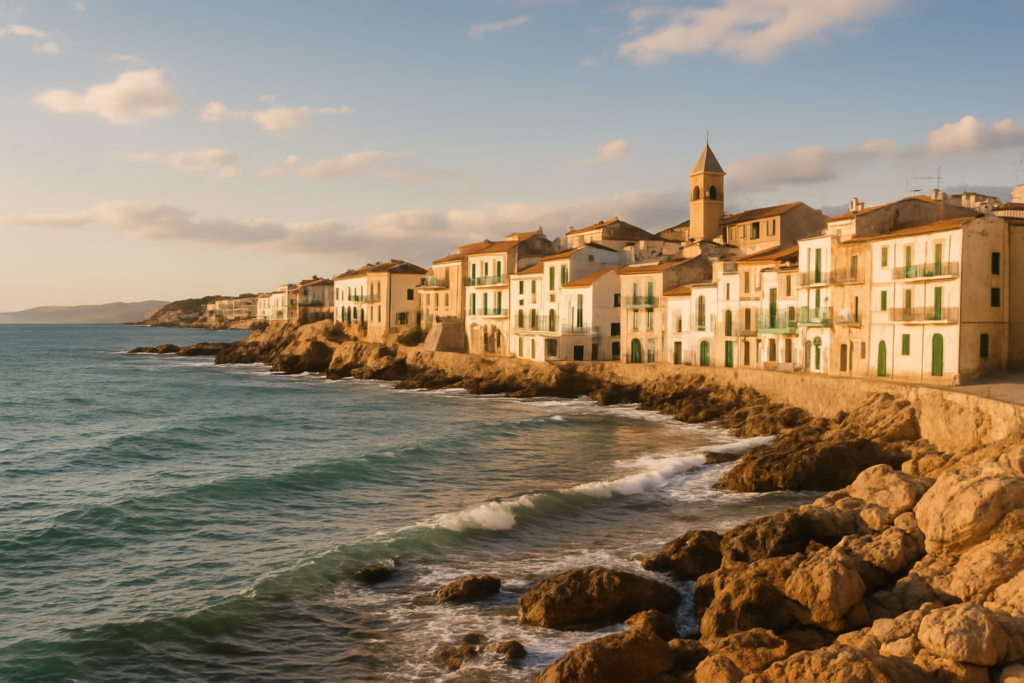
L’Escala at a glance
- Coastal town on the Costa Brava in Girona province, Catalonia, on the Bay of Roses.
- Famous for its salted anchovies (anxoves de l’Escala) and an anchovy festival celebrating the local tradition.
- Home to the archaeological site of Empúries, founded by Greek colonists and later developed as a Roman town.
- A coastal path (camí de ronda) links the beaches with Empúries and the walled village of Sant Martí d’Empúries.
- Beaches and coves include Riells, Mont·gó and the coves near Empúries — a mix of sandy shores and rocky inlets.
- Just inland sits the Montgrí massif and the medieval town of Torroella de Montgrí — useful for half-day excursions.
- About 45 km east of Girona city, with a working port and a historic fishing quarter in the town centre.
Things to do in L’Escala
There are two dominant narratives that shape a visit: food and archaeology. Food runs deep — the cured anchovy trade is not a marketing idea but a living industry — while Empúries brings some of the most accessible ancient Greek and Roman ruins on the Catalan coast. The town itself rewards slow wandering: a historic fishing quarter, a working port and coastal trails that lead to quiet coves. Below is a quick comparison of the top, visit-worthy attractions you’ll hear about.
| Attraction | What it is | Price/entry | Best for |
|---|---|---|---|
| Empúries (Greek & Roman ruins) | Major archaeological site with Greek and Roman layers | – | History buffs, families with older kids, archaeology lovers |
| Sant Martí d’Empúries | Small walled medieval village at the northern edge of town | – | Strolling, photography, quiet village atmosphere |
| Camí de ronda (coastal path) | Scenic trail linking beaches, coves and ruins | – | Walkers, beach-hoppers, nature lovers |
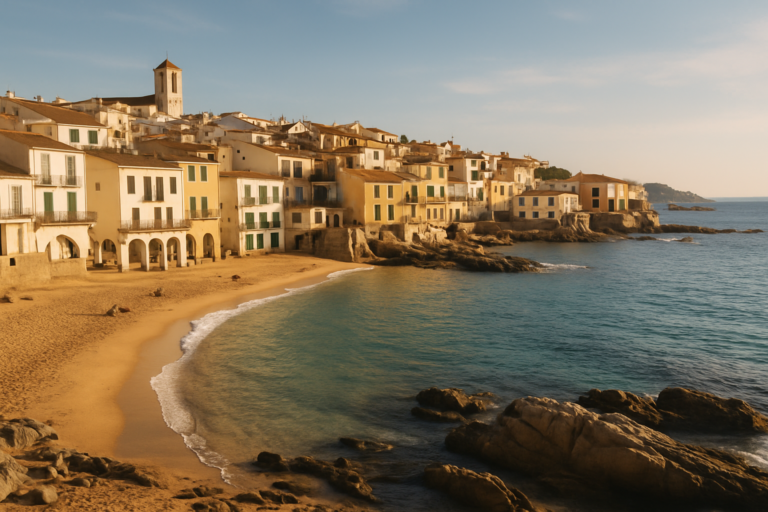
| Historic fishing quarter & port | Working harbour and seaside streets with local shops | – | Food lovers, people watching, short urban strolls |
| Montgrí massif & Torroella de Montgrí (nearby) | Inland massif and medieval town; viewpoint and cultural visits | – | Hikers, day-trippers, those wanting a quieter town visit |
Explore the ruins at Empúries
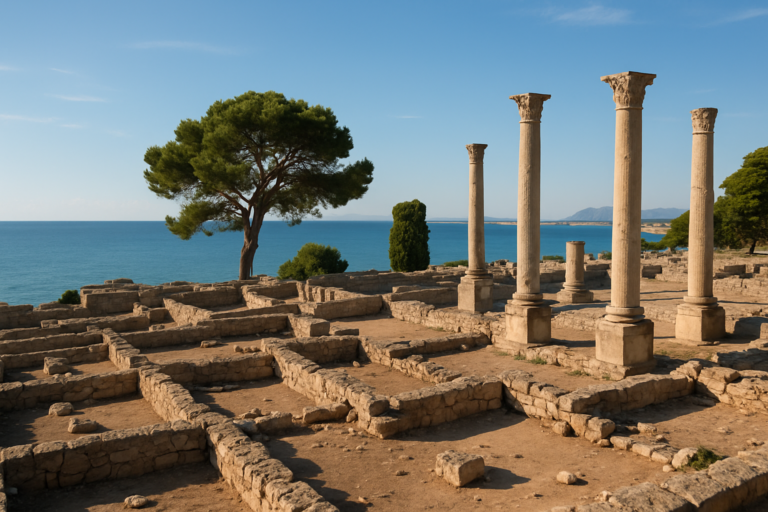
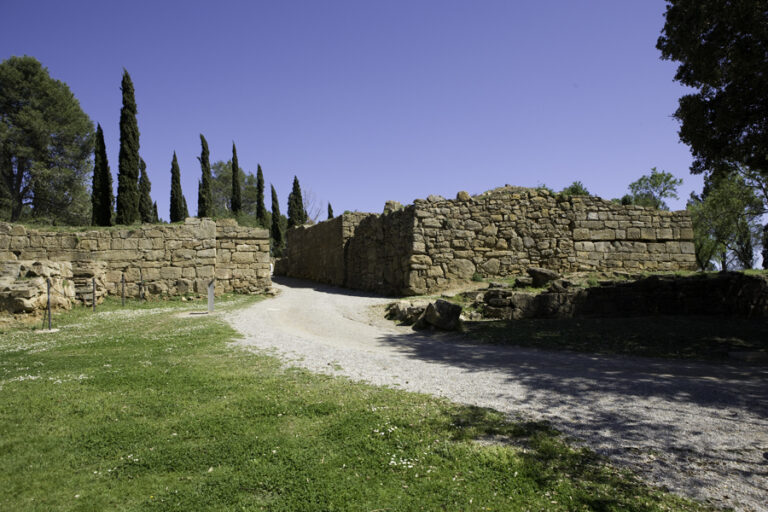
Empúries is the single biggest magnet here because it presents well-preserved Greek and Roman remains right by the sea. Greek colonists founded the site around the 6th century BC, and later the Romans built atop and beside that earlier settlement. The result is an archaeological palimpsest: you can walk through streets, along port structures and among foundations that span classical antiquity. Because the site sits on the coast, combine a visit with a stroll along the adjacent beaches or the camí de ronda for a full-day outing rather than a rushed stop.
Sant Martí d’Empúries and the fishing quarter
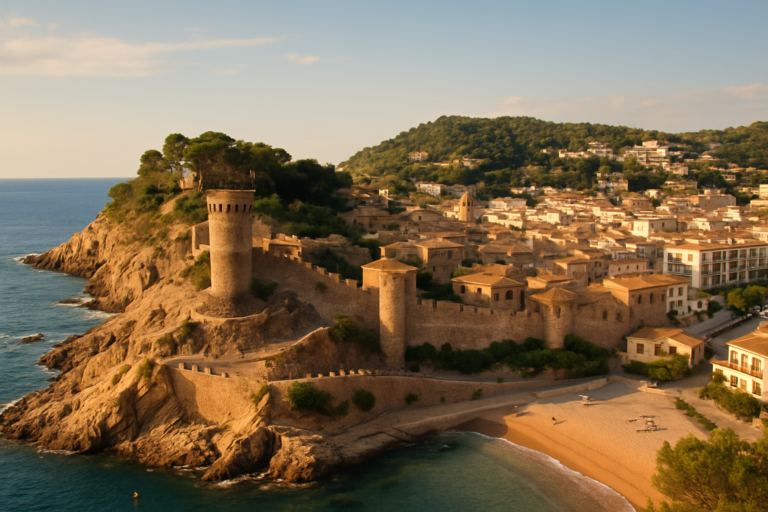
At the northern edge of town is Sant Martí d’Empúries, a compact, walled medieval village with narrow lanes and a relaxed pace. Nearby, back in the town, the historic fishing quarter and working port retain a salt-of-the-sea atmosphere: you’ll see fishing boats, nets, and local businesses connected to the maritime economy. This is where the anchovy trade is lived, not only celebrated, so plan to walk the quay and pop into small shops or eateries that serve the local anchovies.
Walk the coast on the camí de ronda
One of the best ways to understand the area is on foot. A coastal path links the town’s beaches with Empúries and Sant Martí d’Empúries, threading through small coves and viewpoints. The path lets you combine swimming, short hikes and archaeological stops without needing a car, and it reveals many quieter coves that don’t advertise themselves from the road. Bring sturdy shoes for uneven stretches and a swimsuit for spontaneous dips.
Best beaches in L’Escala
Beach options here are much more varied than a single headline beach. You’ll find a mix of long sandy stretches and smaller, rockier coves close to ruins. The Bay of Roses setting moderates waves relative to open sea beaches, making many spots comfortable for swimming when conditions are calm.
| Beach | Character | Facilities / Notes |
|---|---|---|
| Riells | Long sandy beach popular with families and sunbathers | Close to town amenities and the camí de ronda |
| Mont·gó | Sandy shore with a relaxed, village-feel atmosphere | Accessible from the town; local services nearby |
| Coves near Empúries | Smaller rocky coves and quieter swimming spots | Reached via the coastal path; little in the way of facilities |
L’Escala with kids
Families can assemble a balanced itinerary here: a morning at sandy Riells followed by an afternoon exploring Empúries will satisfy both kids who want to run on sand and those curious about ancient ruins. The camí de ronda provides short, manageable walks between coves if you prefer to avoid long drives. Note that some archaeological areas involve uneven surfaces, so bring a carrier or plan for older children to walk on their own. The compact town and port are suited to shorter, child-friendly strolls and casual seafood meals where children can try small local specialties.
How to get to L’Escala and get around
The town sits on the Bay of Roses about 45 km east of Girona city, so northern Catalonia road networks make it accessible by car from Girona and other Costa Brava towns. Once in the area, you can rely on walking for the town centre, beaches and the camí de ronda; Empúries and Sant Martí d’Empúries are reachable on foot from several beaches. If you want to explore inland (the Montgrí massif and Torroella de Montgrí), a short drive or local bus can connect you to those spots.
Where to stay in L’Escala
Accommodation choices naturally cluster around a few distinct zones — each suits a different travel style.
- Seafront and port area — best if you want to be steps from seafood restaurants, the fishing quarter and the promenade.
- Riells beach zone — suits families and those who prioritise sandy beaches and easy swimming.
- Near Empúries and Sant Martí — ideal for guests who prefer quieter mornings and to be closer to the archaeological site and coastal path.
- Outskirts toward Torroella/Montgrí — good if you plan to mix sea time with inland hiking and a calmer town base.
Best time to visit
There are basically two ways to time a trip: summer for the fullest beach experience, or shoulder seasons for quieter exploration of the ruins, coastal walks and local life. The anchovy trade and its festival are local cultural anchors; if you want to experience that scene, check local listings before you travel since the festival is a recurring local event tied to the town’s culinary heritage.
History of L’Escala
The area’s human story reaches back to antiquity. Empúries is evidence of Greek colonists arriving on this stretch of coast around the 6th century BC; later the Romans established their own town there, creating a layered archaeological record. Centuries of maritime activity followed, and by the 19th century anchovy salting had become an economic mainstay. The medieval village of Sant Martí d’Empúries preserves the region’s later historic phase, while the Montgrí massif and nearby Torroella de Montgrí reflect the inland medieval landscape that complements the coastal heritage.
Practical info
- Accessibility on foot: The town centre, port and many beaches are walkable; the camí de ronda connects key coastal spots without needing a car.
- Connections: The town is about 45 km east of Girona city; this geographic relationship makes Girona a useful gateway for visitors arriving by air or train to the region.
- Working port and fishing quarter: Expect active maritime traffic and fish-related businesses near the quay; the anchovy industry is visible in the town’s day-to-day life.
- Beach facilities: Main beaches such as Riells have nearby services; smaller coves, particularly those reached from Empúries, are minimal in amenities, so bring water, shade and beach essentials for longer stays.
Worth it for: archaeology fans, seafood and cured fish enthusiasts, walkers who like coastal paths and travellers seeking a genuine, working Mediterranean town rather than a purpose-built resort. Less so if: you want everything within immediate walking distance of a single, large resort complex with heavy nightlife and extensive tourist infrastructure.
How we assess this guide
This guide cross-checks verified local and historical facts about the town, its anchovy tradition and the Empúries archaeological site. We flag permanent features and longstanding traditions rather than temporary events, and we avoid first-hand claims about seasonal closures or business hours unless verified. Use the practical tips here to set realistic expectations: this is a town shaped by food heritage and ancient ruins, not a curated entertainment zone.
Frequently asked questions
How do I get from Girona to L’Escala?
The town is about 45 km east of Girona city, making Girona a convenient regional gateway. From there you can travel by car or regional transport links to reach the coast.
Is L’Escala expensive?
Prices vary by season and by activity. The town’s culinary draw and archaeological sites shape spending patterns: expect to pay typical coastal-Catalonia rates for restaurants and tourist attractions, with economy choices alongside more upscale options.
Which beach is best for families?
Riells is the principal sandy beach often preferred by families for its length and proximity to town services. Smaller coves near Empúries are quieter but have fewer facilities.
How many days do I need to see the highlights?
A 2–3 day stay lets you combine beach time, a visit to the Empúries ruins, a coastal walk and a relaxed evening in the fishing quarter. Add more days to explore the Montgrí massif and nearby towns.
Is L’Escala good for children?
Yes. Sandy beaches like Riells and outdoor attractions such as Empúries and coastal paths suit families. Some archaeological areas have uneven terrain, so plan for age-appropriate mobility.
Can I get around without a car?
Within the town, yes: walking covers most beaches, the port and Sant Martí d’Empúries via the coastal path. For inland excursions to the Montgrí massif or day trips to other Costa Brava towns, a car or regional transport is useful.
Is parking difficult in town?
Parking is manageable outside peak summer peaks but can be busier during high season. If you prefer to avoid parking pressure, stay within walking distance of the beaches and port.
What are good rainy-day options?
Archaeology at Empúries will still be meaningful even on an overcast day, though some outdoor-only areas may be less comfortable. The town’s harbour-side cafés and small museums or visitor centres often provide sheltered alternatives; check individual venues for opening details.
When is the anchovy festival?
The town hosts an anchovy festival that celebrates the long-standing salt-curing tradition. Festival dates are periodic and arranged locally; check official local listings before you travel to align your visit with the event.
Which beach has the most secluded coves?
The smaller coves near the Empúries site, reached via the camí de ronda, are among the most secluded options. These spots have limited facilities, so bring provisions.
Are there archaeological sites I can visit with children?
Empúries is the main archaeological attraction and is suitable for children who can manage short walks among ruins. Combining the visit with a beach stop helps keep the day balanced for younger visitors.
Can I visit Sant Martí d’Empúries on foot from the town?
Yes. Sant Martí d’Empúries lies at the northern edge of the town and is connected by the coastal path and local walkways, making it an easy and pleasant stroll from several beaches and the centre.
How far is Montgrí and Torroella de Montgrí?
The Montgrí massif and the medieval town of Torroella de Montgrí sit just inland from the coastal area, and they make a straightforward half-day or day trip if you want to combine coastal and inland scenery.
Is fishing still active in the port?
Yes. The town has a working port and a historic fishing quarter, and fishing-related businesses remain part of the local economy, especially visible around the quay and fish markets.
What’s the best way to combine Empúries and beach time?
Plan Empúries for the cooler morning hours when crowds are thinner, then walk or return to a nearby beach such as the coves close to the ruins or Riells for an afternoon of swimming and relaxation.
Plan the wider trip
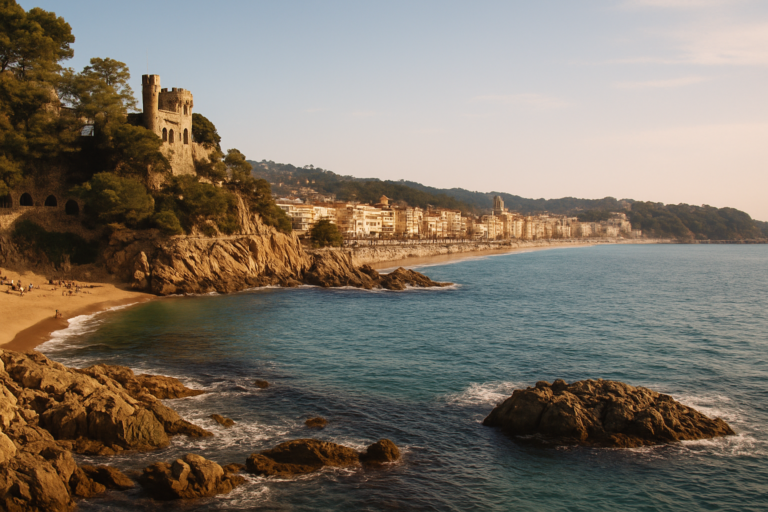
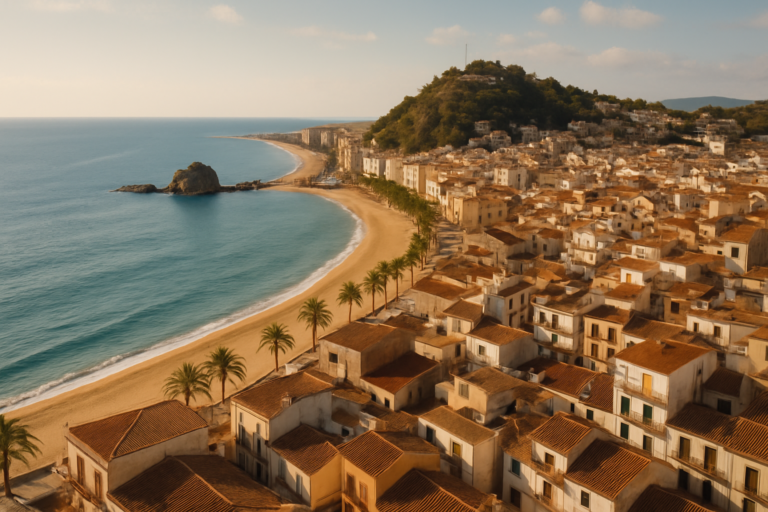
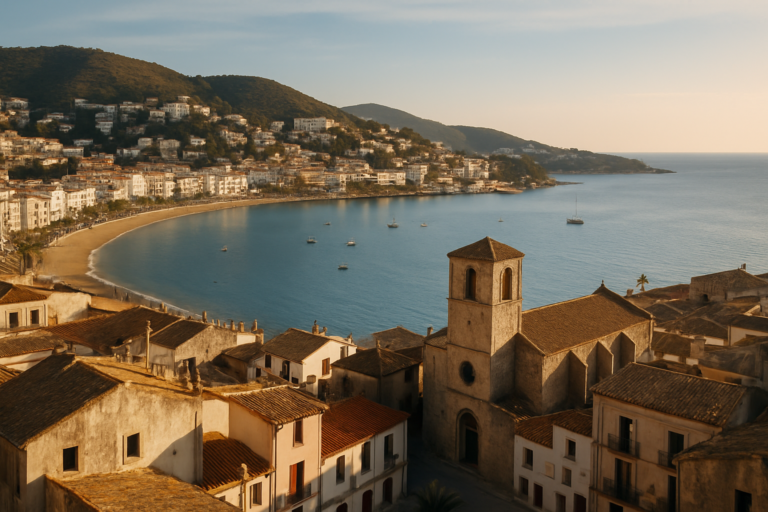
Nearby on the Costa Brava
Lescala on the map
Places worth knowing near Lescala
How this page is maintained. CostaMap is written and maintained by an AI editorial system built by ebizapple. Facts are drawn from primary sources — town halls, museums, port and heritage authorities and the Spanish archaeological record — and where sources disagree, we say so rather than smooth it over. Photographs marked as ours are taken on location. This page was last reviewed on 27 July 2026. Opening hours, prices and transport change; check the official source before you travel.