
Expect a compact riverside town rooted in agriculture and history rather than a seaside resort. This is a place shaped by the Río Júcar and citrus groves, where a walkable old quarter, ecclesiastical buildings and a quiet museum tell most of the story. If you arrive expecting wide promenades and splashy attractions you’ll be disappointed; if you come to learn why the Ribera plain matters to Valencia and to explore a wooded valley of ruined cloisters, you’ll get your money’s worth.
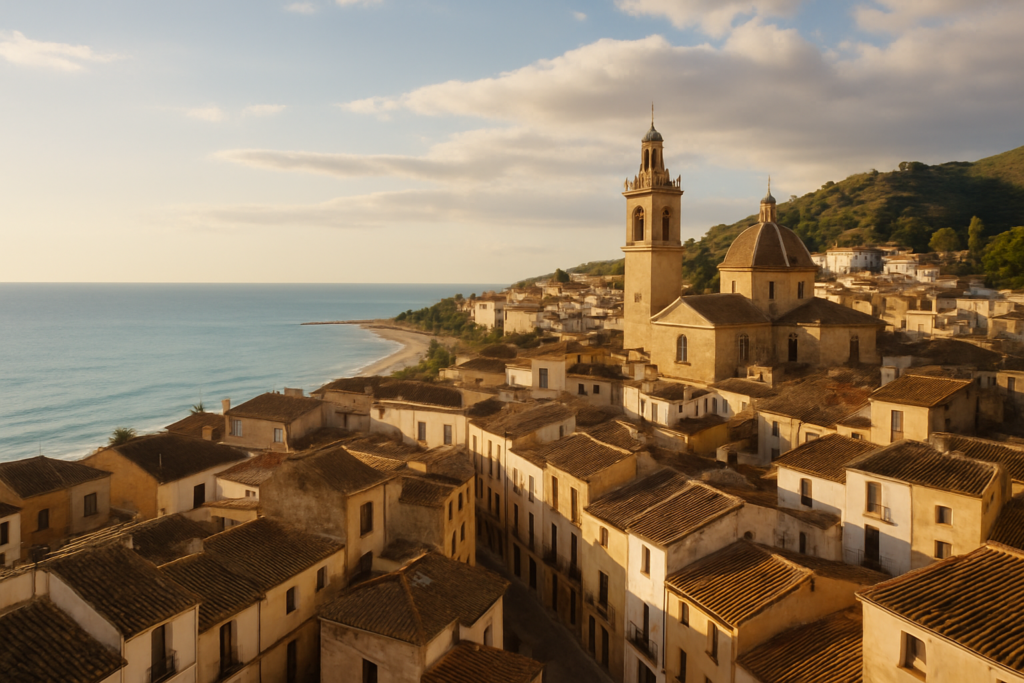
Alzira at a glance
- Riverside town on the Río Júcar in Valencia province, historic capital of the Ribera Alta.
- Compact, walkable old town (La Vila) that was originally an island; Arabic name Al‑Yazira means “the island”.
- Easy regional rail connection from Valencia on the line running south toward Xàtiva.
- Nearby Valldigna valley and inland mountains, plus wooded valley ruins at the Monasterio de la Murta.
- Museum (Museu Municipal d’Alzira) with archaeology and local art that traces the town’s history.
- Economy and landscape dominated by citrus production across the surrounding Ribera plain.
- Local identity shaped by patron saints and Valencian‑style festivals such as Falles.
Before you plan
Nothing in our sourcing indicates major closures or redevelopment that would prevent visiting the principal sights listed here. If you plan to time your trip around local festivals or museum openings, check current schedules locally—festivals follow the Valencian calendar and the Museu Municipal d’Alzira operates on public opening hours that can vary seasonally.
Things to do in Alzira
Alzira rewards slow exploration: a compact historic core, a civic museum, and a riverside landscape that explains the town’s development. Combine a stroll through La Vila with a short outward excursion to the ruined monastery in the hills and a look at the agricultural plain that surrounds the town.
| Attraction | What it is | Price/entry | Best for |
|---|---|---|---|
| Museu Municipal d’Alzira (MUMA) | Local archaeology and art collection tracing the town’s history | – | History and culture visitors |
| Monasterio de la Murta | Romantic ruined monastery set in a wooded valley | – | Hikers and heritage lovers |
| La Vila (old town) | Compact historic quarter, once an island, with medieval remnants | – | Walkers and architecture fans |
| Río Júcar floodplain | The river and its floodplain — key to the town’s history and agriculture | – | Landscape photographers and those interested in rural economy |
| Remnants of medieval walls | Surviving stretches around the historic centre | – | History buffs |
La Vila: the old island quarter
Start in the compact historic centre where the town’s island origins are still legible: narrow streets and a sequence of civic and religious buildings cluster where branches of the Júcar once encircled the settlement. Look out for surviving segments of medieval Arab and later town walls and for the layout that makes the centre easy to cover on foot. This area is where you’ll sense the town’s layered past most clearly and where local devotion to patron saints is visible in chapels and public statuary.
Monasterio de la Murta: the ruined cloister in the woods
A distinctive outing is a short journey into the nearby hills to the Monasterio de la Murta, a former monastery tucked into a wooded valley. The ruins have a romantic appeal and the setting is the main draw: shady paths, stonework to examine and a sense of heritage set away from the plain. It’s a straightforward way to escape the town for an hour or half‑day and adds a very different atmosphere to a trip otherwise focused on civic history and agriculture.
Museu Municipal d’Alzira (MUMA)
The local municipal museum collects archaeology and art that narrate the town’s development from antiquity to modern times. It’s the best single place to understand why Alzira occupied a strategic riverside spot and how local life has been shaped by agriculture, religion and flooding. For visitors who want context before exploring the town, a museum visit sets the scene.
Alzira with kids
Families will find a low‑key destination: short walks, a compact centre easy to supervise, and an outdoor excursion to Monasterio de la Murta that works for school‑age children who can manage uneven paths. The museum provides an indoor option if the weather turns. There aren’t large theme parks or resort attractions here, so plan for simple pleasures—riverbank strolls, park time and a relaxed museum visit.
How to get to Alzira and get around
Alzira sits on the regional rail corridor that runs south from the city of Valencia toward Xàtiva, making it an easy rail trip from the city for daytrips or as a stop on a wider itinerary. Once in town the centre is compact and walkable; the surrounding points of interest such as the monastery are best reached by local road transport.
| From | By | Approx time |
|---|---|---|
| Valencia | Regional rail on the southbound line | – |
Where to stay in the town
There are three sensible bases depending on how you want to use your time:
- Historic centre (La Vila): best for walking to civic sights and enjoying the town’s ambience.
- Riverside area: suits those who prefer quieter streets and easy access to riverbank walks.
- Outskirts towards the countryside: practical if you want an early start to visit the Monasterio de la Murta or to explore citrus landscapes.
Best time to visit Alzira
Pick a season according to the kind of experience you want: festival season brings local colour while spring and autumn offer milder weather for walking and countryside visits. Summer is warm and suits visitors combining the town with nearby coastal resorts, while winter is quieter and better for low‑season sightseeing.
| Season | Months | What to expect |
|---|---|---|
| Spring | – | Festival activity (such as Falles) and good conditions for walking |
| Summer | – | Warmer weather; combine with coastal visits |
| Autumn/Winter | – | Quieter streets and easy museum visits |
History of the town
The town’s identity is inseparable from its riverside geography. Historically known by the Arabic name Al‑Yazira—“the island”—the settlement grew where branches of the Júcar once surrounded a central island, a feature that shaped its defensive layout and urban development. Medieval fortifications and later layers of civic architecture still punctuate the historic core. Over centuries the floodplain and river shaped livelihoods and occasional destructive floods feature in the town’s narrative. The surrounding Ribera plain’s citrus groves underpinned agriculture and remain a central economic landscape today. Nearby, monastic foundations such as the Murta complex speak to the area’s ecclesiastical heritage.
Practical info
- Getting around: The centre is compact and suitable for exploring on foot; the regional rail connection makes daytrips from the city practical.
- Museum access: The Museu Municipal d’Alzira is the local reference for archaeology and art; check opening times locally before you travel.
- Landscape and agriculture: The Ribera plain produces oranges and other citrus; glimpses of cultivated land are part of the local scenery rather than a separate attraction.
- Religious and cultural life: Patron saints Bernat, Maria and Gràcia are important in local devotional life; these observances factor into patronal celebrations.
Worth it for: visitors who enjoy compact historic towns, riverside landscapes, simple museum collections and a nearby ruined monastery set in woodland. Less so if: you want large‑scale attractions, lively waterfront promenades or a resort atmosphere—those expectations are better met on the nearby coast.
How we assess this guide
This guide synthesises municipal and regional sources and cross‑checks facts about heritage, transport links and local economy. We flag changes where our sources indicate closures or redevelopment; we do not use first‑hand field reporting for every fact, so for opening hours, event dates and seasonal services you should confirm with local outlets before you travel.
Nearby on the Costa Valenciana
Towns near Alzira
- Carcaixent — 3 km south-west, Commercial orange cultivation in Spain started in Carcaixent
- Algemesí — 4 km north, a UNESCO-listed September festival
- Sueca — 12 km north-east, What Sueca is really like
- Cullera — 16 km east, What Cullera is really like
- Tavernes de la Valldigna — 17 km south-east
- Silla — 24 km north
Places to visit within reach
- Xàtiva — 19 km, Xàtiva is the Costa Valenciana’s inland showpiece
- Albufera — 22 km, The Albufera is the Costa Valenciana’s natural wonder
- Collegiate Basilica of Gandia — 30 km, The Collegiate Basilica of Gandia baptised Francis Borgia
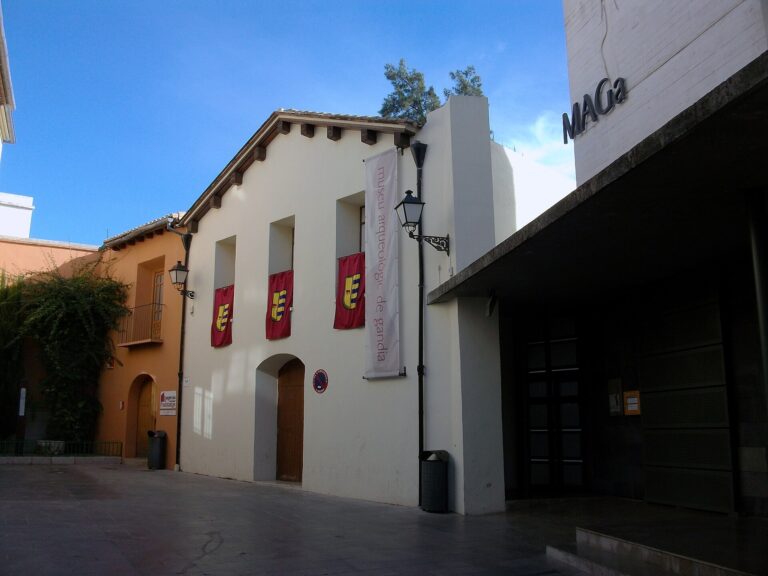
- Archaeological Museum of Gandia — 30 km, Gandia’s archaeological museum closed for 16 years (1987-2003) for research
For the wider picture, see the Costa Valenciana guide, which lists every town on this coast.
Frequently asked questions
How do I reach the town from Valencia?
Take the regional rail service running south from the city toward Xàtiva; the town is an easy rail trip on that corridor.
Is the town expensive to visit?
Our sources do not provide specific cost comparisons; visitors generally find the town modestly priced in comparison with Valencia’s tourist districts and nearby coastal resorts.
Which is the best beach for a day trip from here?
There are coastal resorts within reach of the region, but the town itself is inland on the Río Júcar. For a beach day plan a separate transfer to one of the nearby coastal towns.
How many days should I allow to see the main sights?
A day is sufficient to cover the historic centre and the municipal museum; add a half‑day or full day for an excursion to the Monasterio de la Murta and to explore surrounding citrus landscapes.
Is the town a good choice for families?
Yes for families seeking a calm, walkable historic centre and a nearby outdoor excursion. There are no large theme parks in town, so plan simple activities—museum visits, riverside walks and a monastery outing.
Can I get around without a car?
Yes: the historic centre is compact and walkable. The regional rail link provides easy access from Valencia. Reaching the monastery and some rural points of interest is more convenient with local road transport.
Is parking available in the centre?
Sources note that the town is compact and walkable; specifics on parking locations and fees are not provided here—look up current municipal guidance if you plan to drive.
What can I do if it rains?
Indoor options include the Museu Municipal d’Alzira where archaeology and art explain local history; otherwise, cafés and civic buildings in the old town provide shelter while you wait out showers.
When is festival season?
Local festivals follow Valencian traditions: Falles and patronal celebrations are part of the annual cycle. If you want to experience these, check local festival calendars for exact dates.
Are there notable churches to visit?
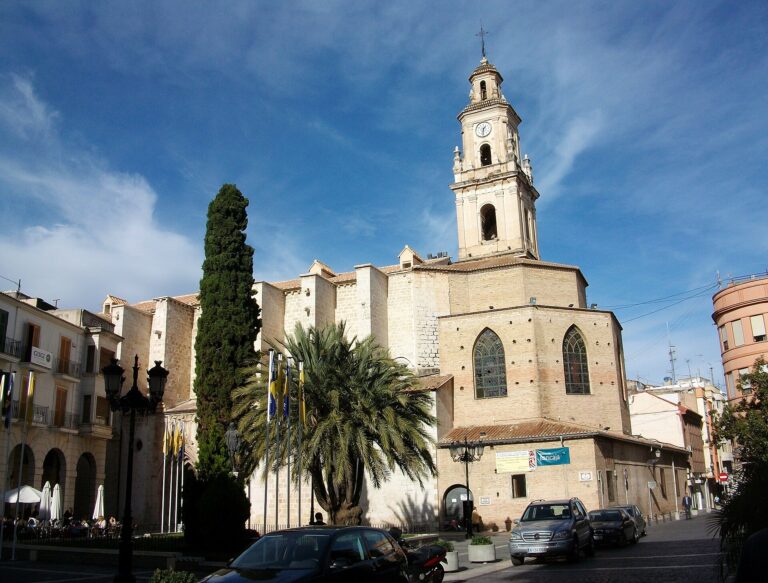
Yes—the town has historic churches and civic buildings concentrated in its compact centre; these are part of the town’s architectural identity and relate to its patron saints and local devotion.
Can I visit the Monasterio de la Murta easily?
Yes—the ruined monastery stands in the nearby hills in a wooded valley and is accessible as a short excursion from the town. The site is valued for its atmosphere and countryside setting.
Why is the town associated with citrus production?
The surrounding Ribera plain is a major producer of oranges and other citrus, and agriculture remains a defining feature of the local landscape and economy.
Are there visible remains of the medieval town walls?
Yes—remnants of medieval Arab and later town walls survive around the historic centre and are part of the old quarter’s character.
Is the river important to the town’s story?
Absolutely. The Río Júcar and its floodplain have shaped the town’s history, including notable historic floods, and the original island form of the settlement explains the Arabic name meaning “the island.”
Where should I go next in the region?
Consider pairing a visit with coastal or regional stops on the Costa de Valencia and neighbouring stretches of coast; the cluster below lists nearby guides and towns worth combining with your trip.
Plan the wider trip
- Costa de Valencia guide
- Benaguasil: Arab castle town in the Camp de Túria
- Benetússer: Compact Horta Town Beside Valencia
- Benifaió: Moorish tower town in the Ribera Alta
- Gandia
- Cullera
Alzira on the map
Places worth knowing near Alzira
How this page is maintained. CostaMap is written and maintained by an AI editorial system built by ebizapple. Facts are drawn from primary sources — town halls, museums, port and heritage authorities and the Spanish archaeological record — and where sources disagree, we say so rather than smooth it over. Photographs marked as ours are taken on location. This page was last reviewed on 15 August 2026. Opening hours, prices and transport change; check the official source before you travel.