
Don’t expect a walled medieval jewel or a palm‑lined resort boulevard here. San Vicente del Raspeig is primarily a practical, lived‑in Spanish town whose biggest draw is utility: it’s an affordable, well‑connected base for exploring Alicante, the Costa Blanca coast and nearby sierras. The upside is authentic everyday life — a strong student pulse, tapas culture, and quick access to beaches and caves — and the downside is that sightseeing is modest unless you use the town as a stepping stone for the region.
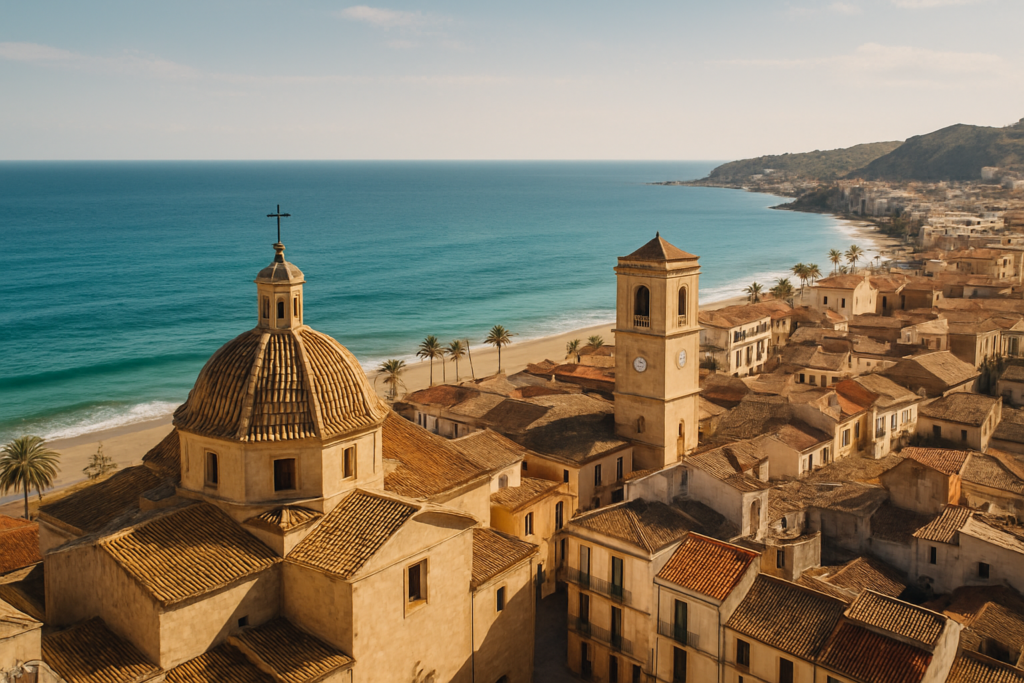
San Vicente del Raspeig at a glance
- Practical base close to Alicante city and the Costa Blanca beaches.
- Home to the main campus of the University of Alicante — expect a young, student atmosphere.
- Served by the TRAM Metropolitano light‑rail linking directly to Alicante and the coast.
- Patron festivities honour San Vicente Ferrer with Moros y Cristianos parades and bonfire traditions.
- Easy day trips inland to the Canelobre Caves at Busot and the surrounding sierras.
- Local cuisine follows Alicante traditions: rice dishes, turrón from Jijona and Mediterranean tapas.
- Surrounding landscape: almond and olive groves typical of inland Alicante province.
Things to do in San Vicente del Raspeig
The town itself is compact: attractions are modest and local. Most visitors pair a short stroll around the parish church and student district with day trips — to Alicante’s attractions, coastal beaches, or nearby caves and mountains. Use San Vicente primarily as a hub rather than a destination for an extended sight‑seeing binge.
| Attraction | What it is | Price/entry | Best for |
|---|---|---|---|
| University of Alicante campus | Large university campus shaping town life | — | Strolling, cafés, student nightlife |
| Parish church of San Vicente Ferrer | Town’s parish church anchoring the centre | — | Local architecture, quiet moments |
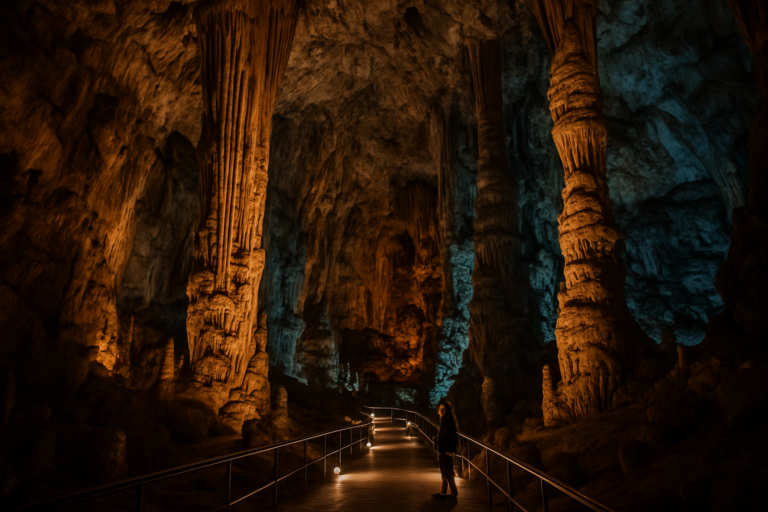
| Canelobre Caves (Busot) | Large show caves in nearby sierras — classic inland day trip | — | Geology, countryside outings |
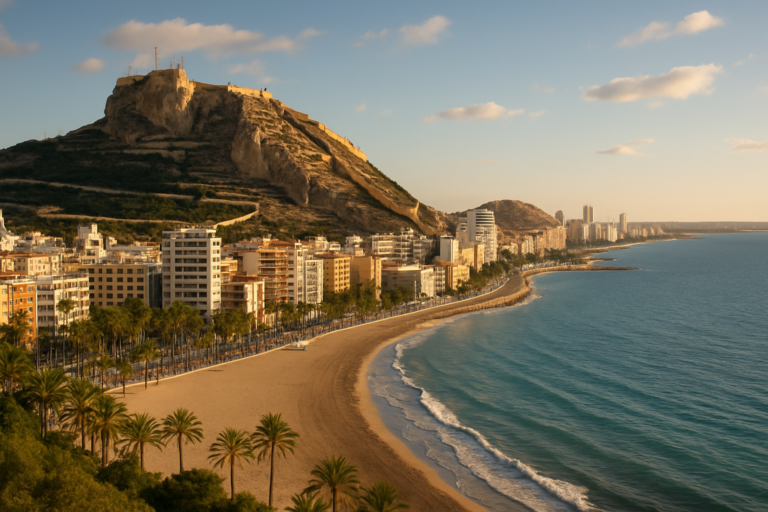
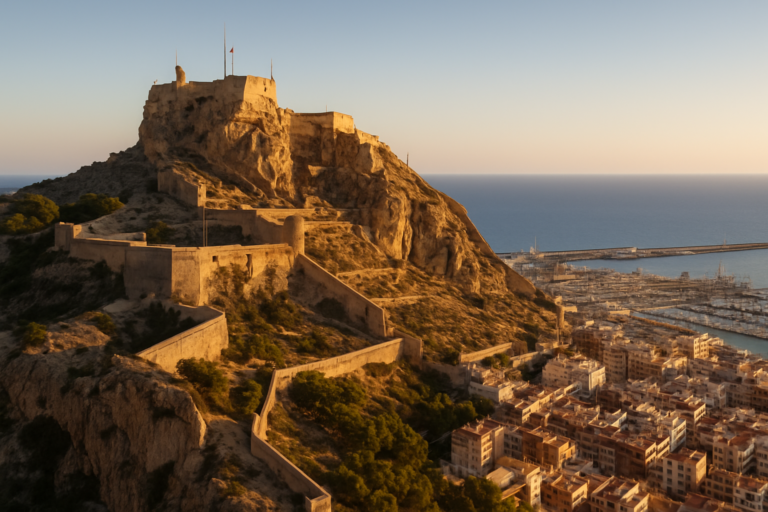
| Alicante city highlights | Santa Bárbara castle, Explanada promenade, city beaches — minutes away | — | City sightseeing, nightlife, beaches |
Wander the university quarter
The main campus of the University of Alicante is one of Spain’s larger universities and it changes the rhythm of the town. Expect cafés busy at all hours, inexpensive eateries geared to students, and an energetic evening scene that’s more about tapas and bars than formal attractions. Walk the campus perimeter and adjacent streets for a sense of local life and affordable dining options.
Visit the parish church and town centre
The parish church of San Vicente Ferrer anchors the town centre. It’s a local focal point and the heart of community and religious life, especially during the town’s patron festivities. A short stroll around the centre gives a clear sense of the town’s transition from its agricultural past to a contemporary university and commercial hub.
Day trips: caves, sierras and Alicante
One of the best uses of your time here is short excursions. The Canelobre Caves at Busot lie nearby and make an effortless inland day trip, while Alicante city — with its Santa Bárbara castle, Explanada promenade and beaches — is just minutes away and offers major attractions not found in town. The surrounding sierras also provide accessible countryside framed by almond and olive groves.
Before you plan
There are no verified closures or major redevelopments affecting the town’s key draws in the sourced information. Plan on the university, the parish church and the TRAM link to be functioning as usual, and that patron festivities continue to be part of the local calendar.
Best beaches in the area
San Vicente itself is inland, so beach time means a short trip to the coast. The nearest sand and urban promenades are on the Alicante coastline; San Juan (Sant Joan) is often singled out as a main nearby beach destination. Use the town as a base for morning or afternoon beach visits rather than a seaside resort stay.
| Beach | Character | Facilities / Notes |
|---|---|---|
| San Juan (Sant Joan) | Popular Costa Blanca beach; long sandy shore near Alicante | Short trip from the town; part of the wider Alicante coast |
| Alicante city beaches | Urban beaches with promenades and city amenities | Minutes from the town; convenient pairing with city sightseeing |
San Vicente del Raspeig with kids
Families will find limited formal attractions inside town but ample family‑friendly options nearby. The university atmosphere means cafés and casual restaurants that welcome younger diners. Use the town as a base for child‑friendly day trips: beaches on the Costa Blanca offer sand and paddle options, while the Canelobre Caves provide a different kind of outdoor adventure that children often enjoy.
How to get to the town and get around
Connectivity is one of the town’s strong points. It sits directly north of Alicante and is effectively part of the city’s metropolitan area. Public transport is straightforward enough for day trips and coastal access.
San Vicente is served by the TRAM Metropolitano light rail, which links the town directly to Alicante and the Costa Blanca coast. Rely on the light rail for affordable coastal and city access; local buses and regional roads connect the town to neighbouring inland villages and natural attractions.
Where to stay
Accommodation choices tend to reflect practicality: affordable guesthouses, student-focused rentals and mid‑range hotels aimed at visitors looking to explore Alicante and the Costa Blanca without paying city prices. Consider where you want to spend time when choosing a neighbourhood:
- Near the university campus — best for nightlife, cafés and a young atmosphere.
- Town centre around the parish church — convenient for shops and local events.
- Edges of town facing the countryside — quieter, with closer access to almond and olive groves and routes out to the sierras.
Best time to visit
Timing depends on whether you prefer lively student energy or quieter streets. The university calendar influences the town’s tempo: term time brings vibrancy, while holiday months are calmer. For beach days and coastal excursions, spring through early autumn is when the Costa Blanca attracts most visitors. Patron festivities for San Vicente Ferrer — including Moros y Cristianos parades and bonfire traditions — are annual highlights to plan around if you want a cultural experience.
| Season | Months | What to expect |
|---|---|---|
| University term times | Academic year months | Young, lively atmosphere; bars and cafés busy |
| Summer and holiday months | Peak beach season | Quieter in town if students leave; beaches and Alicante busier |
| Festivity season | Patron festival dates | Local traditions: Moros y Cristianos parades and bonfires |
History of the town
The town grew from an agricultural settlement into a lively university and commercial hub on the inland edge of the Costa Blanca. Its evolution reflects the wider region’s shift from farming — olive and almond groves mark the surrounding landscape — to a mixed economy shaped by higher education and municipal development. The parish church of San Vicente Ferrer remains a historic anchor in the centre, connecting modern civic life with older local traditions.
Practical info
- Transport links: The TRAM Metropolitano light‑rail provides a direct connection to Alicante and the Costa Blanca coast — a practical option for day trips and commuting.
- Eating out: Expect Alicante‑style cuisine — rice dishes, Mediterranean tapas and sweets like turrón from nearby Jijona are part of the local food scene.
- Nightlife: A large student population sustains a lively tapas, café and nightlife scene year‑round; this is where the town’s social life centers.
- Countryside: The surrounding area features almond and olive groves typical of inland Alicante; these shapes the local landscape and rural character just outside town.
Worth it for: travellers who want an affordable, well‑connected base to explore Alicante, the Costa Blanca coast and nearby sierras; visitors who appreciate lively cafés and student nightlife; day‑trippers interested in the Canelobre Caves and mountain scenery.
Less so if: you want a scenic seaside resort or a town with many standalone attractions — for beach‑focused or heritage‑heavy holidays, stay on the coast or in central Alicante instead.
How we assess this guide
This guide synthesises verified, cross‑checked claims about the town’s role, institutions, transport links and regional context. We flag closures or major changes where applicable and rely on documented local facts rather than first‑hand field reporting. The focus is practical — setting expectations and suggesting how best to use the town as a base for the Costa Blanca and inland day trips.
Frequently asked questions
How do I get from the airport to the town?
The town lies directly north of Alicante and is effectively part of its metropolitan area. It is served by the TRAM Metropolitano light rail, which provides a direct link to Alicante; visitors commonly use the city’s transport connections to reach the town from the airport.
Is San Vicente del Raspeig expensive?
The town is known as a more affordable base for visiting Alicante and the northern Costa Blanca. Its student population supports budget‑friendly cafés and eateries.
Which beach is best if I want to combine a city visit and sunbathing?
San Juan (Sant Joan) and the wider Alicante coast are the closest and most convenient beaches for combining city sightseeing and beach time from the town.
How many days should I spend here?
Plan 1–3 nights if you’re using the town as a base for Alicante and coastal beaches or for nearby day trips such as the Canelobre Caves. Longer stays make sense if you want a quieter, lower‑cost coastal base for exploring the wider Costa Blanca region.
Is the town good for families?
Families find the town serviceable as a base: the student‑oriented food scene is casual and welcoming, and nearby beaches and the caves offer child‑friendly outings. There are fewer formal family attractions inside town itself.
Can I get around without a car?
Yes. The TRAM Metropolitano light rail links the town to Alicante and the coast, and local buses and walkable neighbourhoods make short trips straightforward. For rural sierras and smaller inland villages, a car can be more convenient.
Is parking easy?
Specific parking conditions aren’t detailed in the sourced information. The town functions as a practical commercial hub; if you plan to drive, check local signage and accommodation guidance on parking availability.
What are rainy‑day options?
The town’s main indoor draws are its cafés, university buildings and local shops. For more extensive indoor sightseeing or cultural attractions, nearby Alicante offers museums and city attractions suited to wet weather.
When are the patron festivities and what are they like?
Patron festivities honour San Vicente Ferrer and include Moros y Cristianos parades and bonfire traditions shared with neighbouring Alicante. These are community highlights that showcase local culture and lively street events.
Are there good restaurants and tapas bars?
Yes. A large student population keeps a lively tapas, café and nightlife scene year‑round, offering affordable and social dining options focused on Alicante‑style cuisine.
Can I visit the Canelobre Caves from here?
Yes. The Canelobre Caves at Busot and the surrounding sierras are easy inland day trips from the town and are commonly paired with a stay here.
Is the University of Alicante located in the town?
Yes. The town is home to the main campus of the University of Alicante, one of Spain’s larger universities, which shapes much of the local culture and economy.
What local foods should I try?
Expect Alicante‑style fare: rice dishes and Mediterranean tapas are common, and turrón from nearby Jijona is a regional sweet specialty to seek out.
How close is Alicante city and its main sights?
Alicante — with its Santa Bárbara castle, Explanada promenade and beaches — is just minutes away from the town, making city attractions easy to combine with a stay here.
Are there rural walks nearby?
Yes. The surrounding countryside includes almond and olive groves typical of inland Alicante province, and the sierras near Busot offer natural walking opportunities.
Plan the wider trip
Nearby on the Costa Blanca
Sant Vicent Del Raspeig San Vicente Del Raspeig on the map
Places worth knowing near Sant Vicent Del Raspeig San Vicente Del Raspeig


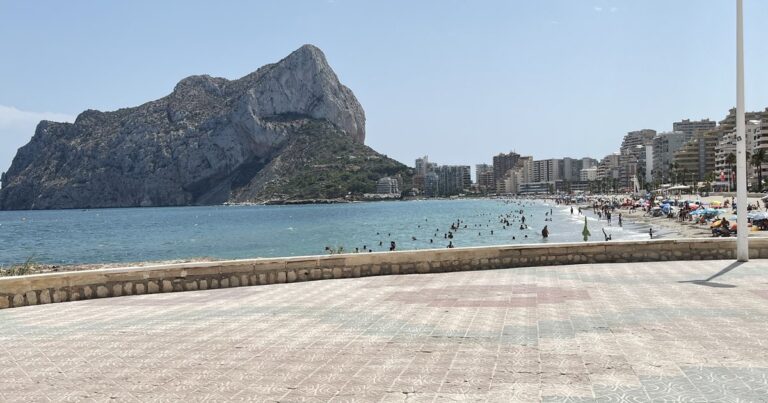
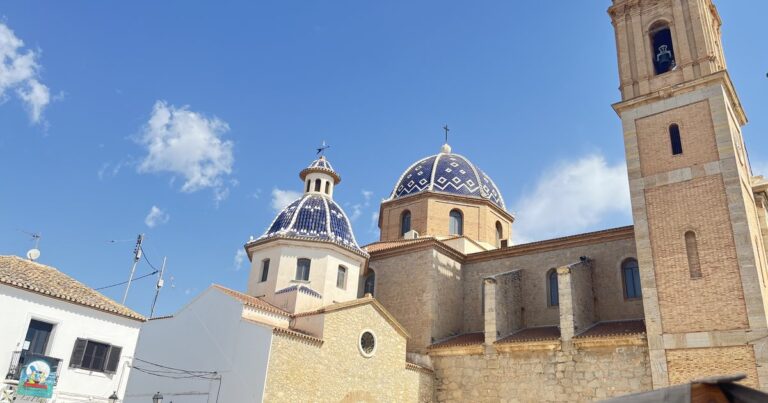
This place is part of our Costa Blanca Guide: Benidorm, Calpe, Altea and the Best of Alicante — see every town, beach and cove we have mapped on that coast.
How this page is maintained. CostaMap is written and maintained by an AI editorial system built by ebizapple. Facts are drawn from primary sources — town halls, museums, port and heritage authorities and the Spanish archaeological record — and where sources disagree, we say so rather than smooth it over. Photographs marked as ours are taken on location. This page was last reviewed on 27 July 2026. Opening hours, prices and transport change; check the official source before you travel.