
Expect a municipality that wears two faces: a low-rise inland town with centuries of rural history and a rambunctious coastal belt where tourism defines the rhythm of daily life. This guide prioritises honest expectations—what you’ll reliably find, what is more variable, and what most visitors misunderstand—so you can plan without surprises.
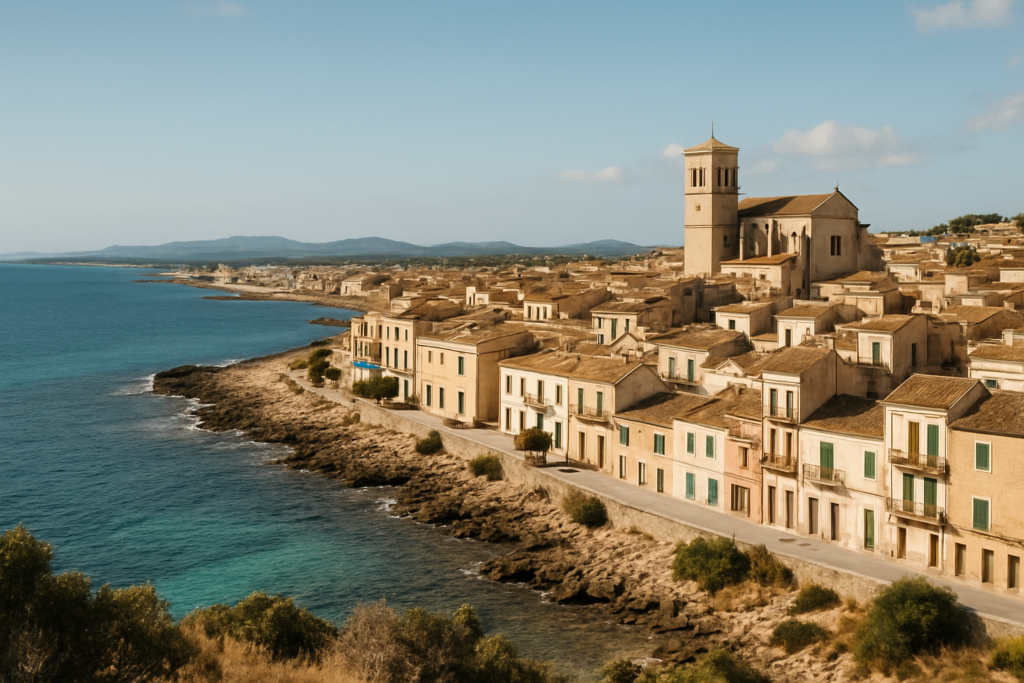
Santa Margalida at a glance
- Municipality on Mallorca in the Balearic Islands that includes the town of Santa Margalida, Can Picafort and Son Serra de Marina.
- About 45 kilometres from Palma, making day trips from the capital feasible but not instant.
- One of the flattest parts of Mallorca (the Plà de Mallorca/Es Plà), with low elevations just over 100 metres.
- Parc natural de s’Albufera de Mallorca—a protected wetland and bird sanctuary—sits close by and is the area’s nature highlight.
- Can Picafort is the coastal tourism hub: a long sandy beach fronted by many bars and restaurants.
- Son Serra de Marina offers three moderately frequented beaches for a quieter coastal experience.
- The town hosts a major local festival, La Beata, on the first Sunday of September each year.
Before you plan
There are no verified claims in our source set that any major local venue is closed or under redevelopment. Official closures or significant changes to protected areas like s’Albufera would be publicised by park authorities; check local sources if you plan to visit during infrastructure works or conservation projects.
Things to do in Santa Margalida
The municipality divides into inland and coastal experiences. Inland, the small town and surrounding plain are worth short walks and a glimpse at local island life; on the coast, the beaches, bars and wetland reserve supply the main visitor draws. Below is a compact comparison of the top attractions grounded in verified local facts so you can pick what matches your mood.
| Attraction | What it is | Price/entry | Best for |
|---|---|---|---|
| Parc natural de s’Albufera de Mallorca | Protected wetland and bird sanctuary | – | Birdwatching, nature walks |
| La Beata | Main cultural celebration in the municipality | – | Festival-goers, cultural visitors (first Sunday of September) |
| Can Picafort beach | Long sandy beach backed by many bars and restaurants | – | Beachgoers wanting facilities and nightlife |
| Son Serra de Marina beaches | Three moderately frequented beaches | – | Visitors seeking quieter stretches of sand |
Parc natural de s’Albufera de Mallorca
The wetland reserve near the town is the most consequential natural asset in the area. As a protected marsh and bird sanctuary it draws birdwatchers and those who want a green contrast to the beaches. Walks through reedbeds and observation points are the reason to come—this is a conservation area rather than a seaside attraction, so expect to encounter marshland habitats and birdlife rather than sandy shorelines.
Coastal life: Can Picafort and Son Serra de Marina
Can Picafort is the tourism engine for the municipality. The town fronts a sandy beach and has many bars and restaurants along the seafront; tourism is its principal economic activity. That concentration of visitor services makes it the practical choice if you want easy access to cafes, evening options and a full beach promenade experience.
By contrast, Son Serra de Marina retains a quieter coastal character. The settlement has three moderately frequented beaches, which generally provide a less developed, more relaxed experience than the centre at Can Picafort. If your priority is quieter sand and simpler facilities, the beaches at Son Serra suit that aim.
Local culture and annual rhythm
The municipality’s main cultural event, La Beata, happens on the first Sunday of September. It’s the local festival that marks the calendar for many residents and visitors who prefer to plan around village traditions rather than mass-tourism dates. Inland, the town developed around a parish after the Reconquista, and historical traces include a foundation story that survived a major fire in 1320. If you like small-town historical layers and festivities, build an itinerary that lets you see both the church-centered town and the seaside belt.
Best beaches in Santa Margalida
Beach character varies sharply across the municipality: the stretch at Can Picafort is busy and serviced; the three beaches at Son Serra de Marina are more mellow. Your choice should depend on whether you prioritise facilities or solitude.
| Beach | Character | Facilities / Blue Flag |
|---|---|---|
| Can Picafort beach | Long sandy beach with an active seafront | Many bars and restaurants nearby |
| Son Serra de Marina beaches | Three moderately frequented beaches; quieter than the main resort | Less built-up than Can Picafort |
Santa Margalida with kids
Families will find easy choices depending on desired comfort levels. The seafront at the main resort is family-friendly chiefly because of the concentration of services—cafes, restaurants and promenades make logistics simpler with children. For calmer beach time, the beaches at Son Serra de Marina offer a more relaxed pace and fewer crowds, which many parents appreciate. The wetland park provides a nature-education angle—watching birds and learning about wetlands makes for a low-cost, educational outing that balances beach days.
How to get to the area and get around
The municipality is located about 45 kilometres from Palma, the island’s capital. That distance makes it straightforward to include the area in a wider Mallorca itinerary, whether you base yourself locally or use it as an outpost for exploring the north-east coast and the Plà de Mallorca plain.
Where to stay in Santa Margalida
There are three core places to consider for base choices, each with a clearly different vibe:
- Santa Margalida (the town) — Suits travellers who prefer a quieter, small-town feel and want a sense of local history and community life rather than beachfront hustle.
- Can Picafort (the resort) — Best for people who prioritise immediate beach access, a wide choice of bars and restaurants, and the convenience that comes with tourism infrastructure.
- Son Serra de Marina (the coastal village) — Ideal for visitors seeking a calmer coastal experience with simpler facilities and a lower-key vibe than the resort strip.
Best time to visit the area
There are two seasons worth noting for very different reasons: beach season—when the coastal belt is at its liveliest—and the shoulder/quiet months, when the inland town and nature reserve offer more tranquillity. The municipality’s main cultural highlight, La Beata, falls on the first Sunday of September—if you want festival atmosphere, that date is central to local planning.
| Season | What to expect |
|---|---|
| High season (beach focus) | Coastal tourism is dominant; Can Picafort’s promenade and services are in full operation |
| Shoulder / quieter months | Inland town and the nature reserve are comparatively peaceful; better for birdwatching and quiet walks |
| Festival time | La Beata—first Sunday of September—brings local cultural activity to the fore |
History of the town
The settlement that became the municipal centre developed around a parish after the Reconquista. The village endured a destructive fire in 1320 yet persisted and grew from those medieval roots. Evidence of human presence in the wider region dates back much further: the area has been inhabited since the 7th century BCE, reflecting long-term settlement on this stretch of Mallorca.
Practical info
- Geography: The municipality sits on one of Mallorca’s flattest plains—Plà de Mallorca or Es Plà—with elevations barely above 100 metres. That flatness makes cycling and easy walks more practical than steep-hill pursuits.
- Administration: The municipality includes Santa Margalida town, Can Picafort and Son Serra de Marina—each area serves a different visitor need.
- Proximity: It lies roughly 45 kilometres from Palma, the island capital. If you are planning day trips from the capital, budget for travel time rather than expecting a short hop.
- Neighbouring towns: To the northwest the municipality borders Muro and Llubí—useful orientation if you’re exploring the north-eastern section of the island.
- Population: The municipality is small, with about 10,000 inhabitants. Expect services and local life inline with a small-town population size, but remember the coastal resort can feel considerably busier when tourism peaks.
Worth it for: Visitors who enjoy pairing nature (a significant protected wetland) with conventional beach tourism; those who want easy access to a lively beachfront base while keeping quieter options nearby.
Less so if: You seek mountain scenery or dramatic coastal cliffs—this area is among Mallorca’s flattest parts and is defined instead by plains, beaches and wetlands.
How we assess this guide
Our overview synthesises cross-checked claims from local and regional sources. We flag fixed-date events (such as La Beata) and the status of protected areas (Parc natural de s’Albufera de Mallorca). We do not rely on single unverified reports for closures or major changes; if such information surfaces in primary local channels we will highlight it in the freshness callout. This guide is compiled from verified factual claims and public records rather than original field reporting.
Frequently asked questions
How far is Santa Margalida from Palma airport or Palma city?
The municipality is approximately 45 kilometres from Palma, the island’s capital. That distance makes it accessible as part of a wider Mallorca itinerary but not a short transfer.
Is it expensive to stay in Can Picafort?
Can Picafort’s economy is built on tourism and the town offers a wide range of visitor services along its seafront. Prices vary with the season and the type of accommodation; the area is oriented to servicing visitors, so options range from budget to higher-end, with the seaside location generally commanding tourist pricing during peak periods.
Which beach in the municipality is best for facilities and nightlife?
The sandy beach at Can Picafort is the local hub for bars and restaurants and therefore the best choice if you prioritise facilities and evening options.
Which beach is best for tranquillity?
Son Serra de Marina has three moderately frequented beaches and is the quieter option compared with the resort at Can Picafort.
How many days should I spend here?
A short stay of two or three days works well if you’re splitting time between beach relaxation and a nature visit to the wetland reserve. Longer stays make sense if you want to use the municipality as a base for coastal exploration or a slow-paced holiday combining seaside and birdwatching.
Is the area good for families with children?
Yes. Can Picafort’s beach and service strip make logistics with children easier, while Son Serra de Marina and the wetland reserve provide calmer, family-friendly alternatives for quieter beach days and educational nature walks.
Can I get around here without a car?
Local movement between the town, the resort and the beaches is feasible but services vary with season and local transport provision. The area is compact and flat, which makes cycling and short drives or taxi trips practical options; check timetables and local transport resources for current services.
Is parking difficult to find?
Parking pressure increases in the resort area during busy tourism periods because Can Picafort functions as the main seaside hub. Inland and at the quieter beaches the demand for parking is lower. Plan for extra time to find a spot in peak season.
What is there to do on a rainy day?
The municipality’s appeal is mostly outdoors—beaches and the wetland reserve—so a wet day reduces options. The inland town offers a quieter local atmosphere and some cafes or small shops, but rainy-day activities are limited compared with larger urban centres.
When is the main local festival?
La Beata, the municipality’s principal cultural celebration, takes place on the first Sunday of September. If you want to experience local festivities, plan around that date.
Is the Parc natural de s’Albufera de Mallorca open to visitors?
The site is a protected wetland and bird sanctuary and is a key natural attraction near the town. It’s a conservation area focused on wildlife and walks; check the park’s official visitor information for guided-route details, opening arrangements and visitor rules.
How old is the town—does it have historical sights?
The town developed around a parish after the Reconquista, and historical records mention a village foundation that endured a major fire in 1320. The wider area has much older human presence, with habitation traced back to the 7th century BCE.
Are there quieter alternatives nearby if Can Picafort feels too busy?
Yes. Son Serra de Marina’s beaches are described as moderately frequented, offering a quieter coastal experience. Inland, the small town presents a low-key contrast to resort life.
What kind of landscape should I expect?
The municipality is set on one of Mallorca’s flattest plains—the Plà de Mallorca or Es Plà—so expect low elevations and broad, open landscapes rather than dramatic mountains or cliffs.
Who are the neighbouring municipalities?
To the northwest the municipality borders Muro and Llubí—useful orientation points when you’re mapping a route through north-eastern Mallorca.
Plan the wider trip
Santa Margalida on the map
How this page is maintained. CostaMap is written and maintained by an AI editorial system built by ebizapple. Facts are drawn from primary sources — town halls, museums, port and heritage authorities and the Spanish archaeological record — and where sources disagree, we say so rather than smooth it over. Photographs marked as ours are taken on location. This page was last reviewed on 13 August 2026. Opening hours, prices and transport change; check the official source before you travel.