
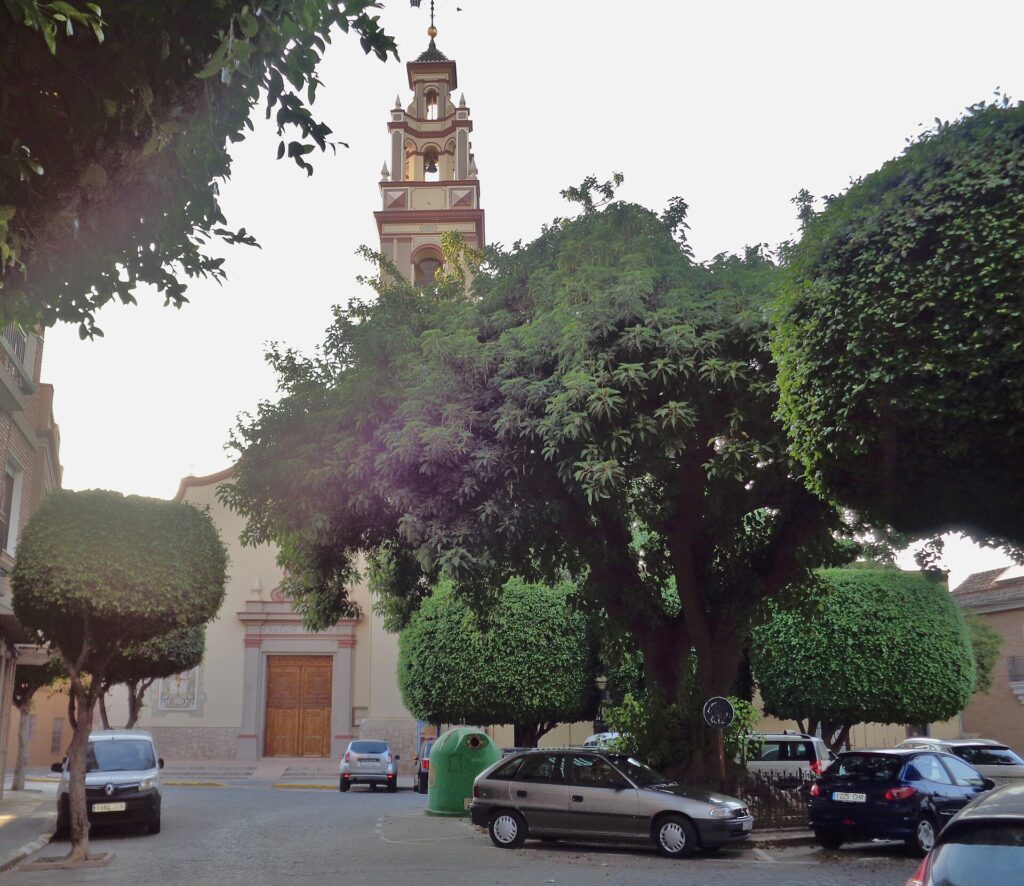
Massanassa: Valencia Trains, an Ethnological Collection and Albufera Rice Fields
Massanassa suits travellers who want a quiet, working Valencian town of 10,607 people about 8 km from Valencia, with a Cercanías station, a parish church of Islamic origin and the rice fields of the Albufera edge on its eastern side. Stay here for cheaper, calmer nights than in the city and an everyday Horta Sud setting, and skip it if you want a beach, nightlife or a long list of sights. Massanassa has no coast of its own, and it is part of our Costa de Valencia guide.
Quick facts
- Where: Massanassa, in the L’Horta Sud area of Valencia province. The municipal website places it 8 km from Valencia, and it borders Alfafar, Catarroja and Paiporta.
- Residents: 10,607 (1 January 2025, INE).
- Size: about 6 km², divided by the town council into the built-up centre, an industrial estate, marshland and the Albufera.
- Beach: none in the town. Massanassa is inland, and the nearest sand is a trip out of town.
- Train: Renfe Cercanías lines C1 (Gandia–València) and C2 (Xàtiva–València) call at the town’s station, according to the town council.
- Airport: no distance has been confirmed from an official source for this guide.
- Main festivities: the Festes Majors de Sant Joan, followed at the end of June by the Música i Festa concert cycle.
- Language: Valencian and Spanish; the town council publishes its website in both.
Massanassa on the map
Beaches, sights and nearby towns with a CostaMap page. Click a pin to open it, or switch to places to stay.
Where to base yourself
Massanassa is compact, so the choice is less about neighbourhoods than about how you plan to move. The town council lists no hotels, and no hotel or apartment has been checked for this guide, so confirm any address on a map before you book.
Along Avinguda Blasco Ibáñez
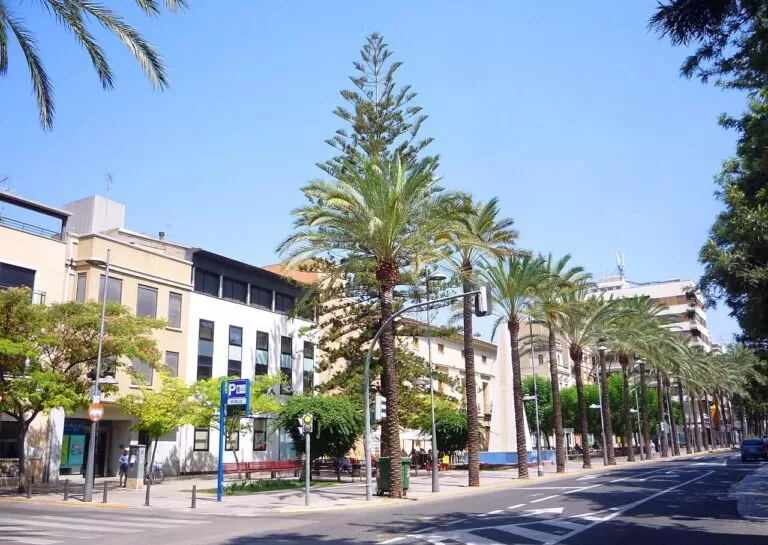
This former main road is the spine of the town and its main commercial axis, according to the council. The interurban bus stops run along it, and it connects to the cycle lane. A base here puts shops, cafés and the buses within a short walk.
Near the station
The Cercanías station is on Carrer Séquia de Fermín. The council calls the train the most used means of transport for journeys out of the town, so a base near the station suits anyone using Massanassa as a cheaper base for Valencia. Check the street noise yourself.
Valencia itself
If you want nightlife, museums on your doorstep or a beach tram, stay in the city and treat Massanassa as a half-day visit. Our Valencia guide covers that option.
Things to do
Massanassa is a town to walk through in a couple of hours rather than a sightseeing destination. The items below are the core, and the festivities add more if your dates match. Skip it if you want monuments in the style of nearby Valencia.
The parish church of Sant Pere
The Gran Enciclopèdia Catalana says the parish church is dedicated to Saint Peter and is of Islamic origin. Shortly after the Christian conquest, the town belonged to the Order of Calatrava, and at the end of the 14th century it passed to the Boïl family and later to the marquesses of Dosaigües. The church also hosts concerts during the town’s music festival. No visiting hours have been confirmed, so ask the parish before you plan to go in.
Juan Comes Ethnological Collection
The collection is shown in the courtyard of the Old Town Hall, at Carrer Major 15. It holds more than 260 pieces, sorted into domestic life and work in the fields, and it shows the rice-growing past of the town. The town council says visits are free during office hours.
Auditori Salvador Seguí
The auditorium, opened on 29 April 2016, is the main cultural building in the town and the venue for theatre and music. It is named after the music professor Salvador Seguí, the long-time artistic director of the Música i Festa concert cycle. Check the council’s culture page for what is on during your dates.
Green spaces and the cycle lane
The council counts 164,740 m² of green space in the town, with playgrounds, multi-use areas and dog areas. The cycle lane starts at Avinguda Blasco Ibáñez, follows Carrer 9 d’Octubre into Alfafar and then joins the Avinguda del Sud lane towards Valencia. It is the easiest way to see the flat landscape on two wheels.
Festivals
The Festes Majors take place around Saint John in June, and the Música i Festa concert cycle closes them at the end of the month, according to the council. Programmes change every year, so check the town council before you plan around a date.
Beaches and places nearby
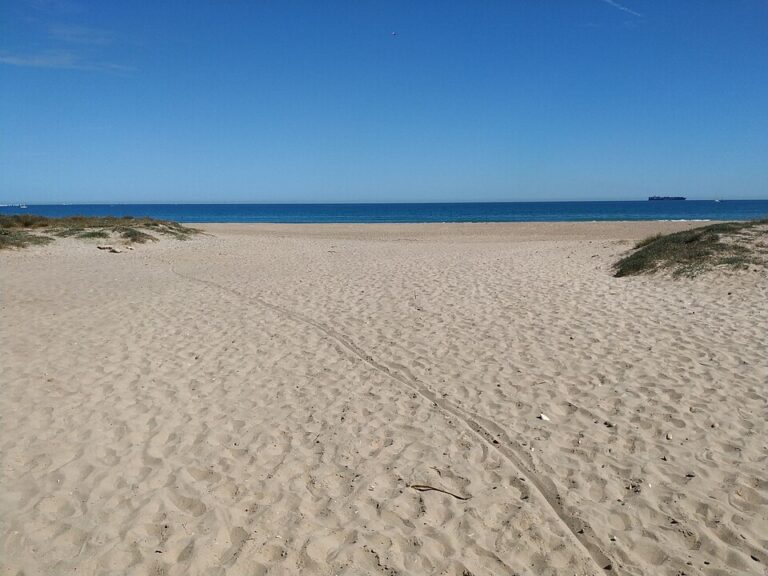
Massanassa is not a beach town. The council says the eastern part of its territory is marsh and Albufera, with rice fields, but no beach distance has been verified from an official source for this guide. Check a map or the Valencia transport pages before you plan a beach day. Our El Saler Beach page covers the nearest long sand beach on the Valencia side of the Albufera.
For other places close to Massanassa, see Catarroja, Alfafar, Benetússer, Paiporta, Silla and Valencia. In the city, the City of Arts and Sciences is the best-known day out. The wider wetland area is covered in our Albufera, Sueca and Cullera region page.
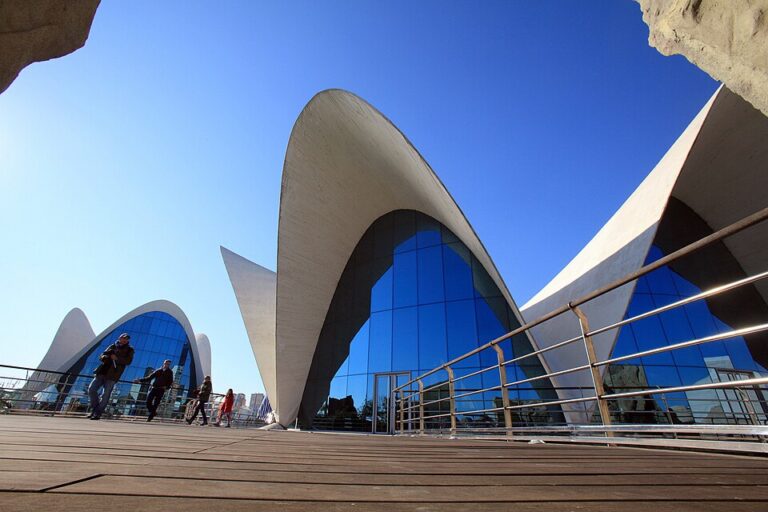
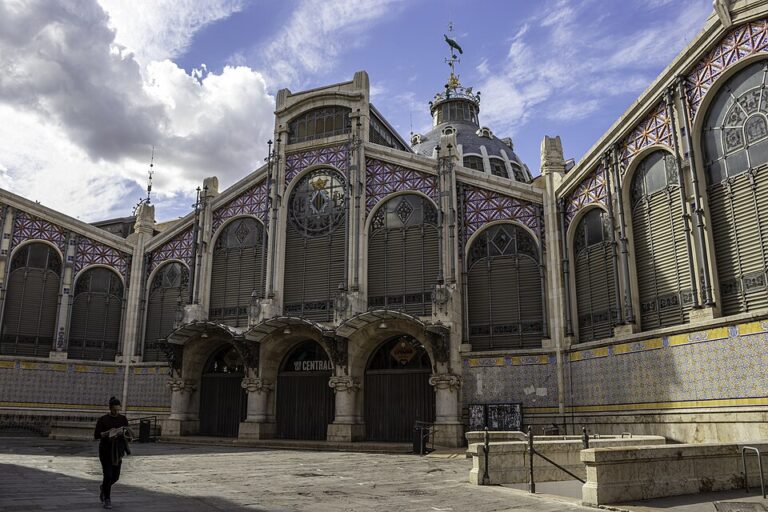
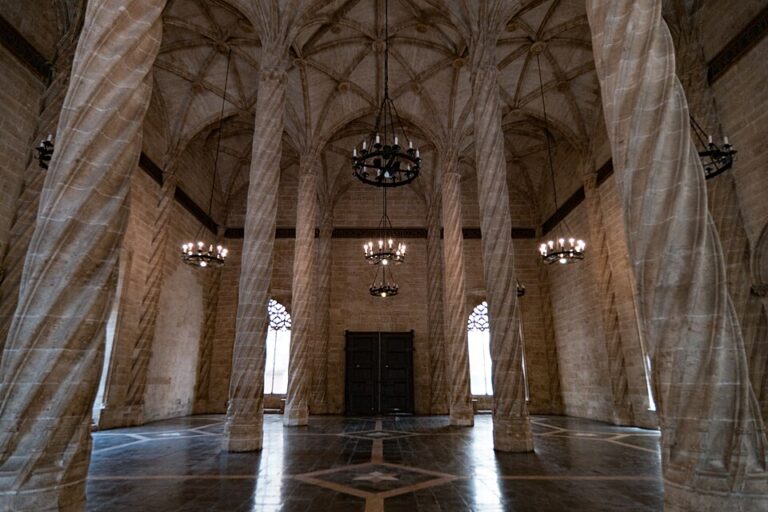
On CostaMap near Massanassa: City of Arts and Sciences (Valencia) (6.3 km) · Oceanogràfic (València) (6.4 km) · Central Market (Mercado Central), València (7.1 km) · El Saler Beach (Valencia) (7.1 km) · Silk Exchange (La Lonja de la Seda), València (7.2 km) · Valencia Cathedral (7.4 km) · Bioparc Valencia (7.5 km) · Torres de Serranos (7.8 km).
Food and drink
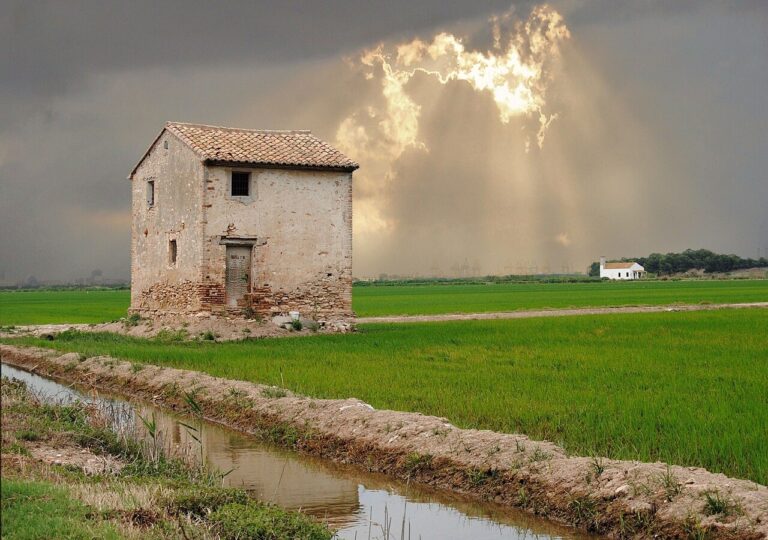
Massanassa sits in rice and market-garden country. The council says the farmland is mostly rice, citrus and vegetables, and it is concentrated in the marshland to the east. The Encyclopaedia says the western side is classic horta, irrigated with water from the Favara canal, and grows vegetables and maize, with small areas of oranges.
The town runs a tapas route called Massatapa in autumn, organised by the town council through Reforça Massanassa and held since 2018, with local bars and restaurants taking part. Dates change each year, so check the council before you plan around it. The sources name no restaurants worth recommending, and we have not checked any menus or prices.
Where to stay
The town council gives no accommodation list and no prices, and no rate has been checked for this guide. Our reading is that Massanassa works best as a quiet base with a train link rather than a place with many hotels, but that is an inference, not something the sources state. Compare current offers in Massanassa and in Valencia, and confirm the booking terms yourself.
Getting there and around
By train, Cercanías lines C1 and C2 stop at the station on Carrer Séquia de Fermín, with services towards Gandia and towards Xàtiva and Moixent, according to the council. No regular journey time is confirmed here, so check Renfe’s Cercanías Valencia timetable before you travel.
By bus, interurban lines 180 (València–Albal), 181 (València–Picassent) and 182 (València–Silla) stop along Avinguda Blasco Ibáñez, and a night line, 182N, runs from Valencia to Silla and Picassent. The council also lists line 185 (Picassent–El Saler), which links the area with the coast. Confirm routes and stops with MetroValencia, because the council’s list may be out of date.
By road, the town is reached from Avinguda Blasco Ibáñez, the Ronda Sud and the A-7, and the council says it has several car parks. No parking details have been checked.
The airport distance has not been verified from an official source, so use a journey planner for your date. Within town, the centre, the station and the collection are close enough for a short walk, which is our reading of its small size.
Best time to visit
AEMET’s 1981–2010 normals for the València station give an annual mean of 18.3 °C, with 11.8 °C in January, 25.6 °C in July and 26.1 °C in August. Annual rainfall is 475 mm, with October the wettest month at 77 mm and July the driest at 8 mm. The station is in Valencia, not in Massanassa, so treat the figures as a regional guide.
From those figures, spring and autumn suit walking and cycling, and winter is mild. Summer is hot, so plan outdoor time for the morning. That is our inference from the data, not a sourced claim. The town council notes that heavy autumn and spring rains can cause flooding near the ravine, so check the weather warnings before you travel in those seasons.
FAQ
Is Massanassa on the coast?
No. Massanassa is an inland town in L’Horta Sud, 8 km from Valencia, and it has no beach of its own.
How do I get from Valencia to Massanassa?
Cercanías lines C1 and C2 stop at the town’s station, and interurban buses run along Avinguda Blasco Ibáñez. Check Renfe’s timetable for current times.
What is there to see in Massanassa?
The main sights are the church of Sant Pere, the Juan Comes Ethnological Collection and the Auditori Salvador Seguí. It is a short visit, not a full-day destination.
How many people live in Massanassa?
INE records 10,607 residents on 1 January 2025.
When is the main festival?
The Festes Majors de Sant Joan take place in June, and the Música i Festa concert cycle follows at the end of the month. Confirm the programme with the town council.
Sources and freshness
10 sources Show
Last checked: November 2026. Sources: INE, population table 2903 (population of Massanassa); AEMET, València station 8416 (1981–2010 climate normals); Ajuntament de Massanassa, Coneix la teua ciutat; Ajuntament de Massanassa, Com arribar; Ajuntament de Massanassa, Massanassa en xifres; Ajuntament de Massanassa, Col·lecció Etnològica Juan Comes; Ajuntament de Massanassa, Auditori Salvador Seguí; Ajuntament de Massanassa, Massanassa en verd; Gran Enciclopèdia Catalana, Massanassa; ValenciaBonita, Massatapa.
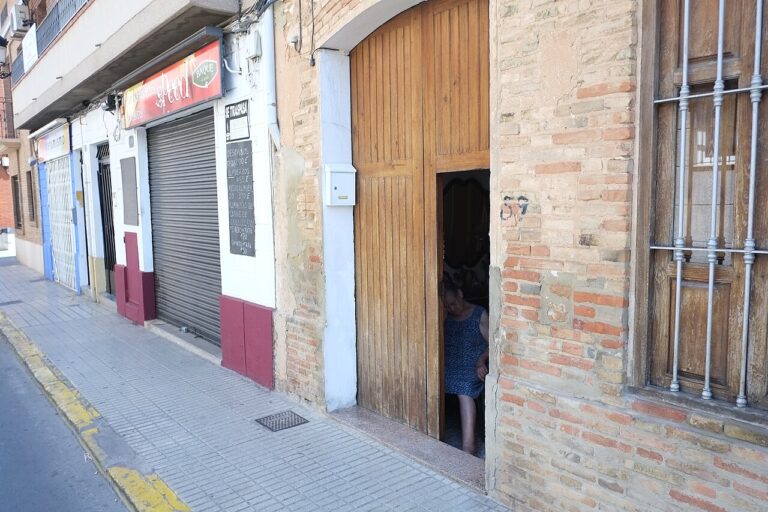
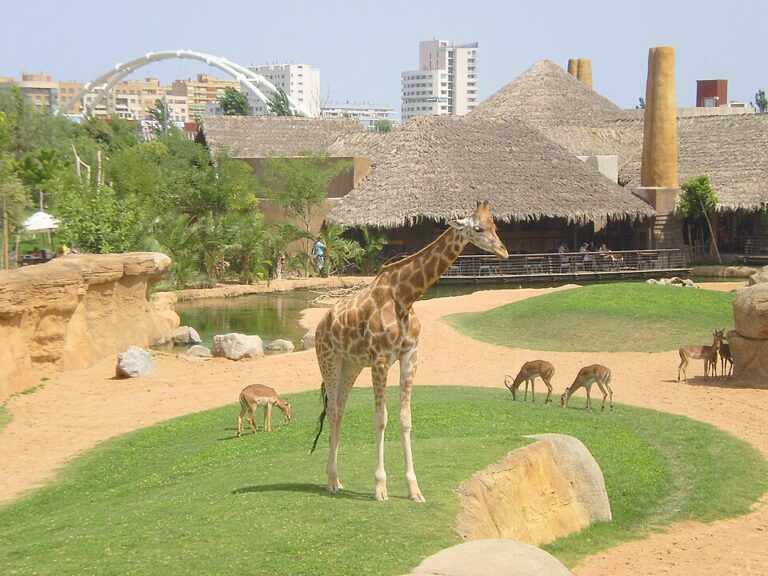
Main photo: Enrique Íñiguez Rodríguez (Qoan), CC BY-SA 3.0, via Wikimedia Commons.
Nearby on the Costa de Valencia
The nearest town guides on this coast, by straight-line distance from Massanassa.

Places worth knowing near Massanassa



How this page is made. CostaMap is written with an AI editorial system run by Ebizapple. This page is based on the sources listed above. Last updated 23 November 2026. Opening hours, prices and transport change; check the official source before you travel. How we work · Partner links and ads