
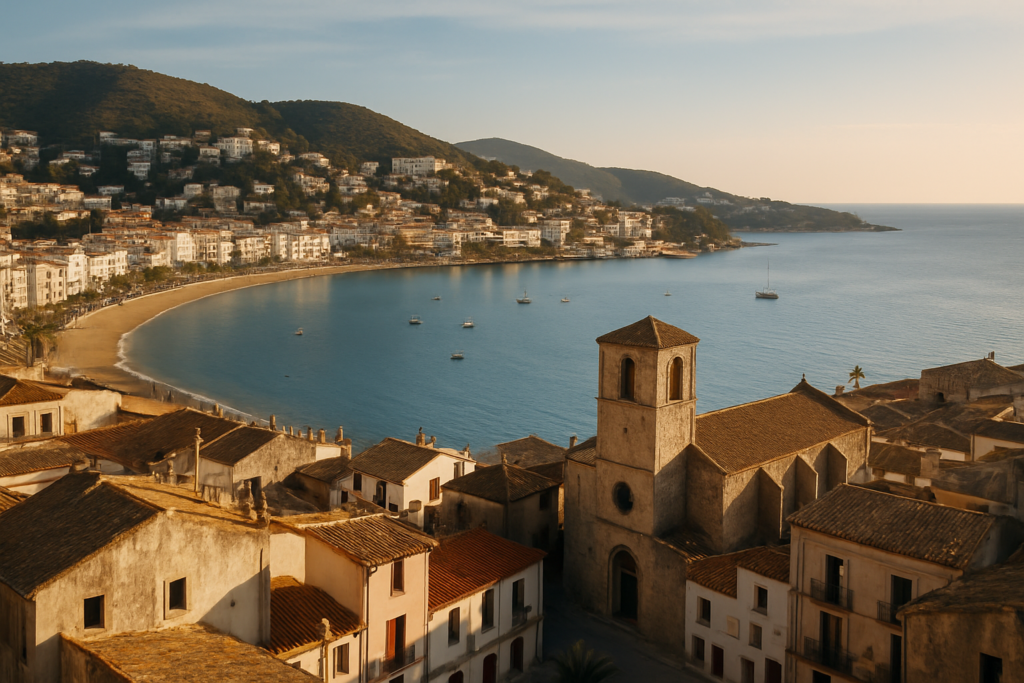
Expect a working Mediterranean town more than an airbrushed brochure: this coastal hub mixes beaches, fishing-industry activity, military fortifications and direct access to wild headlands. For many visitors the appeal is practical — sandy bays within walking distance of services, walking trails that start from the harbour and layers of visible history — rather than a single iconic sight. Read on to set realistic expectations and plan where to invest your time so you don’t leave disappointed.
Roses at a glance
- Located on the Costa Brava, at the northern end of the Gulf of Roses.
- Main entry point to Cap de Creus Natural Park for walkers and coastal drives.
- Important fishing port and established tourist centre; population rises sharply in summer.
- 5G mobile network coverage is available (as of January 2024).
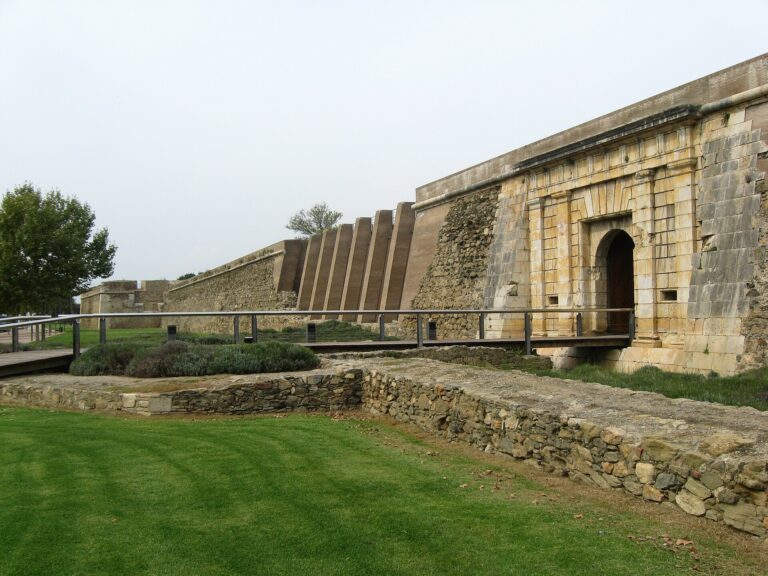
- Historic military sites: the 16th‑century Ciutadella and the Castell de Trinitat (restored in 2010).
- Walkers: the GR 92 long‑distance route runs through the town and has a staging point here.
- Good local archaeology: Greek and Roman remains visible within the citadel; a museum opened inside the citadel walls in 2004.
Things to do in the area
There’s no shortage of small-scale activities: shoreline walks, a handful of museums and archaeological sites, short boat trips from the port, and day hikes into Cap de Creus. Most attractions are walkable from the harbour or short local transfers away, so plan a mix of beach time and history rather than packing an itinerary around a single must-see.
| Attraction | What it is | Price/entry | Best for |
|---|---|---|---|
| Ciutadella (The Citadel) | 16th‑century fortress built under Charles V containing Greek, Roman and medieval archaeological remains; museum within the walls | – | history buffs; families who like compact sites |
| Castell de Trinitat | Seaside fortification with a controversial restoration completed in 2010 | – | photography; coastal history |
| Beach of Canyelles | Sandy beach within the resort area | – | swimmers; sunbathers |
| GR 92 staging point | Long‑distance footpath access for day hikes and multi‑day walking | – | walkers and backpackers |
| Cap de Creus access | Gateway to the natural park and rugged headlands | – | nature lovers; hikers |
The Ciutadella and its museum
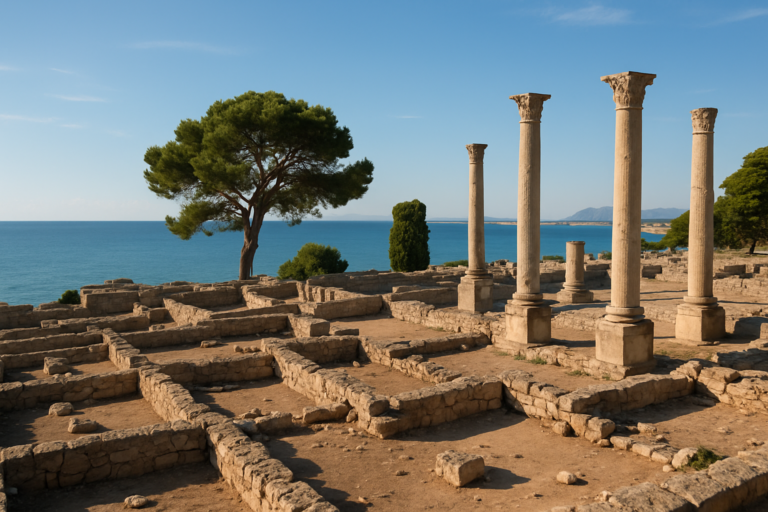
The fortress that dominates the seafront began life as a defensive citadel ordered by Charles V in the 1540s. Inside the walls you’ll find archaeological layers reaching back to Greek and Roman occupations and a museum that opened in 2004, which interprets those finds and the site’s defensive history. Expect an intimate site where the visible ruins are the point — it’s compact, readable and rooted in successive historical periods rather than a single era.
Castell de Trinitat: restored, debated
Perched at the edge of the harbour, this coastal fortification was subject to a controversial restoration finished in 2010. The work is part conservation, part reconstruction, and it’s a good place to see how modern preservation approaches can change the feel of a ruin. Combine a visit with a walk along the headland for harbour views and an immediate sense of why fortifications were placed here.
Walking: GR 92 and Cap de Creus
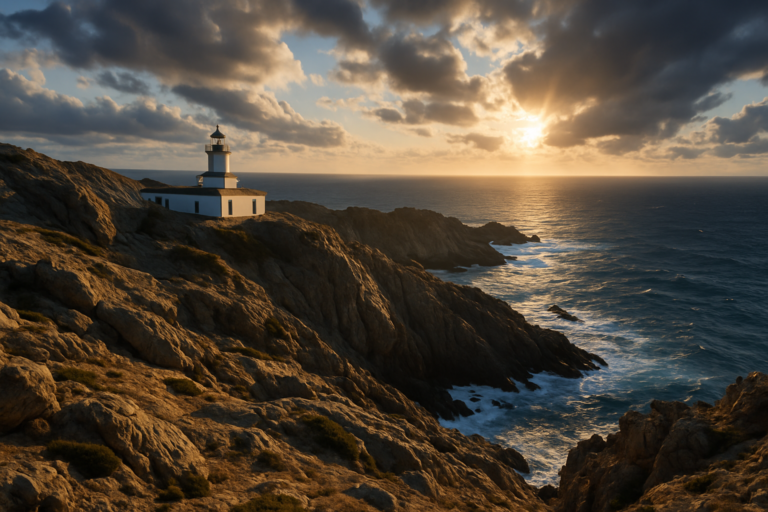
Walkers will appreciate that the long-distance GR 92 trail passes through town and that the town functions as a staging point for sections of the route. From here you can walk short coastal stretches or use the town as a base to explore Cap de Creus Natural Park, whose wild, rocky coastline contrasts with the sandy bays closer to the harbour.
Best beaches in the resort
The shoreline around the harbour offers a mix of sandy family beaches and rockier, more rugged coves near the headland. Sand bays within the town are convenient for services and meals; if you want quiet coves, head for the Cap de Creus approaches.
| Beach | Character | Facilities/Blue Flag |
|---|---|---|
| Beach of Canyelles | Sandy resort beach, popular and easy to reach | – |
| Harbour‑front sands | Long, sheltered bays suitable for families | – |
| Headland coves near Castell de Trinitat | Rockier, better for snorkelling and exploring | – |
The town with kids
Families will find straightforward wins here: sandy beaches close to cafes and shops, short historical sites that won’t exhaust small legs, and easy access to short coastal walks. The fortress areas are compact enough for children to explore safely under supervision, and the harbour activity — fishing boats, local ferries and occasional day-trip vessels — often fascinates younger visitors.
How to get to Roses and get around
Roses connects by road to the regional network: the C-260 is the principal link with Figueres, making rail connections and onward travel reasonably simple if you’re arriving by train to the nearest larger towns. Within the town the layout suits walking for most day-to-day movements; bicycles and local buses cover short distances and transfers toward Cap de Creus are typically handled by regional coaches or private tours.
Where to stay in Roses
Accommodation clusters into a few practical areas depending on your priorities:
- Seafront and harbour: best for beach access, harbour restaurants and short walks to the citadel.
- Western bay and main resort beaches: suits families wanting easy access to long sandy bays and services.
- Near the old town and citadel: compact, historic feel with short walks to museums and archaeological sites.
- Outskirts toward Cap de Creus: good for walkers and visitors targeting the natural park rather than the resort beaches.
Best time to visit
Summer is the busiest season; the town’s population increases significantly as tourism peaks. If you prefer quieter streets and easier beach access, visit shoulder seasons when services are still available but crowds are reduced. The area functions year-round for walkers and those focused on the natural park, but expect fewer amenities and some closed seasonal businesses outside the main tourist months.
| Season | Months | What to expect |
|---|---|---|
| High season | Summer months | Sharp increase in population and full tourist services; busy beaches |
| Shoulder seasons | Spring & Autumn | Quieter streets, easier access to beaches and walking routes while many services remain open |
| Low season | Winter | Much reduced tourist flow; base services remain but some seasonal businesses may be closed |
History of the area
The modern town grew around a medieval settlement and the monastery of Santa Maria de Roses, with evidence of an earlier Greek foundation — tradition links the origin to colonists from Rhodes — and subsequent Roman occupation. The coastal position made the settlement strategically important; the citadel you see on the waterfront was begun in the mid‑16th century by order of Charles V as part of coastal defences. The town’s fortunes fluctuated with wider events: it suffered economically in 1879 when phylloxera hit the vineyards, endured sieges in the 17th and early 19th centuries, and later reinvented itself through tourism in the 20th century. A museum was opened inside the citadel walls in 2004 to display the archaeological sequence.
Practical info
- Connectivity: 5G network coverage is available in town as of January 2024.
- Harbour and economy: the place remains an active fishing port as well as a tourist centre — expect working harbour activity alongside leisure facilities.
- Museum and sites: the Ciutadella hosts an on‑site museum (opened 2004) and exposes archaeological remains from Greek, Roman and medieval layers.
- Road access: the C-260 links the town with Figueres, providing the most direct road connection to regional transport hubs.
- Geology note: bedrock varies locally — northern and eastern parts are underlain by older metasediments; the southern area sits on Variscan granodiorite — details may be of interest to geology enthusiasts exploring the headlands.
- Historic preservation: the ciutadella was extensively restored in the 1990s; the Castell de Trinitat saw a notable restoration completed in 2010.
Worth it for: people who want a practical base for beaches and hiking into Cap de Creus, anyone interested in visible multi-period archaeology and coastal fortifications, and travellers who prefer compact, walkable resorts with working harbour life.
Less so if: you expect a single, picture-perfect postcard town isolated from busy tourist infrastructure, or if your goal is a luxury-only seaside escape without the mix of fishing and tourist activity.
How we assess this guide
This guide is compiled from verified historical, geological and travel‑useful claims cross‑checked against regional records. We flag restorations and museum openings, and we do not present closed attractions as active. We do not rely on unpublished first‑hand field reporting; instead we synthesize documented facts so you can make a realistic plan and avoid common disappointments when visiting.
Nearby on the Costa Brava
Towns within reach
- Escala — the Greek and Roman ruins of Empuries, salted anchovies (17 km)
- Figueres — the Dalí Theatre-Museum, the vast Sant Ferran castle (19 km)
- Banyoles — The Estany de Banyoles is the biggest natural lake in Catalonia (37 km)
- Besalú — one of Catalonia's best-preserved medieval towns (40 km)
- Salt — a dense, multicultural mill town on Girona's doorstep (45 km)
Things to see close by
- Ciutadella de Roses — The Ciutadella de Roses encloses 2,300 years of layered history (1 km)
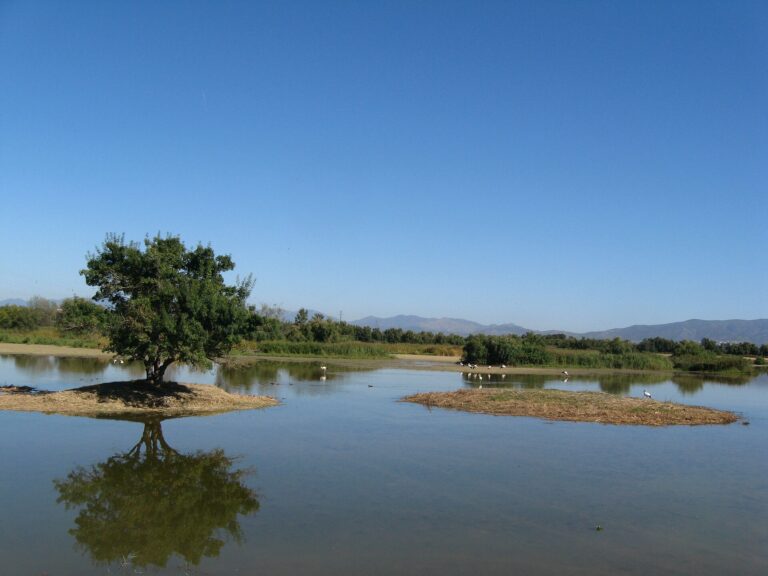
- Aiguamolls de l'Empordà Natural Park — Aiguamolls de l'Empordà was drained as malarial swampland, then deliberately rebuilt (7 km)
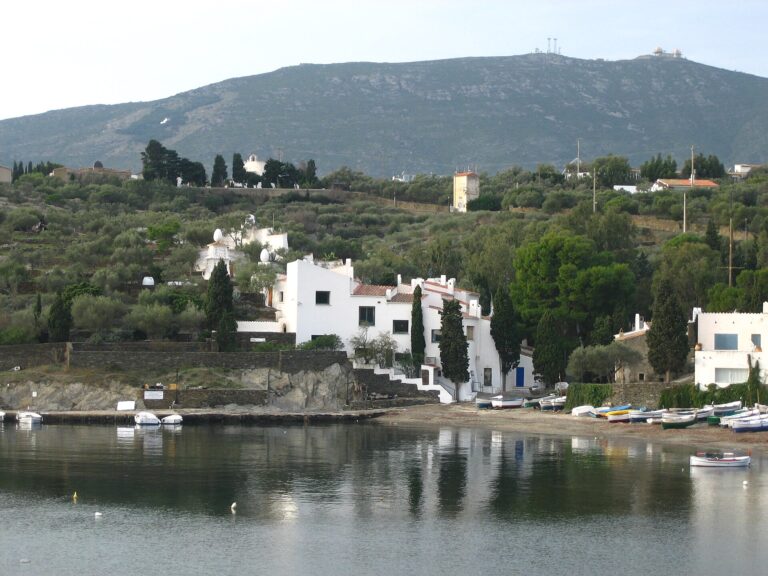
- Salvador Dalí House Museum — Dalí's house in Portlligat grew from a single fisherman's hut (10 km)
- Iberian Town of Ullastret — Ullastret was the largest Iberian city in Catalonia (30 km)
For the wider picture, see the full Costa Brava guide.
Frequently asked questions
How do I get from the nearest major town or train hub to the resort?
The main regional road link is the C-260, which connects the town with Figueres; from there you can access rail and regional services. Local onward transfers are usually by road.
Is it an expensive place to visit?
The area functions as a mainstream tourist centre rather than an ultra‑luxury resort. Prices vary seasonally, and the town expands services heavily for summer visitors.
Which beach is best for families?
Sandy bays within the resort area — including the Beach of Canyelles — are the most practical for families because they combine gentle sand with nearby services.
How many days do I need to see the main sights?
A long weekend is sufficient to visit the citadel and museum, enjoy a couple of beaches and walk a short portion of the GR 92. Add extra days if you plan extended hiking in Cap de Creus.
Is it a good place to bring children?
Yes. The compact historical sites and easy‑access beaches make it family-friendly, and harbour activity tends to engage younger visitors.
Can I get around without a car?
Yes for local movement: most beaches, the citadel and harbour are walkable from central accommodation. For excursions into Cap de Creus or for more remote coves, some form of road transport (bus, taxi or organised tour) is usual.
Is parking difficult?
Expect busier parking in the town during summer when the population increases significantly. Closer to the harbour and major beaches the busiest days require early arrival for the easiest parking.
What are good rainy-day options?
The citadel museum provides an indoor alternative focused on archaeology and local history. Beyond that, cafés and shopping in the town centre are the most practical options on wet days.
When is the best time to visit for walking in Cap de Creus?
Shoulder seasons are most comfortable for walking because the town is less crowded and coastal trails are quieter while services remain available. Summer is busier but still workable if you prefer warm weather.
Was El Bulli still open when the town became a major tourist centre?
The famous restaurant El Bulli was located locally from 1961 and remained in operation until its closure in July 2011, overlapping with the town’s growth as a tourist destination in the 20th century.
Are there visible ancient Greek or Roman remains here?
Yes: archaeological remains from Greek and Roman occupations are visible within the ciutadella, reflecting the long sequence of settlement on the site.
Is the citadel original or reconstructed?
The citadel dates to the 16th century, ordered by Charles V, but it underwent extensive restoration in the 1990s. The site today combines original defensive structures with restored elements and a museum inserted within the walls.
Does the GR 92 long-distance path pass through town?
Yes. The GR 92 crosses the area and the town serves as a staging point for sections of the route, making it convenient for day hikes or multi-day walking itineraries.
Is the Castell de Trinitat worth visiting?
Visitors interested in coastal fortifications and dramatic harbour views will appreciate it; note the restoration completed in 2010 prompted debate about preservation approaches, which is itself part of the visitor experience.
Is there good mobile coverage for working remotely?
Yes. The town had 5G network coverage as of January 2024, supporting streaming, calls and other bandwidth‑heavy tasks where signal is available.
Plan the wider trip
Consider combining a stay here with inland visits to Figueres or exploring more of the Alt Empordà comarca; the town’s role as a coastal gateway makes it a convenient base for branching into the Cap de Creus Natural Park and the larger Costa Brava coastline.
Roses on the map
Places worth knowing near Roses
How this page is maintained. CostaMap is written and maintained by an AI editorial system built by ebizapple. Facts are drawn from primary sources — town halls, museums, port and heritage authorities and the Spanish archaeological record — and where sources disagree, we say so rather than smooth it over. Photographs marked as ours are taken on location. This page was last reviewed on 11 August 2026. Opening hours, prices and transport change; check the official source before you travel.