
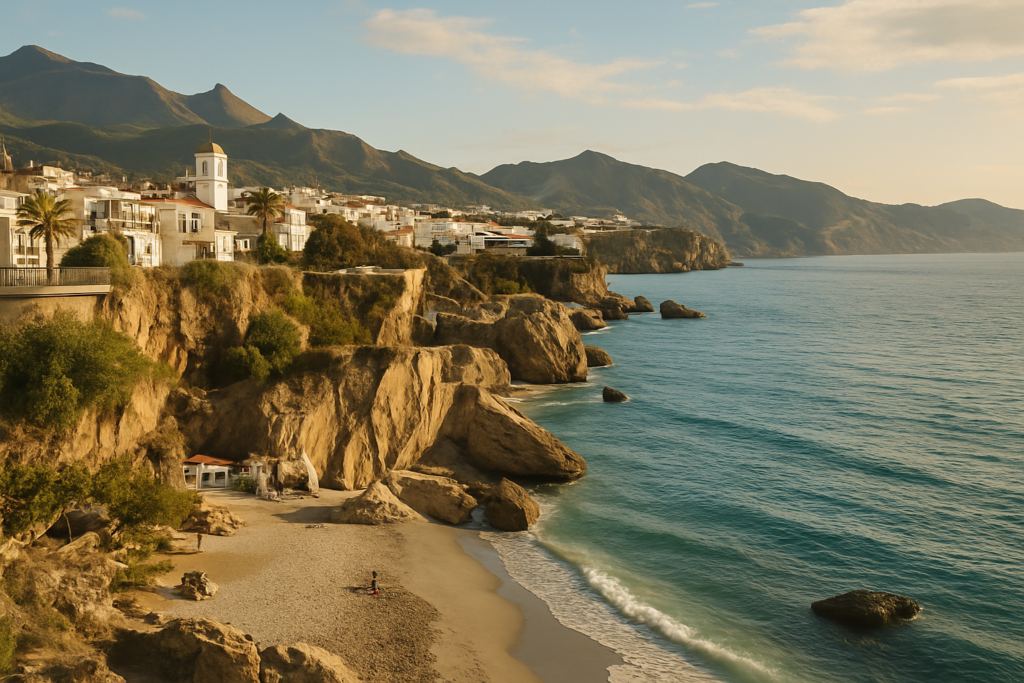
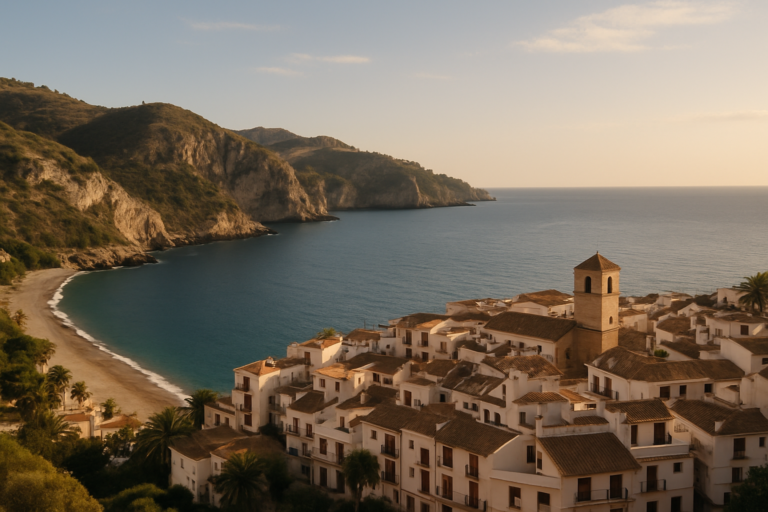
Expect a small seaside town where the main draw is the coast and a handful of spectacular sights rather than an endless city of attractions. Nerja’s strengths are its beaches, views from the Balcón de Europa, the showpiece caves and a village-like old centre — tourism drives the local economy, so services and seasonal crowds are best understood before you arrive.
Nerja at a glance
- Where: a seaside resort on the Costa del Sol in Andalusia, about 50 kilometres east of Málaga on Spain’s southern Mediterranean coast.
- Closest airport: Malaga–Costa del Sol Airport (AGP), roughly a 45‑minute drive via the A‑7.
- Transport link: regular buses run from Málaga with a stop at Avenida de Pescia in town.
- Main draw: beaches (about 13 kilometres of coastline), the Caves of Nerja and the Balcón de Europa viewpoint.
- Climate: Mediterranean — mild winters and hot, dry summers; plan for sun and crowds in summer months.
- Local character: a compact historical centre that feels like a village and a promenade with panoramic coastal views.
- Cultural note: the town was the primary setting for the 1980s TV series Verano azul, which shaped its modern image.
Before you plan
There are no verified closures in the claims we use for this guide. The Caves of Nerja, Balcón de Europa, main beaches (including Burriana) and other listed historic sites are presented as operating attractions. If you have a precise venue or service in mind, check local sources shortly before departure because tourism-related openings and timetables are seasonal and can change.
Things to do in Nerja
The town’s visitor agenda is compact and coastal: a show cave complex, cliffside viewpoints, a handful of beaches and scattered historic points that reward short walks. You’ll generally be working from the old town and the seafront; most highlights are within easy reach of each other. Below is a quick comparison of the main sights to help prioritise.
| Attraction | What it is | Price/entry | Best for |
|---|---|---|---|
| Caves of Nerja | A series of caverns and one of Spain’s major tourist attractions | – | Culture & geology enthusiasts, families |
| Balcón de Europa (the viewpoint) | Reconstructed promenade with spectacular coastal views in the old town centre | – | Photographers, walkers, sunset watchers |
| Burriana Beach | Renowned sand-and-sea beach awarded the Blue Flag | – | Swimmers and beach facilities users |
| Rio Chillar waterfall | A waterfall near the Sunday market | – | Hikers and nature lovers |
| El puente de Aguila | 19th‑century aqueduct built to bring water to nearby Maro | – | History and architecture buffs, short walkers |
| El Salvador Church | 17th‑century church in baroque‑mudejar style | – | Architecture and heritage visitors |
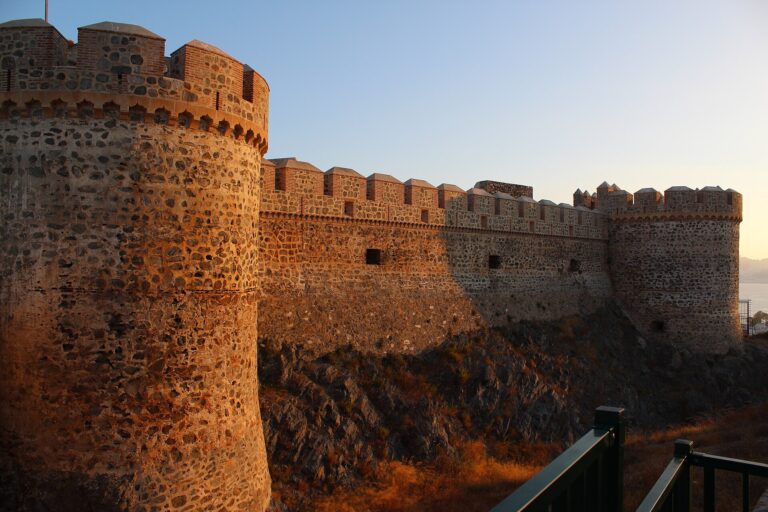
| Torre de Maro | 16th‑century coastal watchtower | – | History-minded walkers and coastal explorers |
The Caves of Nerja
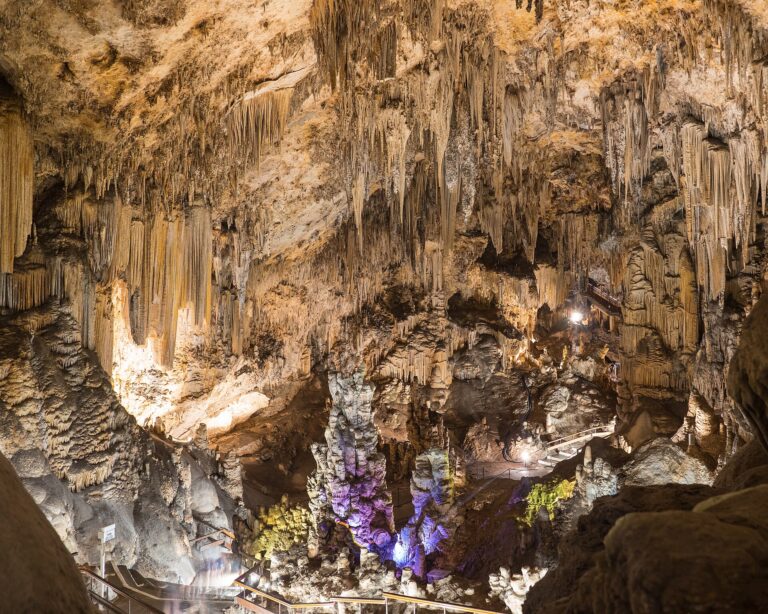
These caverns are the area’s headline attraction: a complex of underground galleries that rank among Spain’s most significant show caves. They also contain prehistoric paintings, evidence that the area has seen human activity since prehistory. The caves were discovered in 1959 and have been a major draw ever since; visiting provides both geological spectacle and a direct line to the town’s ancient past.
A stroll around the Balcón de Europa and the old town
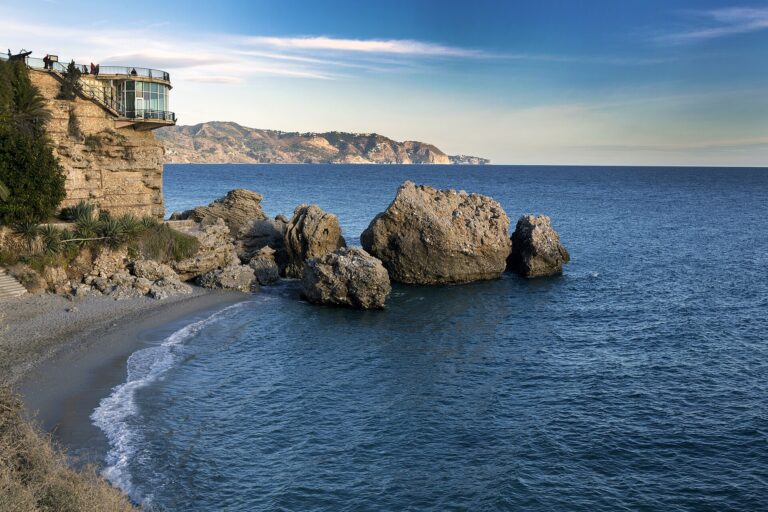
The Balcón de Europa is the viewpoint and social heart of the old town. It is a reconstructed promenade that offers wide coastal panoramas and is flanked by streets that give the central historical area a true village feeling. Two rusty guns remain at the end of the viewpoint as reminders of the town’s role in the Peninsular War; the area was once known as La Batería because a gun battery used to be positioned there.
Waterfalls, aqueducts and small historic finds
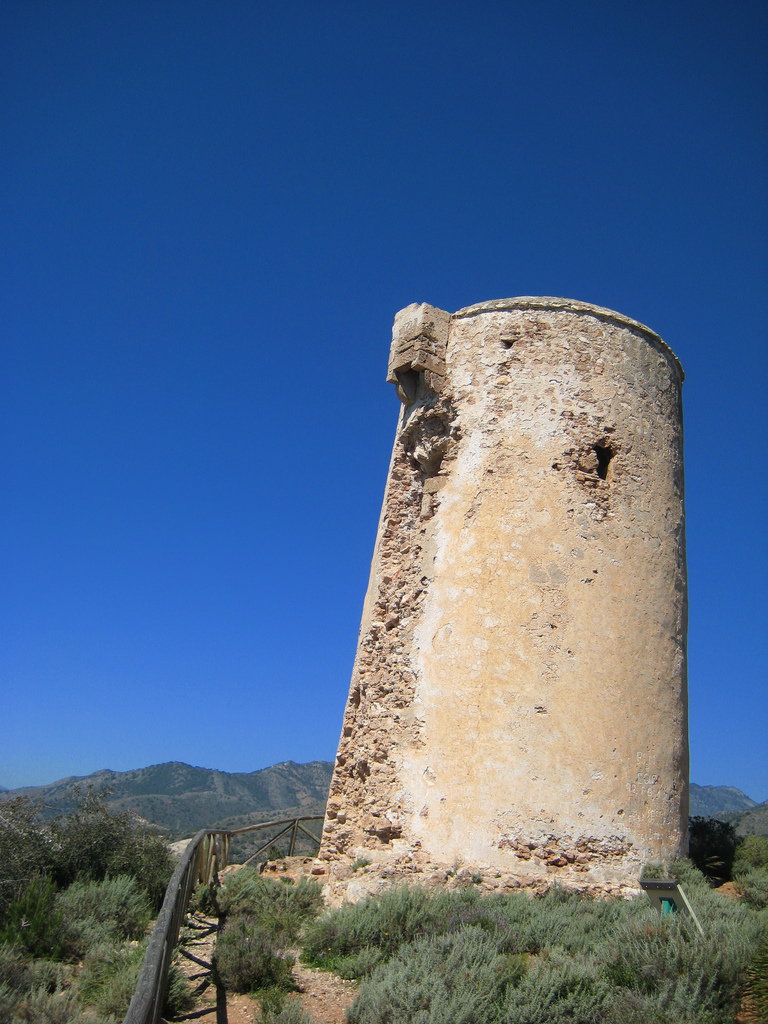
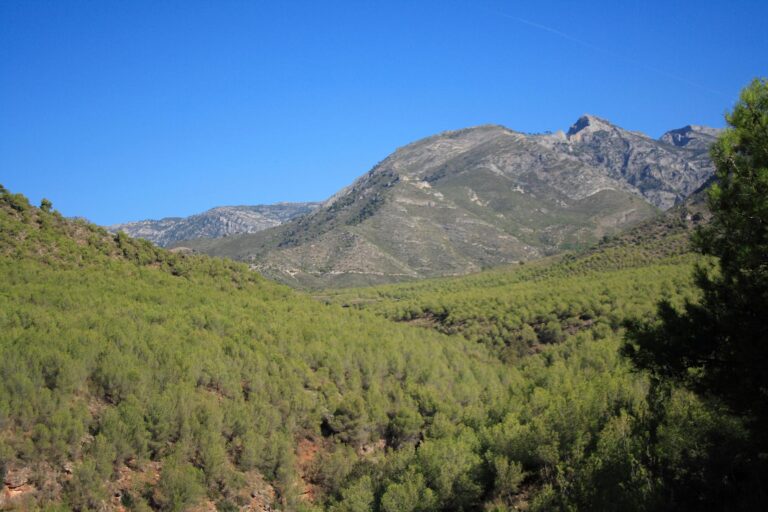
Beyond the caves and the promenade, the landscape around the town slips into foothills of the Sierra Almijara. The Rio Chillar waterfall is a notable natural stop and sits near the Sunday market — a worthwhile pairing if you time your visit right. For a touch of 19th‑century engineering, El puente de Aguila (the Eagle Bridge) is an aqueduct built to bring water to the nearby village of Maro. Scattered defensive remnants — including the Torre de Maro, a 16th‑century watchtower — speak to the coast’s historical need for lookouts.
Best beaches in Nerja
With roughly thirteen kilometres of coastline and several Blue Flag awards among them, the area’s beaches are the principal summertime reason to visit. Some are urban and well-serviced; others are quieter coves reached on foot.
| Beach | Character | Facilities / Blue Flag |
|---|---|---|
| Burriana Beach | Long, sandy and lively — one of the resort’s best-known beaches | Renowned and awarded the Blue Flag |
| Calahonda Beach | Small beach immediately east of the Balcón de Europa, convenient for the old town | – |
Nerja with kids
The resort is family-friendly in a classic seaside way: beaches with safe swimming areas, a compact old town that’s easy to navigate with children, and the caves which excite older kids interested in stalactites and prehistoric paintings. The Balcón de Europa is an easy spot for short walks and panoramic photos that don’t demand a long outing. Outdoor family activities cluster around beaches and short cliffside walks rather than more strenuous mountain routes.
How to get to Nerja and get around
The nearest airport is Malaga–Costa del Sol Airport (AGP), which is the standard arrival point for international travellers. From there the most direct driving route runs along the A‑7 and is commonly cited as taking around 45 minutes. Regular regional buses connect Málaga and the town; the bus stops at Avenida de Pescia when it arrives in the resort. Once in the town, the compact centre is walkable, and local buses or short taxi rides serve beaches and nearby villages like Maro.
| From | By | Approx time |
|---|---|---|
| Malaga–Costa del Sol Airport (AGP) | Car via A‑7 | Approximately 45 minutes |
| Málaga city | Regional bus | – |
Where to stay in Nerja
Accommodation clusters around a few practical choices, each matching a different visit style:
- The old town / Balcón area — best if you want immediate access to the seafront viewpoint, cafes and the village-like historic centre.
- Burriana and the main beaches — suit families and anyone prioritising beach time and facilities; this area feels more resort-like.
- Maro and the eastern coast — quieter, more local-feeling; useful if you want to combine beach access with walks to spots like El puente de Aguila and the Torre de Maro.
Best time to visit Nerja
The climate is Mediterranean: mild winters and hot, dry summers. That means the high season for beachgoers is the summer months, when you can expect warmth and busier public areas. Shoulder seasons give milder temperatures and fewer crowds, and winters remain relatively mild compared with northern Europe.
| Season | Months | What to expect |
|---|---|---|
| Summer | June–August | Hot and dry; beaches busy; peak tourist services operating |
| Shoulder seasons | April–May, September–October | Milder weather, fewer crowds, easier access to trails and sights |
| Winter | November–March | Mild winters; quieter town life and off-season pace |
History of Nerja
The area has been occupied since prehistoric times, with primitive paintings unearthed in the cave system demonstrating early human presence. The famous caverns were discovered in 1959 and have shaped much of the town’s tourist profile. The coastline was historically guarded — the Torre de Maro and other watchtowers attest to a defensive maritime past. The town’s defences suffered in the Peninsular War and were destroyed in 1812, and later centuries added civil infrastructure such as the 19th‑century El puente de Aguila aqueduct. In the 20th century the town’s modern image was further shaped when it became the main setting for the television series Verano azul in the 1980s.
Practical info
- Parking: the resort has parking options typical of small coastal towns, but spaces are in higher demand during the summer months; consider walking from central accommodation where possible.
- Costs: tourism is the primary industry here, so services and hospitality are geared to visitors; expect typical Costa del Sol pricing patterns with peak-season surcharges.
- Accessibility: the central historical area is compact but includes stepped streets and promenades; mobility access varies by site — the Balcón de Europa is level, while some beaches and historic points may require steps or slopes.
- Connectivity: local radio services include Radio Nerja; local cultural and sporting life includes venues such as the Enrique López Cuenca Sports Stadium, home to Club Nerja Rugby.
- Local services: the town supports a mix of tourist-facing businesses, reflecting tourism as the main industry.
Worth it for: beach and sea lovers, visitors who want a compact old town with panoramic views, and travellers drawn to the caves and nearby natural highlights. Less so if: you expect a nonstop nightlife metropolis or a long list of big museums — the area’s appeal is coastal scenery, relaxed town life and a few standout sights rather than an extensive urban cultural scene.
How we assess this guide
This guide is compiled from verified, cross‑checked claims about the resort and its main sights. We highlight closures or major changes when sourced information indicates them and rely on multiple factual claims to avoid speculation. We flag where specifics such as opening hours or ticket prices can change and recommend checking operators directly for last-minute details. This is an editorial synthesis of verified facts rather than original first‑hand reporting.
Nearby on the Costa del Sol
Towns near Nerja
- Frigiliana — 5 km north, a whitewashed pueblo blanco above Nerja, Moorish lanes
- Torrox — 7 km west
- Vélez-Málaga — 20 km west
- Salobreña — 26 km east, a white hilltop town under a Moorish castle
- Motril — 32 km east, Costa Tropical beaches, 1,000 years of sugar-cane history
- Rincón de la Victoria — 36 km west
Places to visit within reach
- Balcón de Europa — 0 km, Nerja’s famous viewpoint was a cannon battery
- Caves of Nerja — 3 km, Five boys chasing bats found the Caves of Nerja
- Torre de Maro — 4 km, Five 16th-century watchtowers stand along twelve kilometres of cliff
- Maro — 7 km, Maro-Cerro Gordo’s cliffs span two provinces as one continuous protected landscape
For the wider picture, see the Costa del Sol guide, which lists every town on this coast.
Frequently asked questions
How do I get from Malaga airport to Nerja?
The closest airport is Malaga–Costa del Sol Airport (AGP). The usual driving route follows the A‑7 and is commonly cited as taking about 45 minutes. Regional buses also connect Málaga and the resort; check timetables for current schedules.
Is Nerja expensive to visit?
The town’s economy is driven by tourism, so many services and accommodation providers cater to visitors. Prices follow typical Costa del Sol patterns with higher costs during peak summer months and more moderate rates in shoulder and winter seasons.
Which is the best beach in Nerja?
Burriana Beach is one of the most notable and has been awarded a Blue Flag, making it a reliable choice for facilities and water quality. Calahonda is convenient if you want to stay close to the Balcón de Europa.
How many days should I plan?
A compact visit of two to three days covers the caves, the Balcón de Europa and a beach or two. Longer stays let you relax on more of the 13 kilometres of coastline or explore nearby villages and natural spots.
Is Nerja good for families?
Yes. The beaches, the Caves of Nerja and the walkable old town are family-friendly draws. The caves in particular are engaging for older children who enjoy geology and prehistoric sites.
Can I get around without a car?
Yes. The town centre and many beaches are accessible on foot, and there are regional bus links from Málaga and other nearby towns. Taxis and local buses provide short connections to beaches and neighbourhoods outside the central area.
Is parking difficult in high season?
Parking demand increases in summer when beaches and the central promenade are busiest. If you can base yourself in the old town or close to the Balcón, you’ll reduce reliance on a car during your stay.
What can I do on a rainy day?
The Caves of Nerja are an indoor natural attraction and a solid option if the coast is wet. Otherwise, explore the old town’s covered cafes and shops, or look for cultural events — check local listings for temporary exhibitions or performances.
When is the best time to visit for good weather and fewer crowds?
Shoulder seasons (spring and autumn) generally offer milder temperatures with fewer crowds compared with the hot, busy summer months. Winters are mild by northern European standards but quieter for tourism.
Are the Nerja caves worth visiting?
Yes — they are one of Spain’s major tourist attractions, notable for their scale, geological formations and prehistoric paintings. They’re central to understanding the area’s deep history.
Where are the waterfall and the Sunday market?
The Rio Chillar waterfall is a natural highlight located near the Sunday market, making it practical to pair both if your visit coincides with market day. Exact market locations and schedules can change, so verify locally before planning.
What historical sites should I look for?
Look out for the 17th‑century El Salvador Church in baroque‑mudejar style, the Torre de Maro (a 16th‑century watchtower), and the 19th‑century El puente de Aguila aqueduct that served nearby Maro. Remnants from the Peninsular War, including two rusty guns at the Balcón, are also visible.
How far is the town from Málaga city?
The resort is approximately 50 kilometres east of Málaga on the southern Mediterranean coast.
Is there local radio or community media?
Yes — the town has a commercial Spanish‑language pop radio station called Radio Nerja, which serves local listeners.
Was Nerja in any notable films or TV shows?
It was the main setting for the 1980s television series Verano azul, which contributed significantly to the town’s modern tourist reputation.
Nerja on the map
Places worth knowing near Nerja
How this page is maintained. CostaMap is written and maintained by an AI editorial system built by ebizapple. Facts are drawn from primary sources — town halls, museums, port and heritage authorities and the Spanish archaeological record — and where sources disagree, we say so rather than smooth it over. Photographs marked as ours are taken on location. This page was last reviewed on 11 August 2026. Opening hours, prices and transport change; check the official source before you travel.