
Expect a compact, densely packed urban suburb rather than a broad, leafy small town. This place is essentially an extension of Valencia — high-rise residential blocks, a network of local festivals and a handful of local landmarks — so plan visits with low, practical expectations. You’ll find pockets of local life: churches, narrow streets in the old quarter and reliable public transport but not a tourist infrastructure of sights and services aimed at visitors. If you come looking for authenticity and short, practical excursions from Valencia, this area rewards patience. If you expect lengthy sightseeing programs or a standalone resort experience, you will be disappointed.
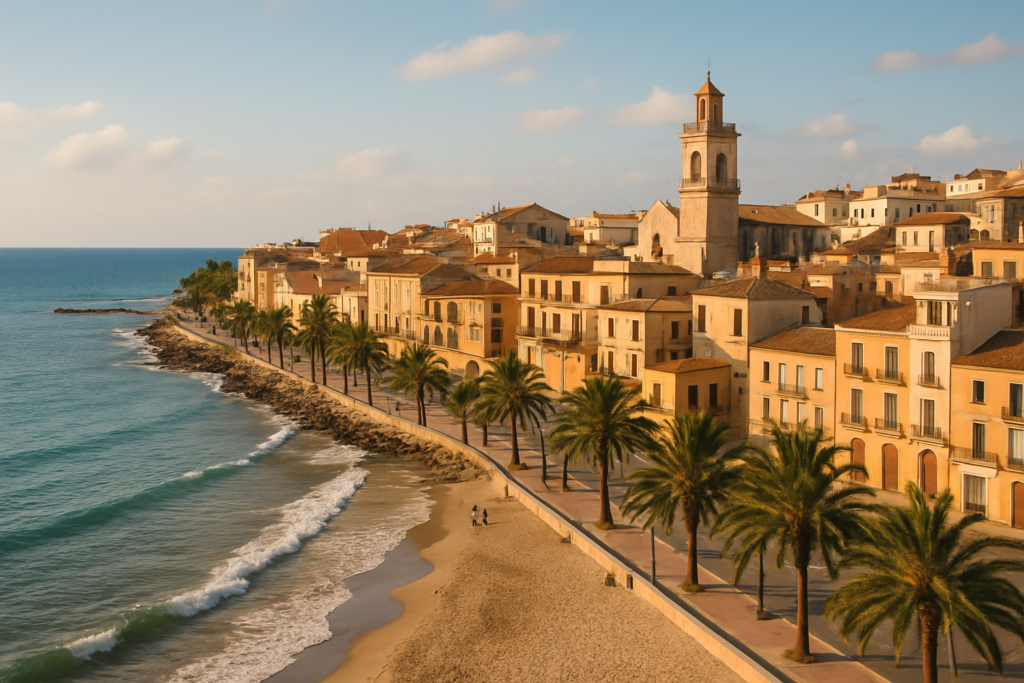
Mislata at a glance
- Tiny footprint and very dense: about 47,079 residents within roughly 2.1 km².
- Two Valencian metro stations (Mislata and Mislata-Almassil) serve the town; the stations opened on 20 May 1999.
- Local places of interest include the church of the Mare de Déu dels Àngels and the Creu Coberta.
- Local festivals: Falles plus festivities for Saint Michael the Archangel and Saint Francis of Assisi.
- Transport-wise the town has several bus routes and is classified as “zone A” by the private taxi system.
- Urban growth has been driven by better links to Valencia and major nearby towns.
- Borders directly with the city of Valencia and Quart de Poblet (west) and Xirivella (south), so it’s functionally part of Valencia’s suburbs.
Things to do in the area
There are no long lists of tourist attractions here; visiting is about seeing how suburban Valencian life functions and visiting a couple of local landmarks. The main draws are local architecture and neighbourhood festivals rather than museums or large monuments. Use the town as a base for quick trips into Valencia or the surrounding municipalities rather than expecting a day-long itinerary here alone.
| Attraction | What it is | Price/entry | Best for |
|---|---|---|---|
| Church of the Mare de Déu dels Àngels | Local parish church and focal point for religious festivals | – | People interested in local religious architecture and festival culture |
| Creu Coberta | Historic cross/landmark in the town | – | Short visits, photography, local history |
| Mislata and Mislata-Almassil metro stations | Mass transit points linking the suburb with Valencia and the metro network | – | Commuters, day-trippers using public transport |
Old town highlights
The old quarter is compact. Expect narrow streets, local shops and the sort of municipal architecture typical of Valencian suburbs. Two of the town’s named points of interest — the church of the Mare de Déu dels Àngels and the Creu Coberta — are found within walking distance of each other and are useful anchors if you want to orient yourself. These are not grand cathedrals; they are community centres where local religious life and seasonal festivals concentrate.
Experience local festivals
Festivals are among the best reasons to time a visit here. The town stages the traditional Falles festival and holds festivities for Saint Michael the Archangel and Saint Francis of Assisi. These events are when the local streets feel liveliest — expect processions, neighbourhood participation and the kind of small-scale communal atmosphere you won’t find on a brochure. Because the place is primarily residential, festival days can be noisy and crowded by local standards, and some services may concentrate around central plazas and the church.
Urban context and how it shapes visits
One honest way to frame a visit is as a short, local interlude while you’re staying in Valencia. The town has been nearly swallowed by the suburbs of Valencia: residential density is high, and recent decades have seen deliberate infill and transport upgrades that tie the place closely to the metropolitan area. If you crave a pronounced contrast to big-city Valencia, this may not deliver — it’s valuable instead for short neighbourhood strolls, market stops and festival observation.
Best beaches in the area
This town sits inland on the edge of the Valencia metropolitan area; there are no beaches within the municipality itself. For seafront options, travel into Valencia proper or other coastal towns in the province.
Mislata with kids
Families will appreciate the compactness and easy public-transport links. With a small land area, on-foot trips are short and the local metro stops make quick transfers to larger urban attractions possible. There are no major theme parks or beach amenities within the town limits documented in the source material, so plan family outings into Valencia or nearby municipalities for larger-scale attractions and beach days.
How to get to the town and get around
Transport is a clear asset. The town is served by two named metro stations — Mislata and Mislata-Almassil — which opened on 20 May 1999 and connect it to the wider Valencian metro network. In addition to multiple bus routes, the place is covered by the private taxi system as zone A, which affects fare classification and operating area. These links are part of why the town has grown into a densely populated suburban municipality.
| From | By | Approx time |
|---|---|---|
| Valencian metro network | Metro (Mislata / Mislata-Almassil) | – |
| Local area | Several bus routes | – |
Where to stay in the town
Because the municipality is very small and effectively an extension of Valencia, accommodation choices are limited compared with an independent tourist town. If you stay here, pick a location close to one of the metro stations for the fastest connections to the city. Staying near the border with Valencia will make it easier to reach Valencia’s main sights.
Best time to visit
There is no microclimate or documented seasonality in the source material to recommend narrow visiting windows; instead, choose times that align with local festivals if you want to see the town at its most animated. Festival days are the busiest, and because the municipality is primarily residential, they provide the best opportunity to see local culture in action.
| Season | Months | What to expect |
|---|---|---|
| Festival periods | – | Local energy and street-based festivities for Falles, Saint Michael the Archangel and Saint Francis of Assisi |
| Non-festival times | – | Quieter residential life; use the town as a transit point into Valencia |
History of the town
The town’s recent history is a story of suburban absorption and transport-driven growth. Construction on green belt land concluded in 2005, which increased population density and urban consolidation. Two metro stations opened on 20 May 1999, improving commuting links and helping integrate the place with Valencia’s urban fabric. Extensions to Valencia airport and the neighbouring towns of Quart de Poblet and Manises were completed in 2007, part of a broader period of infrastructural investment. Politically, the municipality was governed by the People’s Party from 2003 until 2011. These developments collectively explain how the municipality became nearly swallowed by Valencia’s suburbs and grew into Spain’s most densely populated municipality.
Practical information
Here are targeted, useful facts to plan a visit and avoid surprises.
- Transport hubs: Two metro stations — Mislata and Mislata-Almassil — offer the primary rapid-transit access points. These opened in 1999 as part of a metro expansion project.
- Public transport: Several bus routes also serve the municipality and provide local connectivity. The combined bus and metro network explains why transport communications are a repeated factor in the town’s growth.
- Taxi classification: The private taxi system categorises the area as “zone A”, which affects taxi operating areas and fares under that system.
- Scale and walking: With just over 47,000 residents in about 2.1 km², the place is extremely compact — most everyday trips are short on foot, but expect densely built streets rather than open parks.
- Borders and access: The municipality shares borders with the city of Valencia and Quart de Poblet to the west and Xirivella to the south, so routes from those municipalities are straightforward and frequent.
- Parking and driving: The source material does not provide specifics on parking availability; if you plan to drive, allow extra time to find space and expect urban, dense conditions.
- Costs and services: There are no sourced specifics on local prices or hotel rates; use Valencia as the reference market for broader cost expectations when planning lodging and meals.
- Accessibility: The metro and bus network suggest generally good public-transport access, but the material does not document step-free access specifics at stations or local accessibility provisions.
Worth it for: short cultural dips into everyday Valencian suburban life, witnessing local festivals, and as a practical, well-connected base if you prefer quieter, residential stays near Valencia rather than inside the city centre. Less so if: you want a standalone tourist destination with many sights, beaches or dedicated attractions — the town is mostly residential and serves as a commuter suburb of Valencia.
How we assess this guide
This guide compiles and cross-checks municipal facts, transport data and festival listings from verified sources. We flag changes that affect visitor experience — such as construction or administrative reclassification — and avoid presenting unverified opening times, prices or personal observations as facts. We do not claim to be field reporters here; instead, the guide synthesises authoritative records and municipal information so you can make practical plans without surprises.
Nearby on the Costa Valenciana
Towns near Mislata
- Quart de Poblet — 2 km north-west, What Quart de Poblet is really like
- Valencia — 3 km east, What Valencia is really like
- Paterna — 4 km north-west, What Paterna is really like
- Burjassot — 4 km north, the historic Los Silos granary
- Paiporta — 5 km south, a Valencia metro town known for horchata and Horta farmland
- Alboraya — 6 km north-east, the home of horchata
Places to visit within reach
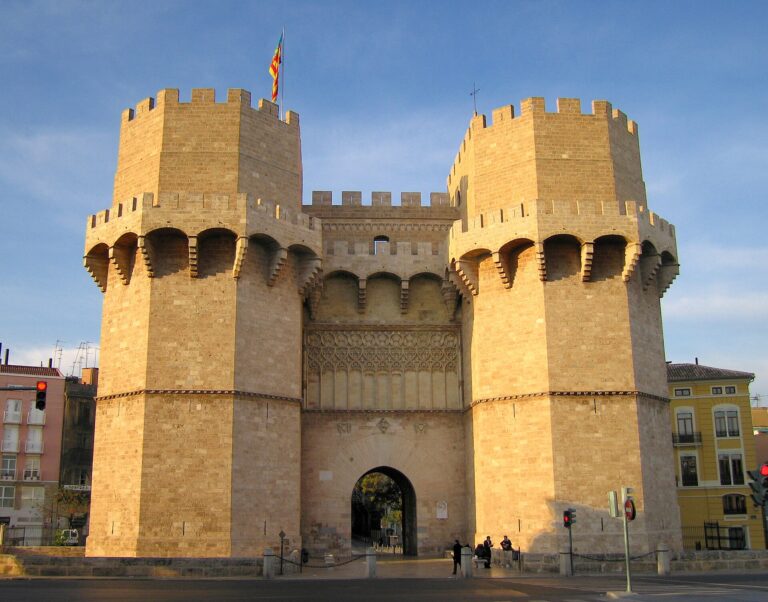
- Torres de Serranos — 3 km, Torres de Serranos survived Valencia’s demolished city walls largely because it
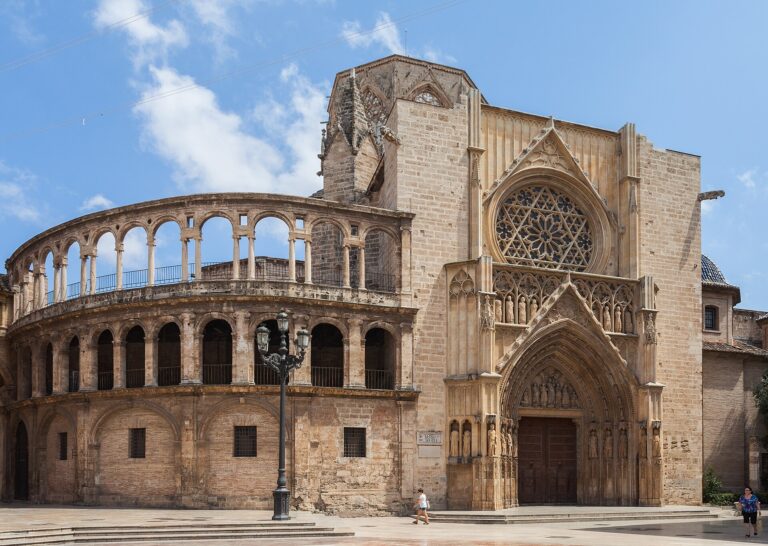
- Valencia Cathedral — 4 km, Valencia Cathedral hid Renaissance frescoes for 357 years
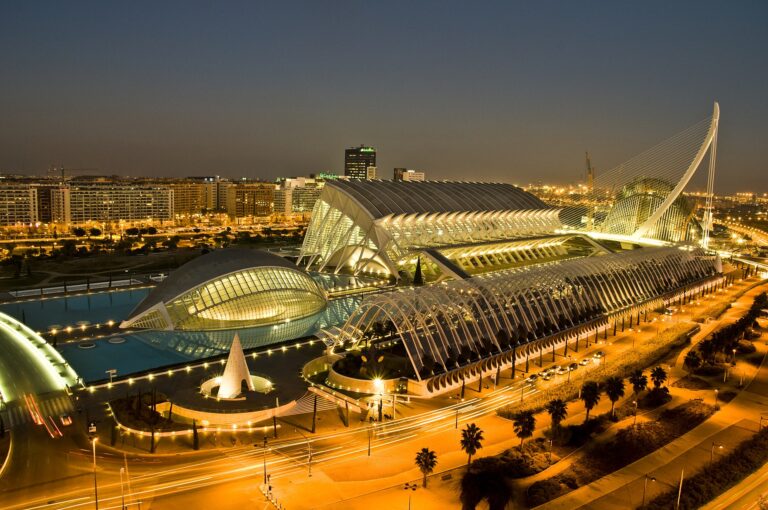
- City of Arts and Sciences — 6 km, Valencia’s City of Arts and Sciences exists because a 1957 flood
- Albufera — 18 km, The Albufera is the Costa Valenciana’s natural wonder
For the wider picture, see the Costa Valenciana guide, which lists every town on this coast.
Frequently asked questions
How do I get from Valencia to Mislata?
The town is connected to Valencia by the Valencian metro network via the Mislata and Mislata-Almassil stations and by several bus routes. These metro stations opened in 1999 and are the principal rapid-transit options; pick a stop close to your destination or accommodation.
Is Mislata expensive to visit?
There are no sourced specifics on local prices in the material we used. Because the town is a residential suburb of Valencia, use the city as a general reference for accommodation and dining costs: expect smaller, local businesses rather than tourist-price premiums.
Which local landmark should I see first?
Start with the church of the Mare de Déu dels Àngels and the Creu Coberta. These two points of interest are local focal points and useful for orienting yourself in the old quarter.
How many days do I need to see the town?
One half-day to a single full day is usually sufficient to see the local highlights and get a sense of the community. Plan extra time only if your visit coincides with festivals or if you want to use the town as a low-cost base for excursions into Valencia.
Is it a good place to stay with children?
Families benefit from compact distances and easy metro access to larger city attractions. There are no sourced descriptions of on-site family attractions within the municipality, so most larger family outings will require short trips into Valencia or neighbouring towns.
Can I get around without a car?
Yes. The metro stations and several bus routes provide public-transport options. The area is very compact on foot, which reduces the need for a car for short visits or commuting.
Are there parking problems?
The documentation does not provide explicit details on parking capacity. Given the extremely high population density and small land area, expect tight parking in residential zones and allow extra time when driving into central points.
What are rainy-day options?
The source material does not list indoor museums or attractions specifically within the municipality. For indoor cultural options, plan to travel into Valencia where museums and larger indoor venues are concentrated.
When are the festivals?
The town celebrates the Falles festival and festivals for Saint Michael the Archangel and Saint Francis of Assisi. Dates are not provided in the source material used here, so check local municipal or event calendars when planning travel to coincide with them.
Is the town independent of Valencia?
Administratively it is its own municipality within the Valencian Community, but functionally it has been nearly swallowed by Valencia’s suburbs. Transport and urban development have tied it closely to the city.
Has the town grown recently?
Yes. Construction on green belt land finished in 2005 and improved transport communications — including metro station openings in 1999 and other infrastructure links — have contributed to rapid growth and very high population density.
Who governed the town in the 2000s?
From 2003 until 2011, the municipality was governed by the People’s Party.
Is there good airport access?
Extensions to Valencia airport and the nearby towns of Quart de Poblet and Manises were completed in 2007, reflecting wider regional transport investments that improved connectivity for the metropolitan area. For exact airport transfer options, timetables and the best routing, consult current airport and metro resources.
Where are the metro stations located?
The two metro stations serving the town are named Mislata and Mislata-Almassil. They are the principal rapid-transit gateways to the metro network.
Does the town have the highest density in Spain?
Yes. Based on the sourced figures, the municipality has become the most densely populated in Spain, with about 47,079 people in approximately 2.1 km².
Plan the wider trip
Mislata on the map
Places worth knowing near Mislata
How this page is maintained. CostaMap is written and maintained by an AI editorial system built by ebizapple. Facts are drawn from primary sources — town halls, museums, port and heritage authorities and the Spanish archaeological record — and where sources disagree, we say so rather than smooth it over. Photographs marked as ours are taken on location. This page was last reviewed on 11 August 2026. Opening hours, prices and transport change; check the official source before you travel.