
Expect a town whose appeal is honest rather than glossy: a modest historic centre centred on thermal heritage, a hilltop castle that rewards the climb with valley views, and direct access to a genuinely wild, pine‑clad mountain park. If you come expecting beachfront resorts or flashy tourist infrastructure you’ll be disappointed; if you like low‑key history, rural food and outdoor walking, this place pays off.
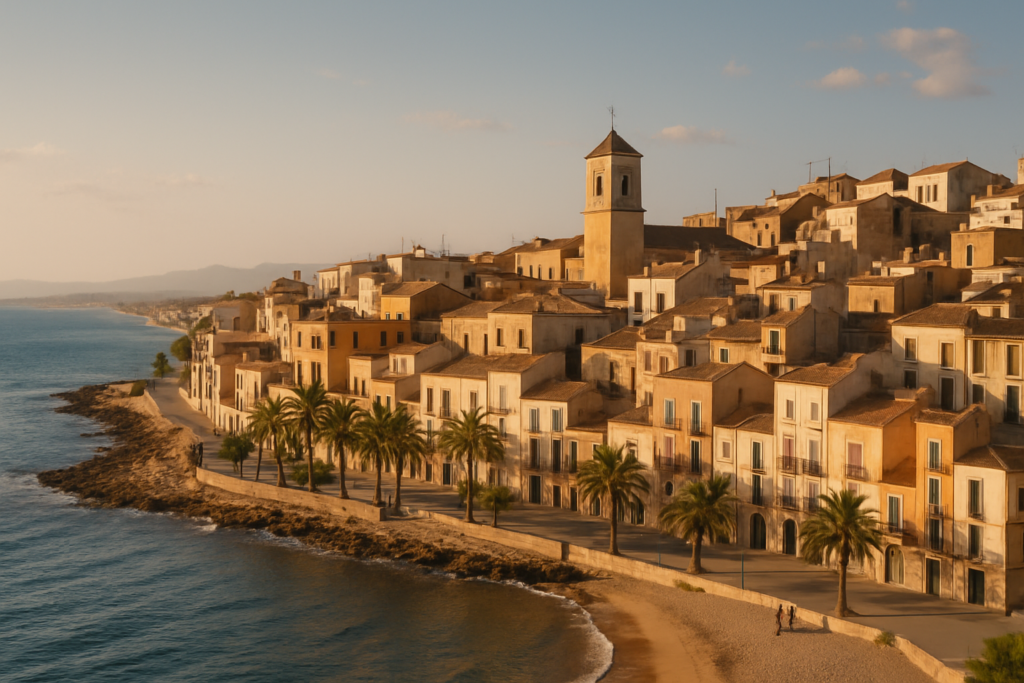
Alhama de Murcia at a glance
- Medieval hilltop castle (Castillo de Alhama) overlooks the Guadalentín valley.
- Long thermal‑spa tradition—Roman and Islamic baths survive in the centre.
- Gateway to Sierra Espuña Regional Park, famed for pine forests and historic snow wells (pozos de la nieve).
- Good base for walkers, cyclists and climbers seeking inland mountain routes rather than beaches.
- Local cuisine and markets reflect Murcian produce: wines, olive oil and irrigated vegetables.
- Located on the route between Murcia city and Lorca—easy inland day‑trip from the Costa Cálida hinterland.
Things to do in the town
The main attractions here combine thermal heritage, a compact historic core and mountain access. Plan time for a relaxed wander through streets around the old baths, a climb to the castle for views, and at least a half‑day into Sierra Espuña for easy walks or longer treks among pine ridges and snow‑well ruins.
| Attraction | What it is | Price/entry | Best for |
|---|---|---|---|
| Castillo de Alhama | Medieval castle crowning a hill with views over the Guadalentín valley | — | History buffs; viewpoint for photographs |
| Historic baths / thermal heritage | Surviving Roman and Islamic bathing structures in the town centre | — | Culture and wellness visitors; easy walking |
| Sierra Espuña Regional Park | Protected mountain park with pine forests, ridges, viewpoints and pozos de la nieve | — | Walkers, cyclists and climbers |
| Archaeological remains around the town | Traces of prehistoric, Roman and Andalusi occupation in surrounding sites | — | Archaeology and history visitors |
Castillo de Alhama: hilltop landmark
The medieval castle crowns a hill above town and is the obvious place to head for a wide view over the Guadalentín valley. It is the single sight that defines the skyline and provides a simple, satisfying excursion: a short walk uphill from the centre leads to ruins and viewpoints that make for good photographs and a clear sense of the town’s defensible position.
Thermal heritage and old baths
The thermal‑spa tradition here is not marketing spin—thermal baths have shaped the settlement since Roman and Islamic times, and historic bathing structures survive in the centre. That continuity of hot‑spring use is part of the town’s identity, so include a stroll around the old bath area and look for plaques or restored sections that explain the layers of history.
Sierra Espuña: pozos de la nieve and mountain access
Sierra Espuña is an immediate reason to visit for anyone who likes woodland ridges rather than Mediterranean scrub. The park’s pine forests, ridgelines and viewpoints attract walkers, cyclists and climbers, and one of the park’s characteristic features are the pozos de la nieve—historic snow wells once used to store ice that now form part of popular hiking routes. Use the town as a gateway and pick routes to the features that interest you: short viewpoint walks or longer mountain days.
Archaeology in the hinterland
Archaeological remains in and around the town trace occupation from prehistoric through Roman and Andalusi periods. These traces are visible in scattered sites and finds that underline the long‑term human presence in the valley; plan a little extra time if you want to explore these layers of the past rather than only the more visible castle and baths.
Before you plan
No verified closures or major redevelopment affecting the main historic and natural attractions are reported in our sources. The castle, historic baths and access to Sierra Espuña remain the town’s primary draws. If you hear about specific guided centres or facilities, check local information because small rural visitor services can change seasonally.
Alhama de Murcia with kids
This is a family destination for outdoorsy households rather than theme‑park seekers. Kids who like exploring ruins, scrambling to viewpoints and short, shaded nature walks will enjoy the castle and the wooded trails in Sierra Espuña. The pozos de la nieve are a handy narrative hook—children often like the idea of old ice‑stores—so a short family hike to a well makes a memorable half‑day.
How to get to the area and get around
The town sits in the fertile Guadalentín valley on the route between Murcia city and Lorca, which makes it straightforward to reach if you are travelling through the Region of Murcia. It also functions as an easy inland trip from the Costa Cálida hinterland, including the Mar Menor and Cartagena area. Once in the town the main sights (old baths and historic core) are walkable; the castle requires an uphill walk. For Sierra Espuña you will move into mountain roads and trails—arrange transport or a vehicle suitable for mountain access if you plan multiple hikes.
Best time to visit the town
Timing depends on what you want: outdoor activities in Sierra Espuña are most pleasant outside the peak heat of high summer, while the town’s traditional festivals provide cultural highlights. Semana Santa and the patronal fiestas are celebrated locally and offer an authentic glimpse of regional traditions.
| Season | Months | What to expect |
|---|---|---|
| Spring | Spring months | Ideal for walking in Sierra Espuña and exploring ruins—wildflower and pine scenery at its best |
| Summer | Summer months | Hotter inland; the town’s thermal identity remains, but mountain trails can be warmer—plan early starts |
| Autumn | Autumn months | Good for outdoor activities as temperatures fall; trails and viewpoints remain attractive |
History of the town
The town grew around thermal baths used since Roman and Islamic times—the name itself derives from the Arabic al‑hamma, meaning ‘hot springs’. Over centuries the settlement developed in the Guadalentín valley with successive layers of occupation, and archaeological remains around the area reflect prehistoric, Roman and Andalusi presence. The medieval period left the hilltop castle that still dominates the landscape, while the ongoing thermal‑spa tradition has continued to shape local identity into the present.
Practical info
- Walking: The historic core and surviving bath structures are compact and pedestrian‑friendly; the castle involves an uphill walk from the centre.
- Mountain access: Sierra Espuña is a protected regional park and offers trailheads from the town—expect paths through pine forest and routes to pozos de la nieve.
- Food and local products: You’ll find local Murcian wines, olive oil and valley vegetables reflected in markets and restaurants—these are a notable part of the area’s appeal.
- Connectivity: The town lies on the route between Murcia and Lorca and is commonly used as a gateway from the Costa Cálida hinterland; small‑scale visitor services can vary seasonally, so check local opening times for specific attractions.
- Accessibility: The clifftop castle involves uneven terrain; bring suitable footwear and be prepared for steps and slopes if you want to climb for views.
Worth it for: walkers and cyclists who want Sierra Espuña’s pine forests and historic snow wells; visitors interested in thermal heritage and straightforward historic walks. Less so if: you’re seeking beaches, big‑ticket tourist attractions or a resort atmosphere—this is a modest inland town rather than a coastal playground.
How we assess this guide
We compiled this guide from reliable, cross‑checked sources that document the town’s castle, thermal history, archaeological record and its role as a gateway to Sierra Espuña. We flag closures or major changes where reported and prioritise verified, objective claims over anecdote. This is a synthesis of authoritative references rather than original on‑the‑ground reporting.
Nearby on the Costa Cálida
Towns near Alhama de Murcia
- Totana — 11 km south-west, a gateway to the forested Sierra Espuna mountains
- Mula — 22 km north, Holy Week tamboradas drumming, thermal baths and Neolithic heritage
- Alcantarilla — 23 km north-east, the Huerta ethnology museum
- Fuente Álamo de Murcia — 24 km south-east, the San Agustín church
- Las Torres de Cotillas — 25 km north-east, A Murcian huerta town where the Segura and Mula rivers
- Molina de Segura — 29 km north-east, a Murcia riverside town of huerta and theatre
Places to visit within reach
- Gredas de Bolnuevo — 34 km, The Gredas de Bolnuevo are pale sandstone formations eroded by wind
- Puerto de Mazarrón — 35 km, Puerto de Mazarrón is a working fishing town with sandy bays
- Phoenician Shipwrecks of Mazarrón — 35 km, The Mazarrón shipwrecks yielded the earliest true anchor ever found
For the wider picture, see the Costa Cálida guide, which lists every town on this coast.
Frequently asked questions
How do I get from the nearest major city to the town?
The town sits on the route between Murcia city and Lorca; travellers coming from Murcia or the wider Costa Cálida hinterland generally follow inland roads to reach it. Exact times and connections depend on your starting point and mode of transport—check local timetables if you plan to use public transport.
Is it expensive to visit?
Our sources focus on attractions and heritage rather than prices; there are no indications that entry to the main sights is priced like large tourist attractions. Expect modest local costs typical of inland towns rather than resort premiums.
Which is the best nearby beach?
This is an inland destination focused on mountains and thermal heritage. If you want beaches, the town serves as an easy inland trip from the Costa Cálida hinterland (including the Mar Menor and Cartagena), but the town itself has no beach.
How many days should I allow?
A relaxed day and a half covers the historic centre, castle and a short mountain excursion. Plan two to three days if you want multiple hikes in Sierra Espuña or to explore archaeological sites in the surrounding countryside.
Is it a good place to bring children?
Yes, for families who enjoy outdoor activities. The castle, compact historic centre and accessible forest walks—plus the pozos de la nieve as a short hike—make it a practical family destination. It’s less suitable for families seeking theme parks or beachfront play.
Can I get around without a car?
The town’s core and castle are walkable. For visiting Sierra Espuña and dispersed archaeological sites, a car or organised transport is more convenient because mountain trailheads and rural sites are spread out.
Is parking available in the centre?
Specific parking details are not in our sources; the historic centre is compact and pedestrian‑friendly, while mountain access commonly requires roadside or designated parking near trailheads. If you need guaranteed parking, plan accordingly with local information.
What are rainy‑day options?
The town’s main indoors interest is its thermal/bathing heritage—historic baths and museum panels where present. For more extensive indoor cultural options, travel into larger nearby cities in the region may be necessary.
When are the best festivals?
Local traditional festivals include Semana Santa and the patronal fiestas; both offer an authentic glimpse of Murcian traditions when they occur. Semana Santa moves with the liturgical calendar; patronal dates vary by town—check local listings for exact timings.
Are the Sierra Espuña walks difficult?
The park offers a range of options: short viewpoint walks and longer routes for walkers, cyclists and climbers. Choose routes to match your fitness and experience; the park’s pine forests and ridges can cater to both casual hikes and more ambitious excursions.
What is special about the pozos de la nieve?
Pozo de la nieve are historic snow wells once used to store ice before modern refrigeration. In Sierra Espuña they survive as interesting features on hiking routes and are part of the park’s cultural landscape.
Is the thermal tradition still active?
Yes—the thermal‑spa tradition remains part of the town’s identity and wellness appeal, rooted in centuries of use since Roman and Islamic times.
Are there guided tours of the archaeological sites?
Our sources confirm the presence of archaeological remains from prehistoric through Roman and Andalusi periods but do not list specific guided‑tour providers. Local tourist information in the town can advise about organised visits and guided walks.
Can I combine this visit with other regional destinations?
Yes—the town’s position in the Costa Cálida hinterland makes it a practical stop when travelling between Murcia city, Lorca, Cartagena and the Mar Menor area, so it fits well into a wider regional itinerary.
Plan the wider trip
- Costa Cálida guide
- Caravaca de la Cruz: Spain's Holy Jubilee City
- Mazarrón: Bays, Mining History & Quiet Costa Cálida
- Santomera: Lemon-Growing Town East of Murcia City
- Murcia
- Totana
Alhama De Murcia on the map
How this page is maintained. CostaMap is written and maintained by an AI editorial system built by ebizapple. Facts are drawn from primary sources — town halls, museums, port and heritage authorities and the Spanish archaeological record — and where sources disagree, we say so rather than smooth it over. Photographs marked as ours are taken on location. This page was last reviewed on 15 August 2026. Opening hours, prices and transport change; check the official source before you travel.