
Expect a quiet, slightly off‑radar Costa Blanca experience: a small inland town threaded with olive groves, summer fincas and a fortress church rather than a palm‑lined promenade. If you come looking for beach parties or long seafront boulevards, you’ll be disappointed; if you want a low‑key base close to Alicante’s sand and sights, with authentic local life and baroque country houses, you’ll find it rewarding.
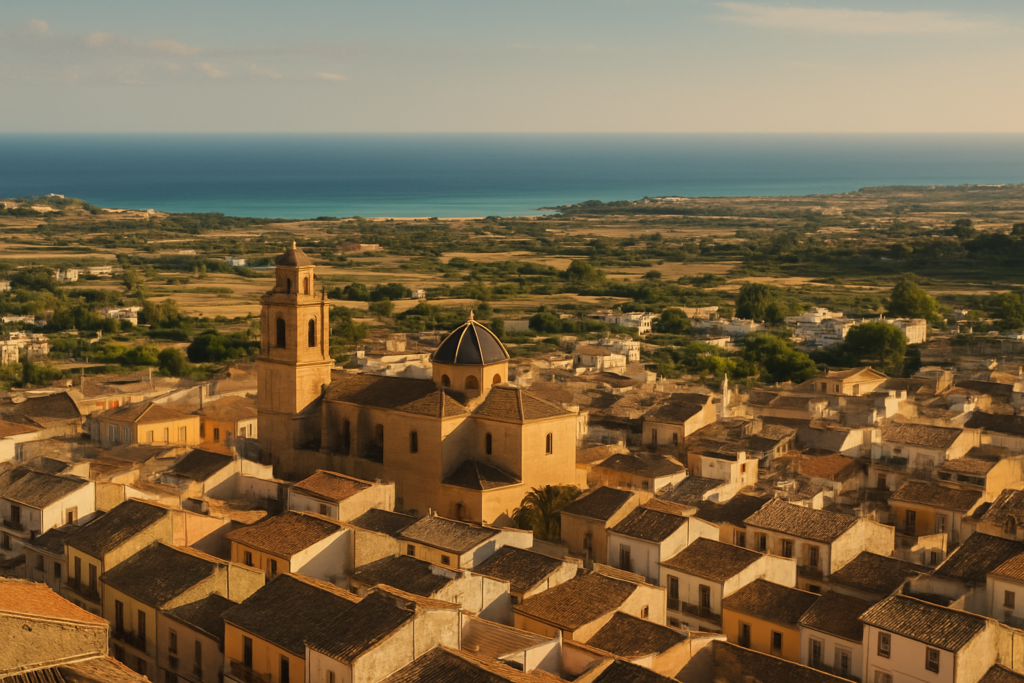
Mutxamel at a glance
- Quiet inland town in a fertile valley fed by the Montnegre river — historically nicknamed “Alicante’s garden”.
- No beach in the town; Alicante’s Playa de San Juan is roughly a 10‑minute drive away.
- About 25 minutes by car from Alicante‑Elche airport (ALC).
- Good public‑transport links: tram and bus connect the town with Alicante city center in about 20–25 minutes.
- Local sights concentrate on a 16th‑century fortress church and several baroque fincas built as summer residences.
- Golf at Alicante Golf (near San Juan) sits in the immediate neighborhood for players.
- Traditional festivals follow regional customs; Moros i Cristians parades are part of the cultural calendar.
Things to do in Mutxamel
The program here is quiet and local‑scale rather than a checklist of blockbuster attractions. Expect to stroll a compact old town, visit a landmark fortress church, poke around baroque manor houses and use the town as a calm base for beaches, golf or trips into Alicante. Below is a quick comparison of the core sights and nearby draws worth planning around.
| Attraction | What it is | Price/entry | Best for |
|---|---|---|---|
| Iglesia de El Salvador | A 16th‑century fortress church at the heart of the old quarter | — | History and architecture |
| Baroque fincas (El Ravel, Peñacerrada) | Country manor houses built by Alicante’s bourgeoisie as summer residences | — | Architecture, quiet walks, local heritage |
| Pantà de Tibi | Historic reservoir/dam (dam originally built in 1594) that supplied local irrigation | — | Short excursions, history of irrigation |
| Playa de San Juan (Alicante) | Long Mediterranean beach easily reached by car from town | — | Sunbathing, family beach days |
| Alicante Golf | Golf course near the San Juan coastline, close to town | — | Golfers wanting a nearby round |
The old town and Iglesia de El Salvador
The town’s tight historic nucleus centres on a 16th‑century fortress church that dominates the lanes. Originally designed with defensive features, the Iglesia de El Salvador reads as both a place of worship and a reminder of turbulent centuries. Walk the surrounding streets for small‑scale local architecture and a sense of everyday life: this is where residents gather and markets and local processions take shape.
Baroque fincas — El Ravel and Peñacerrada
Scattered around the town are several baroque fincas built by the Alicante bourgeoisie as summer homes. These manor houses — with names such as El Ravel and Peñacerrada — reflect a tradition of escaping the city heat into cultivated countryside and are tangible evidence of the area’s former role as a rural retreat for wealthier families.
Pantà de Tibi: engineering that shaped the valley
A short drive away, the reservoir commonly known as the Pantà de Tibi dates to the late 16th century; its dam supplied the valley that nurtured the town’s gardens and irrigation. The site is valuable for anyone interested in early modern hydraulic engineering and for gentle riverside strolling on a half‑day outing from the town.
Best beaches in the area
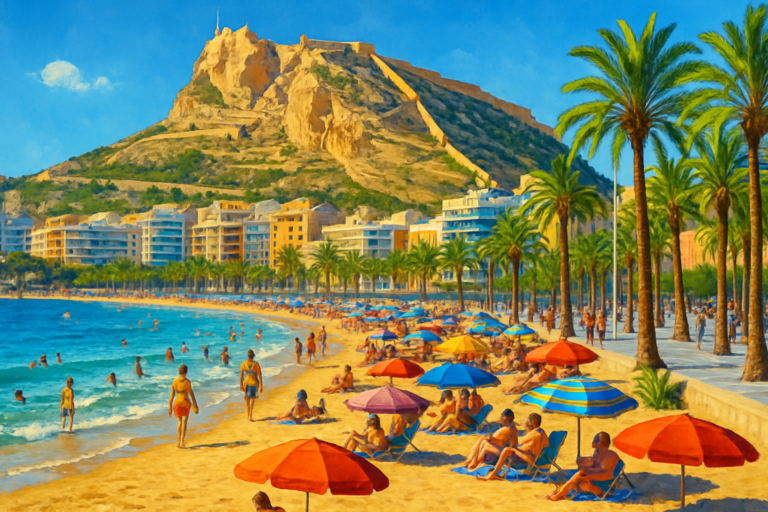
There’s no shoreline inside the town limits; the nearest sandy stretches lie on the Alicante coast and are a short drive away. If a beach day is on the agenda, plan to travel out to the coastal strip.
| Beach | Character | Facilities/Blue Flag |
|---|---|---|
| Playa de San Juan (Alicante) | Long sandy beach popular with families and residents of the Alicante metro area | — |
| No beach in town | Mutxamel itself is inland; beaches require a short drive or tram ride | — |
Mutxamel with kids
Families who prefer a quieter, less touristy base while still accessing beaches and recreational facilities will find the town useful. The lack of a promenade means fewer crowds and a calmer evening atmosphere. Short excursions to Playa de San Juan provide a conventional beach day without staying in a dedicated resort town, and nearby Alicante Golf offers an easy option for older kids who enjoy outdoor activities.
How to get to Mutxamel and get around
Access is straightforward: the town sits close to Alicante and its airport, and public transport links make day trips easy. Driving is convenient for beach days or if you plan to explore rural outlying fincas and the reservoir; however, tram and bus links mean you can visit Alicante without a car.
| From | By | Approx time |
|---|---|---|
| Alicante–Elche Airport (ALC) | Car | About 25 minutes |
| The town to Alicante city centre | Tram and bus | About 20–25 minutes |
Where to stay
Accommodation choices are mainly small hotels, guesthouses and rental apartments clustered around the old town and the more residential neighborhoods. The compact nature of the settlement means you can be within walking distance of local bars and the church from most central points. Choose a place near the historic centre for atmosphere, or closer to the road links if you plan many coastal or airport transfers.
Best time to visit Mutxamel
The area enjoys generally mild conditions year‑round, but pockets of comfort make certain months more pleasant for sightseeing and outdoor activity. Spring and autumn are widely considered the most agreeable for walking, exploration and avoiding coastal peak crowds.
| Season | Months | What to expect |
|---|---|---|
| Spring | March–June | Mild, pleasant weather — one of the most comfortable times for visiting |
| Autumn | September–October | Also very agreeable; good for day trips and outdoor activities |
| Winter | Rest of the year | Generally mild across the year, but cooler — still suitable if you want a quiet visit |
History of the town
The settlement sits in a fertile valley watered historically by the Montnegre river; its agricultural role earned the area the informal nickname “Alicante’s garden.” Over centuries the town developed a pattern of summer residences — baroque fincas built by Alicante’s bourgeoisie — and a compact defensive‑style religious centre. The Iglesia de El Salvador, dating from the 16th century, and the late‑16th‑century Pantà de Tibi reservoir are physical reminders of the town’s long relationship with water management and regional security. Local festivals follow the broader provincial traditions, including colourful Moros i Cristians parades.
Practical info
- Airport access: Alicante‑Elche airport is the nearest major airport; the drive is approximately 25 minutes.
- Public transport: tram and bus services link the town with Alicante city centre in roughly 20–25 minutes, making day trips practical without a car.
- Languages: Valencian and Spanish are spoken locally; English is widely used in the broader Alicante area.
- Food and drink: local gastronomy includes regional rice specialities; the inland culinary tradition here features dishes such as arròs amb costra.
- Shopping and services: expect local markets and small shops rather than large tourist malls in the immediate town centre.
- Tourist expectations: the town is a calm, authentic base rather than a beach resort — plan transfers for shore time and golf separately.
Worth it for: travellers who want a quiet, authentic Costa Blanca base within easy reach of Alicante’s beaches and services; architecture and rural heritage seekers; golfers wanting proximity to a nearby course.
Less so if: you want a lively beachfront resort with a nightlife scene and immediate sea access from your doorstep.
How we assess this guide
This guide compiles verified local facts from regional sources and cross‑checked references. We flag and avoid presenting any venue as open or operating unless the sources confirm it. The text is not based on a single field visit but synthesises multiple verified claims about transport, landmarks and local traditions to give a reliable planning resource.
Frequently asked questions
How far is the airport from here?
The nearest major airport is Alicante–Elche (ALC), and the drive takes about 25 minutes.
Is Mutxamel expensive to visit?
There’s no single price index published here; the town functions as a quieter inland base close to Alicante, where a broader range of services may affect costs. The local economy leans toward everyday life rather than tourist premium pricing in beach resorts.
Which beach is best for a family day out?
Playa de San Juan on the Alicante coast is the most convenient nearby sandy beach for family outings and is reachable by a short drive from the town.
How many days should I stay?
For most visitors a base of two to four days suits well: that allows time to explore the town’s historic core and fincas, make a beach day trip, and visit nearby attractions such as the reservoir or Alicante city sights.
Is the area good for families with children?
Yes — families who prefer a quieter base can enjoy calm evenings and easy day trips to nearby beaches. There are outdoor options suitable for children within a short drive.
Can I get around without a car?
Yes. Tram and bus connections link the town with Alicante city centre in about 20–25 minutes, making public transport a realistic option for many day trips. For more rural sites or flexible beach days a car speeds logistics.
Is there parking available?
Most visitors report typical small‑town parking arrangements near the centre and residential areas. For extended parking when visiting the coast or larger venues, use designated coastal car parks rather than on‑street town centers.
What are rainy‑day options?
The town’s scale limits indoor tourist attractions; consider short trips into Alicante for museum and restaurant options, or use a quiet day to explore indoor features of local churches and manor houses if they are accessible.
When is the best time to visit for comfortable weather?
Spring (March–June) and early autumn (September–October) are generally the most pleasant periods for outdoor activities and sightseeing.
Are there festivals worth timing a trip for?
Local celebrations follow provincial traditions, including colourful Moros i Cristians parades common in the Alicante area. Check local calendars if you want to experience these events.
What language will I hear locally?
Valencian and Spanish are the local languages; English is widely used throughout the Alicante region for visitor services.
Is there a golf course nearby?
Yes — Alicante Golf near San Juan sits within the town’s immediate neighbourhood and is convenient for players based here.
Can I visit historic hydraulic works nearby?
Yes. The Pantà de Tibi reservoir, with a dam dating from the late 16th century, lies a short drive away and is relevant for anyone interested in early water‑management systems.
Are there places to stay in the historic centre?
Accommodation is concentrated around the old town and residential neighbourhoods; staying near the historic core keeps you within walking distance of local bars and the church.
Is this a good place to base myself for visiting Alicante?
It is. The town offers a quieter, more authentic base while keeping Alicante’s beaches and city sights within easy reach via tram, bus or a short car ride.
Plan the wider trip
Nearby on the Costa Blanca
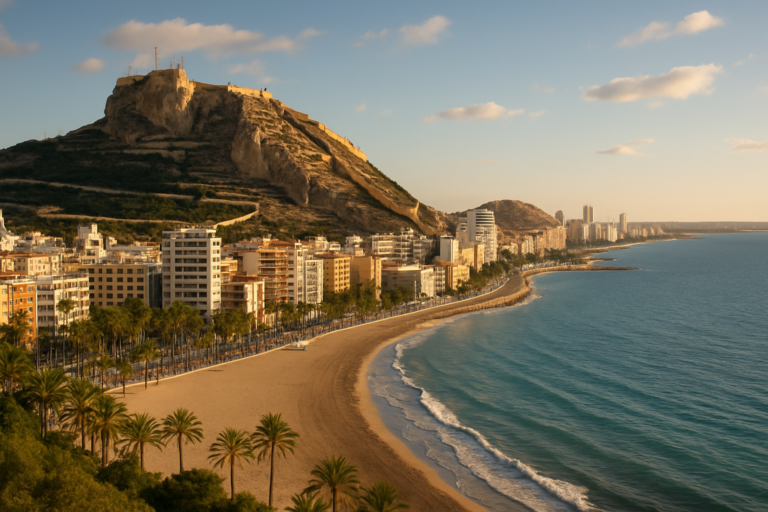
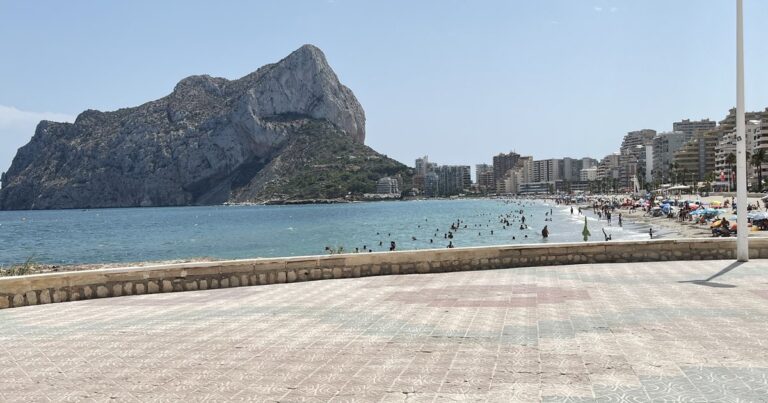
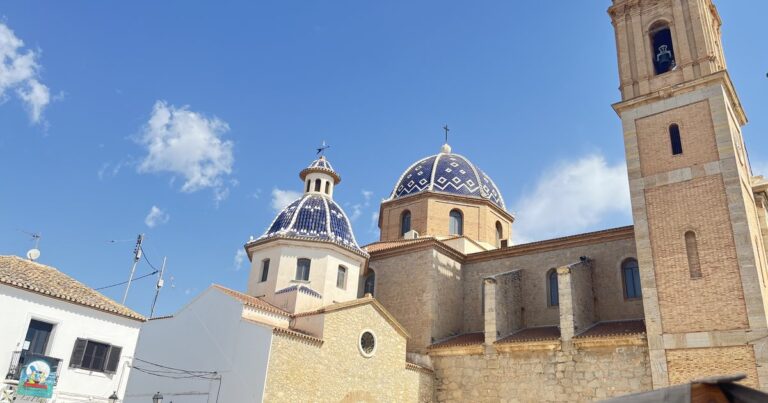
Mutxamel on the map
Places worth knowing near Mutxamel
This place is part of our Costa Blanca Guide: Benidorm, Calpe, Altea and the Best of Alicante — see every town, beach and cove we have mapped on that coast.
How this page is maintained. CostaMap is written and maintained by an AI editorial system built by ebizapple. Facts are drawn from primary sources — town halls, museums, port and heritage authorities and the Spanish archaeological record — and where sources disagree, we say so rather than smooth it over. Photographs marked as ours are taken on location. This page was last reviewed on 11 August 2026. Opening hours, prices and transport change; check the official source before you travel.