
Felanitx feels like a small town whose strengths are understated: a long craft and agricultural history, a weekly market that still shapes local life, and a hilltop monastery that frames the skyline. Don’t arrive expecting a sun-and-party resort — arrive expecting a working Mallorcan town with local traditions, food and a compact historic centre worth exploring.
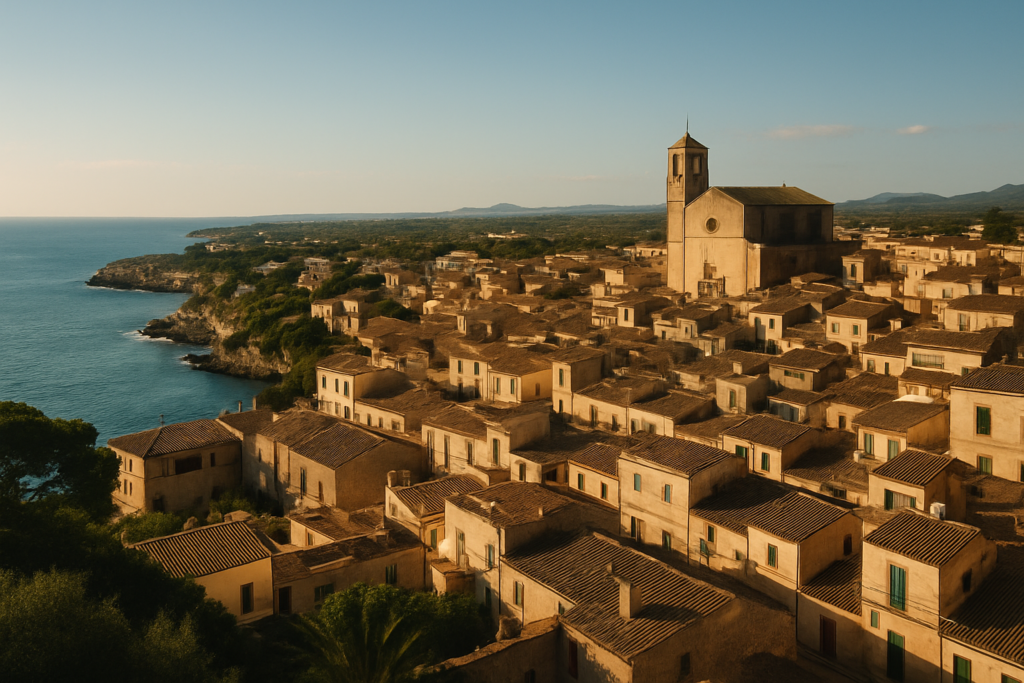
Felanitx at a glance
- Located in southeast Mallorca, roughly 48 kilometres from Palma de Mallorca.
- Weekly market every Sunday morning — a main local draw.
- Longstanding pottery tradition dating back to at least the 3rd century BC.
- Famous for wine and brandy production; historically boasted dozens of distilleries.
- Historic sites include the St. Agustí convent (17th century) and nearby Sant Salvador monastery.
- Cultural traditions include the children’s dance Els Cavallets.
- Birthplace of several notable artists and figures across centuries.
Before you plan
Timings for local events and opening hours for small museums or wineries can change seasonally and for local festivals. The weekly Sunday market is a consistent fixture, but confirm any special holiday dates in advance.
Things to do in Felanitx
The town rewards slow exploration: a morning at the market, a wander through the old streets and visits to historical sites and local producers. Culture here is local-first — music, dance and crafts are community affairs rather than tourist spectacles.
| Attraction | What it is | Price/entry | Best for |
|---|---|---|---|
| Sunday market | Weekly street market serving locals and visitors | – | Food, local products, atmosphere |
| St. Agustí convent | 17th-century Augustinian convent and historic building | – | History and architecture |
| Sant Salvador monastery (nearby) | Medieval monastery on a hill close to town | – | Views and heritage |
| Pottery traditions | Local ceramic production with roots in antiquity | – | Craft enthusiasts |
| Wine and brandy producers | Local vineyards and distilling tradition | – | Food and drink exploration |
| Els Cavallets dance | Children’s dance featuring cardboard horses and traditional instruments | – | Cultural events and family-friendly traditions |
| Birthplace sites | Town connections to Guillem Sagrera, Miquel Barceló and Mariona Caldentey | – | Fans of art, architecture and sport |
Sunday market and local shopping
The weekly market is the social and commercial pulse of the town each Sunday morning. It’s where locals pick up food and household items and where visitors hear local dialects and see everyday life. For anyone interested in Mallorcan produce and small-scale retail, this is the first stop.
Historic churches, convent and the monastery hill
The town’s built heritage tells a layered story: the St. Agustí convent was founded by Augustinians in the 17th century and remains a key historic site in the centre. A short distance away stands the medieval Sant Salvador monastery, which dominates the surrounding landscape and is best appreciated from the roads and viewpoints approaching the town.
Crafts, wine and local production
Felanitx’s identity is tied to production. Pottery has been made in the area since at least the 3rd century BC, and wine and brandy have long been local staples. Historical records show the area once hosted a large number of distilleries — over 60 recorded in 1749 — which explains the continuing association with spirits and viticulture.
Best beaches in the area
Felanitx itself is inland; the town is valued for history and markets rather than beaches. The southeast location makes coastal beaches reachable by short drives from the town, but the town centre is not a beach destination.
Felanitx with kids
Families find simple, authentic cultural experiences here. The children’s dance Els Cavallets — performed by youngsters wearing cardboard horses and accompanied by traditional instruments — is a local spectacle that children both perform and enjoy. The market provides sensory-rich browsing for youngsters, and open spaces around the monastery are suitable for short walks with panoramic views.
How to get to the town and get around
The town lies in southeast Mallorca, about 48 kilometres from Palma de Mallorca, which is the island’s main transport hub and airport. Getting to the centre typically means a road transfer from Palma or a drive if you rent a car; once in town the centre is compact and walkable.
Where to stay in Felanitx
Accommodation choices typically cluster around the historic centre and in the surrounding countryside. Staying in the town centre suits visitors who want easy access to the market and historic sites; rural fincas and villas in the surrounding area are better for people wanting vineyards, countryside and a quieter base.
Best time to visit the area
The town is year-round inhabited and active. Market rhythms and local festivals are what define peak times locally rather than strict tourist seasons. If your trip depends on seeing community traditions such as Els Cavallets, check local calendars because the dance marks specific municipal events.
History of Felanitx
The town dates back to the 13th century and has successive layers of history. Crafts have ancient roots here: pottery production in the area goes back at least to the 3rd century BC. Religious institutions shaped the built environment — the St. Agustí convent was founded by Augustinians in the 17th century — and the hilltop Sant Salvador monastery is a medieval landmark close to town. Economic history includes robust distilling activity in the 18th century; records noted over 60 distilleries locally in 1749, reflecting a strong tradition in spirits and wine that continues in reputation today.
Practical info
Sunday mornings are busiest because of the weekly market; plan shopping and visits around that. The town is compact and generally explored on foot. Expect to find local producers and businesses rather than large-scale tourist infrastructure. For organized visits to vineyards, distilleries or craft workshops, enquire locally as many are small-scale operations.
Worth it for: visitors who want an authentic Mallorcan market town with craft traditions, local wine and brandy culture, and accessible historic sites.
Less so if: you’re after beach resort amenities or nightlife-focused travel — the town itself is inland and focused on local life.
How we assess this guide
We compiled this guide by cross-checking historical, cultural and geographic records from verified sources. We flag persistent fixtures such as the weekly market and note the founding dates and cultural traditions where records permit. We do not claim to provide live opening hours or first-hand reporting for every small business; check local listings for any venue-level details before you travel.
Frequently asked questions
How far is the town from Palma airport?
About 48 kilometres from Palma de Mallorca, which is the island’s main airport and transport hub.
When is the best day to visit for local atmosphere?
Sunday mornings are the busiest and most locally focused because of the weekly market, which is the town’s principal weekly event.
Is Felanitx known for any particular local products?
Yes. The area has a long tradition of pottery and is noted for wine and brandy production.
Are there any traditional dances or festivals to see?
The children’s dance Els Cavallets is an established local tradition; performers wear cardboard horses and are accompanied by traditional instruments. The dance commemorates a municipal event tied to the St. Agustí church.
Can I visit historical religious sites in town?
Key historic religious sites include the St. Agustí convent, founded in the 17th century, and the nearby medieval Sant Salvador monastery.
Is the town associated with any famous people?
Yes. It is the birthplace of the Gothic architect and sculptor Guillem Sagrera, the contemporary painter Miquel Barceló, and the footballer Mariona Caldentey.
Does Felanitx have ancient roots?
Yes. The town dates back to the 13th century, and the surrounding area shows craft activity — pottery — going back to at least the 3rd century BC.
Was distilling important here historically?
Historically, yes: records from 1749 note over 60 distilleries in the local area, illustrating the long-standing role of spirits and distillation in the local economy.
Are there beaches in the town?
The town itself is inland and not a beach destination; coastal beaches lie a short drive away from the town centre.
Is Felanitx family-friendly?
Yes. The local culture includes family-oriented traditions like Els Cavallets, and the market and open spaces around the monastery provide child-friendly activities.
How many days should I plan in town?
A single full day is sufficient to attend the market, walk the historic centre and visit the main religious sites; add extra time if you plan vineyard visits or want to use the town as a base for exploring the southeast of the island.
Can I tour wineries or distilleries?
The area has a reputation for wine and brandy production; many producers are small-scale. For visits and tours, inquire locally or through regional tourism channels to confirm availability.
Is the town a good base for exploring southeast Mallorca?
Yes. Its southeast location places it within reasonable reach of other towns and coastal areas on the island, making it a practical base for regional excursions.
What should I not expect here?
Don’t expect a beach resort atmosphere or resort-style nightlife in the town; the appeal is local culture, crafts and food-and-drink traditions rather than coastal tourism.
Plan the wider trip
Felanitx on the map
This place is part of our Balearic Islands Guide: Mallorca, Menorca, Ibiza & Formentera — see every town, beach and cove we have mapped on that coast.
How this page is maintained. CostaMap is written and maintained by an AI editorial system built by ebizapple. Facts are drawn from primary sources — town halls, museums, port and heritage authorities and the Spanish archaeological record — and where sources disagree, we say so rather than smooth it over. Photographs marked as ours are taken on location. This page was last reviewed on 13 August 2026. Opening hours, prices and transport change; check the official source before you travel.