
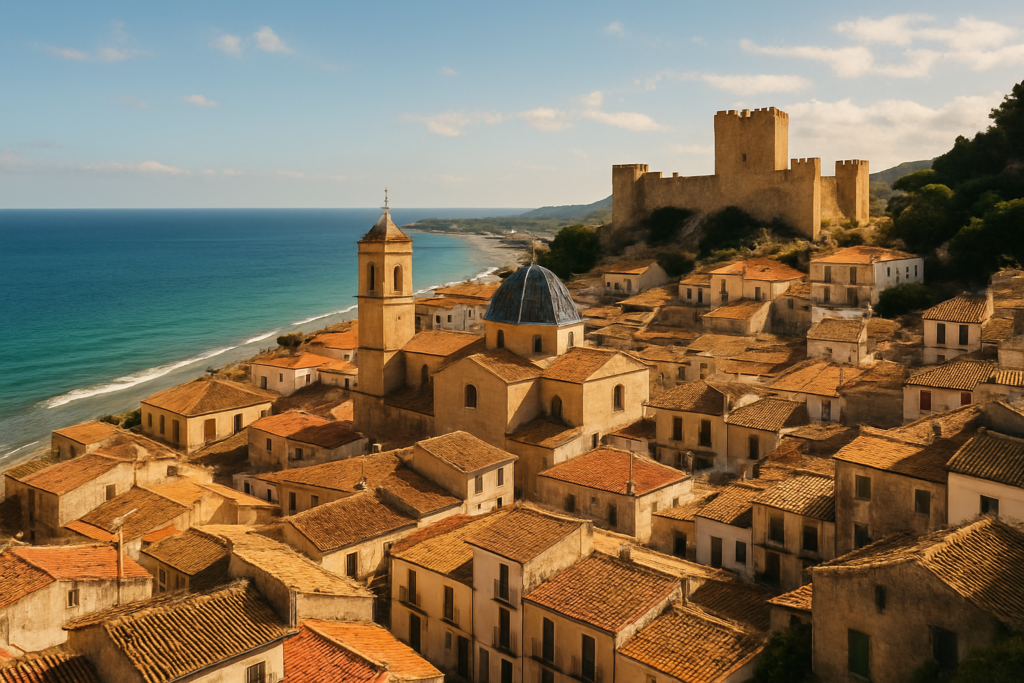
Expect a compact, inland Spanish town whose main appeals are a commanding medieval fortress, a singular Bronze Age archaeological treasure, and a surprisingly lively cultural calendar. Don’t arrive expecting palm-lined promenades or sea views — this is interior Alicante, a crossroads of history, rail and rural landscapes where the castle and the hoard set the tone.
Villena at a glance
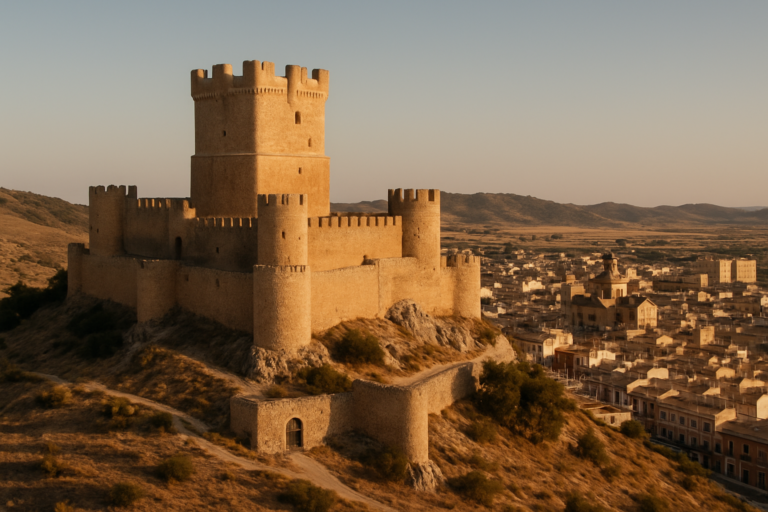
- Dominated by a 12th‑century Moorish castle, Castillo de la Atalaya, on a rocky spur.
- Home to the Treasure of Villena — a major Bronze Age hoard discovered in 1963 — displayed in the municipal archaeological museum.
- Sits on the Madrid–Alicante rail corridor with a station on the high-speed line, and lies roughly 60 km inland from Alicante and the Costa Blanca coast.
- Historic core centered on Plaza de Santiago and the Gothic‑Renaissance church of Santiago with distinctive twisted columns.
- Annual Moros y Cristianos festival is one of the area’s largest and takes place each September.
- Teatro Chapí, a restored 19th‑century theatre, commemorates local composer Ruperto Chapí.
- Surrounding countryside includes wetlands and sierras used for walking and birdwatching; the area produces robust red wines.
Things to do in the town
The main reasons people stop here are straightforward: explore a well-preserved castle complex, see one of Europe’s most important Bronze Age gold hoards, stroll an old town with notable civic architecture, and time a visit for the big September festival. Below is a quick comparison of the town’s must-see attractions to help you prioritise your time.
| Attraction | What it is | Price/entry | Best for |
|---|---|---|---|
| Castillo de la Atalaya | 12th‑century Moorish fortress with double curtain wall and keep | – | History buffs, photographers, short hikes |
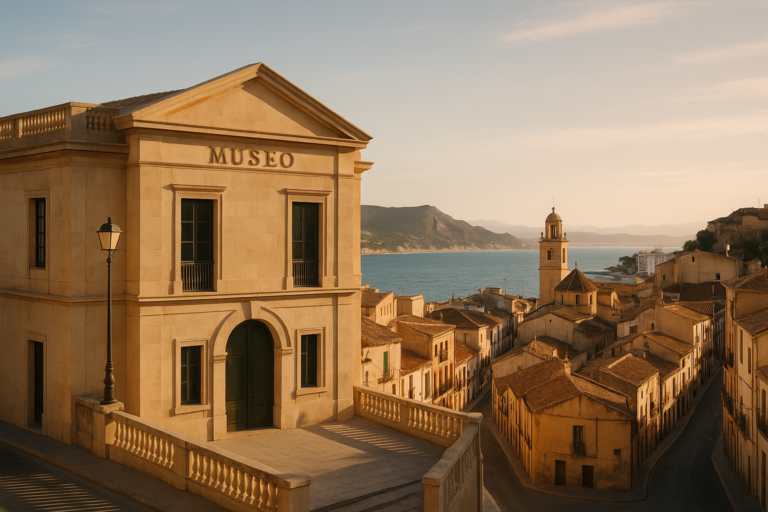
| Museo Arqueológico José María Soler (MUVI) | Museum in the town hall displaying the Treasure of Villena and Bronze Age finds | – | Archaeology and museum visitors |
| Teatro Chapí | Restored 19th‑century theatre named for local composer Ruperto Chapí | – | Theatregoers, architecture lovers |
| Plaza de Santiago & Church of Santiago | Historic main square and Gothic‑Renaissance church known for twisted columns | – | Strolling, local life, photography |
| Lagunas de Villena & surrounding sierras | Wetland and hilly countryside used for walking and birdwatching | – | Nature lovers, walkers, birdwatchers |
Castillo de la Atalaya — the spine of the town
The fortress gives the town its silhouette: a multi‑period stronghold rising from a spur of the nearby sierra. Its double curtain wall and central keep are particularly notable features, reflecting its origins in Muslim (Almohad) fortification traditions and later medieval reuse. Viewing the castle from different points in the old quarter is one of the most satisfying things to do; the ramparts and approaches offer strong photographic opportunities and a sense of the town’s strategic position on the historic Madrid–Alicante route.
Museum and the Bronze Age treasure
Housed within the Renaissance Palacio Municipal on the main square, the town’s archaeological museum centres on the Treasure of Villena. Discovered in December 1963 in a dry riverbed by archaeologist José María Soler, the hoard comprises dozens of objects fashioned from gold, silver, iron and amber — a collection that ranks among the most important prehistoric gold finds on the Iberian Peninsula and is second in Europe only to the Mycenaean finds. The museum also interprets local Bronze Age settlements such as the nearby Cabezo Redondo, giving context to the hoard rather than presenting it as an isolated curiosity.
Plaza de Santiago, Santiago church and Teatro Chapí
The town’s Renaissance town hall fronts the main square and the neighbouring Gothic‑Renaissance church of Santiago is worth a close look for its spiral twisted columns, an architectural detail that rewards visitors paying attention to carved stone and church interiors. Nearby, Teatro Chapí — named after the composer born here — provides a glimpse of 19th‑century civic culture; its restoration makes it a cultural anchor for concerts and performances when events are scheduled.
Walking, wetlands and the wine landscape
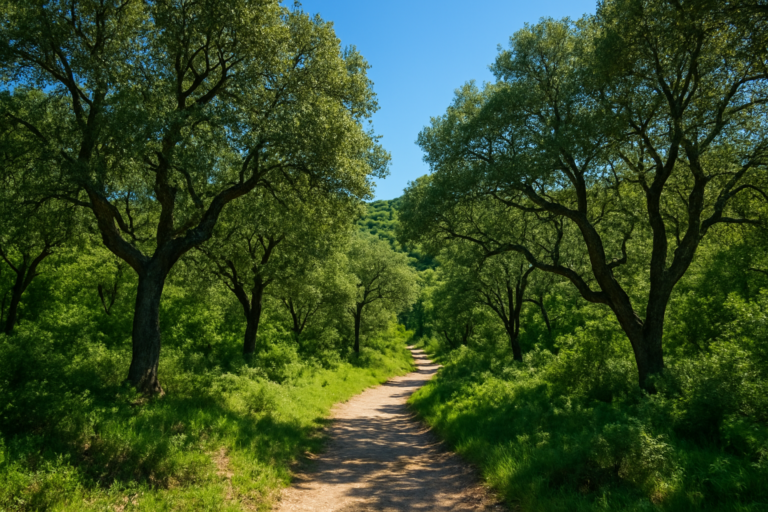
Move off the paved streets and you’ll find a different pace: the Lagunas de Villena wetlands and the surrounding sierras provide options for walking and birdwatching. The wider Alto Vinalopó area has a wine-producing identity — known locally for robust red wines — and the landscape of vineyards and low hills can be an agreeable counterpoint to the town’s stone architecture.
Villena with kids
Children usually respond well to the drama of the castle—climbing paths and viewpoints give a sense of adventure—while the museum has the narrative hook of a treasure, which makes archaeology tangible. Short family walks around the lagunas and easy circuits of the old quarter suit mixed-age groups. Check theatre listings at Teatro Chapí for family-friendly performances during your visit.
How to get to the area and get around
This is a transport crossroads rather than a remote backwater: the town sits on the Madrid–Alicante rail corridor and the local station is served by the high‑speed line that links the interior with the coastal city. The settlement’s position on main roads means it’s straightforward to reach by car from the surrounding region, and its roughly 60 km distance inland places it within reach of Costa Blanca day trips.
Where to stay
Accommodation options concentrate close to the old town and main square, which is practical for accessing the museum, theatre and restaurants without needing a car. Staying near the castle gives easy uphill access for early morning or late‑afternoon visits; lodging in the flatter, newer parts of town suits drivers arriving late or departing early. For visitors interested in the wine countryside or nature walks, look for guesthouses on the outskirts or in nearby villages that position you closer to the sierras and wetlands.
Best time to visit
Timing depends on what you want to see. The biggest cultural draw is the town’s Moros y Cristianos festival each September; if you want to experience that spectacle, plan for early autumn. Otherwise, the museum, castle and historic centre are available year‑round for visits.
| Season | Months | What to expect |
|---|---|---|
| Festival season | September | Moros y Cristianos celebrations — one of the region’s largest |
| General visiting | – | Museum and castle open for cultural and historical visits year‑round |
History of the area
The town sits on a historic frontier line and grew around a strategic hilltop fortress. The Castillo de la Atalaya has documented origins in the 12th century and began as a Muslim (Almohad) fortification; it later became a Castilian stronghold during the centuries of Reconquista and frontier realignment. Archaeologically, the locality reached international attention in the 20th century when José María Soler excavated and recovered the Treasure of Villena in 1963 — a major Bronze Age hoard that reframes the town’s place in prehistoric Iberia and ties it to wider Mediterranean exchange networks.
Practical info
- Rail access: The town has a station on the Madrid–Alicante high‑speed rail line, making it an accessible inland stop for travellers using Spain’s modern rail network.
- Museum location: The archaeological collection featuring the Treasure of Villena is displayed in the municipal palace on the main square, so it’s walkable from the historic centre.
- Distance to coast: The town lies roughly 60 km from the city of Alicante and the Costa Blanca beaches — possible as a day trip to the coast for those with a car or connecting transport.
- Local festivals: The Moros y Cristianos in September is a major event that substantially affects accommodation and local services during the festival period.
Worth it for: Visitors interested in medieval castles, Bronze Age archaeology, and authentic inland Valencian cultural life — especially timing a trip for the September Moros y Cristianos festival.
Less so if: You’re seeking seaside resorts, beach days or a broad range of nightlife and large-scale tourist infrastructure — this is an inland heritage town rather than a coastal holiday resort.
How we assess this guide
We compiled this guide from cross‑checked, authoritative sources on the town’s archaeology, architecture and cultural calendar. We flag notable dates and museum locations that affect trip planning, and we avoid presenting unverified opening hours, prices or transient services as facts. This is not first‑hand field reporting; it synthesises verified claims so you can set realistic expectations before you travel.
Nearby on the Costa Blanca
Towns near Villena
- Elda — 18 km south, the capital of Spain's shoe industry
- Petrer — 19 km south-east, a Moorish hilltop castle, whitewashed old-town lanes
- Yecla — 22 km west, a Murcia Altiplano wine town of Monastrell reds
- Ibi — 25 km east, Spain's toy industry grew up here
- Novelda — 29 km south, a Modernista sanctuary echoing Gaudí
- Ontinyent — 31 km north-east, the Pou Clar river pools, a medieval La Vila quarter
Places to visit within reach
- Atalaya Castle (Villena) — 1 km, A dramatic medieval fortress crowning a hill above the inland town
- Museo del Calzado — 18 km, The Museo del Calzado in Elda tells the story of Spain’s
- Font Roja Natural Park (Alcoy) — 28 km, Font Roja Natural Park offers diverse trails and one
- Verdú Cantó Saffron Spain (Novelda) — 29 km, Verdú Cantó Saffron Spain is a family saffron house in Novelda
For the wider picture, see the Costa Blanca guide, which lists every town on this coast.
Frequently asked questions
How do I get from Alicante to Villena?
The town is roughly 60 km inland from the city of Alicante. It is connected by road and by the Madrid–Alicante rail corridor; the local station is on the high‑speed line that serves the area.
Is the Treasure of Villena on display?
Yes. The Treasure of Villena, recovered in December 1963 by José María Soler, is the centrepiece of the municipal archaeological museum housed in the town hall.
What is the Castillo de la Atalaya like to visit?
The castle is a well‑preserved 12th‑century Moorish fortress with a distinctive double curtain wall and central keep, sitting prominently on a rocky spur above the town. It’s a primary visual and historical landmark.
When is the best time to see the Moros y Cristianos festival?
The town’s Moros y Cristianos celebrations take place each September; this is the period to experience the festival atmosphere and associated parades and events.
Is there a theatre or live performance venue?
Yes — Teatro Chapí, a restored 19th‑century theatre named for local composer Ruperto Chapí, is the town’s principal venue for staged performances and cultural events.
Are there nature or walking options nearby?
Yes. The surrounding countryside includes the Lagunas de Villena wetlands and nearby sierras that are used for walking and birdwatching.
Can I visit nearby Bronze Age sites from here?
The museum interprets local Bronze Age archaeology, including the nearby Cabezo Redondo site connected to the Treasure of Villena, so the town serves as a base for understanding regional prehistoric sites.
Is the town a good base for visiting the Costa Blanca beaches?
It is inland, about 60 km from Alicante and the Costa Blanca coast, so the coast is accessible for day trips if you have a car or coordinate transport, but the town itself is not a beach destination.
What is the main square like?
The main square is anchored by the Renaissance Palacio Municipal (town hall) and sits beside the Gothic‑Renaissance church of Santiago, noted for its spiral twisted columns — a compact area for cafés, local life and access to the museum.
Does Villena produce wine?
The town lies in the Alto Vinalopó area, a wine‑producing zone known for robust red wines; the surrounding countryside reflects this agricultural and viticultural character.
Is Villena suitable for a family day trip?
Yes. The castle, the museum’s treasure story, the compact old town and short nature walks make it suitable for families looking for a culturally rich day out inland from the coast or larger cities.
How long should I plan to stay?
A full day generally covers the main attractions (castle, museum, main square and a short walk). Stay longer if you want to attend festival events, explore the countryside for walking and birdwatching, or use the town as a base for wine‑region visits.
Where can I learn more about the Treasure and its discovery?
The town’s Museo Arqueológico José María Soler, located in the municipal palace on the main square, presents the Treasure of Villena and the archaeological context discovered by José María Soler in 1963.
Are there guided tours of the castle or museum?
Guided services and events are often tied to local cultural programming and the municipal museum’s schedule; check with the museum and tourist information locally for current guided-tour availability.
Is Villena wheelchair accessible?
Parts of the historic centre around the main square and museum are on level ground, but the castle sits on elevated terrain and involves slopes and uneven surfaces; accessibility can therefore be mixed depending on which sites you plan to visit.
Plan the wider trip
- Costa Blanca guide
- Alicante
- Benidorm
- Villajoyosa (painted houses)
- Altea Old Town
- Benissa: Marina Alta hilltop town near the northern Costa Blanca coast
Villena on the map
Places worth knowing near Villena
How this page is maintained. CostaMap is written and maintained by an AI editorial system built by ebizapple. Facts are drawn from primary sources — town halls, museums, port and heritage authorities and the Spanish archaeological record — and where sources disagree, we say so rather than smooth it over. Photographs marked as ours are taken on location. This page was last reviewed on 15 August 2026. Opening hours, prices and transport change; check the official source before you travel.