
Expect a town where dramatic geology, industrial history and pageantry collide. Visit wanting authentic local life and bold seasonal spectacles rather than a seaside resort vibe: this is a mountainous inland place threaded by ravines, tall bridges and a once-thriving textile economy, with a festival calendar that can upstage far better-known destinations.
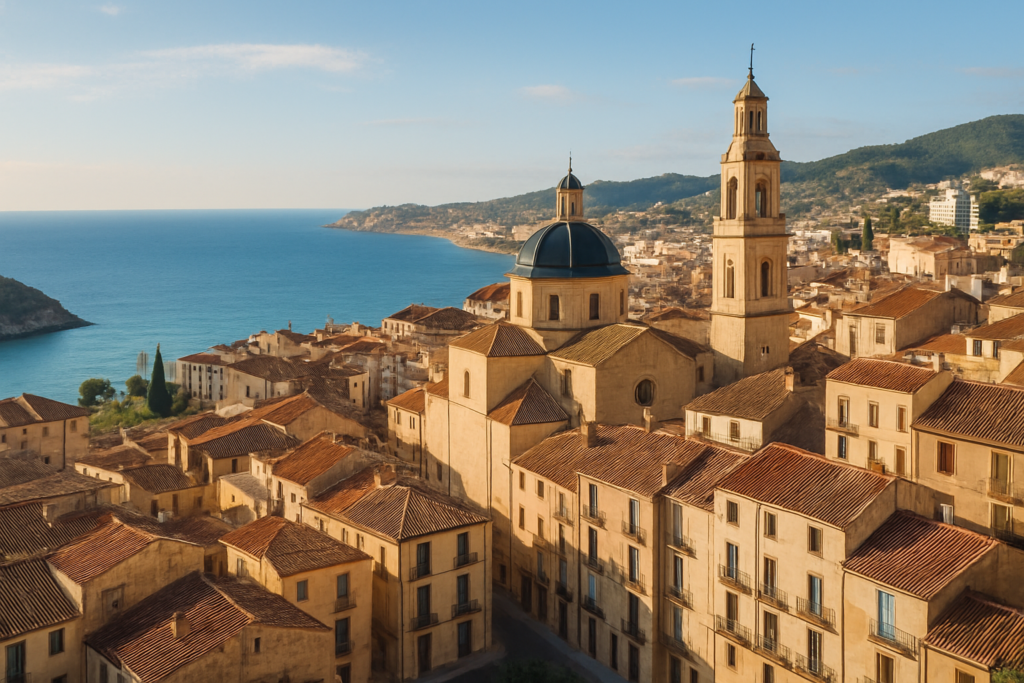
Alcoy at a glance
- Famous annual Moros y Cristianos festival each April, celebrating Sant Jordi (Saint George).
- Set about 50 km inland from Alicante, reached along a scenic mountain road.
- Surrounded by protected natural areas: Font Roja and Serra de Mariola parks nearby.
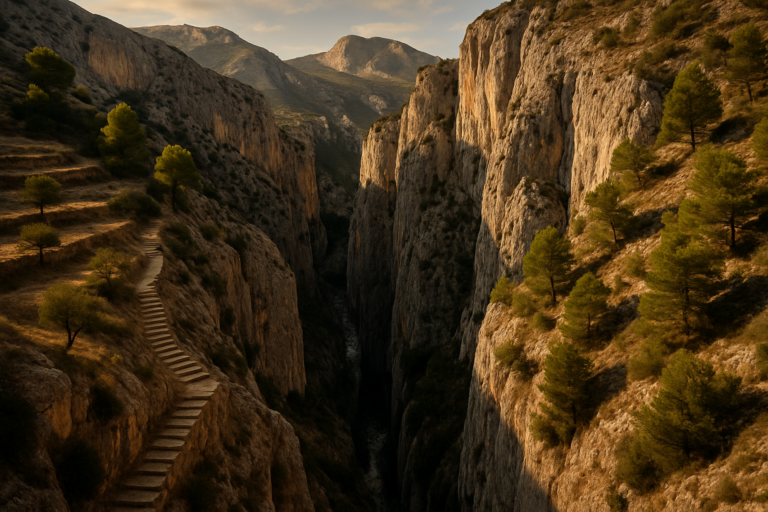
- Townscape defined by tall bridges and viaducts crossing deep ravines, including the Pont de Sant Jordi.
- Strong legacy of 19th–20th century textile and paper industries; notable Modernista architecture around the Plaça d’Espanya.
- Museum dedicated to the festival — the Museu Alcoià de la Festa — explains costumes and history.
- Recognised origin of a local Three Kings parade tradition held on 5 January.
Things to do in Alcoy
Spend time appreciating industrial heritage, the dramatic bridges and ravines, the nearby Mediterranean woodlands, and — if you time your visit right — the town’s headline festival. Below is a quick comparison of the main draws to help plan what to prioritise.
| Attraction | What it is | Price/entry | Best for |
|---|---|---|---|
| Moros y Cristianos festival | Annual multi-day festival in April honouring Sant Jordi | – | Cultural spectacle, photography |
| Font Roja natural park | Well-preserved Mediterranean woodland south of the town | – | Hiking, nature lovers |
| Pont de Sant Jordi | Landmark bridge spanning a ravine | – | Architecture and views |
| Museu Alcoià de la Festa | Museum presenting festival history and costumes | – | Culture and families |
| Serra de Mariola natural park | Nearby park known for aromatic herbs used in local herbero liqueur | – | Botany, hiking, local food interest |
| Modernista architecture near Plaça d’Espanya | Art Nouveau buildings from the industrial boom | – | Architecture walks |
Moros y Cristianos (April)
The festival is the defining cultural event here: a complex, theatrical re-enactment commemorating the battles between Moors and Christians and honouring Sant Jordi. It is officially recognised as a Festival of International Tourist Interest, and the Museu Alcoià de la Festa explains its costume and pageant traditions if you want context before watching parades.
Walk the bridges and the old industrial quarter
The town’s geography forces streets and buildings to stack across ravines, with viaducts and the Pont de Sant Jordi providing dramatic viewpoints. The industrial-era expansion left a concentration of Modernista (Art Nouveau) architecture, especially around the Plaça d’Espanya, where decorative facades recall the textile and paper fortunes of the 19th and early 20th centuries.
Hike the nearby protected woodlands
Two distinct natural parks frame visits here. Font Roja, a well-preserved Mediterranean woodland, lies just south of the town and is suitable for short walks among native trees. The Serra de Mariola park is known for aromatic mountain herbs traditionally used to make the local herbal liqueur herbero — an interest point if you care about gastronomy and local botanical traditions.
Alcoy with kids
Families find easy wins: the Museu Alcoià de la Festa helps children understand the town’s theatrical festivals, while nearby protected parks offer safe, nature-based outings. The spectacle of parades — notably the Moros y Cristianos in April and the Three Kings parade on 5 January, a tradition the town is often cited as having helped popularise — will especially appeal to children who enjoy colourful costumes and processions.
How to get to Alcoy and get around
Access is primarily by road via a scenic mountain approach from the coast. The town’s steep ravines and layered streets mean some parts are best explored on foot, but expect to use a car or taxi to reach the surrounding natural parks.
| From | By | Approx time |
|---|---|---|
| Alicante | By car | 50 km inland via a scenic mountain road |
Where to stay
Accommodation choices concentrate in a few practical areas — pick according to what you want to focus on.
- Plaça d’Espanya and old town: Best for architecture walks and easy access to museums and cafés.
- Near the bridges and ravines: Handy for photography and dramatic views across the layered townscape.
- Outskirts toward the parks: Practical base if you want early starts for hikes in Font Roja or Serra de Mariola.
Best time to visit
Plan around events and seasons rather than beach weather. The single biggest draw is the April festival; winter also has a strong local tradition with the Three Kings parades in January.
| Season | Months | What to expect |
|---|---|---|
| Spring | April | Moros y Cristianos festival — the town’s main cultural highlight |
| Winter | January | Traditional Three Kings parade on 5 January, an important local celebration |
| All year | — | Hiking opportunities in Font Roja and Serra de Mariola regardless of season |
History of Alcoy
Alcoy grew from a mountain settlement into a major industrial centre during the 19th and early 20th centuries, driven by textile and paper manufacturing. That economic boom funded public works and elegant Modernista buildings concentrated around the Plaça d’Espanya. The town has also long cultivated civic rituals: its elaborate Moros y Cristianos pageants and an influential Three Kings parade tradition are part of a cultural identity that links industry, religion and communal memory.
Practical info
- Topography: the town sits where rivers meet in deep ravines; expect staircases and steep streets in central quarters.
- Transport connections: the main approach from the coast is a mountain road; local movement between ravines is easiest on foot due to the compact historic centre.
- Nature access: Font Roja natural park lies just south of the town; Serra de Mariola is also nearby for herb-focused hikes.
- Cultural visiting: the Museu Alcoià de la Festa is the local reference point for understanding festival costumes and practices.
Worth it for: visitors who want dramatic townscapes, strong local traditions, and access to Mediterranean mountain parks. Less so if: you’re seeking beaches or resort-style tourism — this is an inland, mountainous place focused on heritage and nature.
How we assess this guide
We compiled this guide by cross-checking local cultural and geographic sources and festival registrations. We flag major events and protected-park locations and do not speculate on opening hours, entrance prices or transport durations unless supported by verifiable information. This is a synthesis of verifiable facts rather than original on-the-ground reporting.
Nearby on the Costa Blanca
Towns near Alcoy
- Ibi — 12 km south-west, Spain's toy industry grew up here
- Ontinyent — 18 km north-west, the Pou Clar river pools, a medieval La Vila quarter
- Villajoyosa — 30 km south-east, candy-coloured houses, the chocolate heritage, sandy beaches
- El Campello — 31 km south, El Campello lies just north of Alicante
- La Nucia — 32 km east, a hilltop town in Alicante's Marina Baixa
- Mutxamel — 32 km south, a green inland Costa Blanca town near Alicante
Places to visit within reach
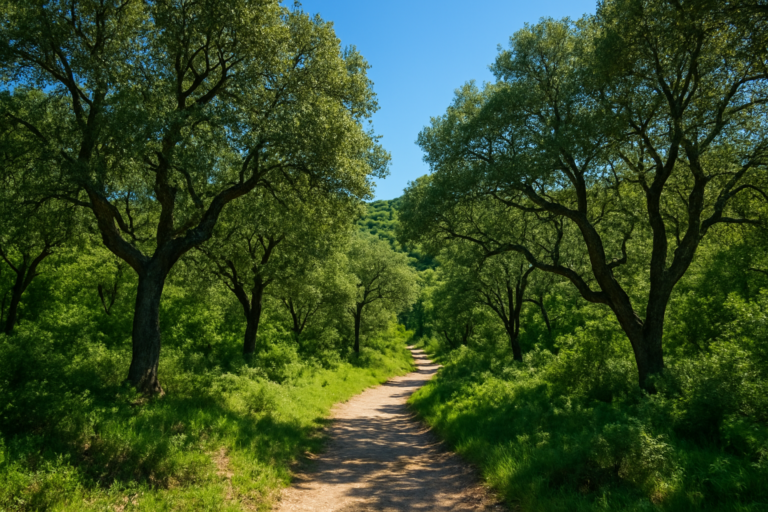
- Font Roja Natural Park (Alcoy) — 7 km, Font Roja Natural Park offers diverse trails and one
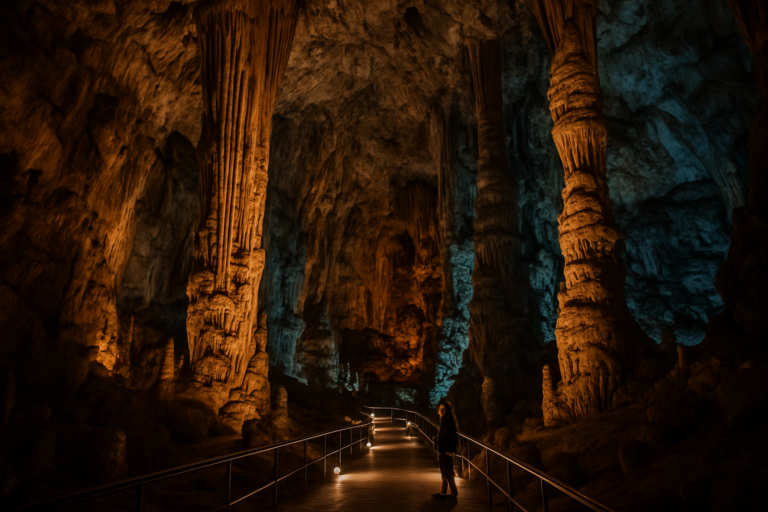
- Canelobre Caves (Cuevas del Canelobre) — 22 km, A vast, cathedral-like show cave in the mountains above Busot
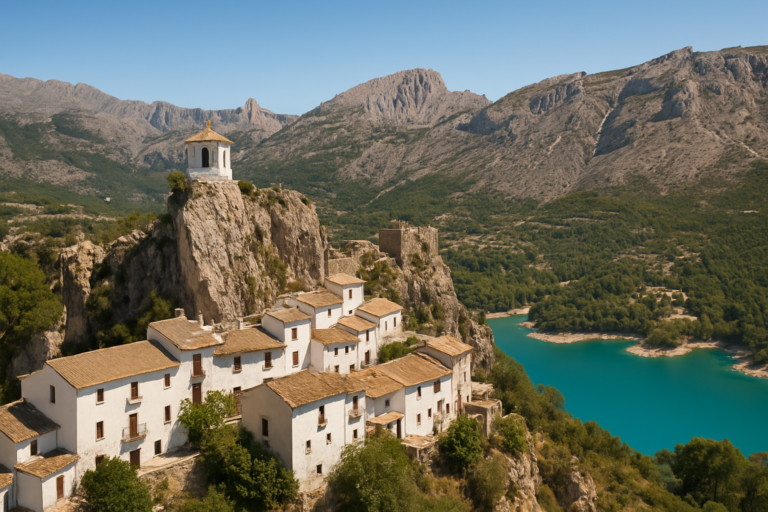
- El Castell de Guadalest — 24 km, A tiny fortified mountain village in the Sierra de Aitana
- Puig Campana — 27 km, The iconic Magic Mountain of Finestrat: Costa Blanca’s second-highest peak
For the wider picture, see the Costa Blanca guide, which lists every town on this coast.
Frequently asked questions
How do I get from Alicante to Alcoy?
The town lies about 50 km inland from Alicante and is reached via a scenic mountain road; road travel is the primary means of access between the two.
When is the Moros y Cristianos festival?
The main celebration takes place each April in honour of Sant Jordi (Saint George) and is the town’s largest annual cultural event.
Is the Moros y Cristianos festival officially recognised?
Yes — the festival has official recognition as a Festival of International Tourist Interest.
What is the Museu Alcoià de la Festa?
It’s a museum dedicated to the history and costumes of the Moros y Cristianos celebration, useful for context before attending the parades.
Are there good hiking options nearby?
Yes. Font Roja natural park, a well-preserved Mediterranean woodland, lies just south of the town; the Serra de Mariola natural park is also close and noted for aromatic herbs.
Which bridge is the landmark in the town?
The Pont de Sant Jordi is one of the town’s landmark bridges spanning a ravine; the town more generally is crossed by tall viaducts giving a layered townscape.
Is Alcoy a suitable destination for families?
Yes. The festival parades are family-friendly spectacles and the Museu Alcoià de la Festa helps children understand the costumes and history; nearby parks offer nature outings suitable for children.
How long should I spend in town?
That depends on interests: a day can cover the main architecture and a museum visit, while two to three days allow time for nearby park hikes and a deeper exploration of bridges and industrial heritage. (Plan longer if travelling to coincide with the April festival.)
Can you visit the parks without a car?
Access is easiest by road; while the town centre is very walkable, reaching Font Roja or Serra de Mariola typically requires a vehicle or organised transport.
Is there a famous local drink or specialty?
The Serra de Mariola area is known for aromatic herbs used in the local herbal liqueur herbero; local cuisine includes mountain dishes such as the winter stew olleta and bacalao specialities during festivals.
Is Alcoy more about nature or culture?
Both are core attractions: the town’s identity combines strong cultural festivals and industrial heritage with nearby Mediterranean woodlands and mountain parks.
When is the Three Kings parade?
The town is often cited as a birthplace of the Spanish Three Kings parade tradition, which takes place on 5 January as a local celebration.
Will I need to walk steep streets?
Yes — the town is built in a mountainous ravine setting with layered streets and bridges, so expect steps and slopes in the historic centre.
Are there notable architecture walks?
Yes — the concentration of Modernista (Art Nouveau) architecture around the Plaça d’Espanya is a highlight from the town’s industrial boom era.
Is Alcoy close to the Costa Blanca beaches?
It lies inland from the Costa Blanca; the coast is about 50 km away by road, reached along a scenic mountain approach rather than a coastal drive.
Plan the wider trip
- Costa Blanca guide
- Alicante
- Villajoyosa
- Rojales: Cave Houses and River Town in the Vega Baja
- Sant Joan: Guide to This Alicante Metro Town
- Torrevieja Pink Lake
Alcoy Alcoi on the map
Places worth knowing near Alcoy Alcoi
How this page is maintained. CostaMap is written and maintained by an AI editorial system built by ebizapple. Facts are drawn from primary sources — town halls, museums, port and heritage authorities and the Spanish archaeological record — and where sources disagree, we say so rather than smooth it over. Photographs marked as ours are taken on location. This page was last reviewed on 15 August 2026. Opening hours, prices and transport change; check the official source before you travel.