
Expect a low-key coastal town that answers to sun, sand and a slow Mediterranean rhythm rather than flashy attractions. This is a place where 16th‑century stonework meets family-friendly beaches and working fields of vegetables; if you come looking for long beaches, easy swimming and a relaxed marina strip, you’ll get what you hoped for. If you expect a resort with nonstop nightlife, think again: the area’s draw is seaside tranquillity, small-scale history and access to neighbouring stretches of coast.
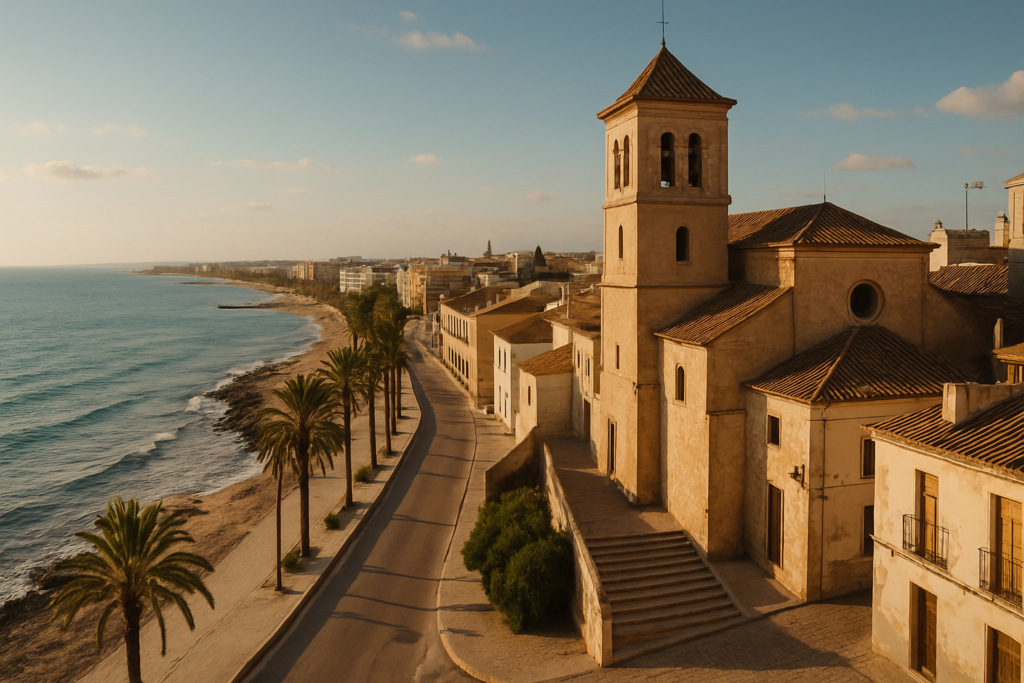
Pilar de la Horadada at a glance
- Border town on the Costa Blanca/Costa Cálida divide — the municipality sits on the Alicante–Murcia border.
- About 55 km south of Alicante city; the nearby town of San Pedro del Pinatar lies close by.
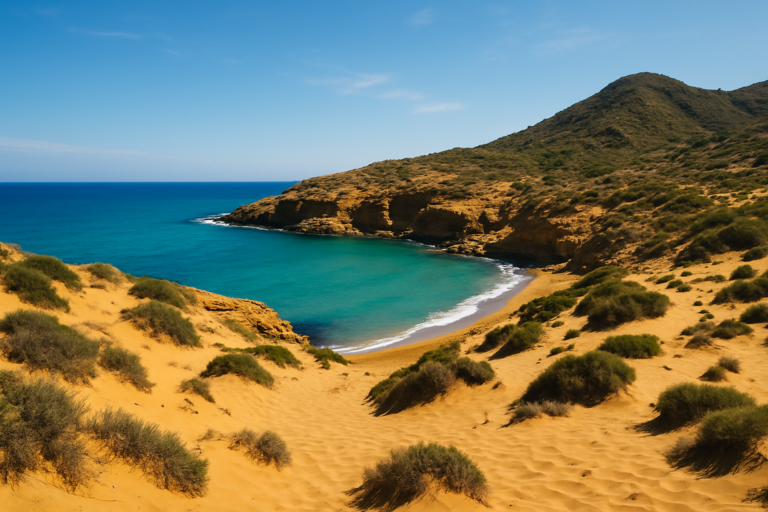
- Coastline of low cliffs, coves and sandy beaches with clear Mediterranean water.
- Key beaches include Playa del Conde, Playa Mil Palmeras and Playa de las Higuericas.
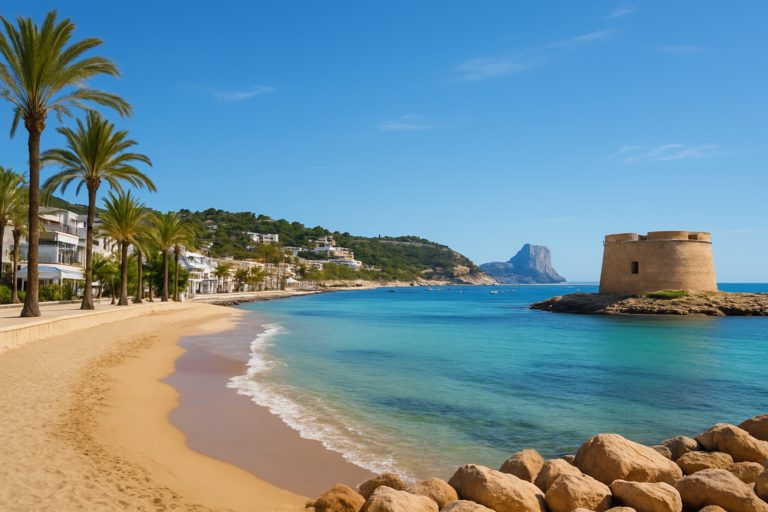
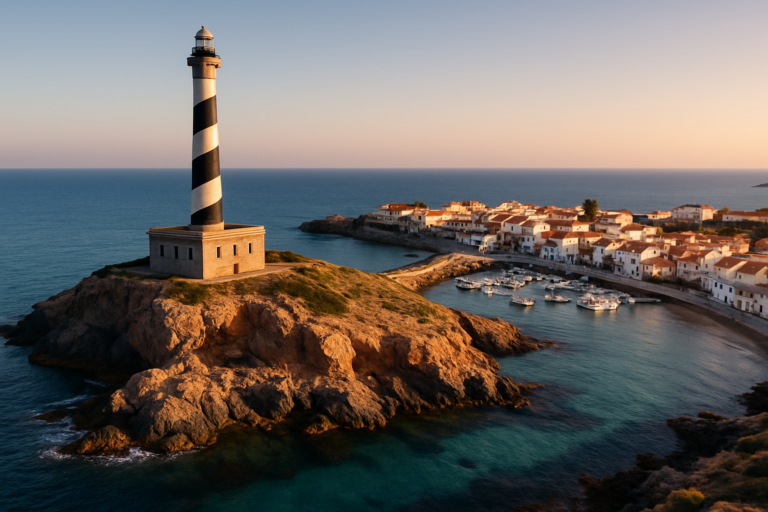
- The Torre de la Horadada: a 16th‑century coastal watchtower originally built against Barbary pirate raids.
- Agriculture (artichokes and vegetables among the crops) remains important alongside tourism.
- The coastal district of Torre de la Horadada combines beaches, a marina and the historic watchtower.
Things to do in Pilar de la Horadada
Activities here are straightforward: beach time, a stroll around the marina and historic tower, and appreciating the agricultural landscapes that still shape the town. The experience is more about calm seaside days and short local excursions than museum-hopping or theme-park thrills. Below is a quick comparison to help pick what fits your pace.
| Attraction | What it is | Price/entry | Best for |
|---|---|---|---|
| Torre de la Horadada | 16th‑century coastal watchtower originally built as defence against Barbary pirate raids | — | History buffs, photo opportunities |
| Playa Mil Palmeras | Family beach resort within the municipality | — | Families, swimming |
| Playa del Conde & Playa de las Higuericas | Sandy beaches and coves along a low‑cliff coastline with clear water | — | Beachgoers seeking calm waters and sand |
| Torre de la Horadada marina | Small marina and seafront area within the Torre district | — | Walks, boatside cafés |
The watchtower — a compact history stop
The Torre de la Horadada is the clearest single historic marker here. Built in the 16th century to help defend the coast from Barbary pirate raids, the tower is part of a network of similar coastal watchpoints that once dotted the shoreline. It’s a brief, tangible link to the defensive priorities of Spain’s Mediterranean shores in early modern times; you can plan on a short visit for photos and a closer look at the stonework rather than a lengthy museum experience.
Beaches, coves and the marina
The coastline alternates low cliffs, coves and sandy stretches with clear waters. The Torre district brings together a marina and beaches in one compact area, so you can combine a morning swim with a waterside stroll in the afternoon. For families, Mil Palmeras is built around the beach-resort idea and tends to be the natural choice for parents with children.
Agriculture and local life
Don’t forget the inland side of the municipality: agriculture remains an important part of the local economy. Fields of vegetables and artichoke cultivation are part of the landscape here; they offer a reminder that tourism is only one strand of everyday life and that week‑to‑week rhythms are influenced by seasons of planting and harvest as well as by holiday traffic.
Best beaches in Pilar de la Horadada
If your trip is primarily about beach time, the coastline gives you options from family‑oriented sand to quieter coves. Expect clear swimming water and a shoreline that changes from sandy promenades to sheltered little bays.
| Beach | Character | Facilities / Blue Flag |
|---|---|---|
| Playa Mil Palmeras | Family beach resort atmosphere with easy access from nearby accommodation | — |
| Playa del Conde | Sandy beach on the municipality’s coastline; suited to general beach activities | — |
| Playa de las Higuericas | Sandy stretch within the same coastal strip, blending into coves and low cliffs | — |
Pilar de la Horadada with kids
Families will find practical, uncomplicated seaside options here. The area called Mil Palmeras is explicitly described as a family beach resort within the municipality, making it a sensible base for parents who prioritise safe, sandy swimming and straightforward beach facilities. The low cliffs and coves around other shore sections offer short exploratory walks that are usually manageable with children, but the main family draw remains the broad sandy beaches.
How to get to the town and get around
Geography is a big help: the municipality sits on the Costa Blanca’s southern edge, bordering Murcia’s coastline. It’s roughly 55 km south of Alicante city and close to San Pedro del Pinatar, which makes it feasible to combine visits to neighbouring coastal towns on day trips. Within the municipality, the coast and the Torre district are compact enough that short drives or local walks link beaches, the marina and the watchtower.
Where to stay in Pilar de la Horadada
Choose your base according to priorities:
- Torre de la Horadada (coastal district) — ideal if you want the combination of beaches, a marina and the historic tower within easy reach.
- Mil Palmeras — suits families because it’s identified as a family beach resort in the municipality.
- The inland town centre — a quieter, more everyday experience that reflects the local agricultural economy and offers easy access to the coast without being on the seafront.
Best time to visit Pilar de la Horadada
Visits are primarily beach-driven, so think seasonally in terms of when you want to swim and how busy you like things to be. The coastline and resort areas deliver on sun and sea for much of the warmer half of the year; if you prefer quieter beaches, avoid peak holiday weeks and look for shoulder-season days when the water is still pleasant but crowds are thinner.
| Season | Months | What to expect |
|---|---|---|
| High season | — | Beaches and resort facilities are busiest; family resort areas are more lively |
| Shoulder season | — | Quieter coastlines, easier walks along coves and marinas, local rhythms are apparent |
History of the area
Two concise historical facts shape the town’s identity: the Torre de la Horadada, a coastal watchtower from the 16th century, speaks to the defensive needs prompted by Barbary pirate raids along the Mediterranean. More recently, the municipality changed its administrative status when Pilar de la Horadada separated from Orihuela and became independent in 1986. Behind the seaside façade, agriculture has remained a steady economic presence, with artichokes and various vegetables among the locally important crops.
Practical info
- Border location: The municipality sits on the border between the Costa Blanca and Murcia’s Costa Cálida; this is useful when planning multi‑stop trips along the coast.
- Nearby reference points: It lies about 55 km south of Alicante city and is close to San Pedro del Pinatar, which helps orient travel times and regional routing.
- Coastline features: Expect a mix of low cliffs, coves and sandy beaches with clear Mediterranean water—good for straightforward beach planning and short coastal walks.
- Local economy: Agriculture (including artichokes and vegetable growing) coexists with tourism; markets and rural landscapes influence local services and seasonal rhythms.
Worth it for: travellers who want calm beaches, a small marina vibe and a compact historic stop (the 16th‑century watchtower). Families seeking a beach‑focused, low‑stress holiday will find a clear option here.
Less so if: you want big‑ticket attractions, a bustling nightlife or a major cultural museum scene. This is a destination for seaside relaxation and short local discoveries rather than nonstop entertainment.
How we assess this guide
This guide was compiled by cross‑checking official and regional geographic sources, historical records for the watchtower and municipal records for administrative changes. We flag major status updates when venues are closed or under redevelopment; where specific details (prices, timetables) are not available from verified sources we omit them rather than guess. This is an editorial synthesis rather than first‑hand reporting.
Frequently asked questions
How far is Pilar de la Horadada from Alicante airport or Alicante city?
The municipality is about 55 km south of Alicante city. Use that distance as your starting reference when planning transport from the airport or the city; the nearby coastal town of San Pedro del Pinatar lies close by for context.
Which beach is best for families?
Playa Mil Palmeras is explicitly identified as a family beach resort within the municipality and so is the natural family pick for straightforward swimming and beach time.
Is there a historic site to see?
Yes—the Torre de la Horadada is a 16th‑century coastal watchtower built against Barbary pirate raids and forms the main historic attraction in the coastal district.
Are there coves and varied coastline or only long beaches?
The coastline features a mix of low cliffs, coves and sandy beaches with clear Mediterranean water, so you get both sheltered little bays and open sandy stretches.
Is the town part of Costa Blanca or Costa Cálida?
The municipality sits on the border between the Costa Blanca and Murcia’s Costa Cálida; administratively it is the southernmost town on the Costa Blanca within Alicante province, while being adjacent to Murcia’s coast.
What other towns are nearby for day trips?
San Pedro del Pinatar is nearby along the coast, and Alicante city is about 55 km to the north; these are the most immediate neighbouring points for planning excursions.
Can I see traditional agriculture around here?
Yes. Agriculture—particularly artichokes and vegetable growing—remains important to the local economy, so agricultural landscapes are part of the municipality’s character.
How many days should I spend here?
Time on the coast is flexible: many visitors combine a day or two on the beaches with short local strolls to the marina and the watchtower. For a relaxed stay focused on beach time, plan around the length of stay that suits your rhythm rather than a fixed minimum.
Is it a good place to stay with children?
Yes, the presence of Mil Palmeras as a family beach resort makes the municipality a family‑friendly choice, with easy access to sandy bathing areas and a calm seaside environment.
Are the beaches suitable for swimming?
The coastline is described as having sandy beaches and clear Mediterranean water, which is generally suitable for swimming; choose sheltered coves if you prefer calmer water.
Can I combine a visit here with other Costa Blanca spots?
Absolutely—being the southernmost town on the Costa Blanca and bordering Murcia makes it a convenient stop when travelling up or down the coast, with nearby towns and beaches readily accessible.
Is the Torre de la Horadada open to the public?
The guide records the tower as a standing 16th‑century coastal watchtower; for current visitor access details check local sources before you go, since specific opening arrangements are not covered here.
Are there marinas or boating facilities?
The coastal district of Torre de la Horadada includes a marina alongside its beaches, providing a pleasant seafront area for walks and waterside cafés.
What should I know about local rhythms and seasonality?
Tourism and agriculture both shape local life. Expect more activity during high-season beach months and a stronger sense of local, non-tourist routines outside peak holiday periods when agricultural work is more visible.
Plan the wider trip
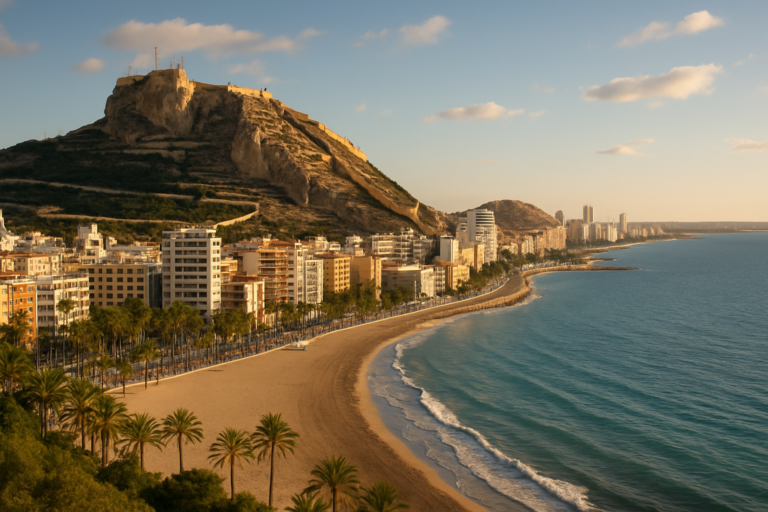
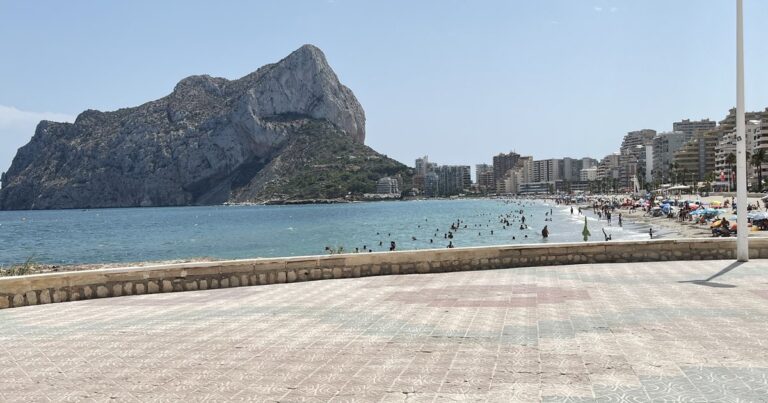
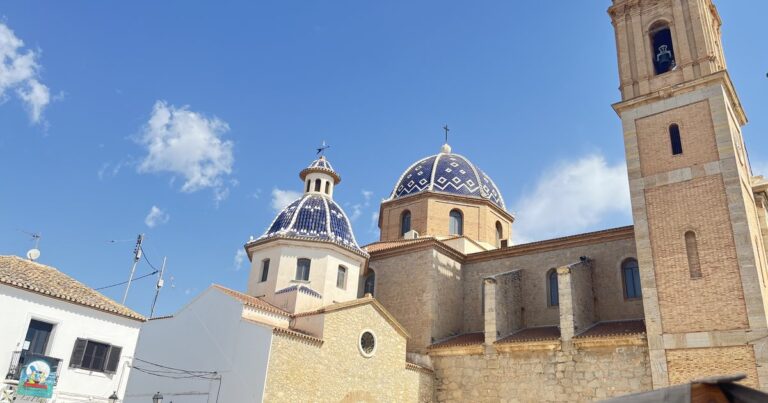
Nearby on the Costa Blanca
Pilar De La Horadada on the map
Places worth knowing near Pilar De La Horadada
How this page is maintained. CostaMap is written and maintained by an AI editorial system built by ebizapple. Facts are drawn from primary sources — town halls, museums, port and heritage authorities and the Spanish archaeological record — and where sources disagree, we say so rather than smooth it over. Photographs marked as ours are taken on location. This page was last reviewed on 15 August 2026. Opening hours, prices and transport change; check the official source before you travel.