
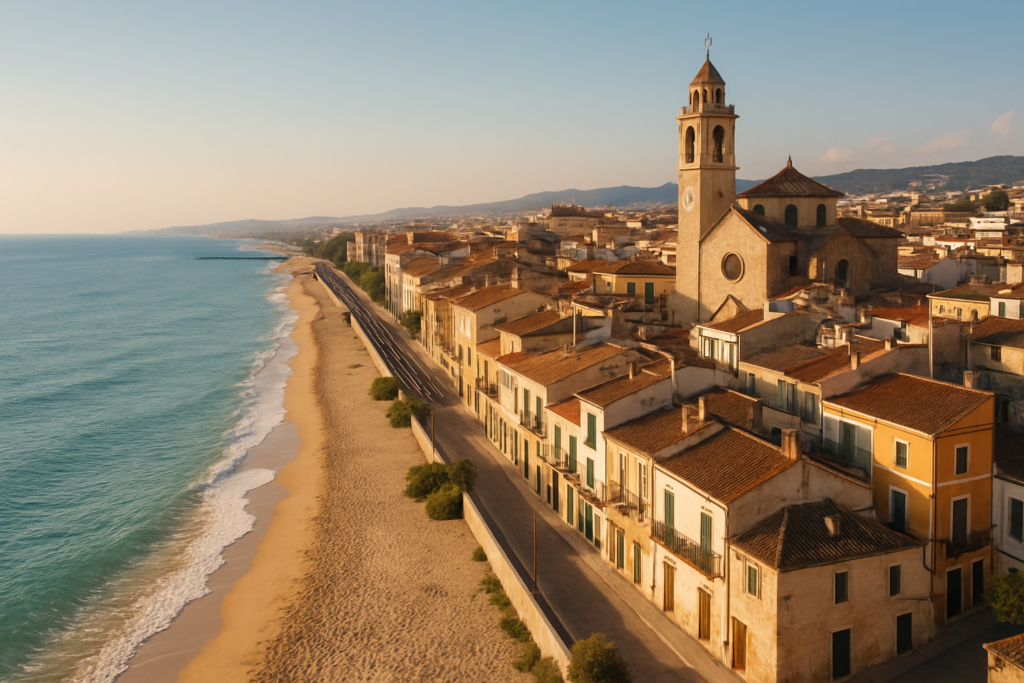
Expect a quietly refined Catalan coastal town where the rhythm is set by the sea, a commuter rail line and a handful of well-loved local traditions. This is not a flashing resort strip: it’s a Maresme beach town with a working harbour, Roman remains and a summer rhythm that can get busy in August. If you want easy access to Barcelona by train, dependable beaches and simple local charm, this will deliver — but don’t come expecting a flashy Mediterranean metropolis.
Premià de Mar at a glance
- Language: Catalan is the primary language; services are visitor-friendly.
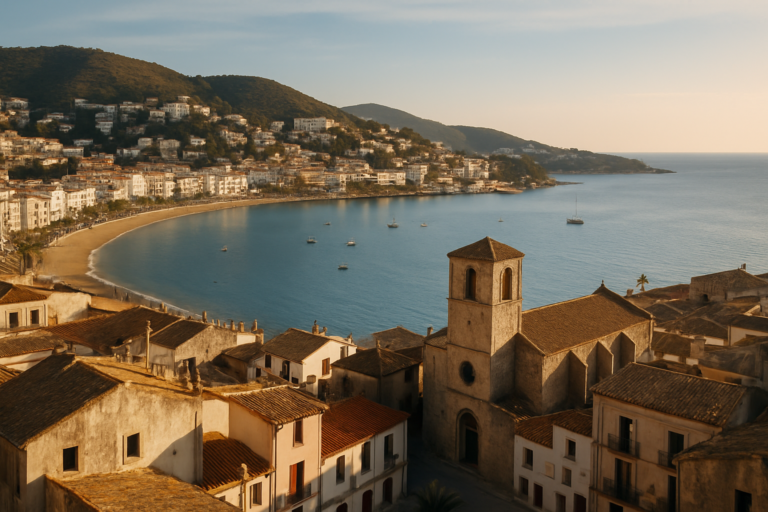
- Location: classic Maresme beach town about 20 km north of Barcelona, squeezed between coast and the Serra de Marina hills.
- Transport: Rodalies R1 from Barcelona reaches the station in roughly 30 minutes; the station sits right by the beach.
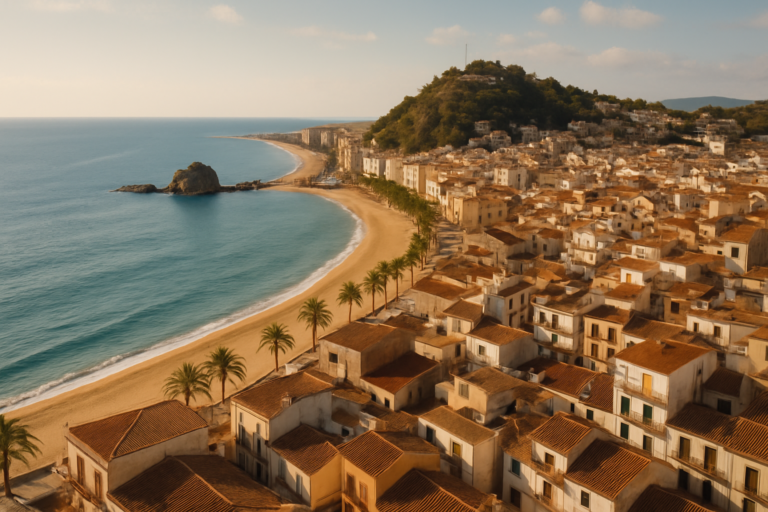
- Beaches: long sandy shore with Blue Flag beaches (Ponent and Bellamar) and seasonal chiringuitos.
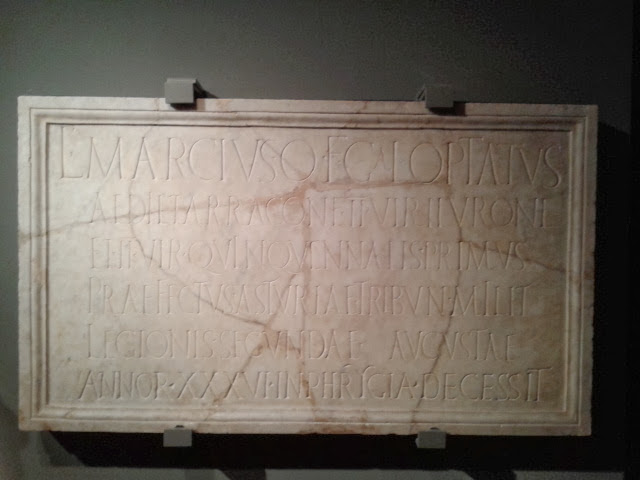
- Heritage: a Roman wine-villa (Can Ferrerons) is on display at the local Roman museum.
- Local flavour: fishing-harbour restaurants, terracotta craft and an annual Festa Major in July (Sant Cristòfol).
Before you plan
There are no verified claims in the sources that any major attraction is closed or under redevelopment. The town’s museum presents the Roman villa on site; beaches operate seasonally with chiringuitos open mainly in summer. Always check seasonal opening patterns (July–August peak) before booking specific services.
Things to do in Premià de Mar
Primary draws here mix beach time, simple coastal walking and a compact dose of local history. Use the train for fast daytrips to Barcelona, cycle the coastal path between towns, take a low-key meal near the harbour and slot in the small but unusual Roman site. Below are the most visit-worthy items compacted for planning.
| Attraction | What it is | Price/entry | Best for |
|---|---|---|---|
| Museu Romà de Premià de Mar (Can Ferrerons) | Roman villa with a rare octagonal structure and wine-production remains | — | history buffs, archaeology |
| Ponent & Bellamar beaches | Long sandy beaches with Blue Flag status and seasonal beach bars | — | swimmers, families, sunbathers |
| Coastal promenade / camí de ronda (via verda) | Seaside walking and cycling link between Maresme towns | free | cyclists, walkers, day-trippers |
| Harbour restaurants | Working-fishing-port eateries serving local fish dishes like suquet de peix | — | food lovers, seafood fans |
| Festa Major de Sant Cristòfol | Local summer festival in July with traditional celebrations | — | culture seekers, families |
Can Ferrerons and the Roman museum
The town’s small archaeological display centers on a Roman villa whose industrial-scale wine production ties the place to Maresme’s historic role as a vineyard and fruit zone. The villa includes an unusual octagonal element — a distinct structural detail that makes this site stand out among minor Roman remains along the Catalan coast. You don’t need a full day for the museum; allot an hour to absorb the exhibits and to connect them to the region’s long agricultural narrative.
The shoreline and promenade
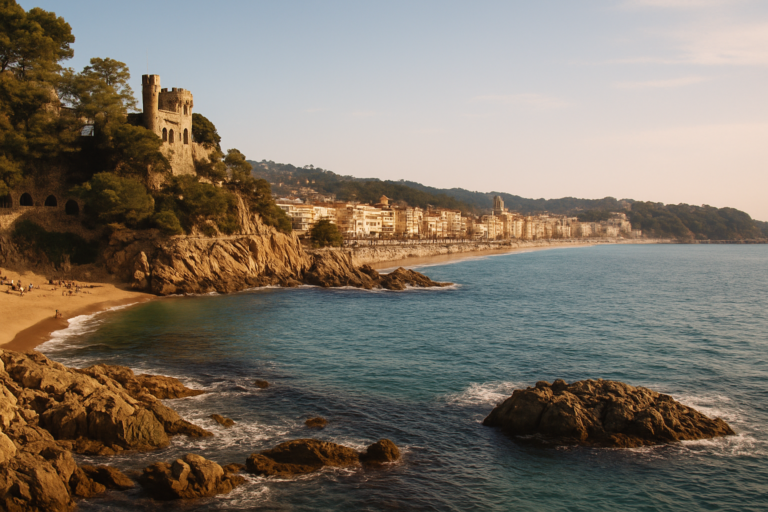
The long sandy strand is the everyday centre in summer. Two named stretches — Ponent and Bellamar — carry Blue Flag recognition, and seasonal chiringuitos operate on the sand. A promenade and the coastal walking/cycling route knit the Maresme towns together; it’s an easy, level way to ride or stroll to neighbouring beaches without using the car.
Harbour dining and local flavours
Fishing remains a living tradition here: harbour-side restaurants focus on fresh fish and regional recipes. Suquet de peix, a Catalan fish stew, is a representative specialty you’ll find on menus. Dining near the working port gives a different, quieter seaside experience than the busier beachside chiringuitos.
Best beaches in the area
The shoreline is the town’s main lure: long, sandy, and divided into stretches that absorb the summer crowds. If peace is your priority, time your visit for the shoulder months when the sands are quieter.
| Beach | Character | Facilities / Blue Flag |
|---|---|---|
| Ponent | Long, sandy, popular with families and sunbathers | Blue Flag; seasonal chiringuitos |
| Bellamar | Equally extensive sand with a relaxed local vibe | Blue Flag; seasonal chiringuitos |
The town with kids
Families will find simple pleasures here: safe, long beaches, easy train access from Barcelona and flat promenades for scooters and bikes. The shoreline and the promenade are well suited to small children; the Blue Flag beaches usually mean lifeguard coverage in season and basic services. Small local museums with short exhibits are better suited to short attentions spans than day-long itineraries.
How to get to the town and get around
Getting here is straightforward by regional rail. The Rodalies R1 suburban line runs the coast and stops at the station adjacent to the beach, making day trips from Barcelona quick and convenient. Once in town, most highlights are walkable — the beach, promenade and harbour are compactly arranged. For trips between nearby Maresme towns, the coastal cycling/walking path is a practical alternative to driving.
| From | By | Approx time |
|---|---|---|
| Barcelona (city) | Rodalies R1 train | About 30 minutes |
Where to stay
Accommodation choices cluster around a few clear preferences rather than discrete neighbourhoods:
- Beachfront / promenade — ideal if you want immediate sea access and evening strolls along the sand.
- Near the station — practical for commuters and daytrippers who prioritise fast rail links to Barcelona.
- Close to the harbour/old town — quieter, more local-feeling streets and easier access to seafood restaurants.
Best time to visit
The town operates on a summer cycle: peak beach activity concentrates in August while June and September offer swimming with fewer crowds. If you want festival atmosphere, plan for July when the Festa Major takes place; otherwise choose the shoulder months for milder conditions and easier local logistics.
| Season | Months | What to expect |
|---|---|---|
| Summer (peak) | July–August | Busy beaches, chiringuitos open, Festa Major in July |
| Shoulder | June & September | Good swimming, fewer crowds — recommended for beachgoers who want space |
| Off-season | October–May | Quieter town; many seasonal beach services reduced |
History of the area
This stretch of the Maresme has a layered past: a Roman estate in the area produced wine at scale, leaving remains that now anchor the local Roman museum. Over centuries the coastline linked maritime life with agriculture; the surrounding comarca is historically known for vineyards and strawberries. That mix of naval and field economies shaped the town’s cultural identity, reflected today in local festivals and artisanal crafts such as terracotta.
Practical info
- Language and services: Catalan is the main language in daily life; the town is well set up for visitors and generally easy to navigate for those who speak Spanish or English.
- Transport hubs: the rail station sits adjacent to the beach, making arrivals and departures straightforward for rail travellers.
- Beaches and seasonality: the main beaches have Blue Flag recognition; expect seasonal beach-bar service concentrated in the summer months.
- Local identity: the area retains an active fishing tradition — choose harbour restaurants for fresh seafood and local fish dishes.
Worth it for: day-trippers from Barcelona, beach-focused stays that want calmer sands than the city, archaeology fans wanting a compact Roman site and travellers who appreciate simple Catalan coastal life. Less so if: you need a lively nightlife hub or luxury-resort amenities — this is a modest, practical Maresme town rather than a glossy destination resort.
How we assess this guide
This guide synthesises regional, historical and practical claims cross-checked against local sources. We flag seasonal services and festival timing, and we avoid presenting unverified opening times or prices. We do not claim in-person field reporting for every detail; instead, we consolidate confirmed facts so you can plan with realistic expectations and fewer surprises.
Frequently asked questions
How do I get to the town from Barcelona?
Take the Rodalies R1 suburban train north along the coast. The journey from Barcelona takes about 30 minutes and the station is positioned right by the beach for easy access.
Is it expensive to visit?
There are no verified, specific cost figures in the source material. The town is in an affluent, well-served part of the Maresme and offers a range of dining and accommodation options; local harbour restaurants provide seafood-focused menus.
Which beach is best for families?
Ponent and Bellamar are the principal long sandy beaches; both carry Blue Flag recognition and are popular with families for their expanses of sand and seasonal services.
How many days do I need?
One to two days cover the essentials: a relaxed beach day, a short visit to the Roman museum and a stroll along the promenade or harbour. Use the town as a base for longer explorations of the Maresme or a daytrip to Barcelona.
Is the town good for families?
Yes. The combination of safe beaches, a compact layout and easy train access makes it family-friendly, particularly in shoulder months when crowds thin.
Can I get around without a car?
Absolutely. The rail link to Barcelona and the compact local layout make walking, cycling and public transport practical ways to move around. The coastal cycling/walking path connects neighbouring towns.
Is there convenient parking if I drive?
The sources do not provide specific parking locations or costs. Given the town’s commuter nature and beach access, expect parking options near the station and beach, with peak-season demand on busy summer days.
What are good rainy-day options?
The main indoor cultural option highlighted is the small Roman museum showcasing the Can Ferrerons villa. Other rainy-day activities would generally be indoor dining or short museum visits in nearby Maresme towns.
When is the best time to visit for swimming?
June and September are recommended for bathing with fewer crowds than the August peak; beach services are typically most active in July and August.
Are there any local festivals I should know about?
The town celebrates Festa Major de Sant Cristòfol in July, a central part of local summer festivities.
What local foods should I try?
Seek out fish-based dishes at harbour restaurants — suquet de peix (a Catalan fish stew) is a regional specialty to order where available.
Will I get confused between nearby places?
Take care when booking: the coastal town is Premià de Mar and should not be confused with Premià de Dalt, which lies up on the hills. Check addresses carefully to ensure you book the seaside location.
Is the Roman site significant?
The Can Ferrerons villa is notable locally for its well-preserved remains and especially for an uncommon octagonal structural element. It provides a compact but meaningful glimpse into Roman-era agriculture and wine production in the Maresme.
Can I cycle to neighbouring towns?
Yes. A cycling and walking coastal route (via verda / camí de ronda) links the Maresme towns and offers a convenient non-motorised way to travel between beaches and settlements.
Are the beaches monitored for safety?
The beaches hold Blue Flag designations for the named stretches, which indicates a standard of beach management and facilities; lifeguard coverage is commonly in place during the peak season.
Plan the wider trip
- Argentona: Maresme spring-water town near Mataró
- Arenys de Mar
- Breda: Pottery and Monastery Village
- Alella
- Pineda de Mar
- Tordera
Nearby on the Costa Brava
Premia De Mar on the map
Places worth knowing near Premia De Mar
This place is part of our Costa Brava Guide: Coves, Cadaqués, Girona and the Wild Coast — see every town, beach and cove we have mapped on that coast.
How this page is maintained. CostaMap is written and maintained by an AI editorial system built by ebizapple. Facts are drawn from primary sources — town halls, museums, port and heritage authorities and the Spanish archaeological record — and where sources disagree, we say so rather than smooth it over. Photographs marked as ours are taken on location. This page was last reviewed on 15 August 2026. Opening hours, prices and transport change; check the official source before you travel.