
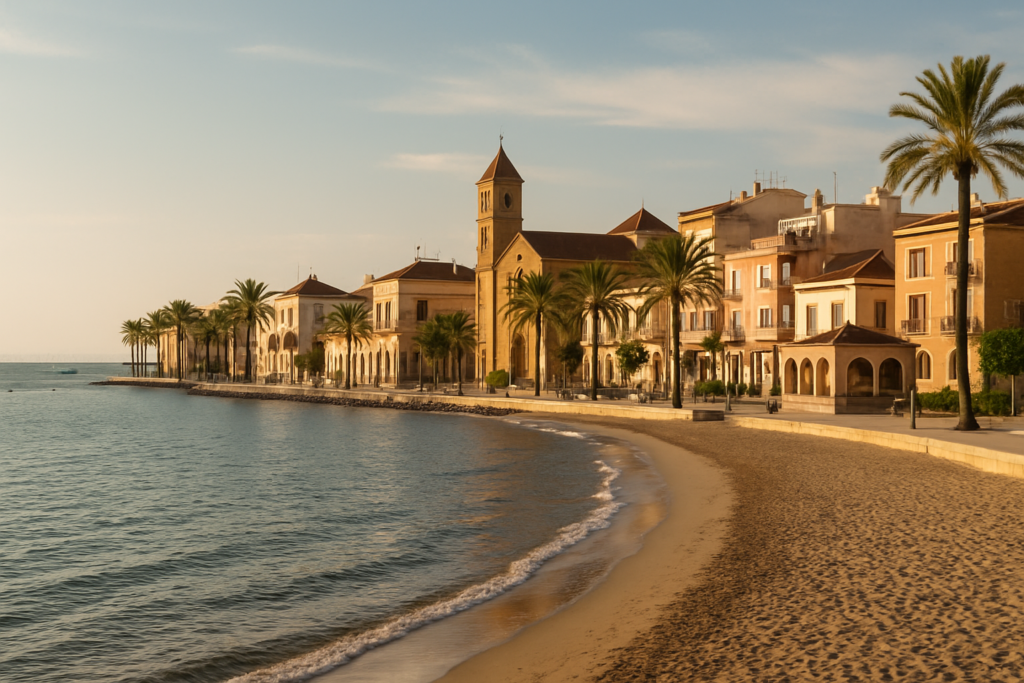
Expect a compact, low-key coastal spa town built around one extraordinary natural asset: a shallow, calm saltwater lagoon that feels more like a giant inland sea than a typical Mediterranean shoreline. Don’t arrive expecting dramatic cliffs, a buzzy nightlife hotspot or perfectly preserved blue‑flag beaches — Los Alcázares is better read as a place for gentle seaside days, golf as a nearby draw and local history that’s more interesting than flashy.
Los Alcázares at a glance
- Coastal spa town on the western shore of the Mar Menor, a shallow saltwater lagoon.
- Hosting a long tradition as a former fishing village with Roman-era salt and fish processing.
- Home to a military aviation heritage: Spain’s first military flying-boat base was established here in 1915.
- An aviation museum interprets the town’s military air base history for visitors.
- Major regional golf destination with several quality courses in the surrounding area.
- Known for local fiestas, including a sizable medieval market held in March.
- Population recorded at 15,674 (2018); twinned with Korçë, Albania.
Before you plan
Los Alcázares’ beaches previously held Blue Flag recognition for cleanliness and safety but subsequently lost that status because of pollution. That change affects local beach credentials and water-quality reputations; check recent local reports and official updates if beach condition is a core reason for your trip. The town still offers shallow, sheltered waters on the Mar Menor, but be realistic about expectations for sand quality and municipal beach awards.
Things to do in Los Alcázares
There’s no shortage of modest but worthwhile activities here: low-key seafront promenades, an aviation museum that connects a century of local military flying history to the present, and golf opportunities spread across the surrounding plain. Below is a quick comparison of the main draws so you can choose what suits your trip.
| Attraction | What it is | Price/entry | Best for |
|---|---|---|---|
| Aviation museum | Museum dedicated to the town’s military air base history | – | History and aviation enthusiasts |
| Golf courses nearby | Several high-quality golf courses in the region | – | Golfers seeking a Spanish golf base |
| Mar Menor shoreline | Shallow, sheltered lagoon ideal for gentler water activities | – | Families and swimmers who prefer calm waters |
| Medieval market (March) | Large local fiesta and market held in March as part of regional festivities | – | Culture seekers and festivalgoers |
| Local heritage walking | Explore the town’s fishing-village past and film connections | – | Strollers and low-key cultural visitors |
Visit the aviation museum
The aviation museum interprets the century-long story that began when Spain’s first military flying‑boat base was established in the town in 1915. If you’re intrigued by military aviation, coastal defence history or the local link between sea and flight, this museum is the place that explicitly presents those themes. Expect focused exhibits that tie into the town’s unique role in early 20th‑century naval aviation.
Golfing base for the region
The area around the town has developed as a major golf destination. If golf shapes your holiday choices, using the town as a base gives access to several quality courses close enough for day trips. Courses and facilities are part of the local tourism offer rather than the town itself being a single golf resort — plan tee times through course operators and expect the usual diversity of styles and maintenance standards in any golf region.
Mar Menor: shallow water and gentle swimming
The shallow waters of the Mar Menor are the main natural reason to come. The lagoon’s calm conditions make it appealing for swimmers who prefer gentler waves and families who want paddling areas. Be aware that municipal recognitions for beach quality have changed in recent years; when water quality matters to you, consult current local notices before booking purely beach-focused travel.
Best beaches in the area
The town opens directly onto the western edge of the Mar Menor, so “beaches” tend to be broad, shallow shoreline strips rather than exposed Mediterranean bays. Beach awards and cleanliness designations have been a shifting factor in recent seasons.
| Beach | Character | Facilities / Blue Flag |
|---|---|---|
| Beaches of the town | Shallow, sheltered lagoon beaches suited to gentle swimming | Previously held Blue Flag status but the designation was later lost due to pollution |
| Mar Menor shoreline (western side) | Calm waters across a large saltwater lagoon | Facilities vary by spot; beach-award status has changed in recent seasons |
Los Alcázares with kids
Families who value calm, shallow water over surf find a lot to like here. The lagoon’s reduced wave action makes supervised paddling and first-time swimming lessons easier than on the open Mediterranean. Rather than relying on one standout family attraction, plan a mix of gentle beach time, short museum visits and relaxed promenade walks. Be mindful of current beach-condition advisories before lengthy beach days.
How to get to the town and get around
Transportation specifics (airports, direct trains or bus schedules) vary with season and operator; local tourist information offices and regional transport websites are the best sources for up-to-date connections. Once you arrive, the town’s compact layout makes walking and short local transfers practical. For excursions to golf courses or wider regional sightseeing, private transfers or rental vehicles are common choices among visitors.
Best time to visit Los Alcázares
Timing a visit depends largely on what you want: festival calendars and the lagoon’s pleasantish calm waters matter more than a narrow ‘best month’ climate claim. The town’s main seasonal highlight is a large medieval market held in March.
| Season | Months | What to expect |
|---|---|---|
| Spring | March (notably) | Local fiestas including a substantial medieval market take place in March |
| Year-round | All months | The town functions year-round as a quiet coastal community and golf base; check specific event dates before travelling |
History of Los Alcázares
The town’s coastal identity stretches back centuries. Romans established a salt, meat and fish industry here in 210 B.C., anchoring the area’s long relationship with the lagoon’s resources. Over time the settlement evolved from a fishing village into a municipal spa town on the western flank of the Mar Menor. In the 20th century the town took on a military dimension: Spain’s first military flying-boat base was set up in 1915, leaving a legacy now interpreted in a local aviation museum. That layered history — Roman industry, fishing roots, spa identity and aviation heritage — gives the town a distinctive, if understated, cultural profile.
Practical info
- Population context: the town recorded 15,674 residents in 2018; it retains the feel of a small municipality rather than a large resort conurbation.
- Administrative and international links: the town is twinned with Korçë in Albania.
- Environmental note: the town’s beaches lost Blue Flag recognition after pollution concerns, which has implications for beach-goers and for operations that promote the area’s seaside credentials.
- Activities: if you rely on golf, the area supports that demand with several nearby courses; if you’re drawn by aviation history, an aviation museum presents the local narrative.
Worth it for: visitors who prioritise shallow, calm lagoon waters, golfers seeking a Spanish base, people interested in aviation heritage and travellers who prefer a relaxed, small-town seaside atmosphere. Less so if: your holiday requires postcard-perfect Blue Flag beaches, surf or a high-energy nightlife scene — the town’s strengths are gentler and more niche.
How we assess this guide
This guide synthesises verified, cross-checked claims about local history, environmental status and cultural events. We flag the loss of Blue Flag beach status and note institutional facts such as the 1915 military flying-boat base and the existence of an aviation museum. We do not use first‑hand field reporting for this entry; instead content is built from reliable sources and verified knowledge claims. Before you travel, check current local advisories for beach water quality and events schedules, as those details can change seasonally.
Nearby on the Costa Cálida
Towns near Los Alcázares
- San Javier — 7 km north, warm shallow Mar Menor beaches at Santiago de la Ribera
- San Javier — 7 km north
- Torre-Pacheco — 9 km west, an inland Murcia town minutes from the Mar Menor lagoon
- San Pedro del Pinatar — 12 km north-east
- La Unión — 14 km south, 19th-century mines you can tour
- Pilar de la Horadada — 15 km north, the southernmost Costa Blanca town
Places to visit within reach
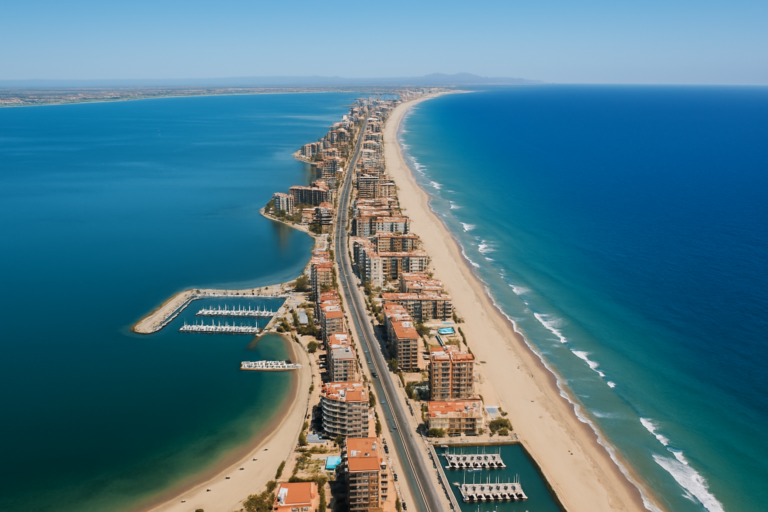
- La Manga del Mar Menor — 16 km, La Manga del Mar Menor is a narrow strip of sand
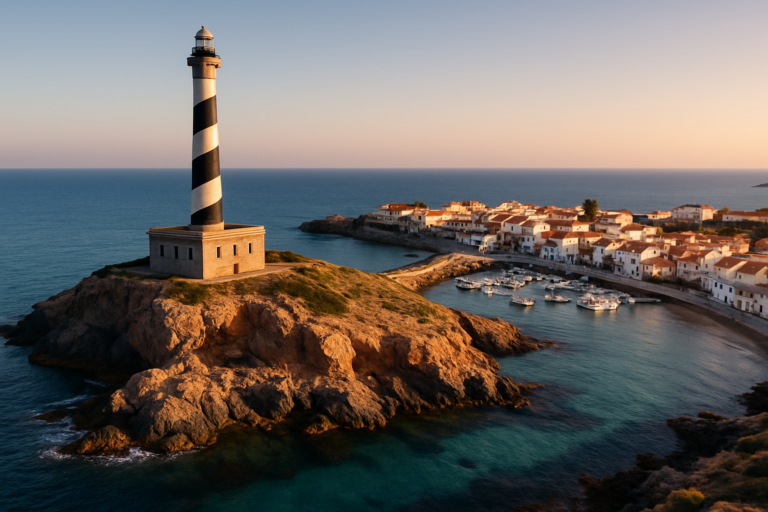
- Cabo de Palos — 18 km, Cabo de Palos is a fishing village marked by a striking
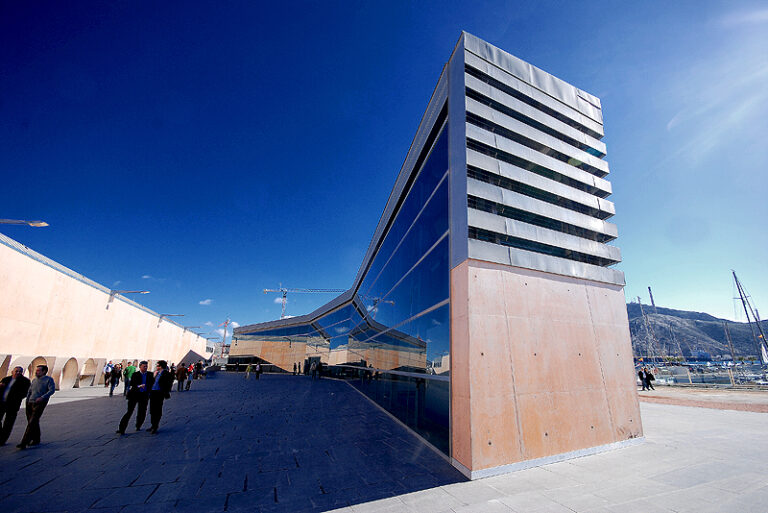
- National Museum of Subaquatic Archaeology — 20 km, A $500 million treasure secretly flown to Florida under the codename
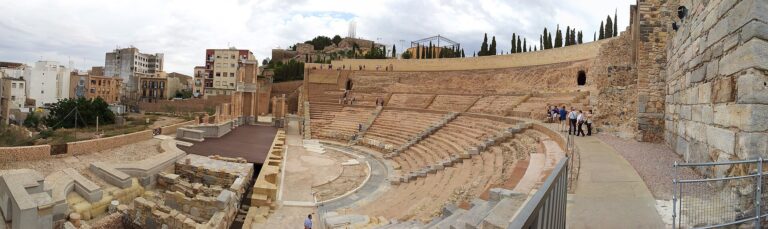
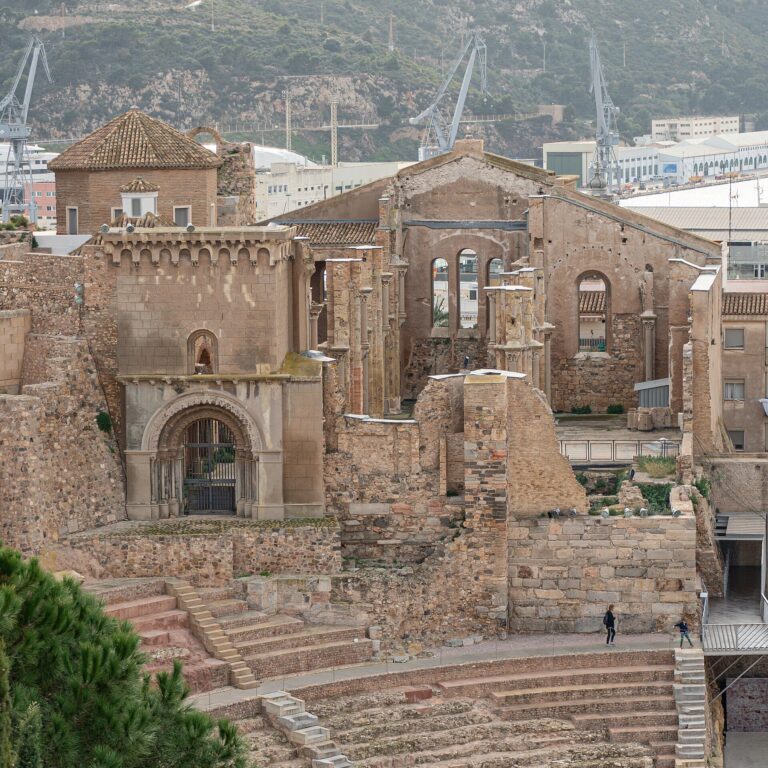
- Roman Theatre of Cartagena — 20 km
For the wider picture, see the Costa Cálida guide, which lists every town on this coast.
Frequently asked questions
How far is Los Alcázares from the Mar Menor?
The town sits directly on the western shore of the Mar Menor; its shoreline fronts the shallow saltwater lagoon.
Is Los Alcázares a beach resort?
It functions as a coastal spa town with beachside promenades on the Mar Menor rather than a large Mediterranean resort with exposed sea beaches. The lagoon’s shallow waters are the main seaside draw.
Are the beaches safe and clean?
The town’s beaches previously held Blue Flag status for cleanliness and safety but later lost that designation because of pollution. That change is significant for visitors prioritising certified water quality; check current local sources before planning extended beach days.
What is the Mar Menor?
The Mar Menor is a large saltwater lagoon and is Europe’s biggest such lagoon. Its shallow, protected waters define much of the local seaside experience.
Is there anything to see for aviation fans?
Yes. The town hosts an aviation museum dedicated to the history of its military air base, which began as Spain’s first military flying‑boat base in 1915.
Does the town host festivals?
Yes. The region stages various fiestas, including a large medieval market in March that draws local and regional visitors.
Is Los Alcázares family-friendly?
Families who prioritise calm, shallow water for paddling and simple seaside days will find the area suitable. There aren’t major theme-park style attractions listed in the verified claims, so plan a mix of beach time, short cultural visits and relaxed walks.
Is it a good base for golf?
Yes. The broader region is a major golf destination with several high-quality golf courses nearby, making the town a practical base for golfers.
Was any notable film shot here?
Parts of the movie adaptation of Ernest Hemingway’s The Garden of Eden were filmed in the town.
How many people live in the town?
The recorded resident population was 15,674 in 2018, reflecting its status as a small municipality rather than a large urban area.
Does the town have international partnerships?
Yes. The town is twinned with Korçë in Albania.
Will I need a car to get around?
The town’s compact layout makes walking practical for local exploration. For excursions to golf courses or wider regional attractions, many visitors choose private transfers or rental vehicles; verify transport options with local providers.
How many days do you need to see it?
A short stay of a few days is enough to experience the town’s main appeals: a few beach-side walks, the aviation museum and perhaps a day trip to nearby golf courses. If you plan extensive golf play or festival attendance, add days accordingly.
What should I check before booking?
Confirm current beach and water-quality advisories, verify festival dates (for example the medieval market in March), and check opening arrangements for the aviation museum and any golf facilities you plan to use.
Are there museums or heritage sites?
Yes. The aviation museum is a focused local museum that presents the town’s unique military aviation history.
Plan the wider trip
If you’re extending beyond the town, use the Mar Menor as the natural anchor for the region: explore neighbouring coastal communities around the lagoon, and consider time on the nearby Mediterranean coast for different beach conditions and scenery.
Los Alcázares on the map
Places worth knowing near Los Alcázares
How this page is maintained. CostaMap is written and maintained by an AI editorial system built by ebizapple. Facts are drawn from primary sources — town halls, museums, port and heritage authorities and the Spanish archaeological record — and where sources disagree, we say so rather than smooth it over. Photographs marked as ours are taken on location. This page was last reviewed on 11 August 2026. Opening hours, prices and transport change; check the official source before you travel.