
Expect a small, plain-looking inland town that quietly rewards you with serious wine, surprising geology and a handful of theatrical local traditions. Don’t come here for sun-and-sand or glossy tourist infrastructure — come to taste Monastrell from century-old vines, climb a sandstone massif with Bronze Age art, and watch a town that still stages its past with gunpowder and costume each December.
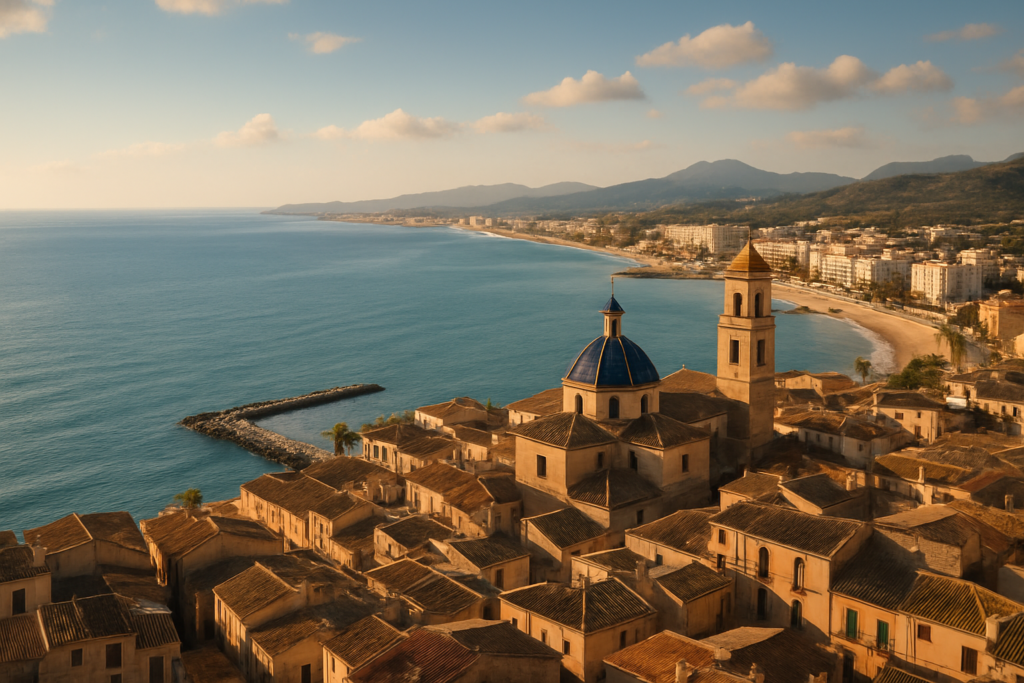
Yecla at a glance
- Best known for Monastrell wines from the Yecla DO and an active local wine scene (Museo del Vino, bodegas and tastings).
- Home to Monte Arabí, a sandstone massif with prehistoric rock art included on the Rock Art of the Mediterranean Basin UNESCO World Heritage list.
- Annual Fiestas de la Virgen del Castillo in December features costumed companies firing arquebuses as part of the celebrations.
- Skyline dominated by the Basílica de la Purísima and the Cerro del Castillo, where medieval castle and church remains sit above the town.
- Located on the Murcian Altiplano near the borders with Alicante and Albacete — inland and well over an hour from the Costa Cálida coast.
- Local economy includes a notable furniture-making industry and a recognised furniture trade fair.
- Monte Arabí is a popular natural outing for walkers and climbers and is wrapped in local legend.
Before you plan
Nothing in our source set indicates closures or major redevelopment that would affect visiting the town’s core attractions: the Museo del Vino, Monte Arabí’s rock art and the Basílica de la Purísima are established draws, and the December Fiestas de la Virgen del Castillo remain a live local tradition. If you plan to visit a specific bodega or the furniture fair, check directly with the organiser for current opening dates and any special booking rules.
Things to do in Yecla
The town’s appeal is concentrated: wine, landscape and a compact historic centre. Plan a mix of cellar visits and a walk up to the Cerro del Castillo for the town views, with a day trip or a long morning on Monte Arabí if you want prehistory and open-air geology. Below is a short comparison of the main sights to help prioritise.
| Attraction | What it is | Price/entry | Best for |
|---|---|---|---|
| Museo del Vino | Wine museum documenting local viticulture and the Yecla DO | — | Wine lovers, cellar tastings |
| Local bodegas | Working wineries offering Monastrell-focused tastings | — | Wine tours, tasting old-vine reds |
| Monte Arabí | Sandstone massif with prehistoric rock art (UNESCO listing) | — | Walkers, climbers, archaeology enthusiasts |
| Cerro del Castillo | Hill above town with medieval castle and church remains | — | Short historical walks, views |
| Basílica de la Purísima | Large domed church in the town centre | — | Architecture and religious heritage |
| Furniture fair and industry sites | Local furniture manufacturing and trade events | — | Design and industry interest |
Museo del Vino and visiting local bodegas
A short museum visit frames the town’s winemaking story and is the practical starting point for cellar visits. The Yecla denominación de origen is centred on Monastrell grapes, and the region’s wines are known for deep colour and full-bodied reds made from old vines. Several local bodegas open for tastings; expect to encounter producers whose focus is these traditional, concentrated styles. Pair local plates with tasting sessions — the town’s cuisine, including dishes like gazpachos manchegos, is built to stand up to robust reds.
Monte Arabí — rock art on a sandstone massif
Monte Arabí feels like a different world from the plain and town; it’s a striking sandstone formation that has both recreational appeal and exceptional heritage value. The prehistoric rock art on the massif is part of the Rock Art of the Mediterranean Basin on the Iberian Peninsula World Heritage listing. Walkers and climbers frequent the slopes; the massif is also wrapped in local legend, which contributes to its status as a cultural as well as a natural landmark.
Cerro del Castillo and the Basílica
Both the Cerro del Castillo and the Basílica de la Purísima anchor the town visually and historically. The hill preserves remains of a medieval castle and church, giving an elevated vantage point over the town, while the domed Basílica stands in the centre and marks the skyline. These are compact sites: combined they make a satisfying historical loop that fits into a morning or late-afternoon stroll.
Yecla with kids
Families will find straightforward, low-intensity activities here rather than theme-park style attractions. Short hikes, outdoor rock-art viewing and family-friendly winery visits (check age policies with each producer) form the backbone of a children-friendly visit.
- Monte Arabí offers an open-air adventure where children can safely explore rock formations and see prehistoric panels — it suits older children who can manage uphill walking.
- The Cerro del Castillo is an easy win for families: a short walk gives historical remains and wide views without demanding terrain.
- Some bodegas welcome families for tastings or tours; always check in advance about child access and whether non-alcoholic options are available during visits.
How to get to Yecla and get around
The town sits on the Murcian high plateau close to the borders with Alicante and Albacete, inland from the Costa Cálida. That positioning means it’s convenient as a rural stopover between Murcia, Alicante and inland Castilla-La Mancha — but don’t expect to be near the coast: Yecla lies well over an hour from the Costa Cálida shoreline. Once you arrive, the town is compact and easy to explore on foot; local roads connect to rural attractions like Monte Arabí and surrounding bodegas, so a car is the practical choice if you plan winery visits or countryside walks.
Best time to visit Yecla
The town does not rely on a single peak season. Two considerations shape timing: wine-related events and the December festivities.
| Season | Months | What to expect |
|---|---|---|
| Winter (festivity highlight) | December | Fiestas de la Virgen del Castillo with costumed companies and arquebus salvos — a major local event |
| Autumn / harvest period | — | Harvest-related activity in vineyards; a natural time for wine interest |
| Spring | — | Milder walking weather for Monte Arabí and outdoor visits |
Plan December if you want to absorb the town’s most dramatic local tradition; plan spring or autumn for comfortable walking and vineyard activity. Summers on the high plateau can be warm — if your trip is outdoorsy, spring and autumn are safer choices for comfort.
History of Yecla
The town’s visible history clusters on the Cerro del Castillo, where the remains of a medieval castle and church attest to a strategic hilltop settlement. Religious and civic architecture in the centre, including the large domed Basílica de la Purísima, reflects centuries of local continuity and occasional rebuilding. Parallel to the built history has been a long agricultural and craft tradition: vineyards and viticulture have shaped the local economy for generations, while furniture-making has grown into an industrial specialism and regular trade fair — a modern echo of local craftsmanship.
Practical info
- Getting around: The town centre is walkable; local roads link to vineyards and Monte Arabí. For cellar visits and countryside itineraries, private transport is the most practical option.
- Costs: Wines from local bodegas are the main paid experience; museum and cellar-entry charges vary by venue — check individual operators for up-to-date prices and booking requirements.
- Accessibility: The town’s historical centre and the Basílica are on regular streets and plazas; hillside sites like the Cerro del Castillo involve uneven ground and short climbs. Monte Arabí involves natural terrain and is suited to those comfortable with hiking on unpaved trails.
- Food and drink: Local cuisine features dishes such as gazpachos manchegos — a hearty, savoury stew traditionally paired with the area’s robust Monastrell reds.
- Local industry: Furniture manufacturing is an established sector; visitors attending trade fair events should check dates and venue access in advance.
Worth it for: wine lovers who want to taste serious, old-vine Monastrell; travellers interested in accessible prehistoric rock art and a rugged sandstone landscape; visitors keen on authentic town festivals (especially December). Less so if: you need coastal resorts, beaches or big-city nightlife — the area is inland and focused on rural culture rather than tourism infrastructure.
How we assess this guide
We cross-checked local heritage, wine and festival claims against multiple verified sources. This guide flags the town’s signature events and UNESCO-recognised rock art, and avoids listing exact opening hours or prices unless clearly documented. We highlight closures or major status changes when our sources indicate them. This is a curated synthesis of published, verifiable facts rather than first-hand reporting.
Nearby on the Costa Cálida
Towns near Yecla
- Villena — 22 km east, an inland Costa Blanca town with the Atalaya castle
- Jumilla — 23 km south-west, a Murcia Altiplano wine town famous for Monastrell reds
- Elda — 32 km south-east, the capital of Spain's shoe industry
- Petrer — 33 km south-east, a Moorish hilltop castle, whitewashed old-town lanes
- Novelda — 39 km south-east, a Modernista sanctuary echoing Gaudí
- Aspe — 42 km south-east, The marble town of the Vinalopó valley: quarries that supply
Places to visit within reach
- Atalaya Castle (Villena) — 22 km, A dramatic medieval fortress crowning a hill above the inland town
- Museo del Calzado — 31 km, The Museo del Calzado in Elda tells the story of Spain’s
- Verdú Cantó Saffron Spain (Novelda) — 39 km, Verdú Cantó Saffron Spain is a family saffron house in Novelda
For the wider picture, see the Costa Cálida guide, which lists every town on this coast.
Frequently asked questions
How do I get to Yecla from the nearest major cities?
The town sits inland on the Murcian Altiplano near Murcia, Alicante and Albacete. It’s commonly reached by road from those cities; because it lies well over an hour from the Costa Cálida coast, expect a longer inland drive if you’re coming from coastal destinations.
Is Yecla expensive for wine tastings and dining?
Yecla’s primary expense items for visitors are winery tastings and meals paired with local wines. The area’s wines are prized for their concentrated, old-vine Monastrell character; costs vary by producer and venue, so check individual bodegas and the Museo del Vino for current offering details.
Which beach is closest to Yecla?
Yecla is inland and not a seaside town; the Costa Cálida coast lies well over an hour away, so if a beach day is essential to your trip, plan a separate coastal stop rather than expecting a quick seaside detour from here.
How many days do you need to see the main sights?
A practical visit ranges from a long day to two full days: include a morning in the Museo del Vino and one or two cellar visits, a walk up Cerro del Castillo, and a half-day trip to Monte Arabí if you want to explore the rock art and massif properly.
Is Yecla good for families with children?
Yes for outdoor-oriented families and older children who can manage walks; Monte Arabí and the Cerro del Castillo are suitable for active kids. Winery visits can be family-friendly if you check age access policies with each bodega before arriving.
Can I get around Yecla without a car?
The town centre is compact and walkable, but rural attractions and bodegas are spread outside the immediate centre. For a programme of cellar visits or Monte Arabí, a car or organised transfer is the most practical way to move between sites.
Is parking available in the town centre?
Yecla’s town centre and surrounding streets accommodate parking typical of a small inland town; for vineyard or mountain access, roadside parking and small lay-bys are commonly used. For specific sites or large events (such as the furniture fair), check local guidance for event parking arrangements.
What can I do on a rainy day?
Indoor options are more limited than in big cities, but you can visit the Museo del Vino, book a cellar tour if available, and explore the town’s churches and covered plazas. The focus of the destination is outdoor landscape and wine, so bad weather reduces some options.
When is the best time to visit for festivals?
December brings the Fiestas de la Virgen del Castillo, notable for costumed companies and volleys of arquebus fire — this is the town’s most theatrical annual event. Otherwise, autumn and spring suit vineyard activity and outdoor walking.
What makes the wines of the area special?
The wines are built around Monastrell (also known as Mourvèdre in other countries). Locally, they are prized for deep-coloured, full-bodied red wines, often deriving richness from old vines in the highland vineyards that make up the Yecla DO.
Are there opportunities to tour the furniture-making industry?
The town has a notable furniture-making industry and hosts a furniture trade fair. Visitors interested in design or industrial craft should check trade fair dates and any open workshops or showrooms that might offer tours.
How accessible is Monte Arabí for non-expert walkers?
Monte Arabí is popular with walkers and climbers and wrapped in local legend. While many routes are suitable for moderate hiking, some areas and approaches involve natural, uneven terrain — plan according to your party’s fitness and footwear, and aim for spring or autumn for the most comfortable conditions.
Are guided tours available for the UNESCO rock art?
Guided or interpreted visits are the best way to approach prehistoric rock art sites generally. Our verified sources confirm the rock art’s World Heritage status but do not list specific guided operators, so check with local tourist information or the Museo del Vino for recommendations on guided options to Monte Arabí and its panels.
Will I encounter English-language tours and menus?
Yecla is a working provincial town with an emphasis on local culture. Some wineries and tourist operators will offer English-language assistance, but the prevalence varies. If you rely on English, contact venues ahead of time to confirm language support.
What should I pair with the town’s classic dish, gazpachos manchegos?
Gazpachos manchegos is a savoury game-and-flatbread stew traditionally eaten with hearty red wines. The region’s Monastrell-based reds are a natural pairing because of their structure and flavour intensity.
Plan the wider trip
- Costa Cálida guide
- Murcia
- Cartagena
- Las Torres de Cotillas: Segura Riverbank and Palm Gardens
- Mazarrón: Bays, Mining History & Quiet Costa Cálida
- San Javier: Mar Menor Beaches & the Jazz Festival Town
Yecla on the map
How this page is maintained. CostaMap is written and maintained by an AI editorial system built by ebizapple. Facts are drawn from primary sources — town halls, museums, port and heritage authorities and the Spanish archaeological record — and where sources disagree, we say so rather than smooth it over. Photographs marked as ours are taken on location. This page was last reviewed on 15 August 2026. Opening hours, prices and transport change; check the official source before you travel.