
Expect a compact inland town whose strengths are cultural texture and countryside access rather than beachside glamour. This is where centuries-old crafts, a hillside old quarter and one of Spain’s most intense Holy Week traditions meet palm groves and wetlands within easy reach of the Costa Blanca coast. If you come expecting a big tourist infrastructure, you’ll be disappointed; if you come for authentic regional heritage, birding and a slower, affordable base near Alicante and Elche, you’ll be rewarded.
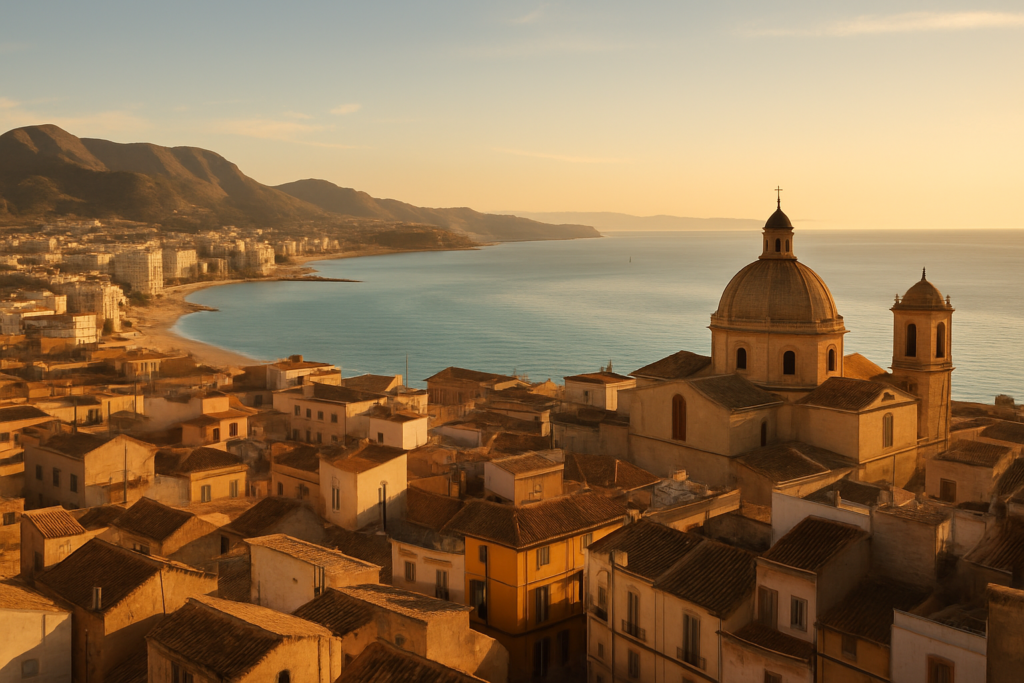
Crevillent at a glance
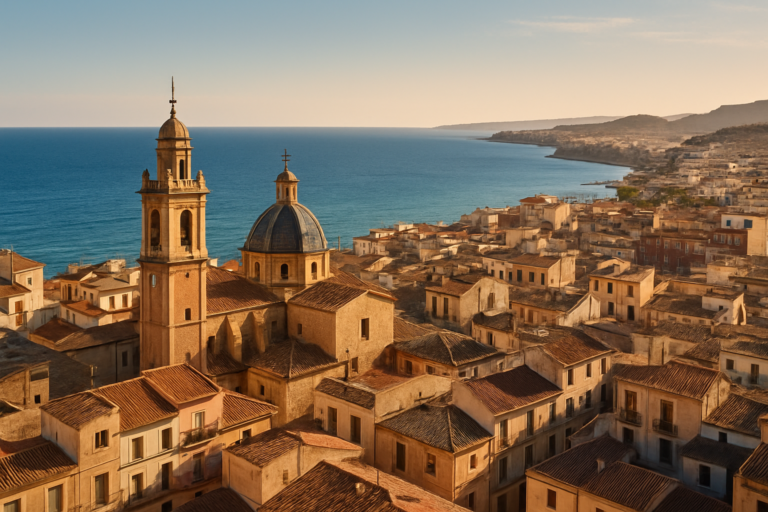
- Stepped, whitewashed old town climbing the Serra de Crevillent — compact and walkable.
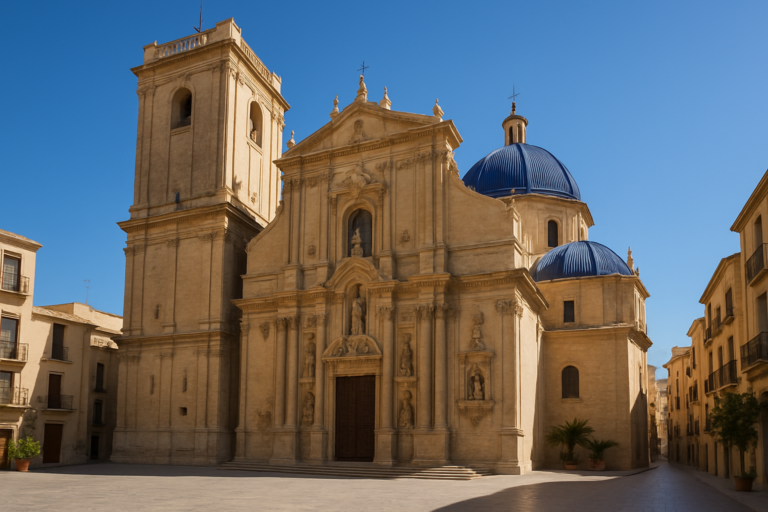
- Famous Semana Santa declared of International Tourist Interest; sculpture work by Mariano Benlliure is central to the processions.
- Longstanding rug- and carpet-weaving craft (alfombras and jarapas) remains a local industry.
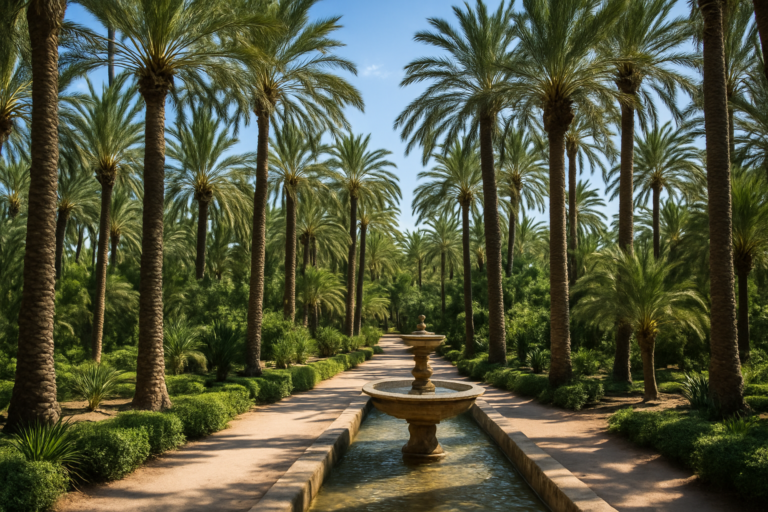
- Close to Elche (UNESCO palm grove) and the Costa Blanca beaches at Santa Pola and Guardamar del Segura.
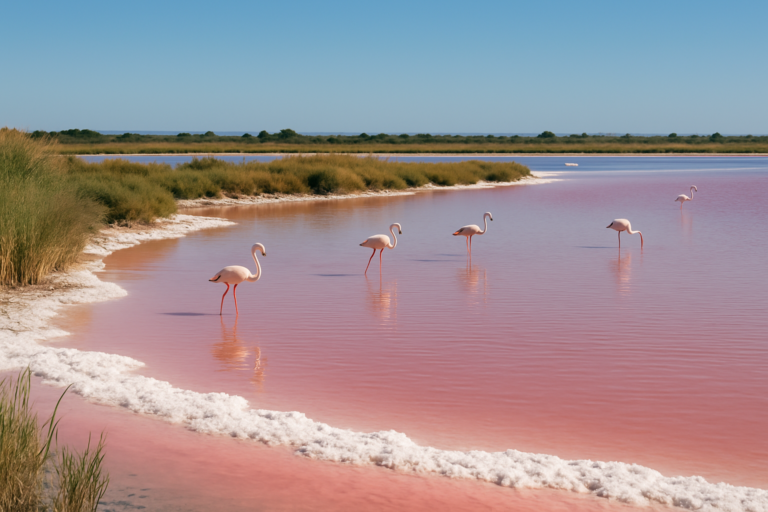
- Easy access to countryside recreation: the Sierra de Crevillent and El Hondo wetlands natural park for hiking and birdwatching.
- Cuisine follows Alicante and Vinalopó traditions: rice dishes, cold gazpachos and wines from nearby vineyards.
- An affordable inland base with a history of renewable-energy cooperatives.
Things to do in Crevillent
The town’s offer clusters into religious and craft heritage, a picturesque old town for easy wandering, and close-by nature for outdoors activities. Pick one or two cultural highlights and add a morning in the mountains or a wetlands birdwatching walk for contrast. The local food is classic Alicante/Vinalopó — rice, gazpacho and regional wines — which pairs well with slow afternoons in town.
| Attraction | What it is | Price/entry | Best for |
|---|---|---|---|
| Semana Santa museum | Museum displaying the religious sculptures central to the town’s Holy Week | – | Culture and religious art |
| Mariano Benlliure museum | Museum featuring sculpture work by the artist whose pieces appear in local processions | – | Art and sculpture enthusiasts |
| Sierra de Crevillent | Hillside and mountain trails suitable for hikes with town views | – | Hikers and photographers |
| El Hondo wetlands natural park | Protected wetlands offering birdwatching opportunities | – | Birdwatchers and nature lovers |
| Old town | Whitewashed, narrow stepped streets climbing the hillside | – | Strolling and local atmosphere |
Holy Week — the town’s defining event
The Semana Santa is the single cultural event most likely to draw people here. It’s been declared of International Tourist Interest and is renowned for its elaborate processions. The sculptures — many connected with the work of Mariano Benlliure — are the focus, and you’ll see them both in processions and preserved in local museums dedicated to the iconography and craft of the festivities. If your travel dates permit, plan around this period to witness one of the region’s most intense traditions.
Workshops, alfombras and local craft
A strong, centuries-old weaving tradition is still active in town: rug and carpet weaving (alfombras and jarapas) is a signature local industry. Look for small workshops and family-run makers who preserve older patterns and production techniques. These crafts are both an economic backbone and a way to connect with the town’s material culture; purchases support local artisans and make meaningful souvenirs.
Hiking the Serra and birdwatching at El Hondo
The Serra de Crevillent gives the town its stepped topography and provides nearby hiking options without long transfers. For lowland nature you have the El Hondo wetlands, a natural park well known for birdwatching. Together they make an easy two-pronged outdoors program: morning hill walks for views and an afternoon or half-day in the wetlands to look for waterfowl and waders.
Nearest beaches to Crevillent
Crevillent is inland, but the Costa Blanca coast is close enough for straightforward day trips to sandy beaches. The shoreline options are not inside the town — they require a short drive — and are best treated as a complement to history, food and countryside rather than the main reason to stay here.
| Beach | Character | Facilities / Notes |
|---|---|---|
| Santa Pola | Wide sandy beaches and a working coastal town atmosphere | Accessible from the inland base; popular with locals |
| Guardamar del Segura | Long sandy shoreline backed by dunes and pine-lined promenades | Close drive; good for classic Costa Blanca beach days |
The town with kids
Families can find a surprisingly varied program here without the price tag of coastal resorts. Museums with religious sculpture can be intriguing for older kids interested in history and art; outdoor options such as easy hikes in the Serra de Crevillent and the birdlife-rich El Hondo wetlands are excellent for younger children who like nature. Beaches at nearby coastal towns expand the choices into swimming and sand play for full-day outings.
How to get to Crevillent and get around
Crevillent makes a practical inland base because it sits between the larger centres of Elche and Alicante and is within short driving distance of Costa Blanca beaches. Visitors commonly combine a stay here with day trips to Elche — notable for its UNESCO palm grove and the Dama de Elche heritage — and to the coast. Once in the town, the core old quarter is compact and best explored on foot; countryside access points for the Serra and wetlands may require a short drive or local taxi to reach trailheads and park entrances.
Where to stay in Crevillent
Accommodation choices are modest compared with seaside resorts, but they cover practical needs for an affordable stay. Consider:
- The historic centre — best if you want immediate access to the stepped whitewashed streets, museums and local bars.
- The town edge or plains — practical if you’re driving and value easier parking and quicker access to the countryside and coastal roads.
- Using the town as a base for a multi-centre itinerary — stay here for affordability and local character, and day-trip to Elche, Alicante and the beaches.
Best time to visit
Timing depends on whether you prioritise festivals, milder weather for walking, or summer beach days on the nearby coast. The single most important calendar moment is Holy Week — those dates shift annually but typically fall in spring; if you want to experience the declared International Tourist Interest Semana Santa, plan for spring travel. For outdoor activities such as hiking and birdwatching, shoulder seasons are preferable to the peak-heat months on the coast.
| Season | Months | What to expect |
|---|---|---|
| Spring | March–May (spring dates include Semana Santa) | Semana Santa processions; pleasant conditions for hiking and birdwatching |
| Summer | June–August | Hotter weather; excellent for combining with nearby beaches |
| Autumn & Winter | September–February | Quieter town life; good for low-season exploration and rural walks |
History of the town
The town’s identity has long been shaped by three interlocking threads: craft, landscape and religious tradition. The stepped whitewashed old quarter climbs the Serra de Crevillent and reflects a settlement pattern adapted to hillside geography. Rug and carpet weaving — alfombras and jarapas — has been a continuous local industry for centuries, rooting the town in textile traditions. Religiously, the Semana Santa processions and their sculptural heritage, including work by Mariano Benlliure, have shaped civic life and made the festivities internationally recognised. More recently the locality became known for an early adoption of renewable-energy and electricity cooperatives, reflecting a forward-looking layer to its social and economic fabric.
Practical info
- Getting around on foot: The old town’s narrow, stepped streets are best explored on foot; wear sensible shoes for uneven pavements and stairways.
- Affordability: The town acts as an affordable inland base compared with coastal resorts, making it a sensible choice for travellers seeking value while keeping the coast and larger cities within easy reach.
- Connectivity: Proximity to Elche and Alicante means access to larger urban services and attractions; use the town as a quiet base for trips to the UNESCO palm grove in Elche and the provincial capital.
- Nature access: If you need birdwatching or hiking access, plan logistics for visits to the El Hondo wetlands and Sierra de Crevillent; these natural areas are local highlights but require basic planning for transport and timing.
- Local food and wine: Expect regional Alicante/Vinalopó dishes — rice specialties, gazpachos — and wines from nearby countryside producers as the culinary backbone of local dining.
Worth it for: travellers who value authentic regional culture, craft traditions, intense religious festivals, easy access to birdwatching and hill walking, and an affordable inland base near the Costa Blanca.
Less so if: you want a full-service beach resort, nightlife-focused seaside entertainment, or the convenience of a major tourist infrastructure focused on beach tourism.
How we assess this guide
Claims in this guide are cross-checked against multiple regional and cultural sources. We flag and avoid presenting closed sites as open; museum and festival details here reflect verified cultural attributions (for example, the presence of Mariano Benlliure sculptures and the museum focus on Semana Santa). This article draws on established facts about landscape, craft and heritage rather than first‑hand field reporting.
Frequently asked questions
How do I get to Crevillent from the nearest major city?
The town sits between Elche and Alicante, so travellers typically approach from those urban centres. Use Elche or Alicante as your gateway and continue by regional road links; the town’s inland location means a short onward transfer from these cities.
Is Crevillent expensive to visit?
No—Crevillent is generally an affordable inland base compared with coastal resorts on the Costa Blanca, making it a good option for value-focused travellers.
Which beach is best if I’m staying in town?
Both Santa Pola and Guardamar del Segura are straightforward coastal options for day trips from here. They offer classic sandy beaches and are commonly visited from the town as part of a mixed itinerary of culture and coast.
How many days do I need to see the highlights?
A long weekend allows time to see the main museums and wander the old town, plus a short hike or wetlands visit. Add extra days if you plan beach trips or multiple full-day nature excursions.
Is the town a good choice for families with children?
Yes. Museums and processional culture suit older children; the nearby Serra de Crevillent and El Hondo wetlands provide nature activities that play well with younger families. Beaches within short drives expand family-friendly options.
Can I get around without a car?
The historic centre is walkable, but accessing the Sierra and El Hondo wetlands is easier with a car or taxi for direct access to trailheads and park areas. For coast and regional day trips, plan transport in advance if you will not rent a vehicle.
Is parking difficult in the old town?
The old town’s narrow, stepped streets are best explored on foot; parking and vehicular access are typically easier on the town’s edges. If driving, expect to park outside the most compact historic lanes.
What are rainy-day options?
Spend time in the town’s museums, especially those focused on Semana Santa and the sculptural work tied to the processions, and visit small local workshops where weaving traditions are preserved.
When is Semana Santa and why visit then?
Semana Santa falls in spring (the exact dates vary each year) and is the town’s signature cultural moment, declared of International Tourist Interest. It showcases elaborate processions and sculptural works that are central to local identity.
What local food should I try?
Expect Alicante and Vinalopó regional dishes: rice-based specialities, cold gazpachos in warmer months, and local wines from the surrounding countryside.
Are there opportunities for birdwatching nearby?
Yes—the El Hondo wetlands natural park is a recognised spot for birdwatching close to town and ranks among the best regional options for observing waterfowl and wetland species.
Is Crevillent close to Elche’s UNESCO sites?
Yes. The town is close enough to Elche to make day trips feasible, including visits to Elche’s UNESCO-listed palm grove and the Dama de Elche heritage.
Does the town still produce traditional rugs and carpets?
Yes. Rug and carpet weaving (alfombras and jarapas) are long-standing local crafts and remain a signature industry in the town.
Is Crevillent involved in renewable energy?
Locally, the area is known for a tradition of renewable-energy and electricity cooperatives and was an early adopter of wind and solar power practices relative to the region.
Plan the wider trip
Nearby on the Costa Blanca
Crevillent on the map
Places worth knowing near Crevillent
This place is part of our Costa Blanca Guide: Benidorm, Calpe, Altea and the Best of Alicante — see every town, beach and cove we have mapped on that coast.
How this page is maintained. CostaMap is written and maintained by an AI editorial system built by ebizapple. Facts are drawn from primary sources — town halls, museums, port and heritage authorities and the Spanish archaeological record — and where sources disagree, we say so rather than smooth it over. Photographs marked as ours are taken on location. This page was last reviewed on 11 August 2026. Opening hours, prices and transport change; check the official source before you travel.