
Don’t arrive expecting a sun-and-sea resort: this is an inland Spanish town where a medieval castle, narrow whitewashed lanes and a working shoe industry shape most visitors’ impressions. If you want dramatic hilltop views, authentic local festivals and compact, walkable streets rather than beaches and strip resorts, the town will deliver. Read on to set realistic expectations—what’s memorable here is a sense of layered history and local life, not postcard perfection.
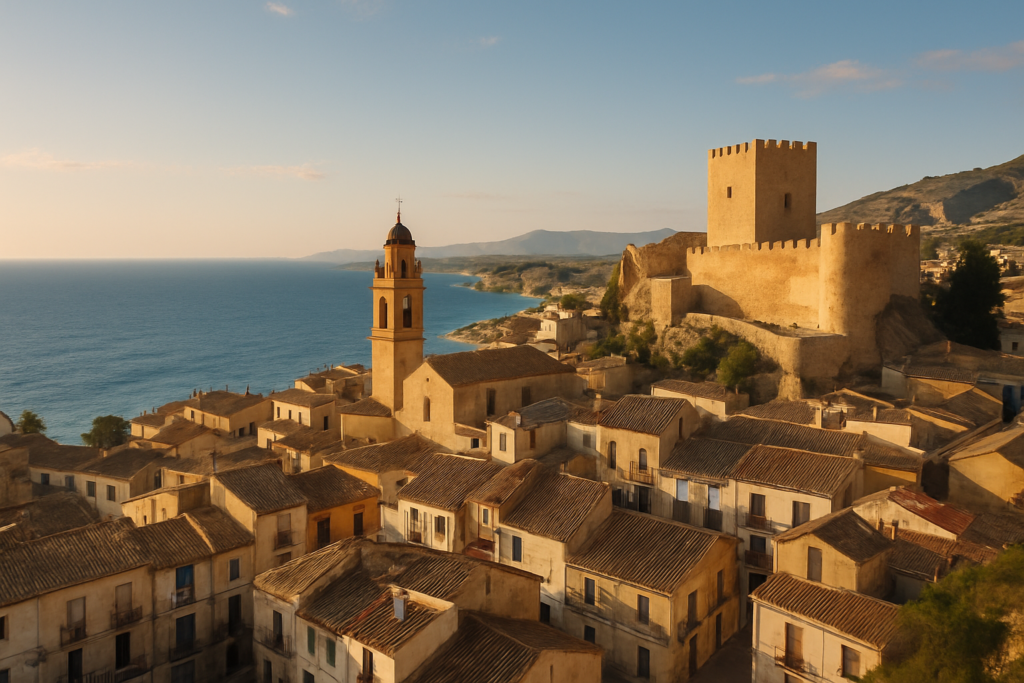
Petrer at a glance
- Location: inland on the Costa Blanca in the Vinalópo Mitjà valley, adjoining Elda.
- Getting there: linked by the A‑31 motorway and by Cercanías rail between Alicante and Villena.
- Climate: warm, dry Mediterranean typical of the Alicante interior.
- Top sights: Castell de Petrer, steep whitewashed old quarter, Church of Sant Bartomeu.
- Local culture: part of the historic Vinalópo footwear-manufacturing district; museums and workshops present the craft and industrial heritage.
- Outdoor options: hiking in the nearby Serra del Cid and El Fondó countryside.
- Annual highlight: the Moros y Cristianos festival each May—spectacular regional celebrations.
Before you plan
All attraction and festival notes in this guide reflect current, verified statuses where available. If you are timing a visit around the Moros y Cristianos celebrations, check local sources for exact May dates in the year you travel—festival dates move slightly and are the clearest exception where advance verification is essential.
Things to do in Petrer
Petrer’s appeal is concentrated: a castle above a compact, Islamic-patterned old town; a main parish church; small museums and workshops that explain the town’s industrial past; and countryside close enough for short hikes. Plan a half-day to a full day for the central sights, longer if you want to combine visits with neighbouring Elda or do extended walks into the surrounding sierras.
| Attraction | What it is | Price/entry | Best for |
|---|---|---|---|
| Castell de Petrer | Restored medieval hilltop castle of Islamic origin overlooking the old town | – | History lovers; panoramic photos |
| Old-town quarter | Steep, narrow whitewashed streets with a medina-like layout below the castle | – | Strolling; architecture and atmosphere |
| Church of Sant Bartomeu | Main parish church located in the old town | – | Religious architecture; local history |
| Shoe museums & workshops | Exhibits and working ateliers presenting Petrer’s footwear-manufacturing heritage | – | Industrial heritage; shopping for artisanal footwear (where available) |
| Moros y Cristianos festival | Annual May festival—elaborate parades and reenactments | – | Cultural events; photographers; visitors who like lively processions |
| Serra del Cid & El Fondó | Nearby countryside and hills offering trails and walks | – | Hikers; nature walks; quiet countryside |
Castell de Petrer: hilltop history and views
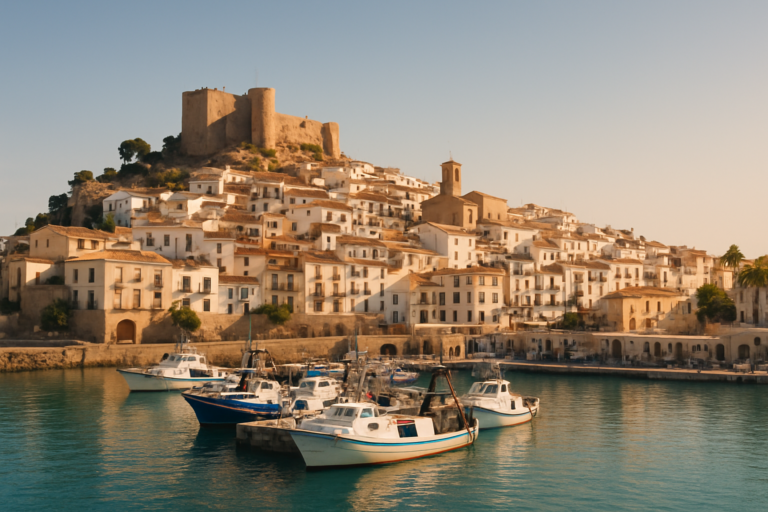
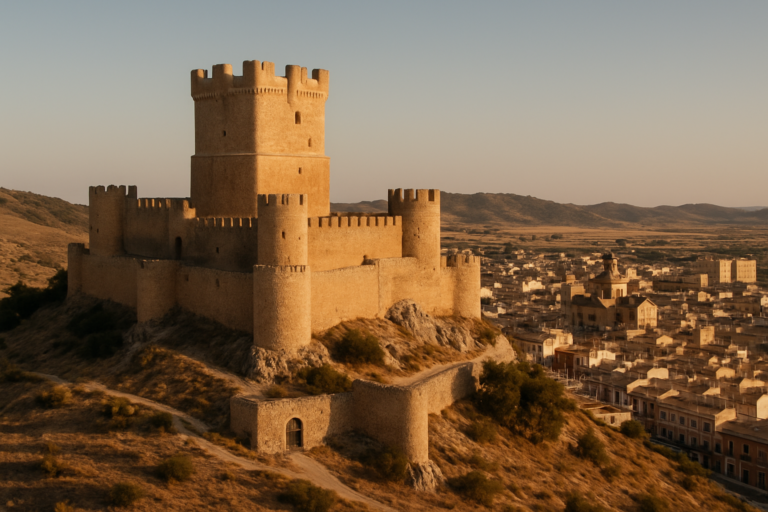
The castle crowns the town and is the single most dominant landmark. Of Islamic origin, the fortified complex was later restored and sits above the steep lanes of the old quarter. Visiting the castle gives a sense of the settlement’s defensive past and rewards walkers with broad views over the Vinalópo valley toward the surrounding sierras.
Strolling the old quarter and the Church of Sant Bartomeu
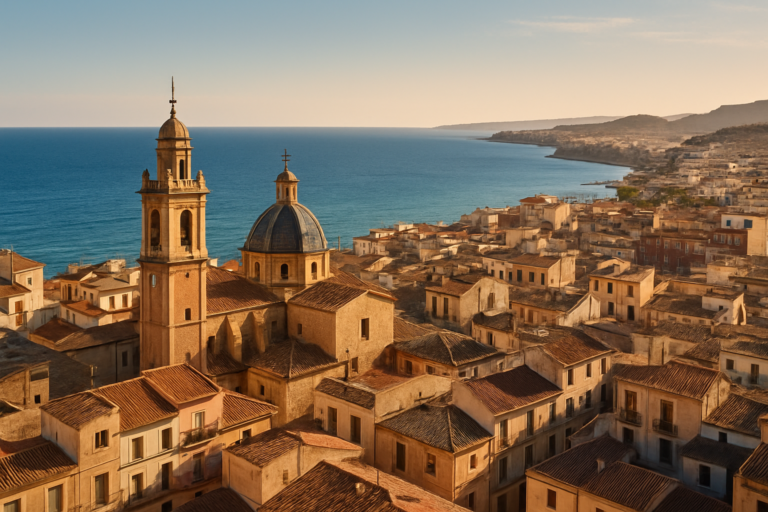
The compact historic quarter is one of Petrer’s strengths: whitewashed houses, narrow alleys that climb toward the castle, and an urban grain that preserves its medina-like layout. The Church of Sant Bartomeu is the principal parish church in this neighbourhood and functions as a focal point for local religious and social life—combine both sights for a coherent walk through the earliest layers of the town.
Footwear heritage: museums and workshops
Petrer sits within the Vinalópo footwear-manufacturing district, a region with a long industrial tradition in shoe production. Local museums and working workshops present this craft and industrial heritage—if you’re curious about how a local trade shaped the economy and culture, budget time to see displays and demonstrations where available.
Petrer with kids
Children usually enjoy the castle’s sense of adventure and the compactness of the old town—short, walkable routes make supervising easier than in sprawling cities. Festival days in May, when the Moros y Cristianos parades pass through, are high-energy family experiences, but they are crowded and loud so plan accordingly. Museums focused on footwear and local crafts can be engaging for older kids interested in how things are made.
How to get to Petrer and get around
Access is straightforward for an inland town: it sits along an important transport corridor on the Costa Blanca interior and forms a near-continuous urban area with neighbouring Elda. Once here, the compact historic core is best explored on foot; the castle and church are on narrow streets that are unsuitable for extended driving.
| From | By | Approx time |
|---|---|---|
| Alicante | Cercanías rail or A‑31 motorway | – |
| Villena | Cercanías rail | – |
Where to stay in the town
Accommodation choices will reflect two basic options: somewhere within the compact old quarter or in more modern parts of the town that merge with neighbouring Elda. Staying near the historic centre suits visitors prioritising morning and evening walks, medieval atmosphere and easy access to the castle and Church of Sant Bartomeu. Choosing a hotel or rental in the newer, flatter areas is more convenient for driving and for accessing the industrial district and transport links.
Best time to visit Petrer
Expect a warm, dry Mediterranean climate typical of the Alicante interior. That makes spring and autumn pleasant for walking and sightseeing; May in particular is notable for the town’s biggest cultural event, the Moros y Cristianos festival. Summers are hot and dry, suited to early-morning and late-evening outdoor activity but less comfortable for midday exploration.
| Season | Months | What to expect |
|---|---|---|
| Spring | March–May | Warm, dry days; May hosts the Moros y Cristianos festival |
| Summer | June–August | Hot and dry; best for early/late walks rather than midday sightseeing |
| Autumn | September–November | Warm early on, good for hiking and exploring without summer heat |
| Winter | December–February | Milder than inland interior uplands but cooler; quieter visitor numbers |
History of the area
Petrer’s urban layout and landmark castle reveal a deep layering of history. The hilltop Castell de Petrer traces back to Islamic origins, and the old-town pattern beneath it retains that medina-like street plan—narrow, winding lanes arranged for defence and shade. The town sits in the Vinalópo valley, a historic inland route from Alicante toward the Meseta, which helped shape its development over centuries. In more recent times, the Vinalópo district’s emphasis on footwear manufacturing created an industrial identity that persists in local museums and workshops.
Practical info
- Transport connections: Petrer is connected to the regional road network via the A‑31 motorway and lies on the Cercanías rail line between Alicante and Villena—use these corridors when planning arrival and day trips.
- Walkability: The historic quarter is compact and best explored on foot; expect steep streets near the castle and narrow lanes typical of its Islamic-derived layout.
- Climate considerations: The warm, dry Mediterranean interior climate means hot, dry summers and pleasant shoulder seasons—plan hydration and timed activities accordingly.
- Local economy: The shoe-making tradition is visible in the town’s industrial footprint and in museums or workshops presenting this heritage—shoppers may find artisanal connections to local footwear crafts.
Worth it for: visitors who enjoy compact historic centres, hilltop castles with views, living industrial heritage (especially footwear), and lively local festivals in May. Less so if: your trip is focused on beaches, nightlife-heavy resorts, or long seaside promenades—the town is inland and oriented toward heritage and local life rather than resort tourism.
How we assess this guide
This guide was compiled by cross-checking verified sources about the town’s climate, transport links, historic landmarks, festivals and industrial heritage. We flag festival timing and other elements that may change year to year; specifics such as opening hours and ticket prices are not assumed here and should be checked locally before travel. This is an editorial synthesis of verified facts rather than first‑hand field reporting.
Frequently asked questions
How do I get from Alicante airport to the town?
You can reach the town via the regional road network (A‑31 motorway) or by the Cercanías rail service that runs between Alicante and Villena. Check timetables and connections for the day you travel to confirm services.
Is the town expensive to visit?
Local pricing details vary and aren’t specified here. The town’s character—compact old quarter plus industrial and residential areas—suggests a range of local options rather than resort premium pricing, but verify current costs for accommodation and dining when booking.
Which sight is the town’s must-see?
The Castell de Petrer is the town’s defining landmark: a restored medieval castle of Islamic origin that overlooks the old quarter and provides the clearest sense of local history and landscape orientation.
How many days do I need to see the town?
A focused half-day to a full day covers the castle, the Church of Sant Bartomeu and a thorough walk through the old-town lanes. Combine a second day if you want village workshops, museums about the footwear industry, or hikes in the nearby Serra del Cid and El Fondó.
Is the town suitable for a family holiday?
Yes—families can enjoy the castle, compact streets and industrial heritage museums. The Moros y Cristianos festival in May is particularly exciting for older children, though it is crowded and noisy.
Can I get around without a car?
Yes. The historic centre is walkable and the town lies on the Cercanías rail corridor between Alicante and Villena. For visiting nearby sierras or dispersed rural sights, a car may be more convenient.
Is parking difficult in the old quarter?
The old quarter’s narrow, steep streets are primarily designed for pedestrians—expect limited on-street vehicle access near the historic core. If driving, choose accommodation or parking outside the most constricted lanes and walk in.
What should I do if it rains?
The town’s main indoor attractions are its museums and workshops that present footwear and industrial heritage, plus churches such as Sant Bartomeu. These provide sheltered options for rainy spells.
When is the Moros y Cristianos festival?
The festival takes place in May and is one of the region’s most spectacular versions of Moros y Cristianos. Exact dates vary from year to year, so check local listings when planning a trip specifically around the event.
Are there good hiking options nearby?
Yes. The surrounding Serra del Cid and El Fondó areas offer walking and hiking opportunities close to the town. Trails vary in length and difficulty; local information points can advise on routes.
Does the town have beaches?
No. The town is inland on the Costa Blanca; beach trips require travel down to the coastal towns and cities of the province.
How does Petrer relate to Elda?
Petrer forms a near-continuous urban area with neighbouring Elda. The two towns are closely connected geographically and economically, especially through the footwear manufacturing district.
Is the town historically Islamic?
The local topography and street plan retain an Islamic-derived medina layout, and the Castell de Petrer has Islamic origins—evidence of the town’s medieval history and strategic role in the valley.
Are there local museums about shoe-making?
Yes. The town’s craft and industrial heritage, including footwear, are presented in local museums and working workshops—these highlight the Vinalópo district’s historic role in shoe manufacturing.
Can I combine a visit with other Costa Blanca destinations?
Yes. The town’s connections via the A‑31 and Cercanías rail make it a practical stop when exploring inland routes toward Villena or connecting to coastal cities on the Costa Blanca.
Plan the wider trip
Nearby on the Costa Blanca
Petrer on the map
Places worth knowing near Petrer
How this page is maintained. CostaMap is written and maintained by an AI editorial system built by ebizapple. Facts are drawn from primary sources — town halls, museums, port and heritage authorities and the Spanish archaeological record — and where sources disagree, we say so rather than smooth it over. Photographs marked as ours are taken on location. This page was last reviewed on 11 August 2026. Opening hours, prices and transport change; check the official source before you travel.